Painting Guides & Techniques – Learn to Paint Better Today
Want to paint more confidently? You’re in the right spot. Below you’ll find straightforward tips that work right away, no fluff. Whether you grab a brush for the first time or have a dozen canvases at home, these ideas help you get clearer, richer results.
Choosing the Right Medium
First thing: pick a medium that fits your style and schedule. Watercolor dries fast and lets you play with transparent washes, but it can be tricky if you like to correct mistakes. Oil paint stays wet longer, giving you time to blend and rework, yet you’ll need solvents and more drying space. Acrylics dry quickly like watercolor but behave like oil when you add a retardant medium. Test each on a scrap piece – the feel, the smell, the drying time – and stick with the one that feels natural.
Don’t overlook paper or canvas choice. Rough watercolor paper holds water well, while smooth hot‑pressed paper is better for fine details. For oils and acrylics, primed canvas prevents the paint from soaking through. A simple stretch of canvas using a staple gun and pliers can make a huge difference in how your paint sits.
Essential Painting Techniques
Now that you’ve got your supplies, let’s talk technique. One of the most useful tricks is the “fat‑over‑lean” rule for oils: start with thin, solvent‑heavy layers and finish with thicker, oil‑rich layers. This stops cracking as the painting ages. For acrylics, work from dark to light – the fast drying time makes it easier to add highlights on top of base colors.
Try the scrubbing technique to create texture. Lay a dry brush over a wet layer, drag it lightly, and you’ll see a grainy effect that adds depth to branches or rocky surfaces. The smearing technique works great for soft transitions in portraits – just use a soft brush or a palette knife and move the paint horizontally to blend edges.
Whenever you paint a portrait, remember the Rule of 3. Divide your canvas into thirds both ways and place key features (eyes, mouth, highlights) near the intersections. It creates balance and draws the eye naturally. Mixing a bit of complementary color into shadows can also make skin tones pop without looking fake.
Don’t forget to step back often. A quick glance from a few feet away shows you whether values are right and if the composition feels balanced. If something looks off, use a clean rag to lift excess paint or a thin glaze to adjust the tone.
Cleaning up properly prolongs your tools’ life. Rinse brushes with water for acrylics, and use a gentle soap for oils after the solvent is gone. Store paints in a cool, dry place – oil paint cans should be sealed tightly to avoid a skin forming on top.
Finally, keep a sketchbook handy. Jot down color mixes, brush experiments, and quick studies of light. Over time you’ll see patterns in what works for you, making future projects faster and more enjoyable.
Ready to try something new? Pick a medium, set up a simple still life, and apply one of the techniques above. You’ll see improvement after just one session, and the confidence will keep you painting more often.
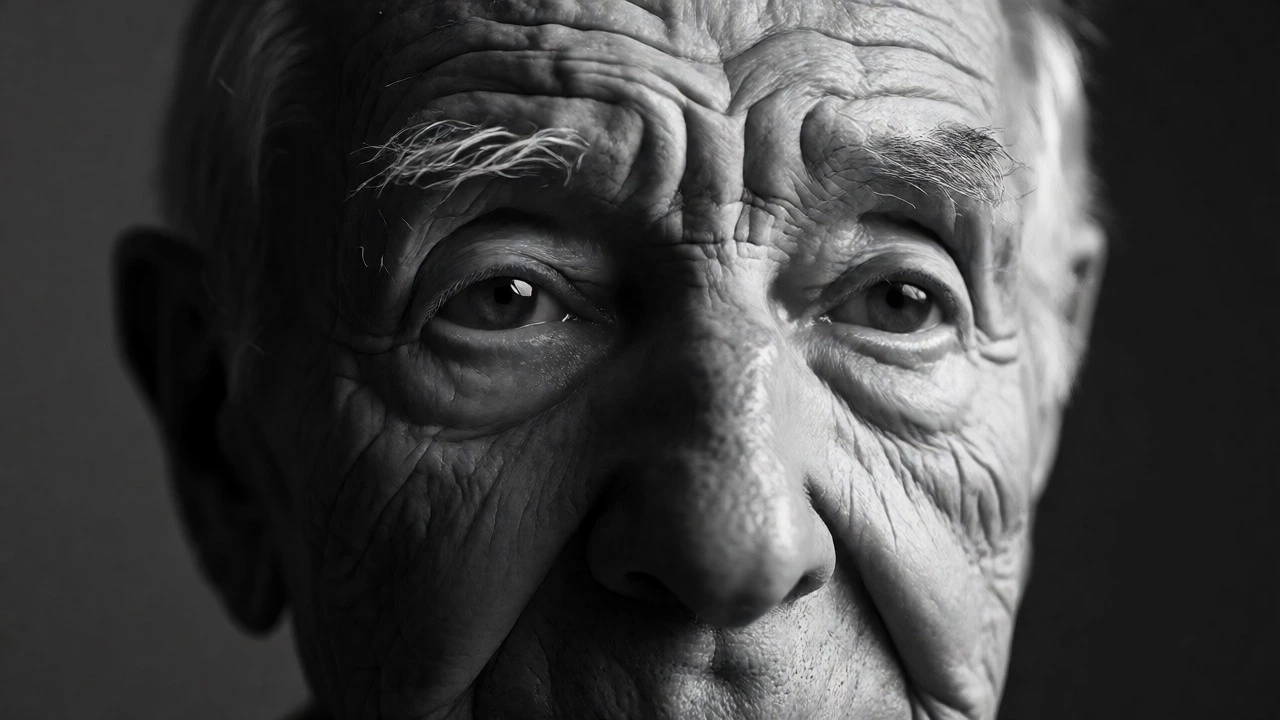
Why Black and White Portraits Feel More Powerful
Discover why black and white portraits captivate us more than color ones. Learn how removing hue boosts emotional impact, highlights texture, and creates timeless connections.
Continue Reading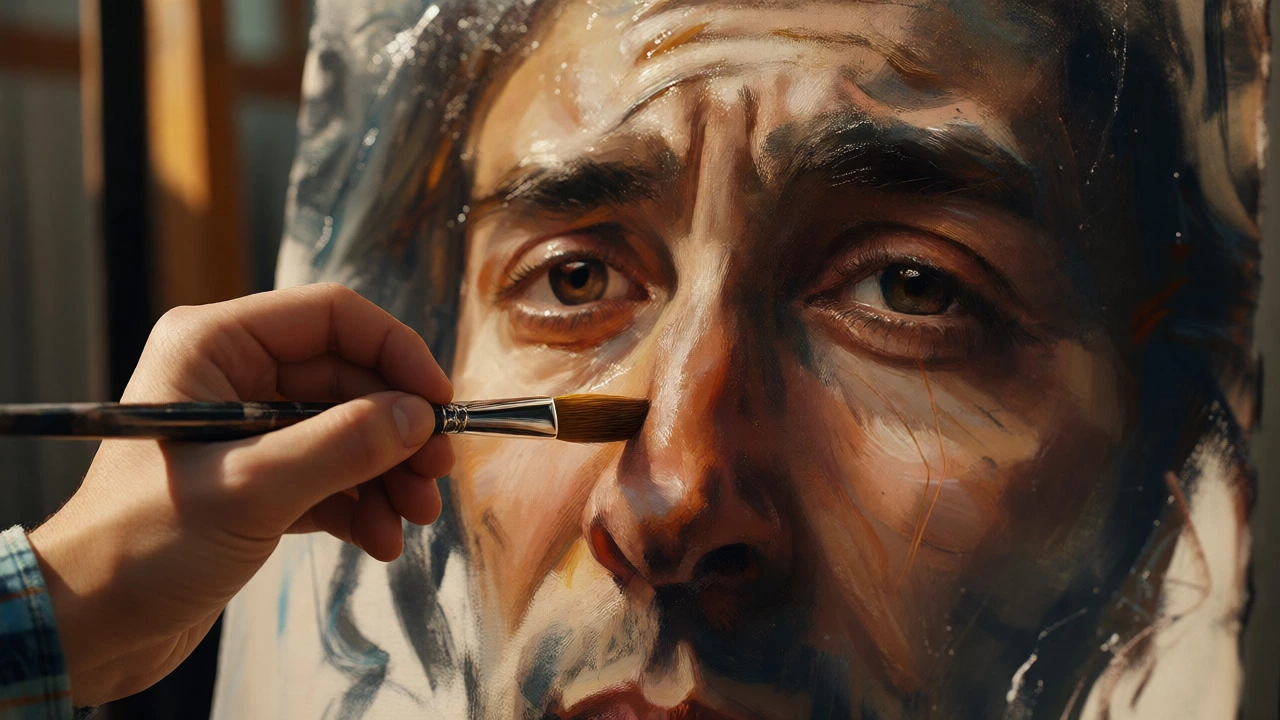
What Makes a Good Painted Portrait? A Practical Guide
Discover what separates a mediocre headshot from a captivating painted portrait. We explore likeness, light, composition, and color to help you judge and create better art.
Continue Reading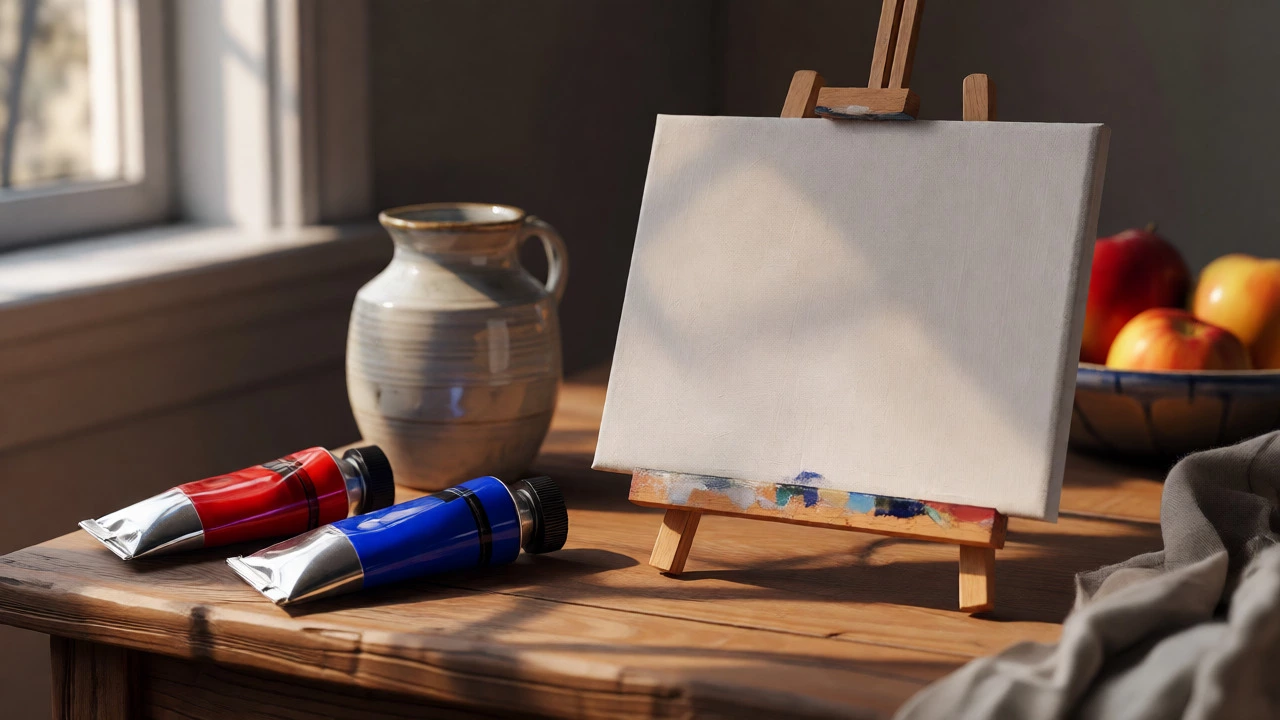
Best Subject for Beginner Oil Painting: A Practical Guide
Discover the best subjects for beginner oil painting. Learn why still life and landscapes offer the ideal learning curve, avoiding common pitfalls like portraits.
Continue Reading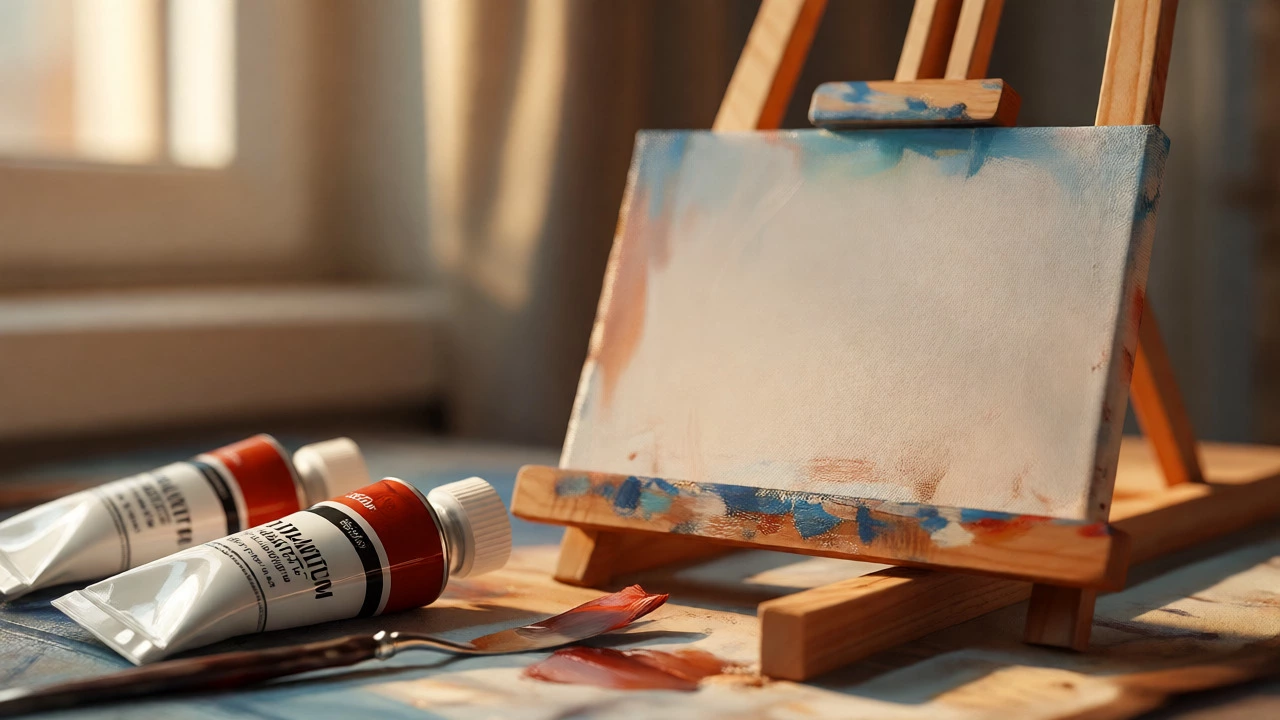
What is a good first oil painting idea? Simple subjects for beginners
Struggling to pick a first oil painting subject? Discover five beginner-friendly ideas like still life and seascapes that build core skills without frustration.
Continue Reading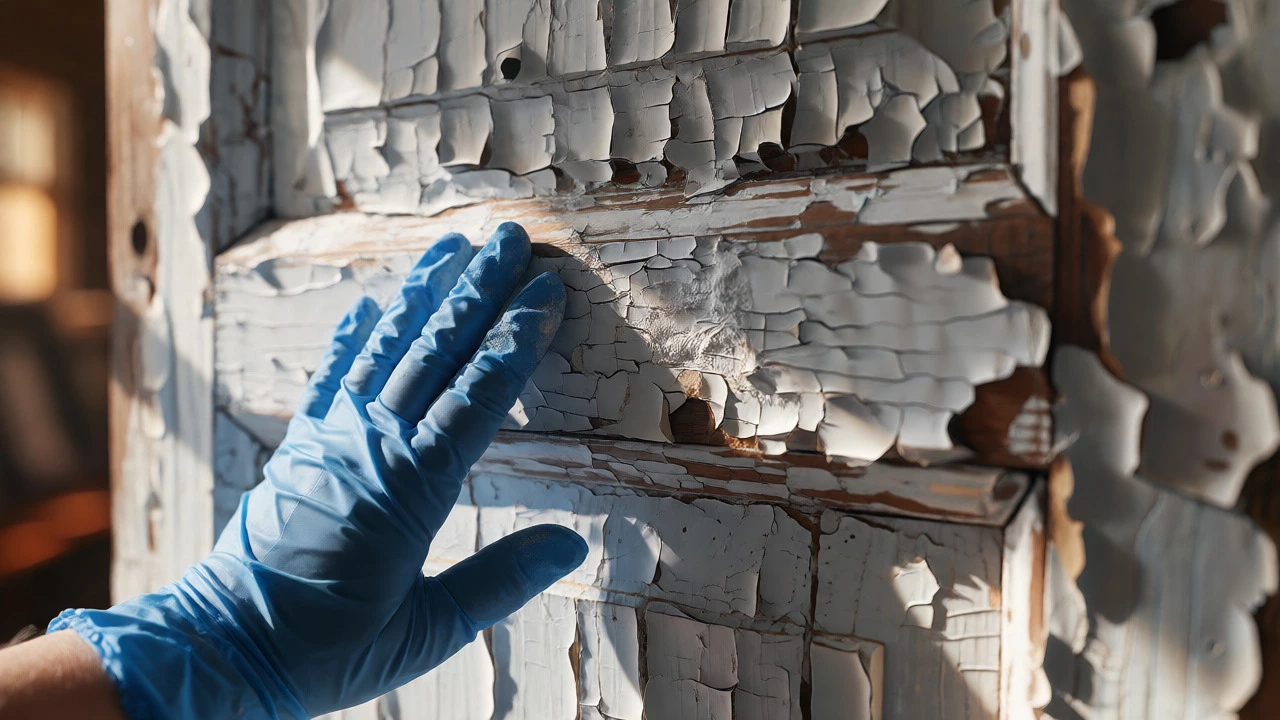
Should I Strip Old Paint Before Repainting? A Practical Guide
Confused about whether to strip old paint? Learn when stripping is necessary versus when you can just scuff and prime. Covers oil vs. latex, safety tips, and brick concerns.
Continue Reading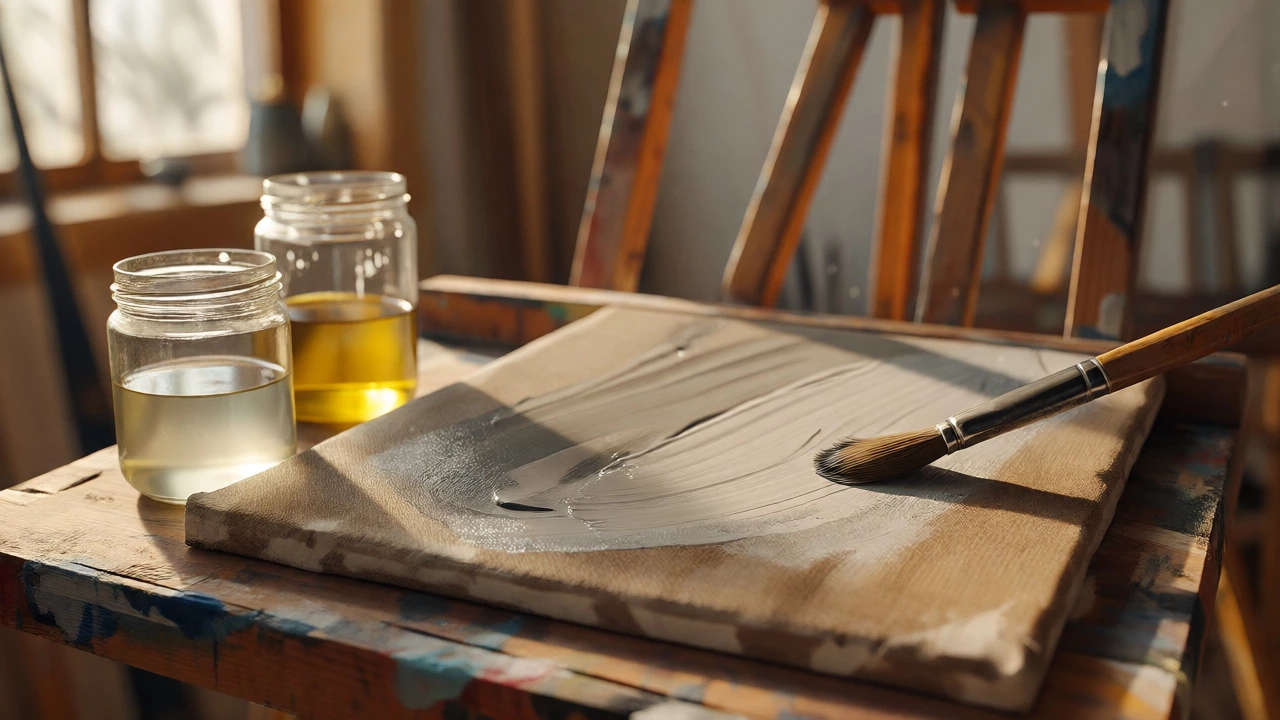
Fat Over Lean: The Golden Rule for Durable Oil Paintings
Learn the essential oil painting technique of 'fat over lean' to prevent cracking. Discover how layering solvents and oils correctly ensures durable, archival-quality artwork.
Continue Reading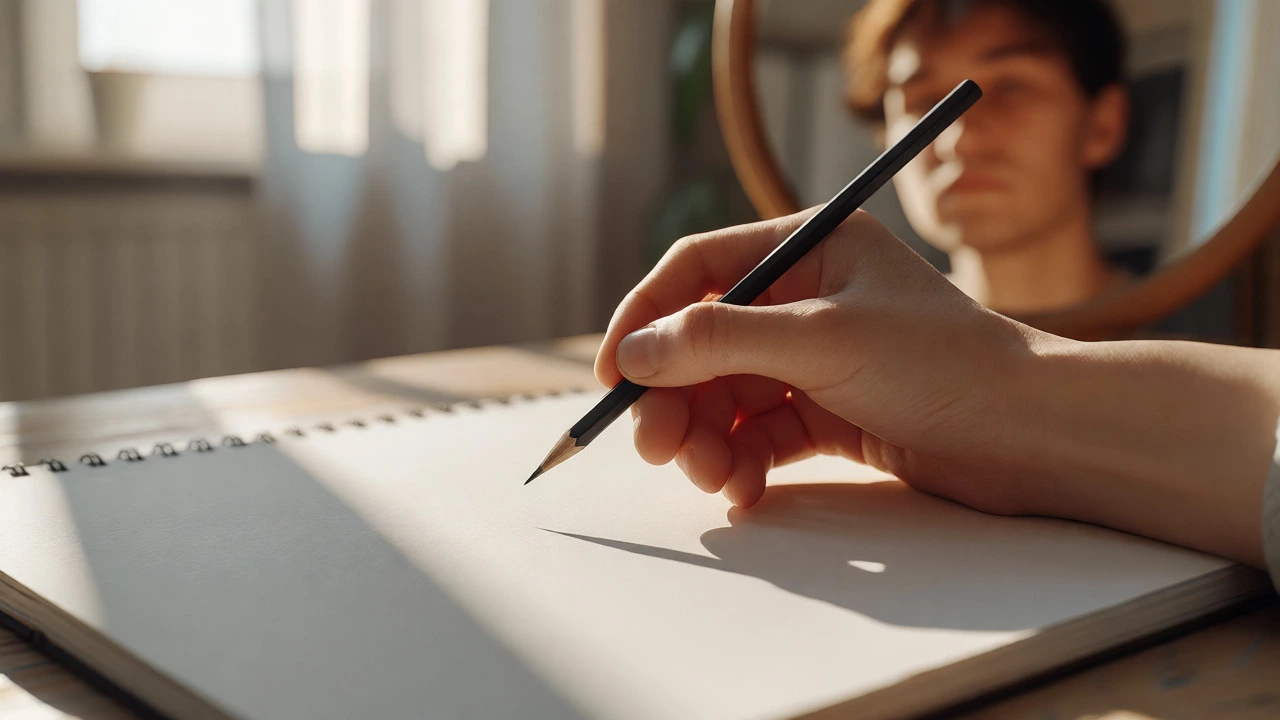
How to Start Portrait Art: A Beginner's Guide to Painting Faces
Learn how to start portrait art with practical tips on materials, facial proportions, and lighting. Discover why observing reality beats drawing symbols.
Continue Reading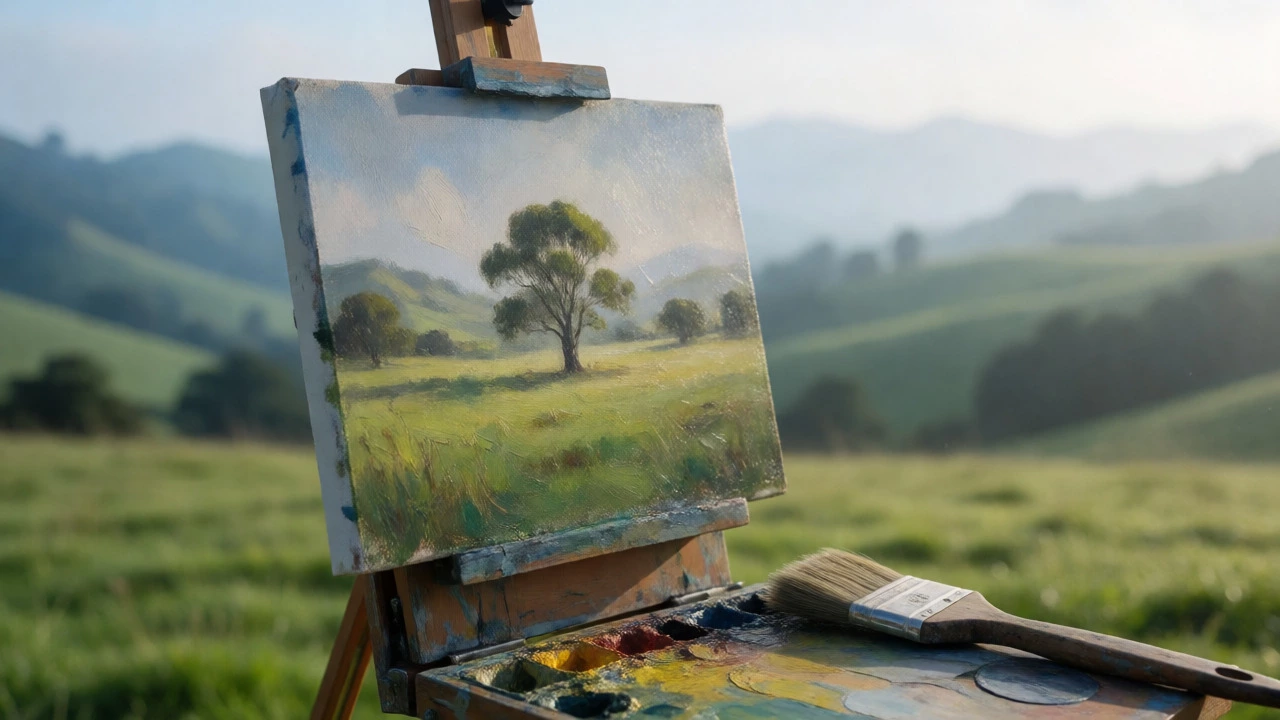
Landscape Painting Rules: Composition, Light, and Color
Discover the essential rules for landscape painting, from composition and value structure to atmospheric perspective. Learn how to create depth and emotion.
Continue Reading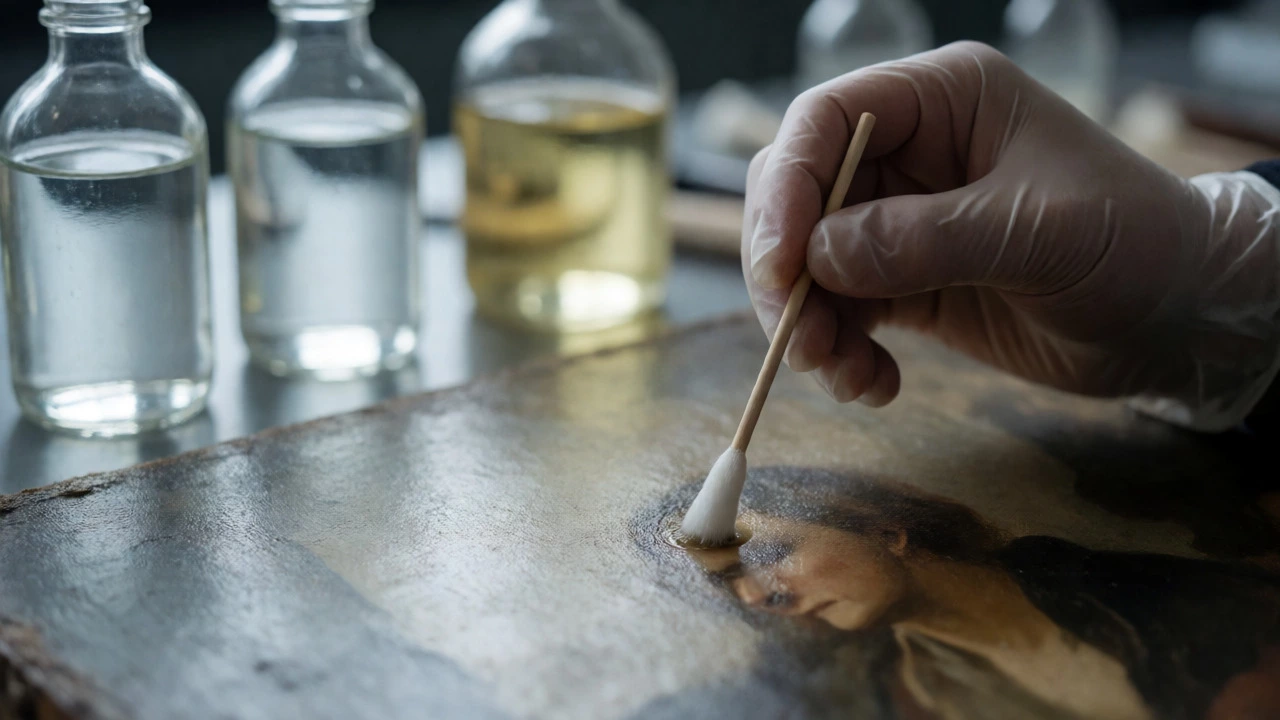
Professional Paint Stripping: Solvents, Tools, and Techniques
Discover the professional secrets to stripping paint safely. Learn about solvents like mineral spirits, acetone, and gels, plus essential mechanical tools and safety tips.
Continue Reading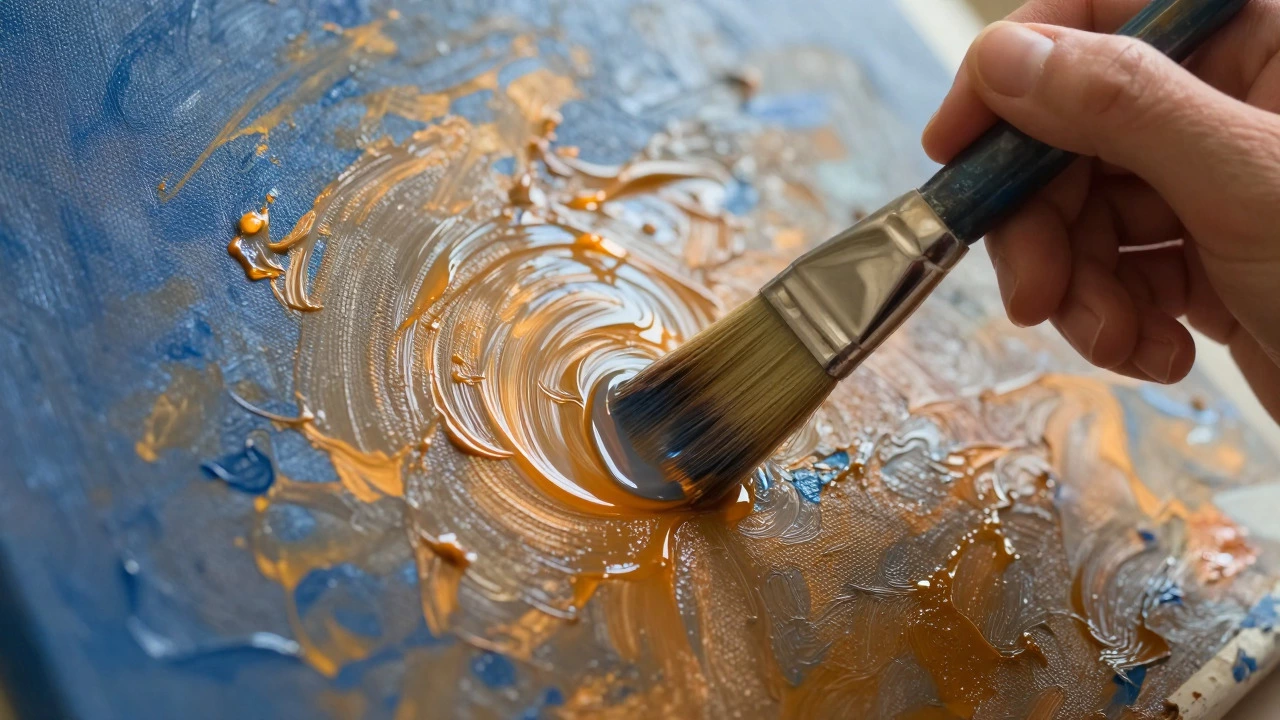
What Medium Makes Oil Paint Glossy? Best Options for Artists
Discover the best mediums to achieve a glossy finish in oil painting. Learn how linseed oil, Damar varnish, and synthetic options affect sheen and durability.
Continue Reading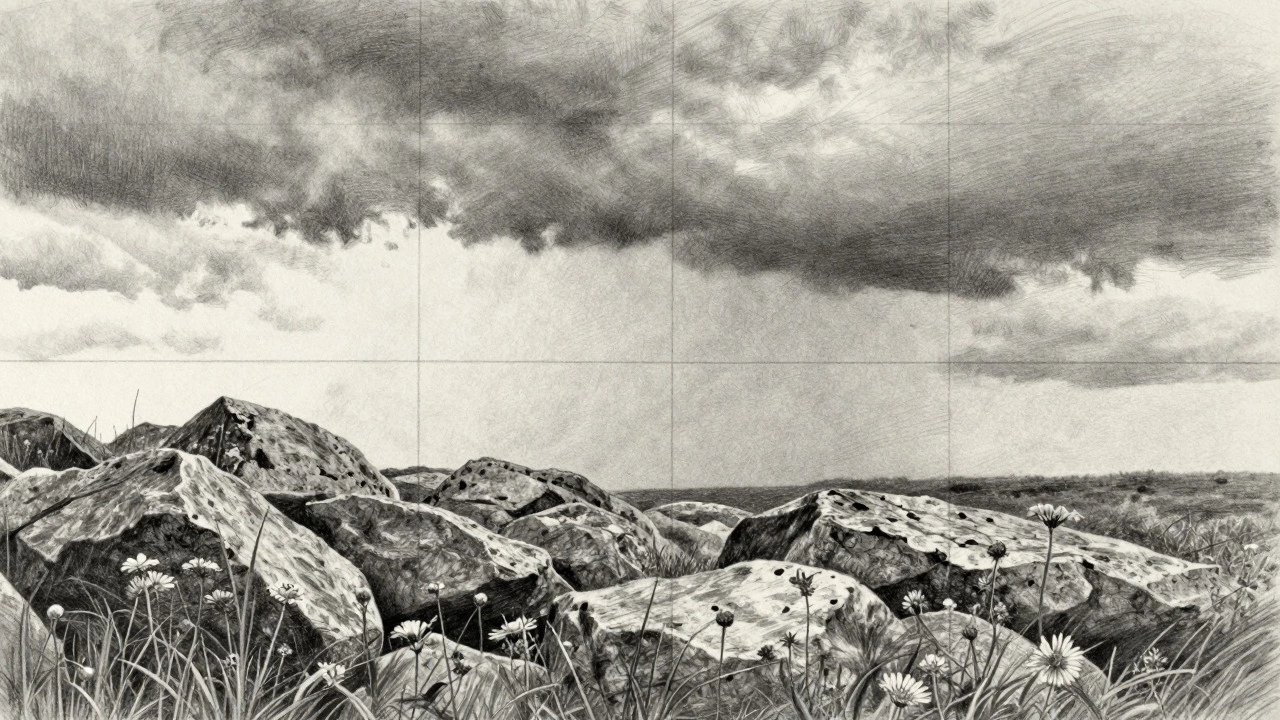
The Rules of Drawing a Landscape: Composition, Perspective, and Light
Learn the essential rules of landscape drawing, including composition, perspective, and value control to create depth and realism in your artwork.
Continue Reading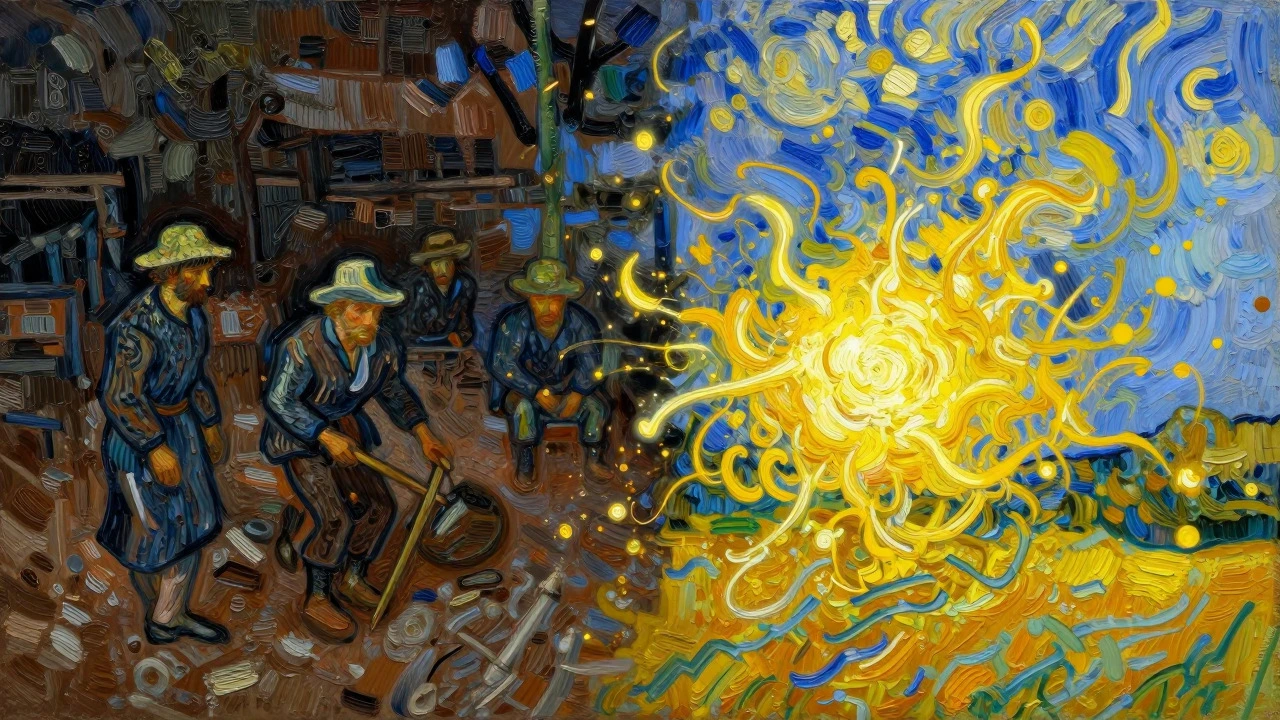
Why Van Gogh’s Yellow Period Changed Art History
Explore why Vincent van Gogh embraced yellow in his Arles period. From color theory to mental health, discover the science and emotion behind his iconic sun-drenched masterpieces.
Continue Reading