Oil Painting Restoration Guide
Instructions: Select the symptom that best describes your painting to get a professional restoration recommendation.
Diagnosis Result
- Check your lighting: Natural daylight is the only way to see true color value.
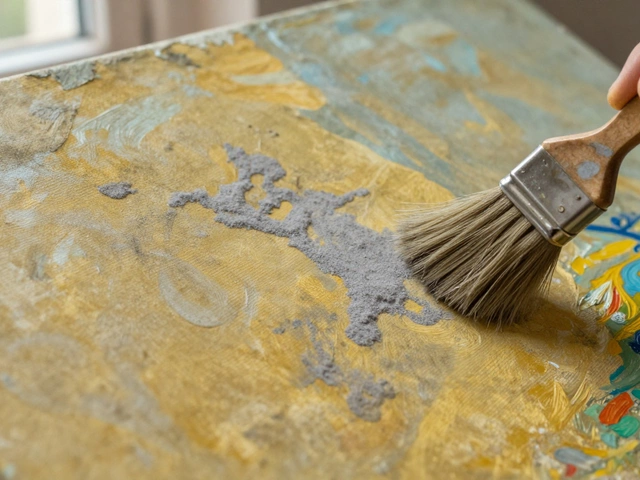
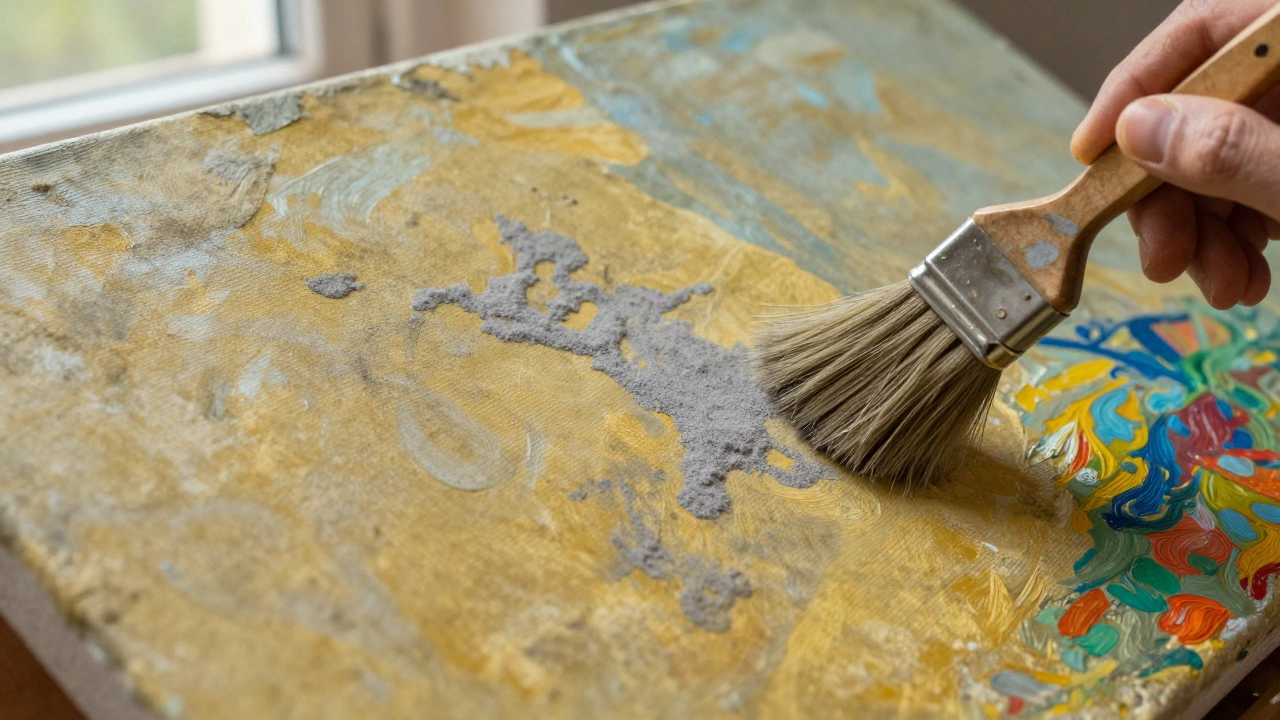
- Surface dust: A soft, dry brush can remove debris that kills contrast.
- Varnish check: If the surface is sticky or yellow, you're dealing with oxidized resin.
- Glazing: Adding a thin, transparent layer of medium can restore depth.
Why Your Painting Lost Its Glow
Before you grab a solvent, you need to know why the painting looks dull. There are usually three culprits. First is Dust and pollutants. Over years, smoke, cooking grease, and house dust settle into the texture of the paint, creating a grey veil that kills the saturation. Second is the chemistry of the Varnish. Most artists use a final coat to protect the work. However, natural resins like Dammar varnish oxidize over time. They turn yellow or brown, which acts like a dirty filter over your colors. Third, you might be dealing with "sinking in." This happens when the oil is absorbed too quickly by the canvas or underpainting, leaving the surface looking matte and chalky instead of glossy. If you see patches that look like they've dried out completely, your oil-to-pigment ratio was likely off, or your ground wasn't sealed properly.The Gentle Clean: Removing Surface Grime
Don't jump straight to chemicals. Start with the safest method possible. Use a high-quality, soft-bristled brush-something like a goat-hair brush-to flick away loose dust. If the painting is stable (no flaking paint), you can move to a very mild aqueous solution. Many professional restorers use a mixture of distilled water and a tiny drop of pH-neutral soap. Use a cotton swab dampened (not dripping) with the solution. Swipe a tiny area in a circular motion. If the swab comes back brown or grey, you're removing grime, not paint. Stop immediately if the color of the paint transfers to the swab. This process is slow, but it's the only way to ensure you aren't stripping the actual artwork.Tackling Yellowed Varnish
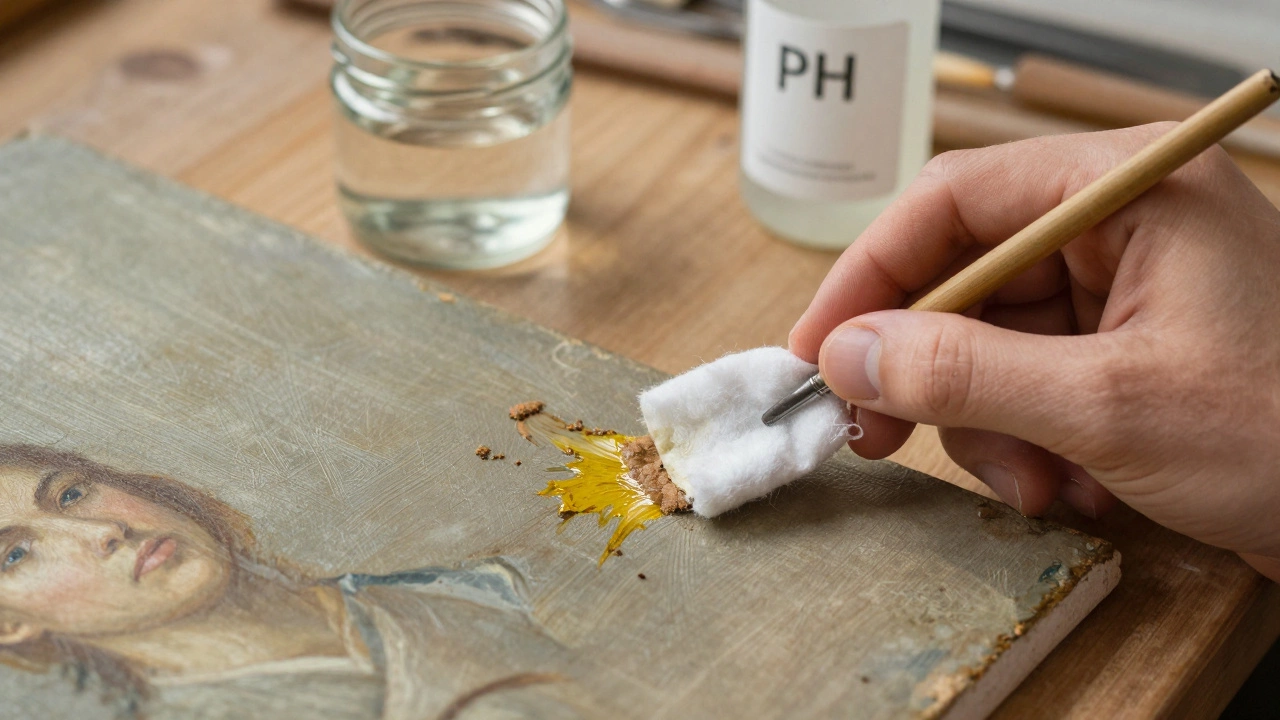
If the painting looks like it's seen a thousand cigarettes, the varnish is the problem. Removing it is the most effective way to brighten oil painting surfaces, but it's also the riskiest. You are essentially performing surgery on the surface. Mineral Spirits (also known as white spirit) is the gold standard for this. It's a mild solvent that can dissolve old varnish without eating through the oil paint. Here is the professional workflow:- Apply a small amount of odorles mineral spirits to a lint-free cotton cloth.
- Gently rub a small, inconspicuous corner of the painting.
- Observe the cloth. If the yellow resin is lifting, continue in small sections.
- Immediately wipe the area with a clean, dry cloth to prevent the solvent from soaking too deep into the paint layers.
Using Glazes to Restore Depth
Sometimes the painting isn't dirty; it's just numerically flat. If the colors feel muted, you can use a technique called glazing. A Glaze is a thin, transparent layer of paint mixed with a high proportion of medium. Instead of painting over the area, you're adding a "filter" that changes how light interacts with the canvas. For example, if a green forest looks dull, a thin glaze of transparent yellow or deep blue can create a luminous, glowing effect that you simply can't get by mixing colors on a palette. To do this, use a mixture of Linseed Oil and a touch of turpentine. Add a tiny amount of pigment. Apply it with a soft brush and blend it out. This adds a physical layer of gloss and saturates the underlying colors, making them look "wet" and fresh again.Comparing Restoration Methods
Depending on the cause of the dullness, your approach will change. Use this guide to decide your next move.| Symptom | Likely Cause | Recommended Action | Risk Level |
|---|---|---|---|
| Grey/Dusty look | Surface pollutants | Dry brushing → pH-neutral soap | Low |
| Yellow/Brown tint | Oxidized Varnish | Mineral Spirits solvent cleaning | Medium/High |
| Chalky/Matte patches | Sinking in / Dryness | Varnishing or Glazing | Low |
| Flat colors/No pop | Poor value contrast | Adding glazes or highlights | Medium |
The Final Step: Applying a Fresh Varnish
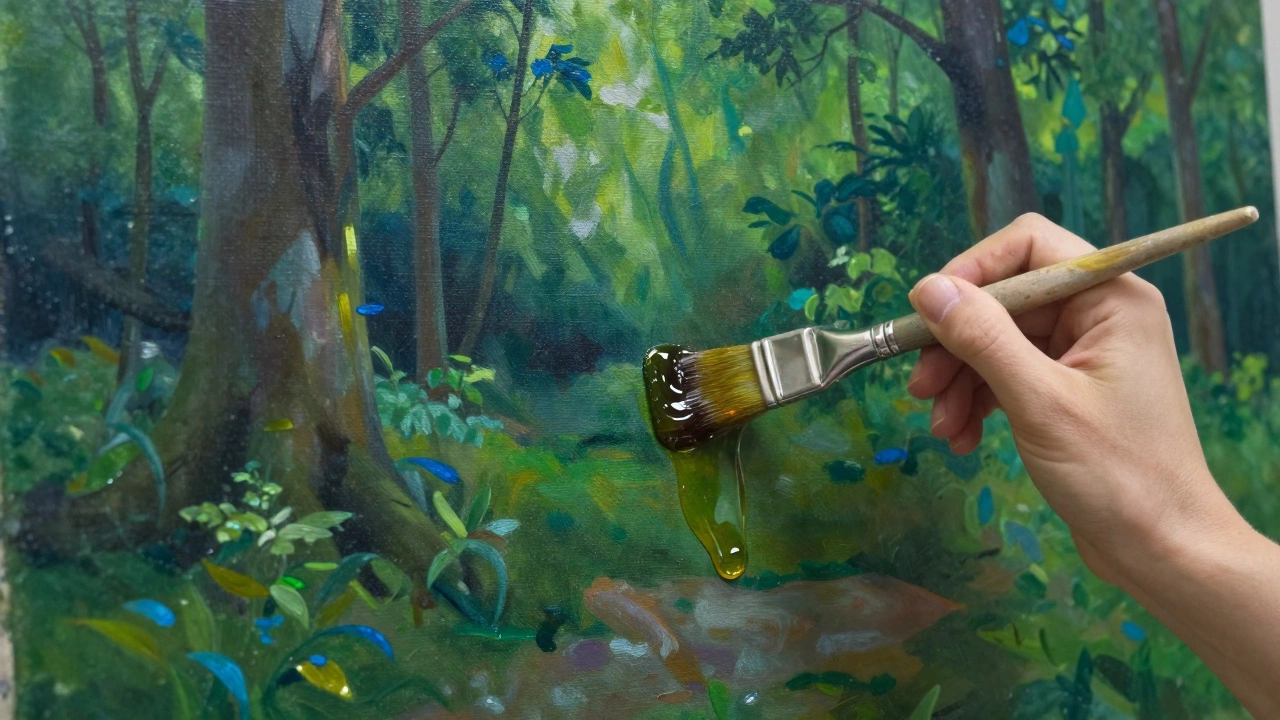
Once you've cleaned the painting or added your glazes, you need to seal it. Varnish doesn't just protect; it physically saturates the paint. A matte painting often looks dull simply because the light is scattering in every direction. A gloss varnish focuses the light, which makes the colors look deeper and more vibrant. Avoid using cheap spray varnishes from a craft store; they often yellow quickly. Instead, look for Synthetic Resin Varnish (like Gamolac). These are designed not to yellow and can be removed easily in the future without damaging the paint. Wait until the painting is completely dry-which can take six months to a year for heavy oil works-before applying. If you varnish too early, you'll trap gases inside the paint, which can lead to clouding or "blooming" (white spots that look like fog on the surface).Common Mistakes to Avoid
Avoid the urge to use household cleaners. Never use Windex, dish soap with degreasers, or rubbing alcohol. These contain chemicals that can strip the oil binder from the pigment, leading to permanent paint loss. Another common error is over-cleaning. If you scrub too hard with a solvent, you might remove the "glazes" the original artist intentionally put there. If you notice the painting is losing its subtle shadows or soft transitions, stop immediately. You're not removing dirt anymore; you're removing the art.Can I use soap and water on an oil painting?
Yes, but only with extreme caution. Use distilled water and a pH-neutral, fragrance-free soap. Never soak the canvas; use a dampened cotton swab and work in tiny areas. If the paint feels soft or the color comes off on the swab, stop immediately.
Will mineral spirits ruin my painting?
Mineral spirits are generally safe for cured oil paint because they are mild. However, if the painting is very fresh (less than a year old), the solvent can penetrate the paint layers and cause damage. Always test a small corner first.
How do I know if my varnish is oxidized?
If the painting has a consistent yellowish or amber cast that doesn't match the intended colors, it's likely oxidation. You can often see this by comparing a protected area (like the edge under the frame) with the center of the painting.
What is the best varnish for a long-lasting glow?
Synthetic resins are the best choice for modern artists. They provide the same depth as natural resins but are chemically stable, meaning they won't turn yellow over time. Look for professional-grade artist varnishes specifically labeled as non-yellowing.
Can I just paint over the dull areas?
You can, but it's often a mistake. If the dullness is caused by grime or varnish, adding new paint on top just masks the problem. The new paint may not adhere well to the dirty surface, leading to peeling or cracking later on. Clean first, then paint.