Street Artist Earnings Calculator
How much could you earn as a street artist?
Use this calculator to estimate potential earnings from street art commissions based on project type, size, location, and experience.
Estimated Earnings
Enter your project details to see your estimated earnings
Street art isn’t just tags on walls or spray-painted murals in alleyways. It’s a multi-million-dollar industry hiding in plain sight. But if you’ve ever seen someone painting a massive mural on the side of a building, you’ve probably wondered: do street artists get paid? The answer isn’t simple. Some make six figures. Others survive on donations and luck. And many still work illegally, risking fines or jail time just to put their art out there.
Most street artists don’t get paid at first
When you start out as a street artist, you’re not hired. You’re trespassing. You’re tagging under bridges, throwing up stencils in parking lots, or wheat-pasting posters on boarded-up storefronts. In the early days, it’s all about visibility, not income. There’s no contract, no deposit, no paycheck. You do it because you have to. Because the city feels too quiet without your color. In cities like Berlin, Melbourne, or São Paulo, you’ll find dozens of artists who’ve been doing this for over a decade without ever receiving a single dollar for their work. They buy their own spray cans. They risk arrest. They get paint removed by city crews. And they keep going. But here’s the twist: those same artists, five or ten years later, might be commissioned to paint a $50,000 mural for a tech startup or a luxury hotel chain. The transition from illegal to official is real-and it’s happening more often than you think.How street artists actually make money today
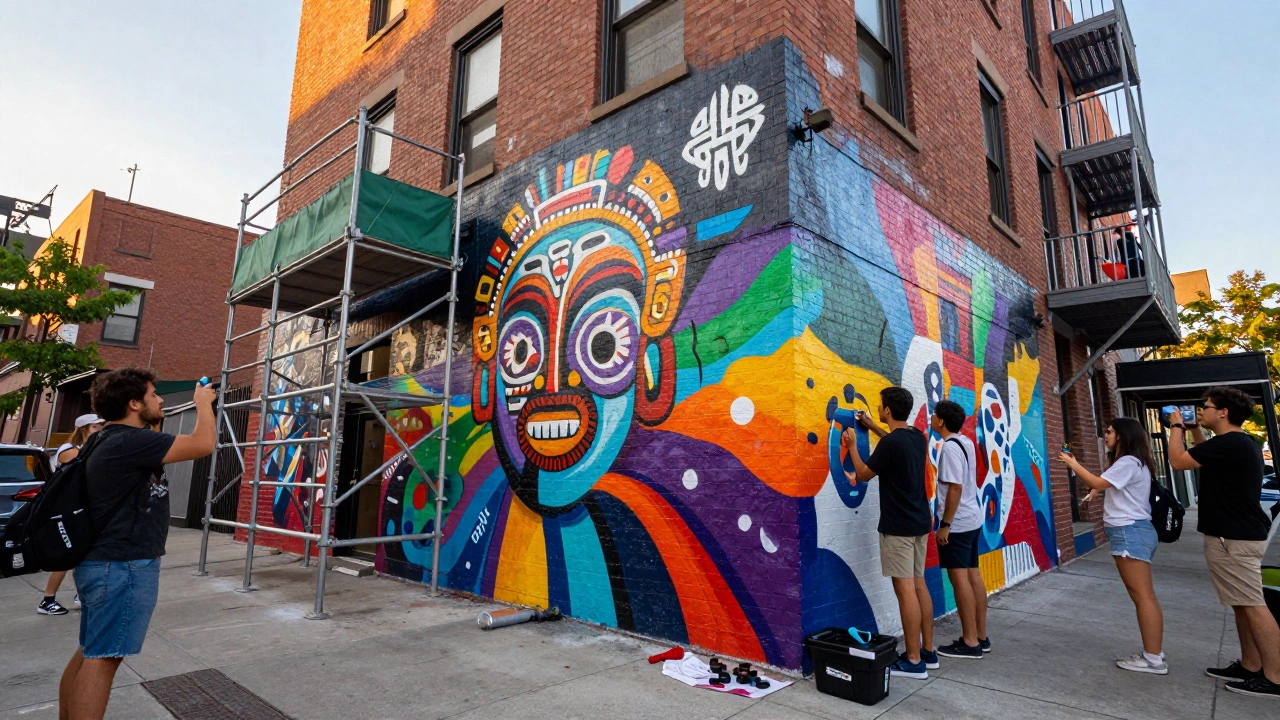
Street art doesn’t pay the same way a 9-to-5 job does. There’s no payroll. No benefits. But there are ways to turn walls into income. Here’s how it works in 2026:- Public commissions: Cities now hire street artists to beautify neighborhoods. Wellington, New Zealand, has a program that pays local artists $8,000-$25,000 per mural to cover blank walls in high-traffic areas. The goal? Reduce vandalism and attract tourists.
- Private commissions: Businesses pay artists to paint their buildings. A coffee shop in Portland paid $12,000 for a 40-foot mural. A hotel in Lisbon hired a Brazilian artist for $35,000 to cover its entire facade. These aren’t rare cases anymore.
- Merchandise and prints: Artists sell limited-edition prints, T-shirts, and posters online. A single popular design can earn $5,000-$20,000 a year in passive income.
- Festivals and residencies: Events like Upfest in Bristol or the Melbourne Street Art Festival pay artists to create live works over several days. Payments range from $1,000 to $10,000, depending on reputation.
- Donations and tips: In tourist-heavy zones like San Francisco’s Mission District or London’s Shoreditch, artists set up easels with QR codes. People pay $5-$50 for quick portraits or custom sketches. One artist in Barcelona told me he made $2,000 in tips during a single weekend.
The rise of legal street art
Ten years ago, street art was mostly illegal. Today, cities see it as economic development. New York City’s Department of Cultural Affairs now has a dedicated street art grant program. Toronto runs a “Wall of Fame” initiative where artists apply for approved surfaces. Even conservative cities like Nashville and Adelaide have started paying artists to replace graffiti with curated murals. Why? Because street art drives tourism. A 2024 study by the Urban Land Institute found that neighborhoods with commissioned street art saw a 22% increase in foot traffic and a 17% rise in local business revenue within six months. That’s money cities can’t ignore. And it’s not just about money-it’s about identity. Cities now compete to attract the most famous street artists. Banksy’s work still sells for millions, but local artists are getting their chance too. In 2025, a 24-year-old artist from Auckland painted a 60-meter mural on the side of a former warehouse. The city paid her $18,000. Within a year, the building was sold for 40% more than its neighbors.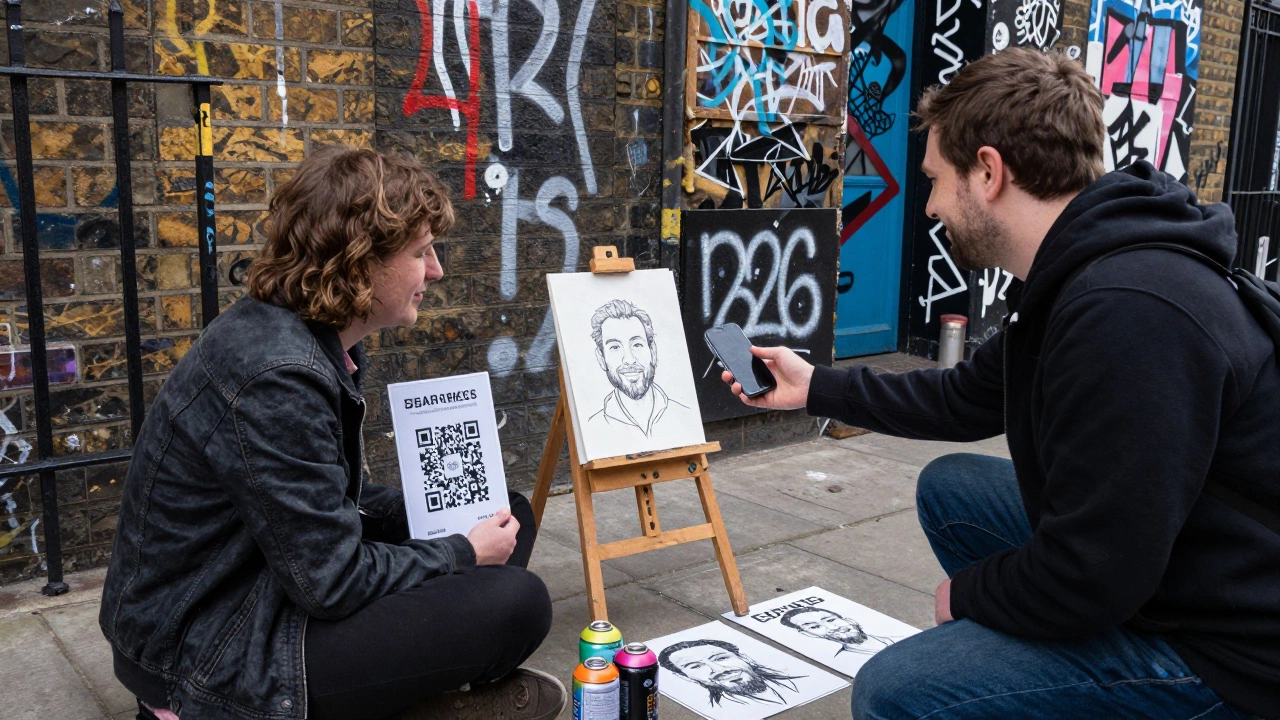
It’s not all glamour
Don’t get fooled by Instagram. Not every street artist is living the dream. Many still struggle. Some artists take on side jobs-bartending, delivery driving, graphic design-to pay rent. Others get burned by bad contracts. A few have been paid $5,000 to paint a mural, only to have the client repaint it over a month later with their own logo. And legal doesn’t always mean safe. In some cities, artists are required to use non-toxic paints, get permits, and pass inspections. That costs time and money. One artist in Los Angeles told me she spent $3,000 on permits and safety gear just to paint a $7,000 mural. Her profit? $1,700. Then there’s the emotional toll. Street art is personal. When you pour your soul into a wall, and the city paints it over because of a new zoning law, it hurts. Some artists keep digital archives of every piece they’ve lost. Others don’t talk about it anymore.Who gets paid the most?
The top earners aren’t the ones with the loudest tags. They’re the ones who’ve built a brand. Artists like Os Gemeos, Shepard Fairey, and JR don’t just paint walls-they license their work, publish books, and collaborate with global brands like Nike, Coca-Cola, and Louis Vuitton. But you don’t need to be world-famous to make good money. Local artists who specialize in a niche-say, hyper-realistic portraits, political satire, or cultural storytelling-can build steady income. One artist in Detroit paints Indigenous faces on abandoned buildings. He’s been commissioned by five museums and three universities. He doesn’t need to go global. His work is in demand right where he is. The key? Consistency. If you paint regularly, build a portfolio, and show up at the right events, you’ll get noticed. It takes years. But it happens.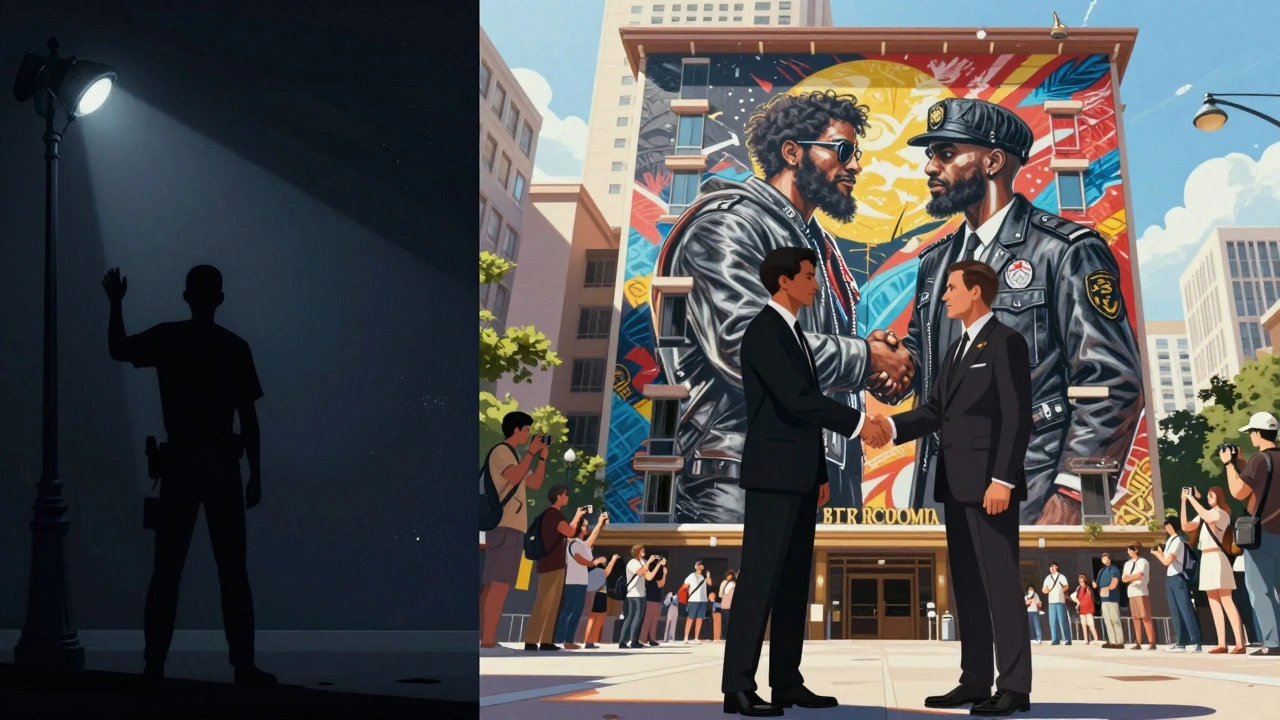
What you can learn from street artists
If you’re thinking about becoming a street artist, here’s the truth: you won’t get rich overnight. But you can build a real career-if you treat it like a business.- Start small. Paint in legal zones first. Use public walls with permission.
- Document everything. Take high-quality photos. Build a website or Instagram account.
- Network. Attend art fairs, connect with local galleries, talk to city planners.
- Charge for your work. Even if it’s $50 for a small piece. Don’t work for “exposure.”
- Apply for grants. Many cities and arts councils offer funding for public art.
Street art is evolving-and so are the artists
The days of street art being seen as vandalism are fading. Today, it’s a legitimate art form with real economic value. Cities are investing in it. Brands are partnering with it. And artists are finally getting paid for the work they’ve been doing for decades. It’s not perfect. The system still favors the well-connected. The legal process can be slow. The pay isn’t always fair. But the door is open. And more artists are walking through it every year. If you’ve ever looked at a mural and thought, ‘I wish I could do that,’ you can. You just need to start. And maybe, just maybe, one day, someone will pay you for it.Do street artists get paid for their murals?
Yes, many do-but not all. Some street artists work illegally and earn nothing. Others are commissioned by cities, businesses, or festivals and paid anywhere from $1,000 to $50,000 per project. The amount depends on location, reputation, size, and whether the work is legal.
Can you make a living as a street artist?
Absolutely. Many street artists combine commissions, merchandise sales, prints, and festival gigs to earn a full-time income. Some top artists make six figures. Others work part-time, using street art as a side hustle. Success takes time, consistency, and treating your art like a business-not just a passion.
Are street art commissions legal?
Yes, if you have permission. Many cities now have official programs that hire artists to paint public walls. These are legal commissions with contracts, permits, and payment. The illegal kind-spray-painting without permission-is still against the law in most places and can result in fines or arrest.
How do street artists get discovered?
Most get discovered through consistent public work, social media, and local events. Posting high-quality photos of your art on Instagram or TikTok helps. Attending art fairs, applying for public art grants, and networking with galleries or city arts departments also opens doors. Many artists are found by developers or tourism boards looking for unique visuals.
What’s the average pay for a street mural?
There’s no standard rate, but in 2026, most commissioned murals range from $8,000 to $25,000 for medium-sized works (20-50 feet tall). In major cities like New York, London, or Sydney, top artists can earn $50,000 or more. Smaller pieces or local projects might pay $1,000-$5,000. The price depends on size, location, artist experience, and materials.