Art Prints: What They Are and Why They Matter
If you’ve ever wondered why art prints keep popping up on Instagram feeds and living‑room walls, you’re not alone. Prints let artists reach more buyers without making a single original piece. They’re cheaper for collectors, easier to ship, and can be produced in different sizes. That mix of access and quality makes prints a go‑to option for both new hobbyists and seasoned collectors.
But “art prints” cover a lot of ground. From high‑end limited editions on archival paper to simple poster‑style reproductions, the market is full of choices. Knowing the difference helps you pick the right format for your style and budget, and it lets buyers see the value you’re offering.
Why Art Prints Sell
First, prints are affordable. A buyer can snag a piece for the price of a coffee instead of a thousand‑pound original. That lower cost opens the door to people who want to support artists but can’t stretch big budgets.
Second, prints are versatile. You can offer a tiny 8×10 version for a dorm room, a medium 16×20 for a home office, or a large 24×36 for a feature wall. The same artwork can live in many spaces, which means more sales chances.
Third, the online market is booming. Platforms like Etsy, Society6, and even Instagram Shops let artists showcase prints to a global audience. Shoppers love the convenience of browsing, reading reviews, and getting the print delivered to their door.
Lastly, prints can become collectibles. Limited runs, signed copies, or numbered editions add a sense of rarity. When collectors see a print with the artist’s signature and a clear edition number, they often treat it like a small original.
How to Price Your Prints
Pricing feels like a guessing game, but you can break it down into three simple steps. First, add up all your costs: paper, ink, packaging, and any platform fees. If your total cost for a 12×12 print is £8, you’ve already set a floor.
Second, think about your time and skill. Even though you didn’t paint the print by hand, you still created the original artwork and set up the file. Many artists add a 30‑50 % markup for their creative effort. In our example, that bumps the price to around £11‑£12.
Third, check the market. Search for prints similar to yours in size, medium, and style. If most comparable pieces sell for £20‑£30, you have room to increase your price. But if you’re just starting out, a modest price can attract first‑time buyers and build reviews.
Don’t forget to factor in shipping. Some artists include shipping in the price for free delivery; others list it separately. Free shipping can boost conversion, but make sure it doesn’t eat into your profit.
When you launch a new print, test a few price points. Offer a “early‑bird” discount for the first ten sales, then raise the price a bit. Watch how quickly the print moves and adjust accordingly.
Remember, the goal isn’t to be the cheapest—it’s to offer value that matches the quality of your work. Clear descriptions, good photos, and a short story about the piece help buyers understand why your price makes sense.
Whether you’re selling a single small print or a limited run of signed editions, the basics stay the same: know your costs, respect your time, and keep an eye on the market. Stick to those steps, and you’ll set prices that feel right for both you and your customers.
Ready to start printing? Grab a sample batch, snap a few lifestyle photos, and list your first print today. The more you experiment, the faster you’ll learn what works for your art and your audience.
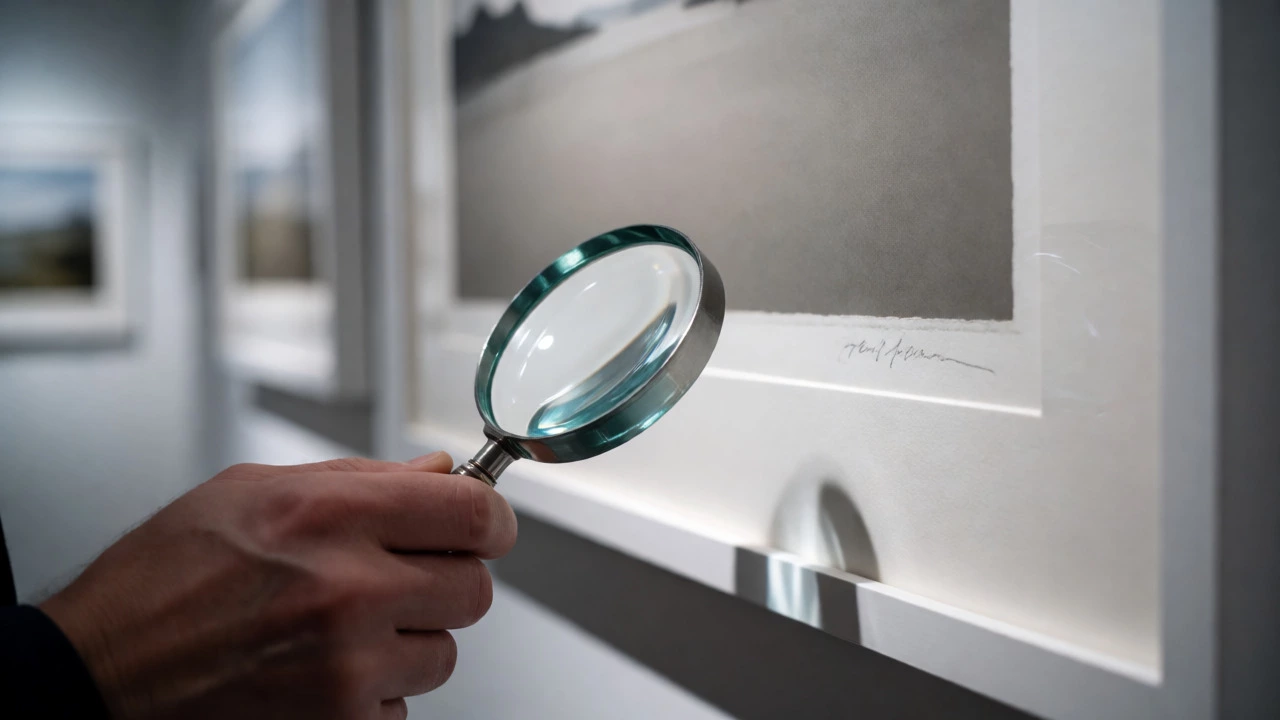
Do Art Prints Have Signatures? A Collector's Guide to Authenticity
Wondering if art prints need signatures? Learn the difference between hand-signed, facsimile, and unsigned prints. Discover how edition numbers affect value.
Continue Reading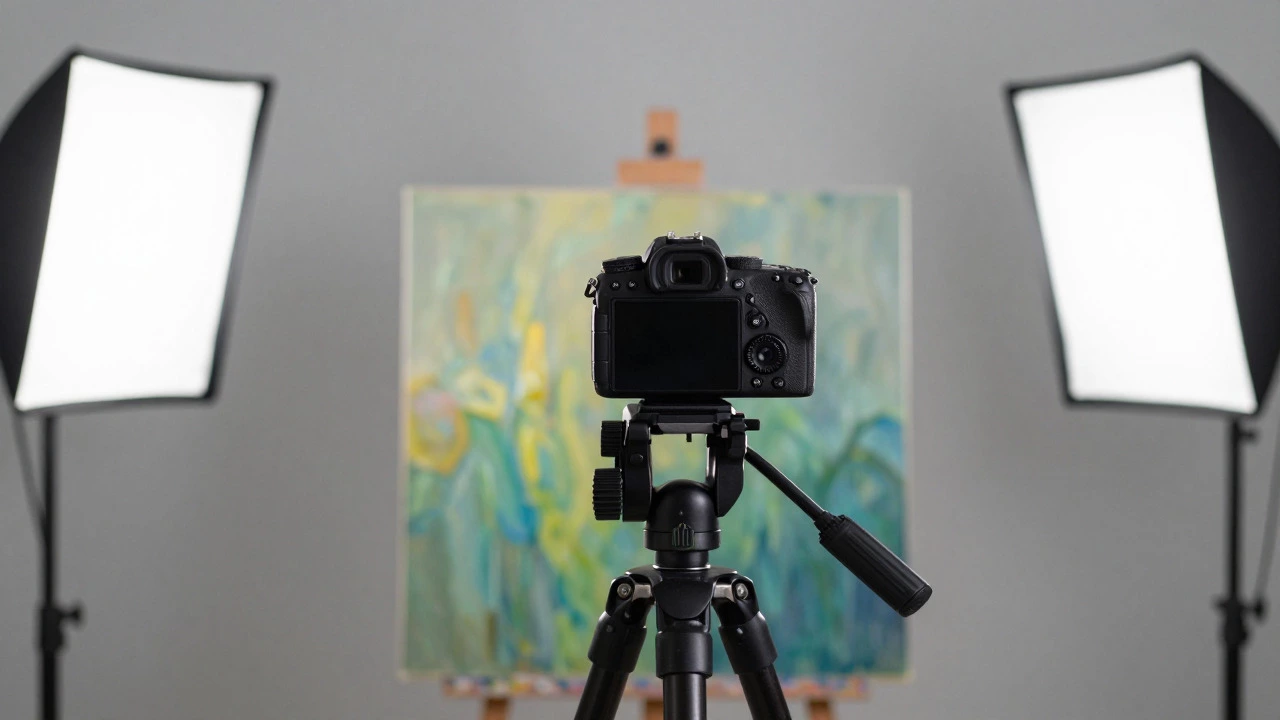
How to Photograph Art for High-Quality Prints: A Step-by-Step Guide
Learn how to photograph your artwork for high-quality prints. Master lighting, camera settings, and post-processing to capture true colors and sharp details.
Continue Reading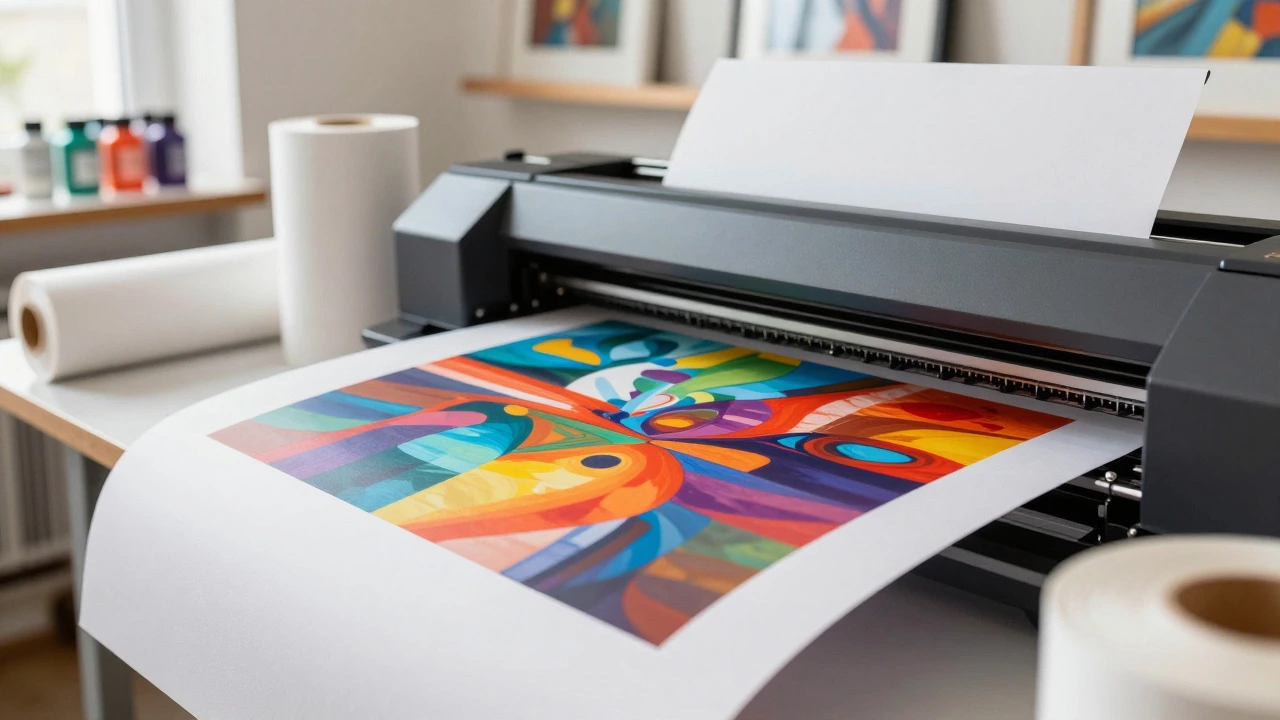
How to Start Selling Art Prints: A Practical Guide for Artists
Learn how to start selling art prints with this practical guide covering production models, pricing strategies, and digital marketing tips for artists.
Continue Reading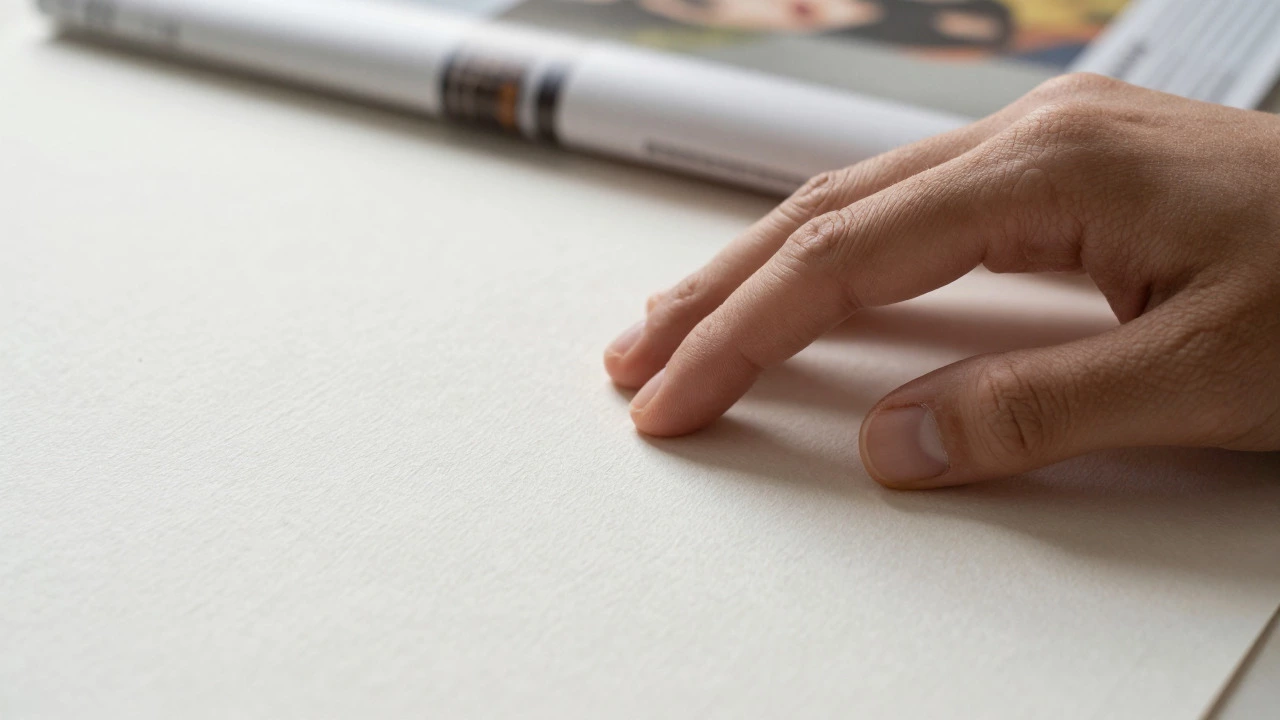
How to Tell if a Print is Giclee: A Practical Buyer's Guide
Learn how to identify a true Giclée print by checking paper texture, ink type, and archival certifications. Avoid mislabeled reproductions with these practical verification tips.
Continue Reading
How to Start Collecting Art Prints: A Beginner's Guide to Building a Collection
Start collecting art prints with confidence. Learn the difference between Giclée and posters, understand limited vs. open editions, and discover where to find quality pieces that fit your budget and style.
Continue Reading
What Size Art Prints Sell Best on Etsy? A Data-Backed Guide for Sellers
Discover the best-selling art print sizes on Etsy. Learn why 8x10 and 11x14 dominate, how shipping costs affect profits, and tips for optimizing your listings for higher sales.
Continue Reading
The Best Type of Printing for Art Prints: A Complete Guide for Artists and Collectors
Discover the best printing methods for art prints. Learn why Giclée dominates the fine art market and compare it with alternative techniques for longevity and value.
Continue Reading
What Is the Highest Quality Art Print? Key Factors That Make a Difference
The highest quality art print uses pigment-based inks, archival paper, and professional giclée printing to match the original artwork's detail and color. It lasts over 100 years and is signed, numbered, and certified for authenticity.
Continue Reading
Can You Get Sued for Copying Art? What You Need to Know About Art Prints and Copyright
Copying art-even just a simple print-can lead to lawsuits. Learn what's legal, what's not, and how to avoid copyright trouble when using art prints for personal or commercial use.
Continue Reading
Can You Make Money Selling Art Prints? Practical Guide for 2025
Learn how to turn art prints into a profitable side hustle or business with step‑by‑step tips, pricing formulas, platform comparisons, and marketing strategies for 2025.
Continue Reading
What Should I Charge for My Art Prints? Real Numbers, Smart Choices
Not sure how much to charge for your art prints? This guide breaks down real pricing strategies, covers typical price ranges in 2025, and tackles common pitfalls that trip up new artists. See how to factor in your costs, understand your market, and choose a price that fits both your skill and your audience. Avoid rookie mistakes and learn what professional artists actually do to price their prints effectively. Get ready to feel confident about setting—and sticking to—your prices.
Continue Reading
Do Small Art Prints Sell? What Artists Need to Know
Are you wondering if small art prints actually sell? This article breaks down why smaller prints can be a smart move for artists and side hustlers. Learn real numbers behind small print sales, what buyers like about them, and where they fly off the shelves. Packed with practical tips on pricing, marketing, and presentation.
Continue ReadingCategories
Most popular
-

-
 Who is the #1 artist on Spotify right now? Nov 18 2025
 -
 What Genre is Lady Gaga? Apr 4 2025
 -
-
 How to Create a Stunning Landscape Painting Feb 24 2025