Giclée Authenticity Checker
Answer the following questions based on what you observe or know about a print to determine if it meets the standards of a true Giclée.
1. Paper Texture & Weight
You run your fingers over the paper surface. It feels distinctively textured (toothed), matte, and heavy (approx. 300gsm). What does this suggest?
2. Ink Resolution & Dots
Using a magnifying glass, you examine the dark shadow areas. You see smooth gradients with no visible halftone dots or graininess. This is characteristic of:
3. Documentation & Metadata
The seller provides a certificate stating: "Printed on Hahnemühle Photo Rag using Epson UltraChrome K3 Pigment Inks." This is:
4. Longevity Expectations
Based on the materials identified (Pigment Ink + Acid-Free Paper), what is the expected lightfastness of this print under normal indoor conditions?
5. Red Flags Check
A large 24x36 inch print is offered for $30 with no specific paper/ink details, just labeled "Museum Quality Digital." This is:
6. Cleaning Care
If you own this verified Giclée print and notice dust, how should you clean it?
You're standing in front of a beautiful print, the price tag looks reasonable, and the seller claims it's "museum quality." But how do you know if it's actually a Giclée a high-resolution digital printing process that uses inkjet technology to produce fine art prints with exceptional color fidelity and longevity or just a standard offset print dressed up in fancy language? The term "Giclée" has become somewhat of a marketing buzzword, often used loosely to justify higher prices without necessarily reflecting superior technical specifications. Understanding the difference isn't just about pedantry; it’s about ensuring your investment lasts for decades rather than fading in five years.
The core distinction lies in the technology and materials. A true Giclée print is produced using an inkjet printer that sprays microscopic droplets of Pigment Ink ink formulated with solid particles that bond chemically with paper fibers, offering superior lightfastness compared to dye-based inks onto specialized media. Unlike traditional lithography or screen printing, which rely on mechanical or chemical transfer processes, Giclée allows for virtually unlimited color depth because it can mix millions of colors from a limited set of inks. This means the print can replicate the subtle gradients and textures of the original artwork with remarkable accuracy. If you are buying a print, you need to look past the label and inspect the physical characteristics that reveal the production method.
Examining the Paper and Surface Texture
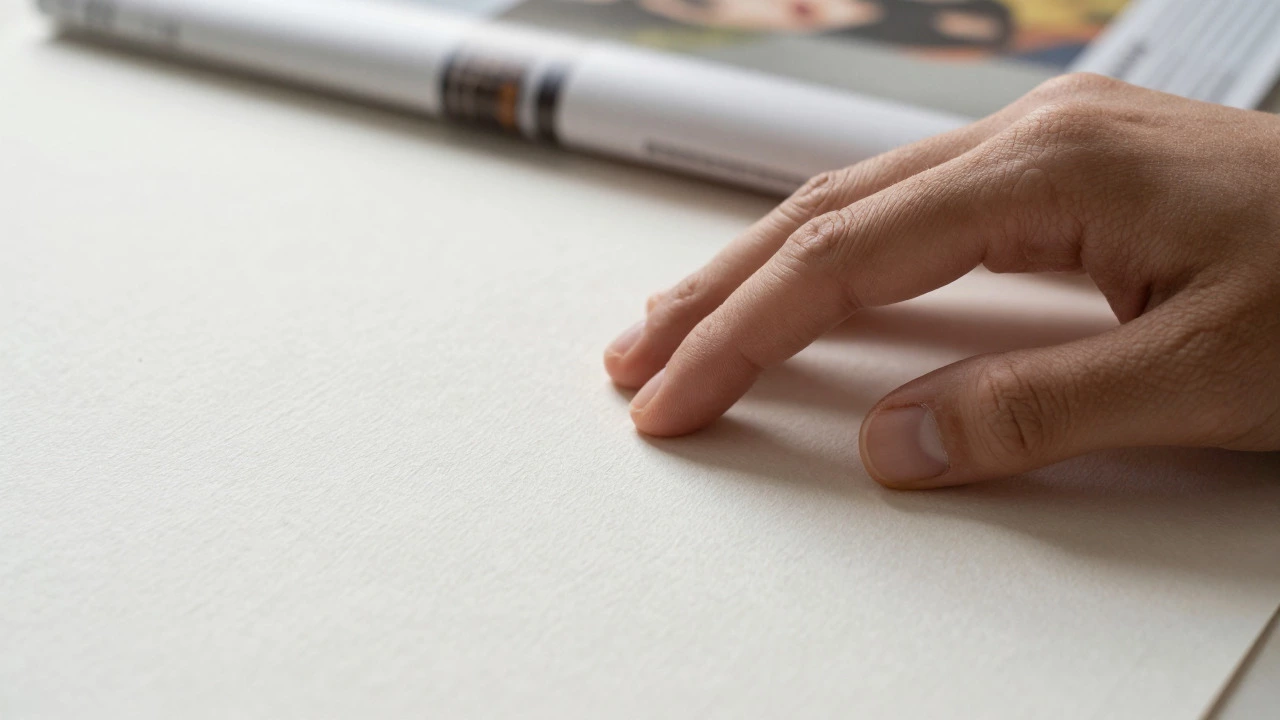
The first place to start is the paper itself. Giclée prints are almost exclusively produced on archival-grade papers designed to withstand time. These papers are typically acid-free and lignin-free, which prevents yellowing over time. When you run your fingers across the surface, you should feel a distinct texture. Most Giclée papers have a tooth-a slight roughness-that helps the ink adhere properly. In contrast, commercial offset prints often use coated, glossy, or smooth satin papers that feel slick and plastic-like. If the paper feels like a magazine page, it’s likely not a Giclée. Look for labels indicating weights between 200gsm and 310gsm; this heft indicates a substantial material capable of holding dense pigment loads without warping.
Additionally, check the edges of the print. High-quality Giclée papers often come in specific sizes, and the cut edges should be clean but show the natural fiber density of the paper. Cheap prints might have jagged cuts or visible layering from cheaper stock. Some artists use cotton rag paper, which has a soft, matte finish and a warm white tone, while others prefer alpha cellulose for a brighter, cooler white. Knowing the artist’s preference can help you identify authentic works, as many established Giclée printers stick to specific brands like Hahnemühle or Epson Premium Luster Paper.
Inspecting the Ink and Color Depth
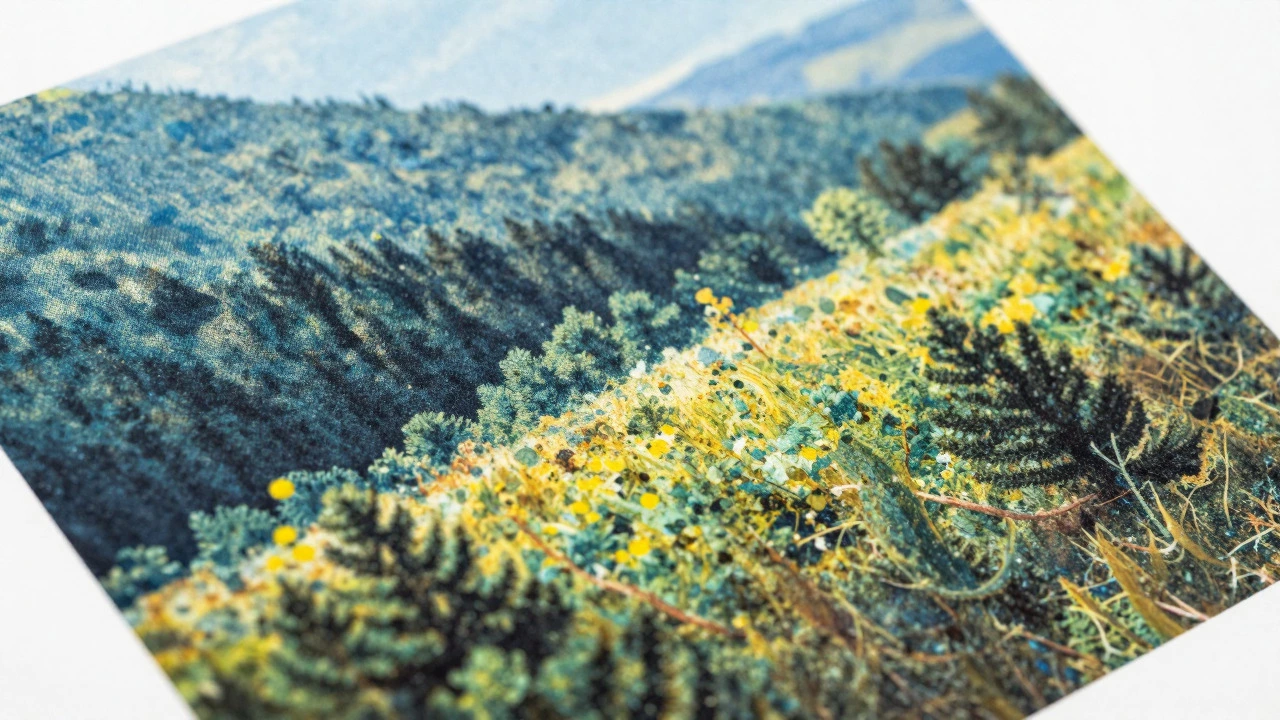
Now, look closely at the image itself. Hold the print up to natural light and examine areas of deep shadow and bright highlight. Giclée prints utilize multiple layers of transparent ink, allowing colors to build up in a way that creates optical mixing. You should see a smooth transition between tones without banding or graininess. In lower-quality digital prints, you might notice a halftone dot pattern-tiny dots that create the illusion of color when viewed from a distance. If you can see individual dots with the naked eye or a magnifying glass, it’s probably a standard inkjet or laser print, not a fine art Giclée. True Giclée resolution is typically 1440 dpi or higher, meaning the dots are so small they blend seamlessly into a continuous tone.
Color vibrancy is another telltale sign. Pigment inks used in Giclée printing offer a wider gamut than standard office inks. Look for rich, saturated blacks and deep reds that don’t look muddy or faded. If the colors appear flat or washed out, especially in dark areas, the print may have been produced with dye-based inks, which are less durable and prone to fading under UV light. While both pigment and dye inks can look vibrant initially, pigment inks are the industry standard for archival Giclée prints because they resist oxidation and light exposure far better.
Checking for Archival Certifications and Metadata
Physical inspection is crucial, but documentation provides the final confirmation. Reputable Giclée prints usually come with a certificate of authenticity (COA) or a data sheet detailing the printing process. This document should specify the type of ink (always pigment), the paper brand and weight, and the printer model used. Common professional printers include large-format Epson, Canon, or HP Latex models configured for fine art. If the seller cannot provide this information, ask directly. A legitimate studio will be proud to share these details because they prove their commitment to longevity.
Furthermore, look for any embossing or blind stamps on the back of the paper. Many artists or print studios emboss their logo or the year of production into the paper edge. This is a common practice in the fine art world to distinguish limited editions from open runs. While not exclusive to Giclée, the presence of such markings combined with the correct paper and ink specs strengthens the case for authenticity. If the print is part of a numbered edition, ensure the numbering is hand-signed or stamped by the artist, not printed digitally along with the image.
Common Misconceptions and Red Flags
One major misconception is that all digital prints are Giclées. Technically, Giclée refers to the *process* of high-quality inkjet printing, but in the market, it has become a synonym for "fine art digital print." However, not all digital prints are created equal. A photo lab can print a digital file on canvas using standard dye inks, and some sellers might call this a Giclée. To avoid being misled, always verify the ink type. Dye inks are water-soluble and fade quickly, while pigment inks are suspended particles that remain stable for 75+ years under normal conditions.
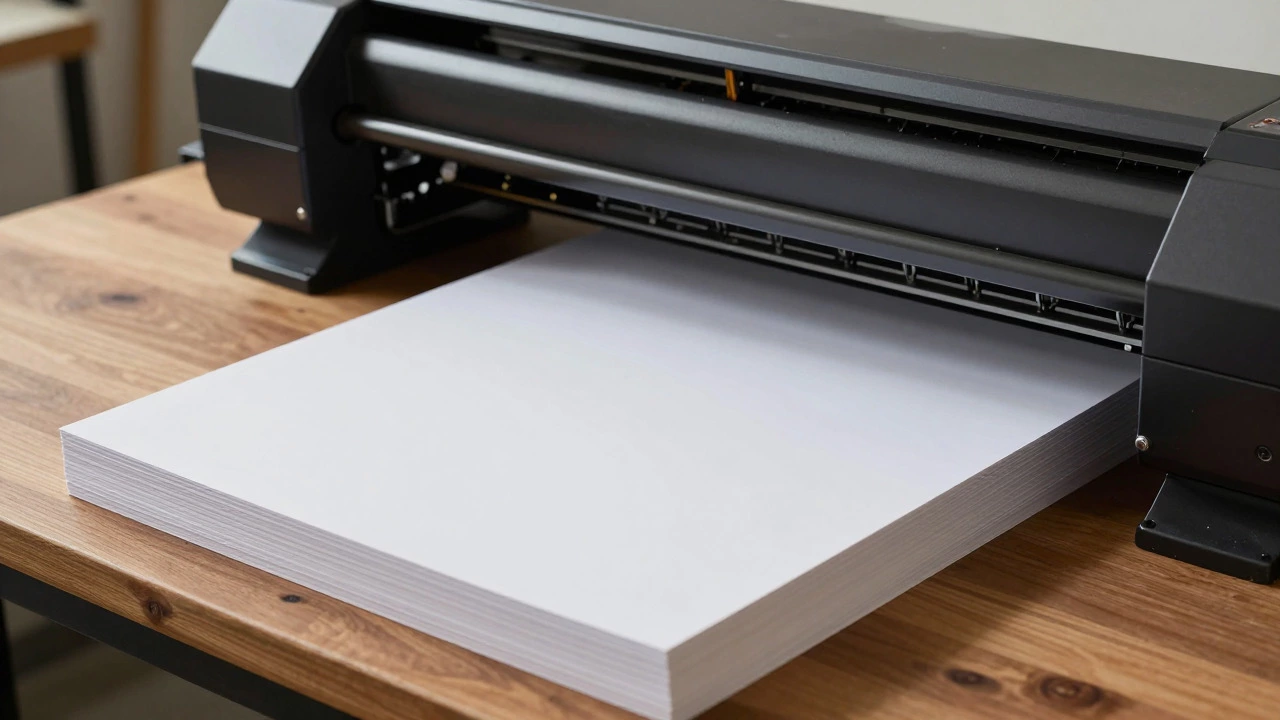
Another red flag is the price point relative to the size. While Giclée prints vary in cost based on paper and edition size, extremely cheap large-format prints are rarely true archival Giclées. The cost of archival paper and pigment ink is significant. If a 24x36 inch print costs less than $50, scrutinize the materials carefully. It might be a high-quality reproduction, but it may lack the archival properties that justify the "Giclée" label. Always prioritize material integrity over price when investing in art meant to last generations.
| Feature | Giclée Print | Standard Digital/Offset Print |
|---|---|---|
| Ink Type | Pigment-based (Archival) | Dye-based or Standard CMYK |
| Paper Material | Acid-free Cotton Rag or Alpha Cellulose | Coated Wood Pulp or Glossy Stock |
| Resolution | 1440 dpi or higher | 300-600 dpi (Visible Halftone Dots) |
| Longevity | 75-100+ years (Lightfast) | 5-15 years (Fades in UV) |
| Surface Feel | Textured/Matte/Satin | Smooth/Glossy/Plastic-like |
Practical Steps for Verification
If you are unsure about a specific print, follow these three steps before purchasing. First, ask for a close-up photo of the texture under raking light (light hitting the surface at a low angle). This reveals the paper tooth and any halftone patterns invisible in flat lighting. Second, request the name of the paper manufacturer and the ink series. For example, "Hahnemühle Photo Rag 308gsm" and "Epson UltraChrome K3 Pigment Ink" are specific, verifiable combinations. Vague answers like "high-quality paper" are warning signs. Third, check the artist’s website or gallery profile. Established artists usually list their printing partners and materials explicitly. If the information is missing, email them directly. Most serious artists welcome inquiries about their print process because they want collectors to understand the value of their work.
Remember, the goal isn't to be a forensic scientist, but to be an informed buyer. By focusing on the tangible attributes-paper texture, ink type, and documentation-you can confidently distinguish a true Giclée from a lesser reproduction. This knowledge protects your investment and ensures that the art you display remains vibrant for decades to come.
Is every digital print a Giclée?
No. While Giclée is a type of digital printing, the term specifically refers to high-resolution inkjet printing using archival pigment inks on fine art paper. Standard digital prints from photo labs often use dye inks and non-archival paper, making them less durable and technically distinct from Giclée.
How long does a Giclée print last?
When printed with certified archival pigment inks and acid-free paper, a Giclée print can last 75 to 100 years or more under normal indoor lighting conditions. Proper storage away from direct sunlight and humidity extends this lifespan significantly.
Can I clean a Giclée print myself?
Generally, no. Avoid using water, chemicals, or abrasive cloths on Giclée prints. Dust them gently with a soft, dry brush or a lint-free microfiber cloth. For deeper cleaning, consult a professional conservator to avoid damaging the delicate ink layer.
What is the difference between pigment and dye ink?
Pigment ink consists of solid particles that sit on top of the paper fibers, offering superior lightfastness and water resistance. Dye ink dissolves into the paper fibers, resulting in brighter initial colors but faster fading when exposed to light and air. Giclée prints almost always use pigment ink for archival purposes.
Does the paper weight matter for Giclée prints?
Yes. Heavier paper (typically 200gsm and above) provides better structural integrity, reduces curling, and enhances the tactile experience of the artwork. It also supports higher ink densities without bleeding or distortion, contributing to the overall quality and perceived value of the print.