Modern Art: What It Is, Why It Matters, and How to Appreciate It
Ever walked into a gallery and stared at a blank canvas, wondering why anyone would pay for it? You’re not alone. Modern art can feel weird, pricey, or even boring, but it’s also full of ideas that change how we see the world. Let’s break down the basics so you can walk into any show with confidence.
Key Traits of Modern Art
First off, modern art isn’t about perfect drawing or realistic colors. It’s about breaking rules, trying new materials, and letting ideas lead the way. Think of artists using metal, plastic, or even digital screens to say something fresh. That’s why you’ll see sculptures that look like tangled wires or paintings that are just splashed color. The focus shifts from “looks right” to “makes you think.”
Another big trait is the mix of old and new. You might see a classic portrait next to a video installation that reacts to your movement. The clash is intentional – it forces you to ask why you feel a certain way. Artists also play with abstraction, meaning the form may not represent anything real, but the emotion behind it is real.
How to See Modern Art Like a Pro
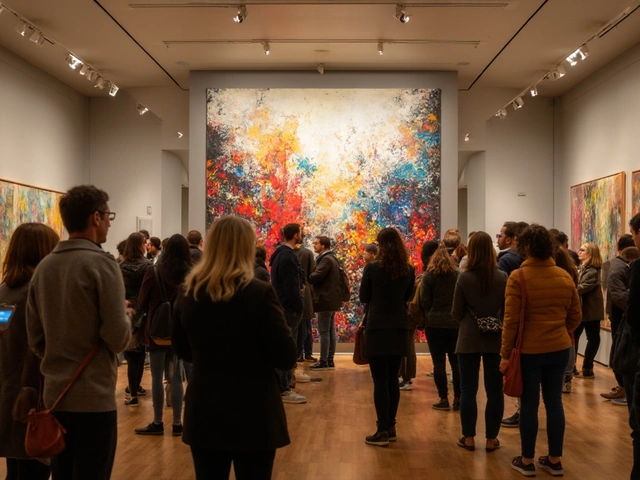
Start by dropping the idea that you need to “get” it instantly. Take a few seconds to look, then ask yourself: What mood does this piece create? What materials are used? If you’re in front of a big, empty canvas, think about the space it opens up – sometimes the emptiness is the point.
Read the wall label. It usually gives a clue about the artist’s intention, the year, and the technique. If the label mentions “post‑modern” or “digital media,” you know the work is playing with newer tech. Don’t be shy about chatting with the guide or other visitors – hearing different perspectives can spark your own insights.
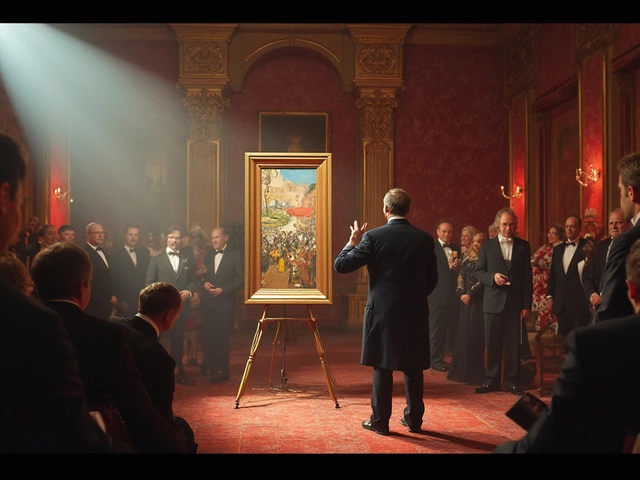
Keep an eye on price tags too. Some modern pieces sell for millions, like the record‑breaking sale of a work that fetched over $400 million. Those numbers aren’t just about money; they show which ideas collectors think will shape the future of art. Knowing a bit about these high‑profile sales helps you see the market side of modern art.
Try a simple exercise: pick one work you feel neutral about and write down three words that come to mind. Then, walk a few steps away and write three new words. The change often reveals how the piece works on you over time.
Finally, remember that modern art is a conversation, not a test. It’s okay to love a piece, dislike it, or feel confused. The key is to stay curious and let the art push you to ask new questions about style, society, and yourself.
So next time you see a sculpture that looks like a twisted metal puzzle or a video that loops a single breath, you’ll know it’s doing exactly what modern art does – breaking the old rules, sparking conversation, and inviting you to see the world from a fresh angle.
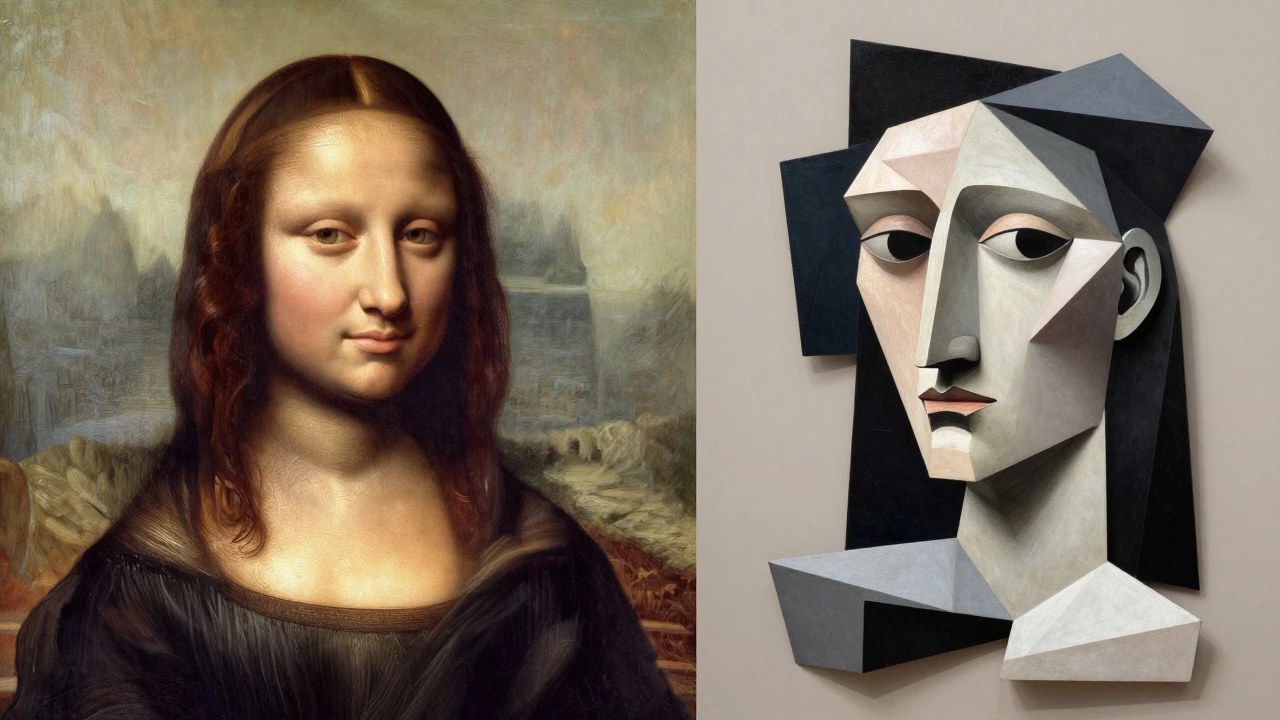
What Makes a Painting Modern? Key Characteristics of Modern Art
Discover what defines modern painting. From Impressionism to Abstract Expressionism, learn how artists broke traditional rules to explore form, color, and emotion.
Continue ReadingWhy Do I Love Modern Art? Unlocking the Emotional and Intellectual Appeal
Discover why modern art captivates the heart and mind. From emotional resonance to the power of ambiguity, explore the deep connections behind abstract expressionism and contemporary aesthetics.
Continue Reading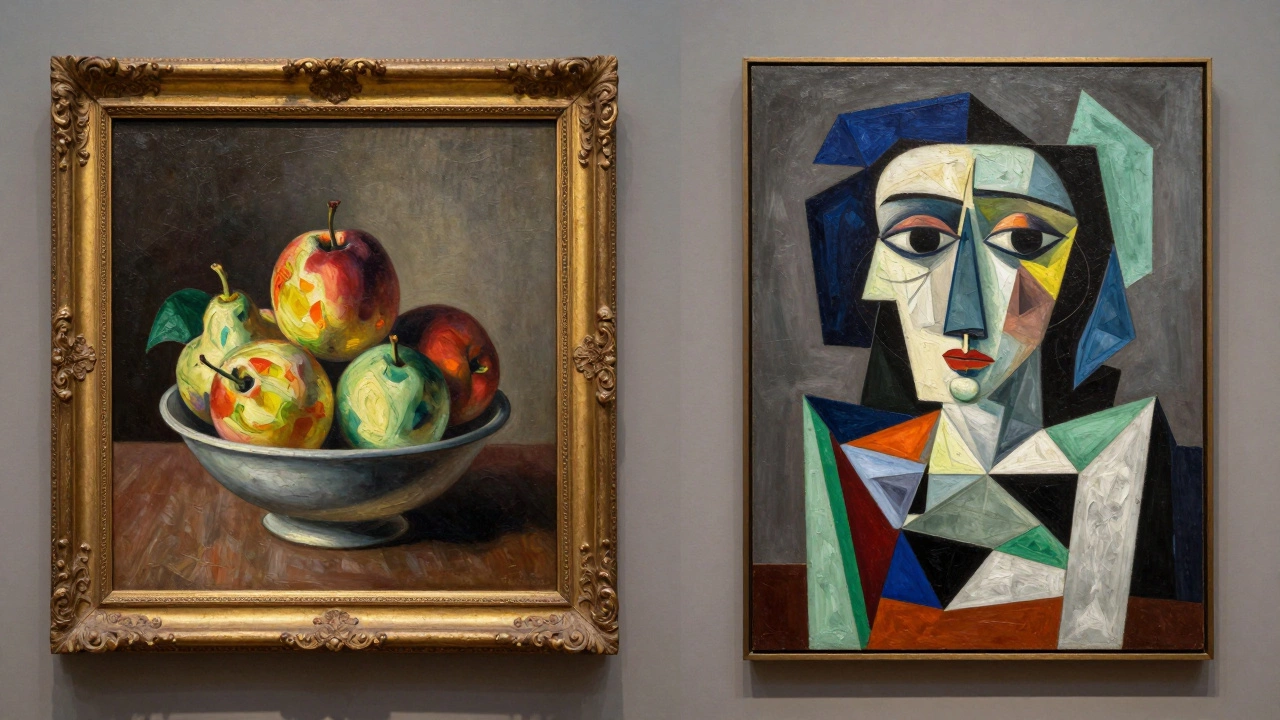
The 2 Main Characteristics of Modernism Art: A Simple Guide
Discover the two defining traits of modernism art: rejecting realistic representation and emphasizing the medium itself. Learn how these shifts changed art forever.
Continue Reading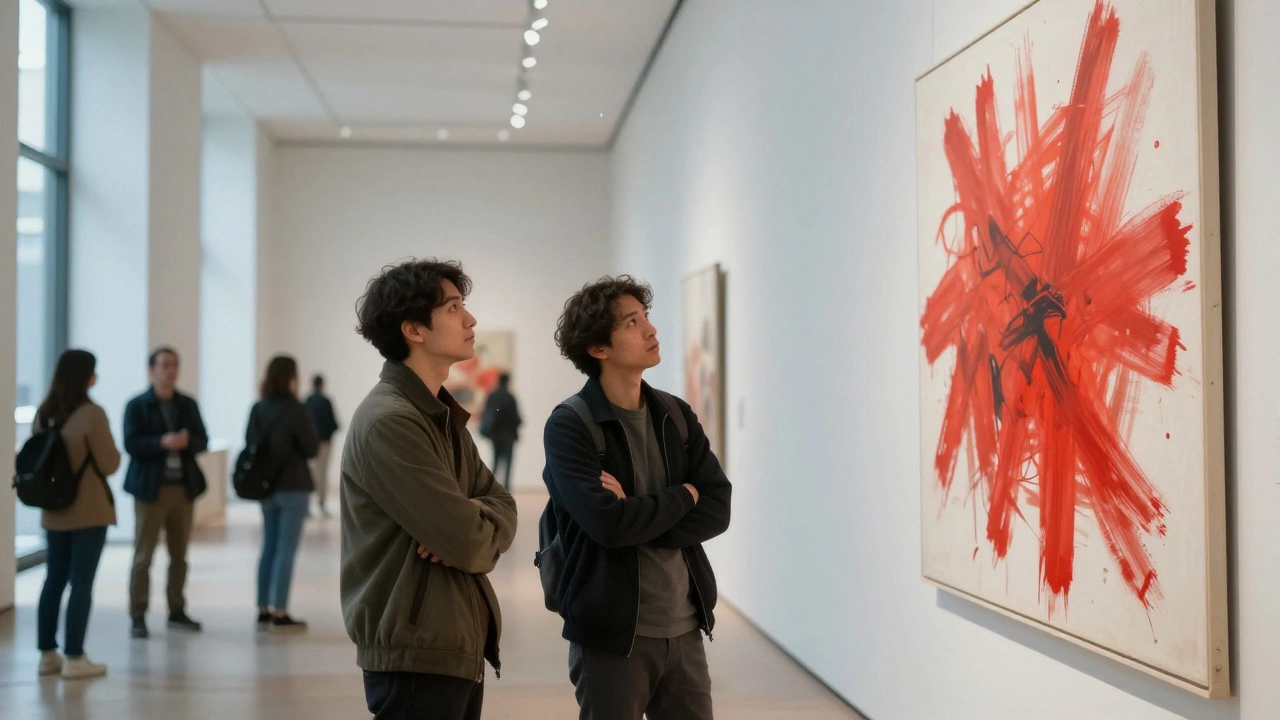
What is Modern Art? A Guide to Meaning, Movements, and Why It Matters
Explore the core ideas, key movements, and lasting impact of modern art. Learn how to appreciate abstract expressionism, cubism, and more without confusion.
Continue Reading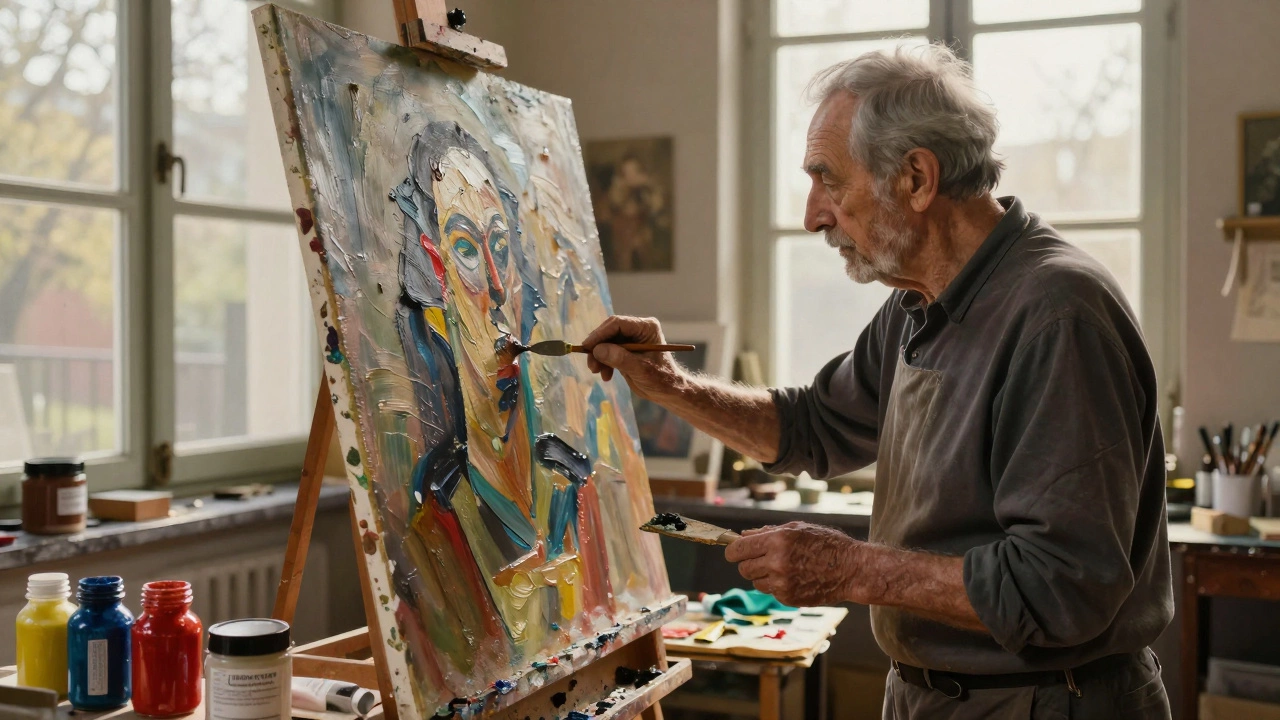
Did Picasso Ever Paint in Acrylic? The Truth About His Mediums
Pablo Picasso did not paint in acrylic. He stuck to oil, gouache, and watercolor. Learn why the timeline and his artistic style made acrylic a poor fit for his work.
Continue Reading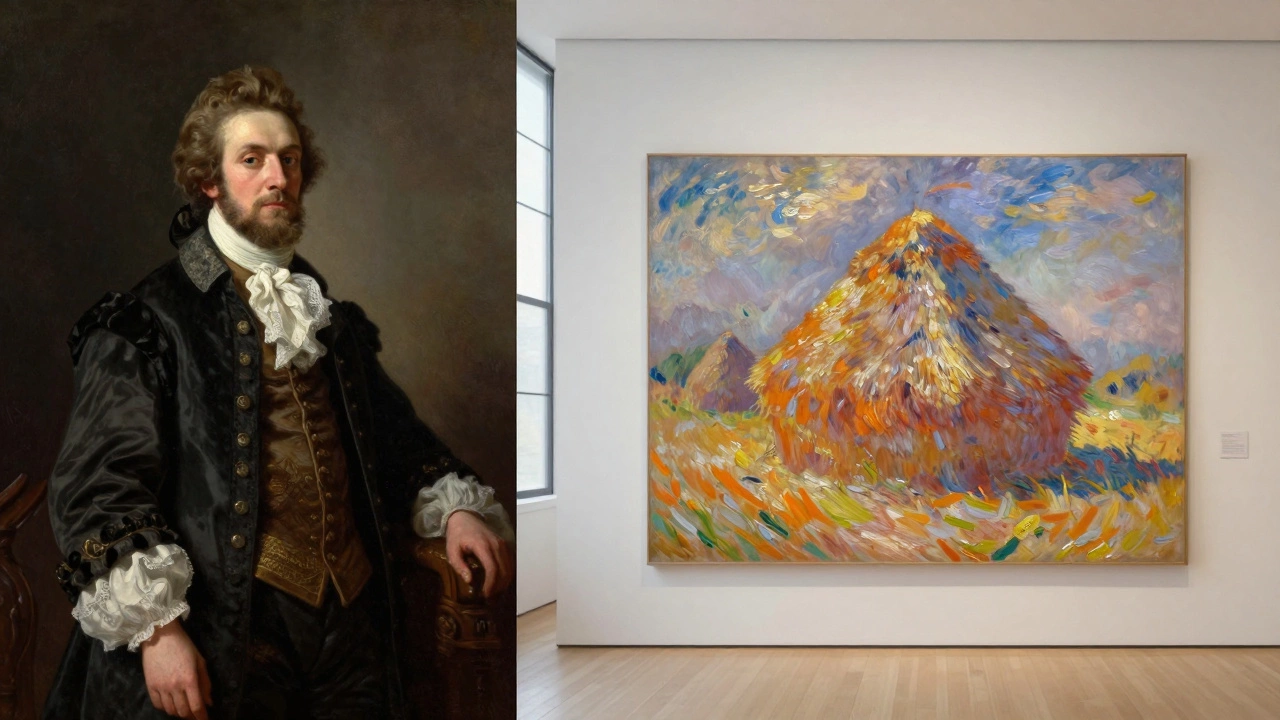
Understanding the Principles of Modern Art: A Simple Guide
Explore the core principles of modern art, from the rise of abstraction to the conceptual rebels of the avant-garde. Learn how to interpret and appreciate modern works.
Continue Reading
What Are the Key Facts About Modern Art?
Modern art broke all the rules of beauty and technique between the 1860s and 1970s. From Picasso's Cubism to Pollock's drips, it redefined creativity, emotion, and perception in visual art.
Continue Reading
What Are the Key Concepts of Modern Art? A Clear Breakdown
Modern art broke rules, embraced emotion, and redefined what art could be. Discover the core ideas behind abstraction, cubism, surrealism, and expressionism-and why they still shape art today.
Continue Reading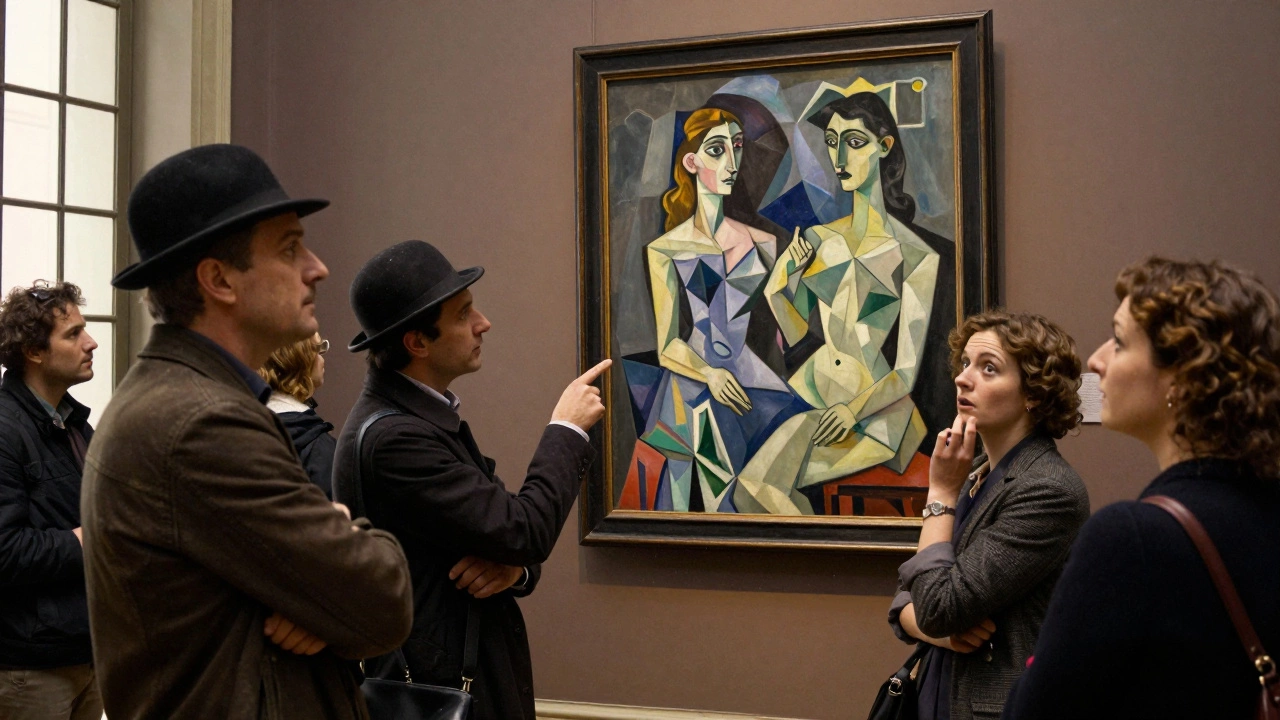
What Falls Under Modern Art? A Clear Guide to Movements, Styles, and Key Examples
Modern art includes movements like Impressionism, Cubism, and Surrealism from 1860 to 1970. It broke from tradition to express emotion, abstraction, and new ways of seeing. Key artists include Picasso, Kandinsky, and Duchamp.
Continue Reading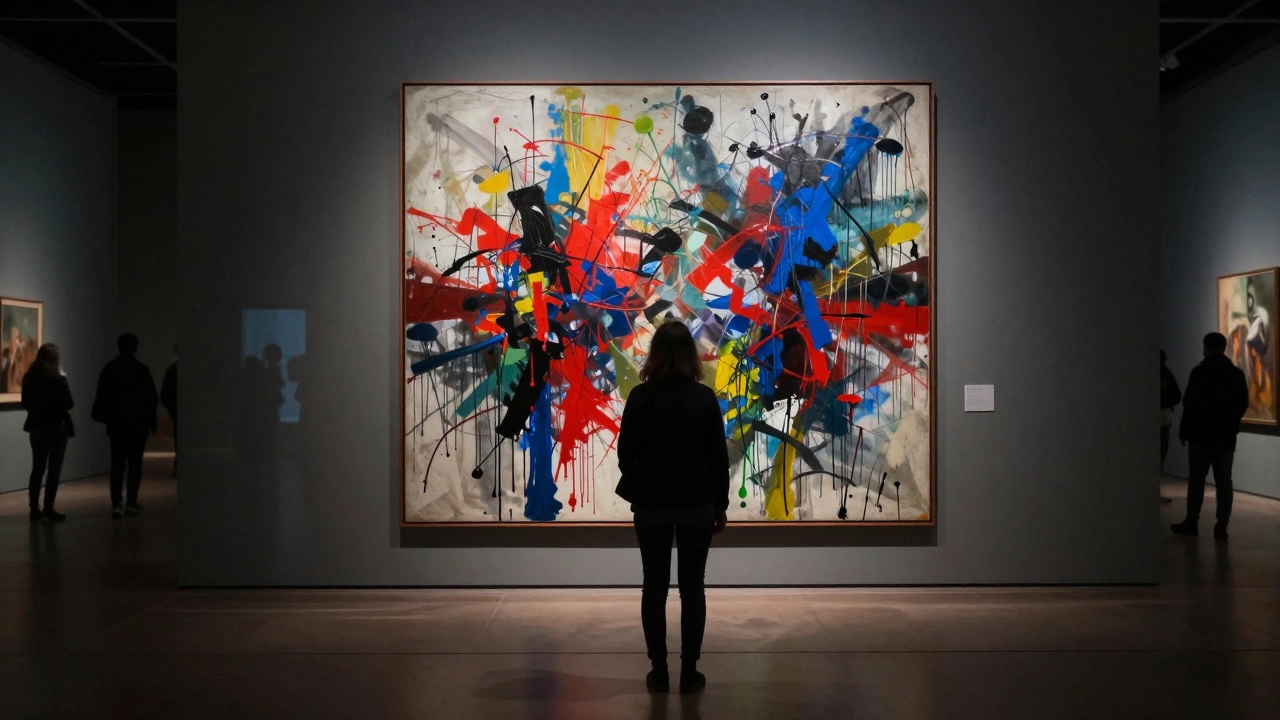
Why Is Modern Art So Hard to Understand?
Modern art isn't meant to be easily understood-it's meant to make you feel, question, and engage. Here's why it feels confusing and how to start connecting with it without needing a degree in art history.
Continue Reading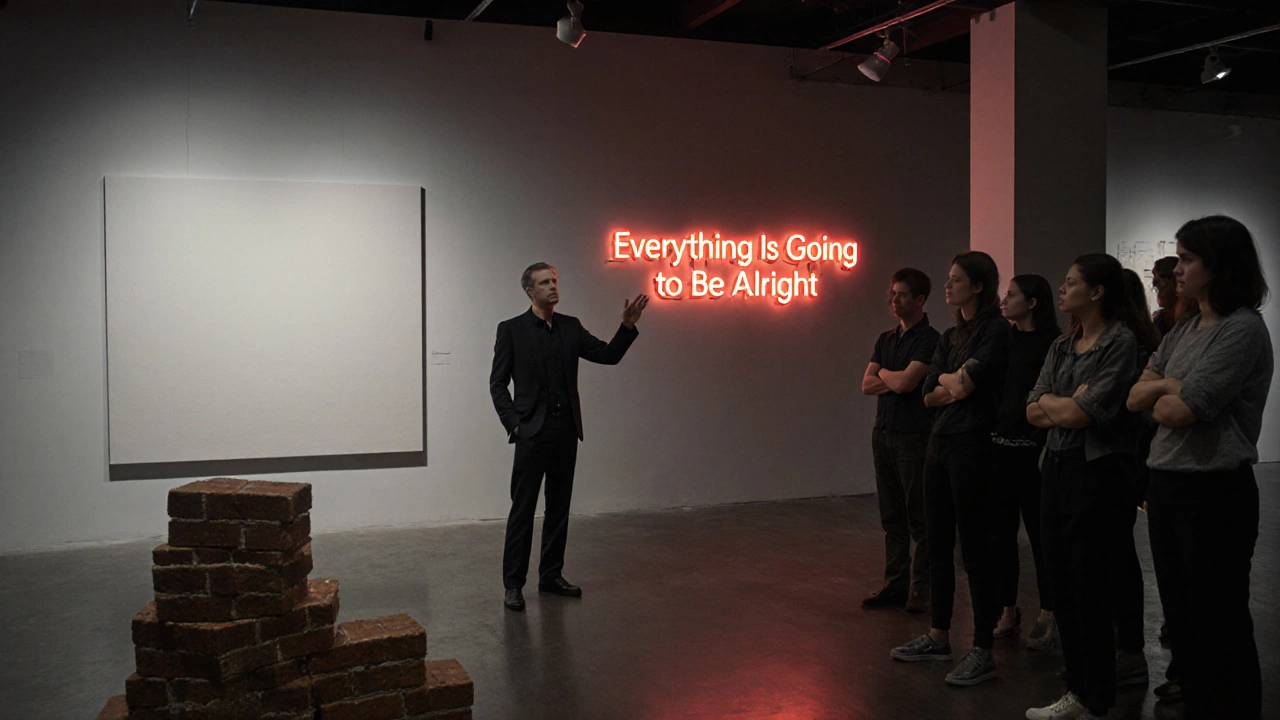
Why Is Modern Art Looked Down Upon? The Real Reasons Behind the Controversy
Modern art is often dismissed as pointless or overpriced, but the real issue is deeper: it challenges our assumptions about skill, value, and meaning. Here’s why it provokes such strong reactions - and what you’re really rejecting when you say you don’t get it.
Continue Reading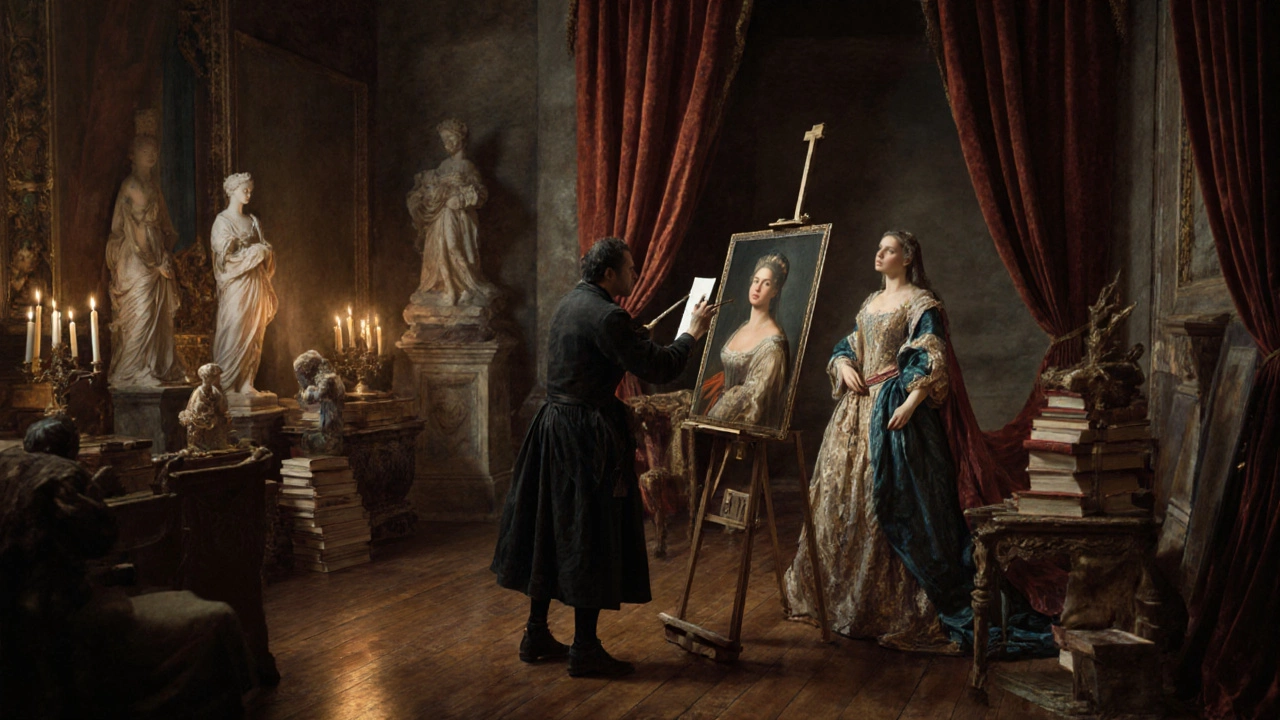
What's the Difference Between Fine Art and Modern Art?
Fine art focuses on technical mastery and realistic representation, while modern art breaks rules to express emotion and ideas. Learn how these two major art categories differ in history, purpose, and style.
Continue ReadingCategories
Most popular
-
-
-

-
 Why Modern Art Captures Us Feb 14 2025
 -