Modern Art Movement Identifier
Discover which modern art movement your artwork might belong to based on its characteristics. This tool helps you apply what you've learned about modern art movements.
Select characteristics that describe the artwork
Modern art isn’t just paintings with weird shapes or colorful splatters. It’s a radical shift in how artists saw the world-and how they wanted you to see it too. Between the 1860s and the 1970s, artists broke away from centuries of tradition. They stopped trying to copy reality. Instead, they explored emotion, abstraction, speed, technology, and even the unconscious mind. If you’ve ever looked at a piece of modern art and thought, ‘My kid could do that,’ you’re not alone. But the real question isn’t whether it looks easy-it’s why it mattered so much.
What Exactly Counts as Modern Art?
Modern art covers a broad range of styles, but it’s defined by time and intent. It starts around the 1860s, when artists like Édouard Manet began rejecting the rigid rules of the French Academy. It ends around the 1970s, when postmodernism started challenging the very idea of a single, unified art movement. So if a piece was made between 1860 and 1970, and it broke from traditional techniques, it’s likely modern art.
It’s not about how it looks. It’s about what it’s trying to do. Modern artists weren’t just painting flowers or portraits of nobles. They painted factories. They painted dreams. They painted the feeling of being alone in a city. They used bold colors not because they were pretty, but because they were honest.
Major Movements in Modern Art
Modern art didn’t happen all at once. It unfolded in waves, each one reacting to the last. Here are the biggest movements you’ll run into:
- Impressionism (1870s-1890s): Artists like Claude Monet and Pierre-Auguste Renoir painted quick brushstrokes to capture light and movement. They worked outside, not in studios. Their goal? Show how things look in real time, not how they’re supposed to look.
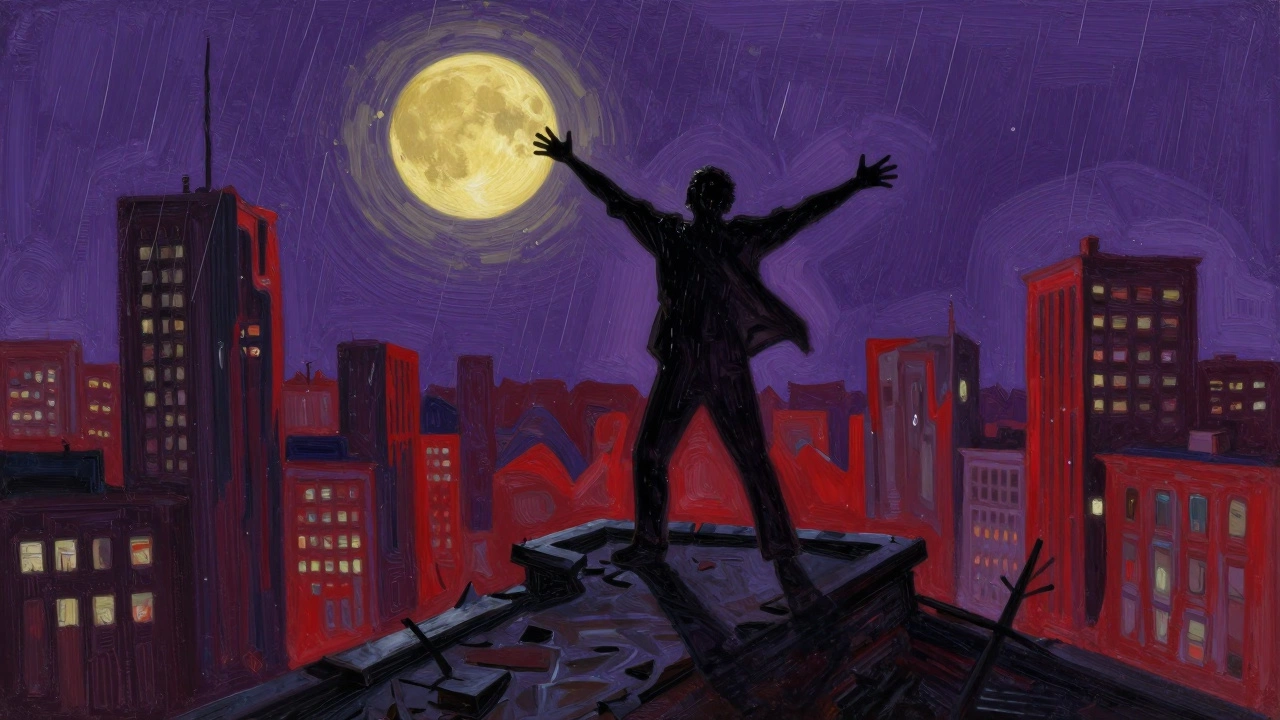
- Post-Impressionism (1880s-1900s): Vincent van Gogh, Paul Cézanne, and Georges Seurat took Impressionism further. Van Gogh used swirling brushwork to show emotion. Cézanne broke forms into geometric shapes. Seurat painted with dots-pointillism-to make color mix in the eye, not on the canvas.
- Fauvism (1900s-1910s): Henri Matisse and André Derain used wild, unnatural colors. A green face? A red tree? Yes. They didn’t care about realism. They cared about feeling. Fauves means ‘wild beasts’-and that’s exactly how critics reacted.
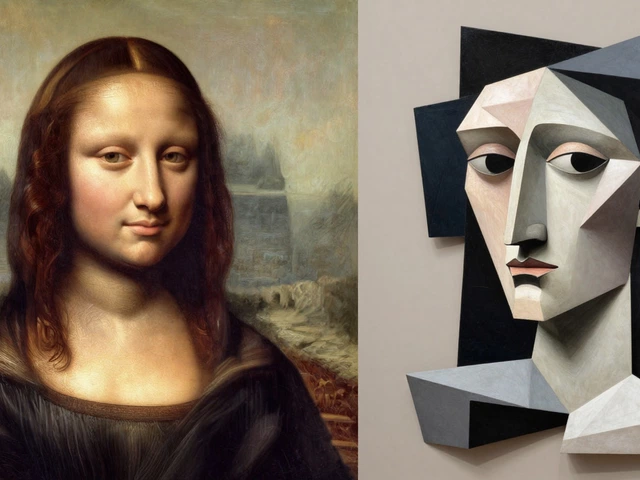
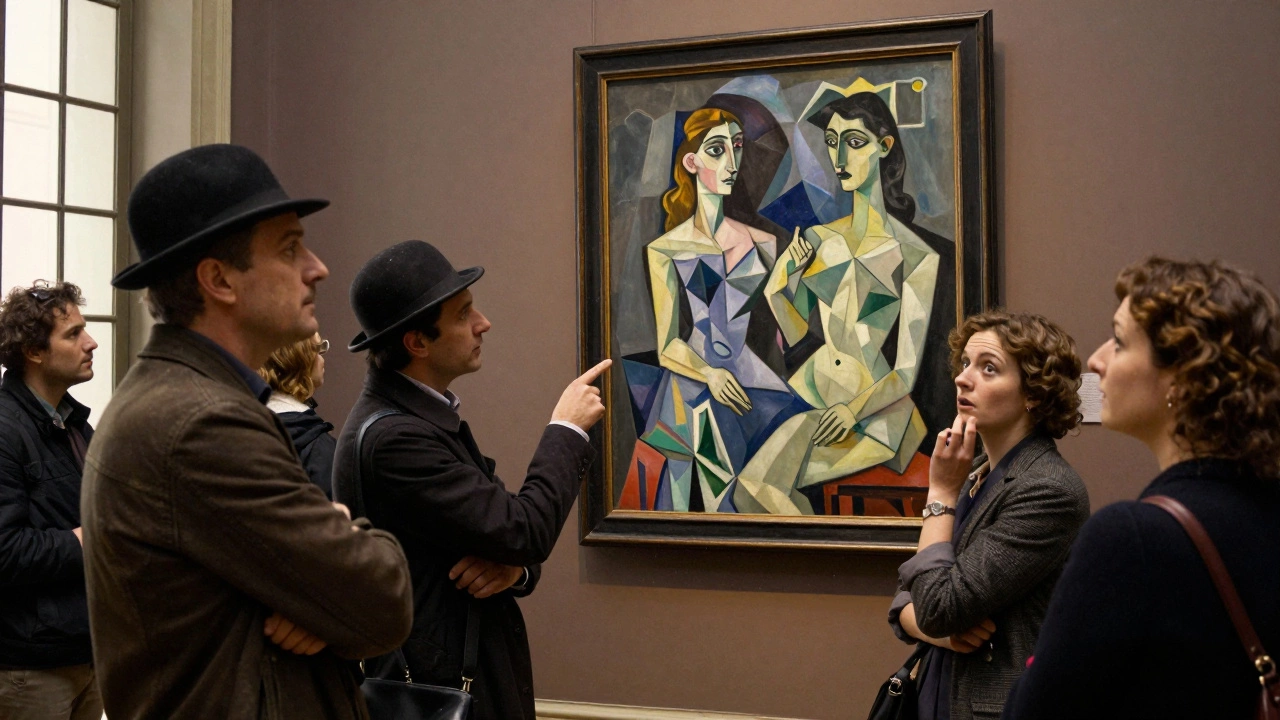
- Cubism (1907-1920s): Pablo Picasso and Georges Braque shattered objects into angles and planes. A guitar wasn’t a guitar anymore-it was a collection of perspectives at once. This wasn’t chaos. It was a new way of seeing space and time.
- Expressionism (1905-1930s): German artists like Ernst Ludwig Kirchner and Edvard Munch distorted forms to show inner turmoil. Munch’s The Scream isn’t just a face-it’s anxiety made visible.
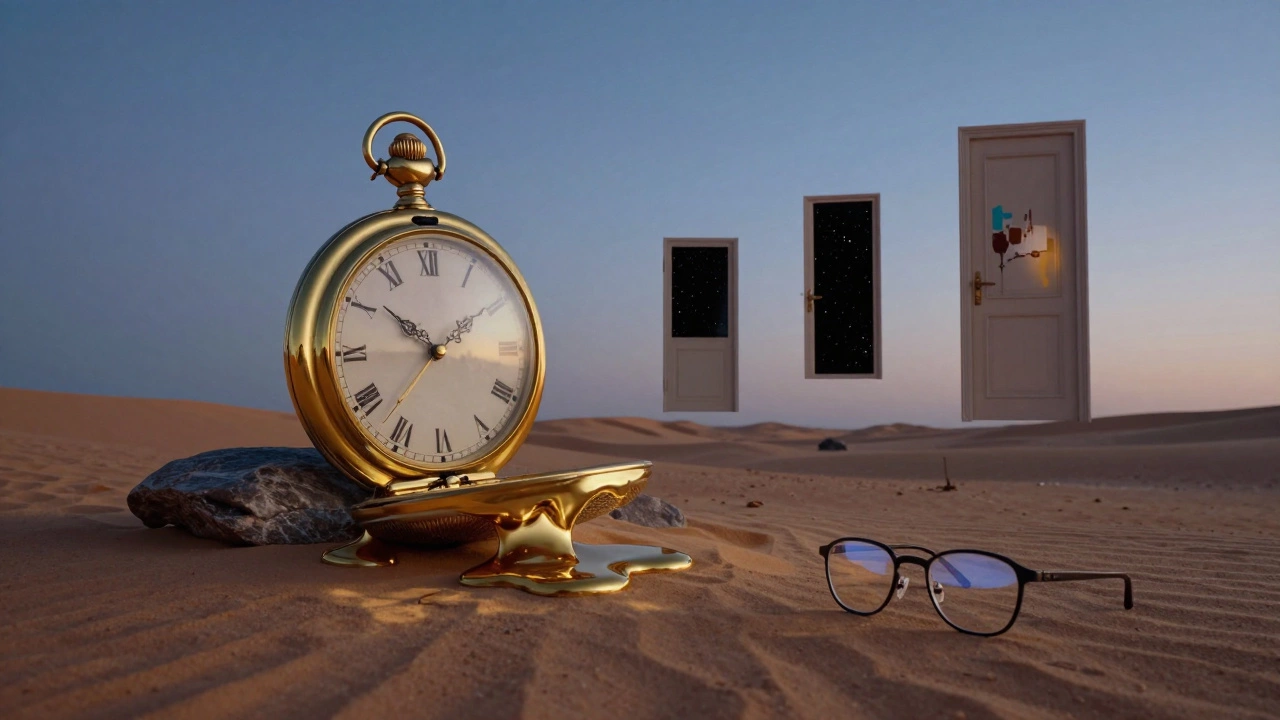
- Surrealism (1920s-1950s): Salvador Dalí, René Magritte, and Max Ernst painted dreams. Melting clocks. Floating rocks. Doors in the sky. They drew from Freud’s ideas about the unconscious. Reality wasn’t enough. They wanted the subconscious.
- Abstract Expressionism (1940s-1960s): Jackson Pollock dripped paint. Mark Rothko painted giant color fields. They didn’t depict anything. The painting itself was the emotion. This movement put New York on the map as the new center of the art world.
What’s Not Modern Art?
Many people confuse modern art with contemporary art. They’re not the same. Contemporary art is what’s being made now-after the 1970s. That includes installations, video art, performance art, and digital pieces. Modern art ended before most of today’s tech existed.
Also, just because something looks strange doesn’t mean it’s modern art. A child’s finger painting? Not modern art. A random spray-painted wall? Maybe street art, but not necessarily modern. Modern art has context. It’s part of a conversation with history, philosophy, and society.
Key Artists and Their Impact
Modern art didn’t happen in a vacuum. These artists changed everything:
- Pablo Picasso didn’t just paint. He rebuilt how we see form. His painting Les Demoiselles d’Avignon (1907) shocked the art world. It broke rules of perspective, anatomy, and beauty. It’s often called the first true modern painting.
- Wassily Kandinsky painted the first purely abstract artwork in 1910. No people. No landscapes. Just color, line, and shape. He believed art should speak to the soul, not the eye.
- Marcel Duchamp turned a urinal into art. His 1917 piece, Fountain, wasn’t made by hand. It was bought, signed, and flipped upside down. He asked: If we say it’s art, is it art? That question still drives the art world today.
- Georgia O’Keeffe painted giant flowers, bones, and desert skies. Her work wasn’t abstract, but it wasn’t realistic either. She made ordinary things feel monumental.
- Yves Klein invented his own blue-International Klein Blue-and painted entire canvases with it. He didn’t care about detail. He cared about presence. One color. One feeling.
Common Materials and Techniques
Modern artists didn’t stick to oil on canvas. They used anything they could get their hands on:
- Collage: Picasso and Braque glued newspaper, fabric, and wallpaper into their paintings. They turned everyday stuff into high art.
- Assemblage: Artists like Robert Rauschenberg combined trash, tools, and stuffed animals into sculptures. Art wasn’t just something you hung on a wall-it could be something you walked around.
- Industrial materials: Steel, glass, plastic, and neon started showing up. Artists like Alexander Calder made mobiles out of wire and sheet metal.
- Non-traditional surfaces: Paint on wood, metal, cardboard, even glass. The canvas wasn’t sacred anymore.
Why Modern Art Still Matters
Modern art wasn’t just about aesthetics. It was a response to a changing world. The Industrial Revolution. World Wars. The rise of psychology. The birth of photography. Artists saw that old rules couldn’t capture this new reality.
Today, you see modern art’s influence everywhere. In movie posters. In fashion. In advertising. In the way we think about creativity. It taught us that art doesn’t have to be beautiful to be powerful. It doesn’t have to be skillful to be meaningful. It just has to be honest.
Walk into any museum today, and you’ll see people standing in front of a Rothko, confused. But then they linger. They start to feel something. That’s the point. Modern art doesn’t explain. It invites.
Where to See Modern Art Today
Major museums hold the largest collections:
- The Museum of Modern Art (MoMA) in New York has over 200,000 pieces, including Picasso’s Guernica and Van Gogh’s The Starry Night.
- The Tate Modern in London focuses on 20th-century works, with massive installations by Warhol and Kandinsky.
- The Centre Pompidou in Paris has the largest collection of modern art in Europe, including Matisse and Duchamp.
- The Guggenheim in New York, with its spiral design, was built by Frank Lloyd Wright to display modern art in a new way.
You don’t need a ticket to a big museum to see it. Many public libraries and universities have small modern art galleries. Even online, you can explore high-res scans of masterpieces from MoMA’s digital archive.
What to Look For
When you stand in front of a modern artwork, ask yourself:
- What emotion does this evoke? Not what it shows-but how it makes you feel.
- What’s missing? Did the artist leave something out on purpose?
- What materials were used? Does that change how you see it?
- When was this made? What was happening in the world then?
There’s no right answer. That’s the point. Modern art isn’t a test. It’s an invitation.
Is modern art the same as contemporary art?
No. Modern art refers to works created between the 1860s and the 1970s. Contemporary art is everything made after that-today’s art. Modern art broke from tradition. Contemporary art questions the idea of tradition itself.
Why do some modern artworks look so simple?
Simplicity is often the point. Artists like Mark Rothko or Kazimir Malevich used minimal forms to focus on emotion, space, or spirituality. A single color field isn’t lazy-it’s intentional. It forces you to look deeper, not just at the image, but at your own reaction to it.
Can modern art be created today?
The style and movement ended in the 1970s, but artists today still draw from it. You can’t make a new ‘modern art’ piece in the historical sense, but you can make art in the spirit of modernism-experimenting, breaking rules, challenging perception. That’s what many artists still do.
Do I need to understand art history to appreciate modern art?
Not at all. You can feel a Rothko without knowing who he was. You can be moved by a Kandinsky without knowing about Theosophy. But knowing the context-like how World War I changed artists’ views-can deepen your experience. It’s like listening to a song: you can enjoy the melody, but knowing the lyrics adds layers.
Why is modern art so expensive?
It’s not just about the paint and canvas. It’s about history, influence, and rarity. A Picasso painting isn’t valuable because it’s pretty. It’s valuable because it changed the course of art. Only a few pieces exist, and collectors compete for them. The price reflects its role in culture, not just its material cost.
Where to Go Next
If you want to keep exploring, look into how modern art influenced design, architecture, and even film. The Bauhaus school fused art with industrial design. Surrealism shaped directors like David Lynch. Abstract Expressionism changed how we think about color in advertising.
Start small. Visit a local gallery. Watch a documentary on YouTube. Pick one artist-maybe Matisse or Pollock-and spend 10 minutes with just one of their pieces. Don’t rush. Let it sit with you. That’s how modern art works. It doesn’t shout. It waits.