Picasso's Medium Analyzer
Check if a claim of "Picasso Acrylic" is historically possible.
-
Drying Time Click to CompareSpeed at which the paint hardens
-
Blendability Click to CompareAbility to mix colors smoothly
-
Texture & Finish Click to CompareVisual and tactile appearance
-
Availability Click to CompareWhen it was available to artists
Select a feature above to see why Picasso preferred Oil over Acrylic.
Explore the physical differences that shaped his artistic legacy.
It is a common misconception that Pablo Picasso was an early adopter of every new artistic material available to him. While he revolutionized modern art through Cubism and surrealism, the question of whether he ever painted in acrylic paint has a surprisingly straightforward answer: no, not in any significant or documented way.
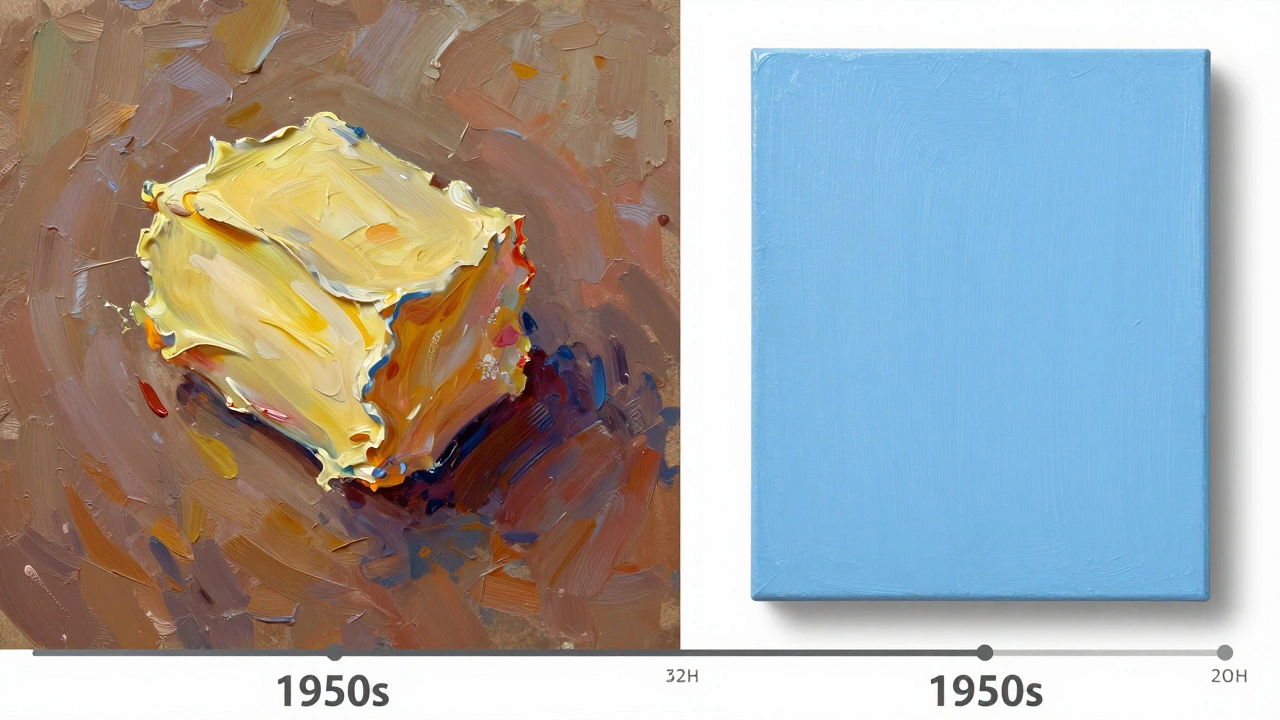
To understand why this matters, you have to look at the timeline of both the artist’s life and the invention of the medium. Acrylic paint is a fast-drying, water-based pigment suspension invented in the 1950s. It became commercially viable for artists around 1963 with the launch of brands like Magna and later Liquitex. Picasso died in August 1973. This leaves a mere ten-year window where acrylic was even available, and during that time, he remained deeply committed to traditional methods.
The Timeline Mismatch: Why Acrylic Was Never His Choice
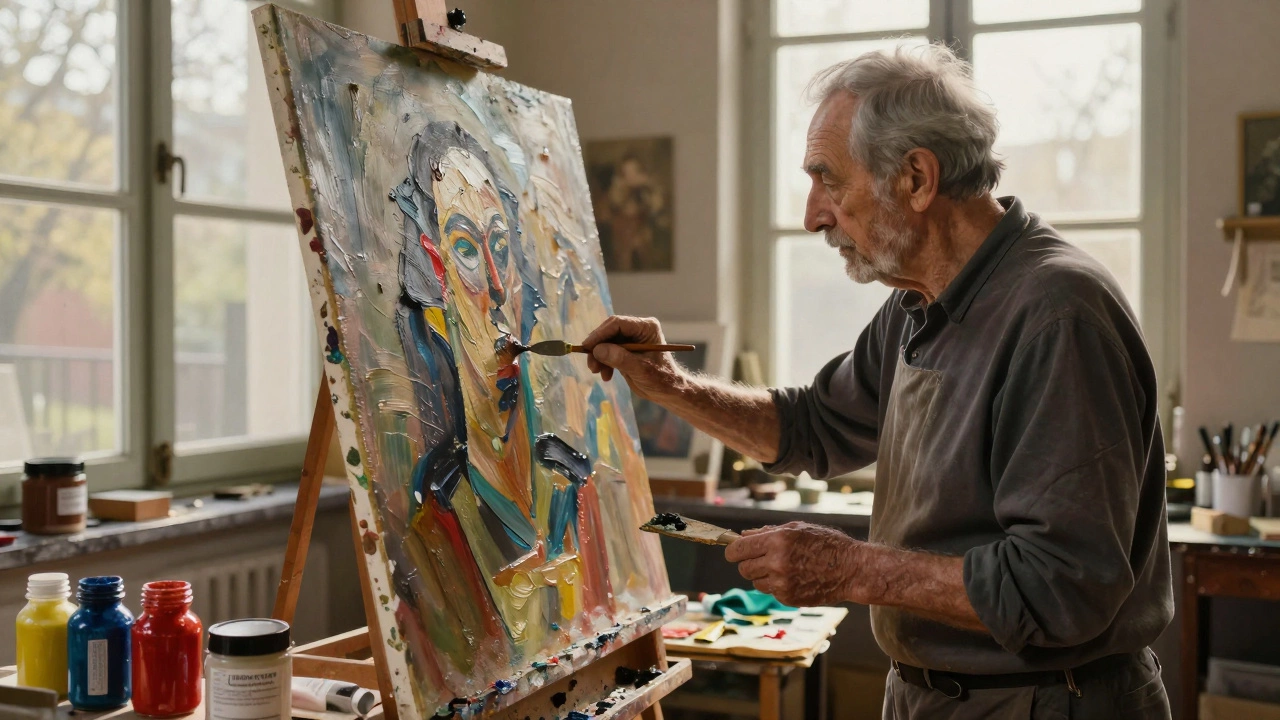
Picasso’s career spanned over seven decades, from his early Blue Period (1901-1904) to his final works in the 1970s. By the time acrylic paint hit the market in the early 1960s, Picasso was already in his eighties. He had spent his entire professional life mastering oil painting, which offers slow drying times, rich texture, and blendability. For an artist who valued the physical act of painting-the thick impasto strokes and the layering of colors-oil provided a tactile experience that acrylic simply could not replicate in the same way.
Consider the context of the 1960s. Artists like Andy Warhol and Roy Lichtenstein were embracing acrylic because it dried quickly and allowed for flat, graphic surfaces suitable for pop art. Picasso, however, was still producing complex, layered compositions. In his late period, he often painted directly on top of previous works, scraping away layers and building up new ones. Oil paint’s slow drying time was essential for this process. Acrylic dries too fast to allow for the kind of reworking Picasso loved.
Furthermore, there is no record in the archives of the Fundació Pilar i Joan Miró or the official Picasso estate records indicating that he purchased or used commercial acrylic paints. His studio assistants, including figures like Claude Raoul, have consistently noted that his palette consisted primarily of oils, pastels, and charcoal.
What Did Picasso Actually Use?
If you are wondering what mediums defined his legacy, the list is quite specific. Understanding these materials helps explain why the idea of him using acrylic feels wrong to art historians.
- Oil on Canvas: This was his primary medium for major paintings. From Les Demoiselles d'Avignon (1907) to his late self-portraits, oil allowed him to create depth and texture.
- Gouache: A water-based opaque paint. Picasso used gouache extensively for its matte finish and ability to be applied in flat blocks of color, particularly in his collage work.
- Watercolor: Often overlooked, watercolor was crucial in his early years and for quick sketches. It offered transparency and fluidity, contrasting with the heaviness of oil.
- Pastel and Charcoal: Used for drawing and preliminary studies. These dry media allowed for rapid expression without the need for solvents or drying time.
- Encaustic: In some experimental phases, he explored wax-based paints, but this was rare compared to his oil usage.
The absence of acrylic in this list is telling. Even when he experimented with mixed media-such as combining newspaper clippings with glue and paint-he relied on traditional adhesives and pigments rather than synthetic polymers.
Why Do People Think He Used Acrylic?
Misconceptions about Picasso’s use of acrylic usually stem from three sources: confusion with other modern artists, the visual similarity of certain textures, and the broad categorization of "modern art" materials.
First, many contemporaries of Picasso did switch to acrylic. Jackson Pollock, Mark Rothko, and Clyfford Still all adopted acrylics in their later careers. Because Picasso is often grouped with these Abstract Expressionists in museum exhibitions, viewers may assume they shared the same toolkit. However, Pollock switched to acrylic because it dried faster, allowing him to work more rapidly. Picasso’s pace was different; he often worked slowly, refining details over weeks.
Second, some of Picasso’s late works have a glossy, vibrant appearance that mimics the sheen of acrylic. But this effect was achieved through varnishing oil paintings, not by changing the base medium. The chemical composition of oil allows for a deep, luminous quality that acrylic struggles to match without special additives.
Third, there is a general trend in popular culture to label any non-traditional or brightly colored artwork as "acrylic." Since Picasso’s style was so radical, people often project modern assumptions onto his work. They see bold colors and assume modern materials, ignoring the historical context of his practice.
The Exception That Proves the Rule: Experimental Materials
While Picasso did not use commercial acrylic paint, he was not immune to experimentation. In the 1960s and 70s, he began working with synthetic resins and industrial adhesives in his collages. These materials share some chemical properties with acrylic binders, such as flexibility and durability.
For example, in his series of Bullfighting prints and drawings, he sometimes used strong glues to attach metal shavings or fabric scraps to paper. This technique required materials that would not crack or yellow over time. While these adhesives might contain acrylic polymers, they were not used as a painting medium in the traditional sense. They served as structural elements, not as colorants.
This distinction is important. Using an acrylic-based glue is not the same as painting with acrylic paint. The former is a technical necessity for mixed media; the latter is an aesthetic choice. Picasso never made that aesthetic choice.
Comparison: Oil vs. Acrylic in Picasso’s Context
| Feature | Oil Paint | Acrylic Paint |
|---|---|---|
| Drying Time | Slow (days to weeks) | Fast (minutes to hours) |
| Blendability | High (smooth gradients) | Low (hard edges unless wetted) |
| Texture | Rich, buttery, holds brushstrokes | Flat, plastic-like, flexible |
| Re-workability | Easy to scrape and repaint | Difficult once dry |
| Historical Availability | Centuries-old tradition | Invented in 1950s |
This table highlights why oil was the natural fit for Picasso’s method. His style relied on the ability to change his mind mid-stroke, to blend colors seamlessly, and to build up thick layers. Acrylic’s fast drying time would have disrupted this workflow. Imagine trying to blend a sunset in acrylic-it dries before you can finish the transition. Oil gives you the luxury of time.
What About His Late Works?
In his final decade, Picasso produced thousands of works, many of them small-scale paintings and drawings. Some critics have suggested that the vibrancy of colors in these pieces indicates a shift to newer materials. However, analysis of his late palette reveals that he continued to use high-quality oil paints, often mixing them with turpentine or linseed oil to adjust consistency.
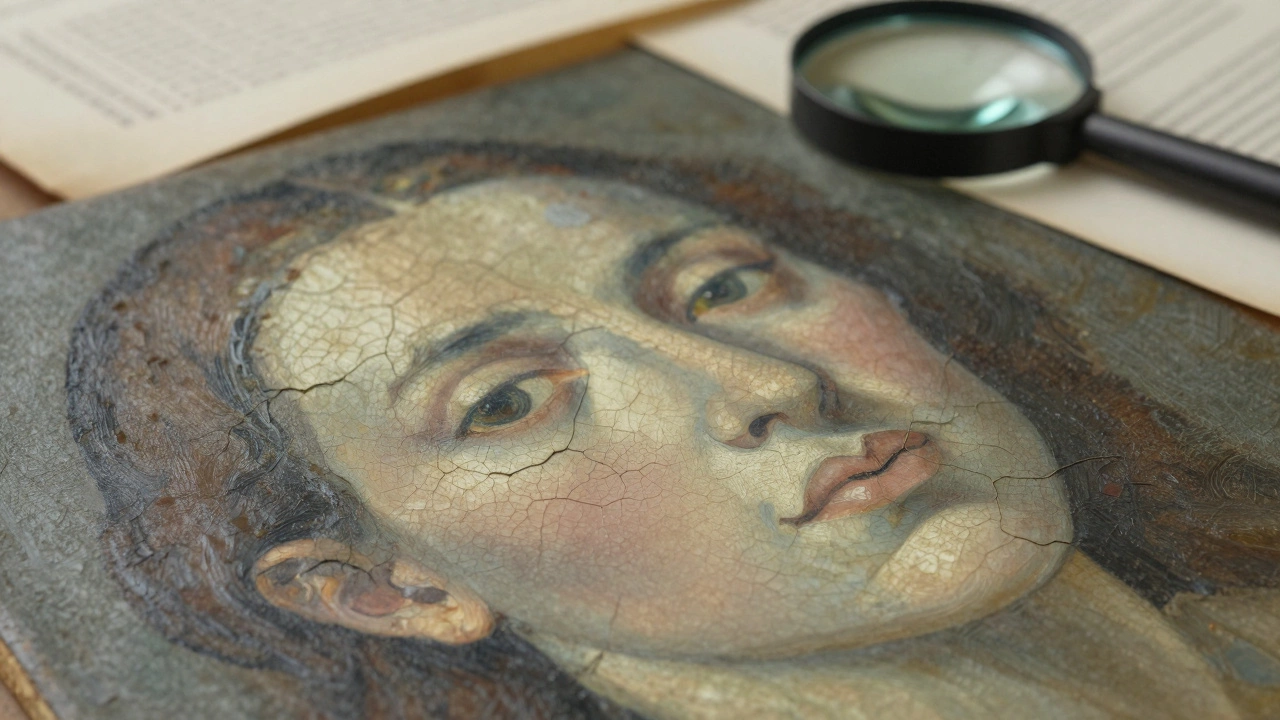
One notable example is his series of Maillol Women (1960-1963), where he reinterpreted sculptures by Aristide Maillol into paintings. These works are characterized by loose, energetic brushwork and bright hues. Yet, close inspection shows the tell-tale signs of oil: subtle cracking patterns, uneven surface texture, and the way light reflects off the impasto. Acrylic tends to sit flatter on the canvas, creating a smoother, more uniform surface.
Additionally, Picasso’s late works often feature heavy outlines and stark contrasts, reminiscent of his earlier Cubist experiments. This stylistic continuity suggests that his material choices remained consistent. He did not abandon his tools just because he was older; instead, he refined his approach within the framework he had established.
How to Identify Fake Claims
If you come across a claim that Picasso used acrylic, here are a few ways to verify its authenticity:
- Check the Date: If the work is dated before 1960, it cannot be acrylic. Acrylic was not commercially available until then.
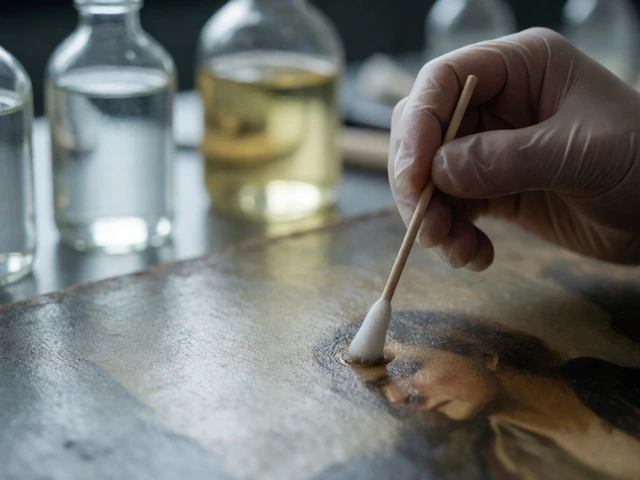
- Examine the Surface: Look for cracks or craquelure. Oil paintings develop fine cracks over time due to the shrinking of the binder. Acrylic remains flexible and rarely cracks in the same way.
- Consult Experts: Refer to catalogs raisonnés published by the Bernard Dorival or official Picasso foundations. These documents list the medium for each authenticated work.
- Analyze the Pigment: Modern scientific testing, such as infrared reflectography, can reveal the underlying layers and binders used. Most studies confirm oil as the primary medium.
These steps help separate fact from fiction. In the world of art authentication, provenance and material analysis are key. Without solid evidence, claims about unconventional materials should be treated with skepticism.
The Legacy of Material Choice
Picasso’s refusal to adopt acrylic speaks volumes about his artistic philosophy. He believed that the medium should serve the vision, not dictate it. For him, oil was not just a tool; it was a partner in creation. Its limitations-slow drying, messy cleanup-were part of the challenge that made the process rewarding.
In contrast, acrylic was marketed as a convenient alternative, designed for speed and ease. While this appealed to younger artists seeking efficiency, it held little allure for a master who had spent a lifetime perfecting his craft with traditional materials. Picasso’s commitment to oil underscores his dedication to the physicality of painting, a quality that continues to inspire generations of artists today.
So, the next time you see a vibrant Picasso painting, remember: behind those bold colors lies the enduring power of oil, not the convenience of acrylic. His legacy is built on centuries-old traditions, adapted with revolutionary spirit-but never abandoned.
Did Picasso ever try acrylic paint?
There is no credible evidence that Pablo Picasso ever used commercial acrylic paint. He died in 1973, only ten years after acrylic became widely available, and throughout his life, he remained loyal to oil painting, gouache, and watercolor.
Why didn't Picasso use acrylic?
Picasso preferred oil paint because of its slow drying time, which allowed him to blend colors and rework areas easily. Acrylic dries too quickly for the layered, textured style he favored. Additionally, he had mastered oil techniques over decades and saw no need to switch.
What mediums did Picasso use most frequently?
His primary mediums were oil on canvas, gouache, watercolor, pastel, and charcoal. He also used encaustic (wax-based paint) occasionally and incorporated industrial adhesives in his collages, but these were not painting mediums in the traditional sense.
Can you tell if a Picasso painting is oil or acrylic?
Yes. Oil paintings typically show fine cracks (craquelure) over time and have a deeper, more luminous surface. Acrylic paintings remain flexible and smooth. Scientific tests like infrared reflectography can also identify the binder used in the paint.
When was acrylic paint invented?
Acrylic paint was developed in the 1950s and became commercially available to artists around 1963. Brands like Magna and Liquitex pioneered the market, making it accessible for widespread use in the 1960s and 70s.