Art Print Value & Investment Calculator
Walking into an empty room and deciding what goes on the walls is less about decoration and more about identity. You are curating your environment. For many people, the idea of buying original paintings feels intimidating-both financially and socially. But collecting art prints offers a different path. It is accessible, diverse, and deeply personal. Whether you are drawn to the bold lines of mid-century modern posters or the intricate details of contemporary digital illustrations, starting a collection is easier than you think.
The key is not to buy everything that looks nice. It is to build a narrative. Your home should tell a story through its visuals. This guide will help you navigate the terminology, understand the value, and make smart purchases that stand the test of time.
Understanding the Types of Art Prints
Before you spend any money, you need to know what you are actually buying. The term "print" is often used loosely, but in the art world, it carries specific meanings regarding quality and scarcity. Confusing these terms can lead to buyer’s remorse when you realize your "limited edition" poster is actually mass-produced.
| Type | Production Method | Quality & Longevity | Typical Price Range |
|---|---|---|---|
| Giclée Print | High-end inkjet printer using archival pigment inks on premium paper or canvas. | Museum-grade color accuracy; lasts 75+ years if stored properly. | $100 - $500+ |
| Lithograph | Traditional stone or metal plate process; chemical transfer of image. | High detail; traditional method valued by collectors. | $200 - $1,000+ |
| Serigraph (Silk Screen) | Ink pushed through a mesh screen; each color layer is applied separately. | Vibrant colors, tactile texture; durable. | $150 - $800+ |
| Open Edition Poster | Mass commercial printing (offset or standard digital). | Standard quality; may fade faster; no scarcity value. | $20 - $80 |
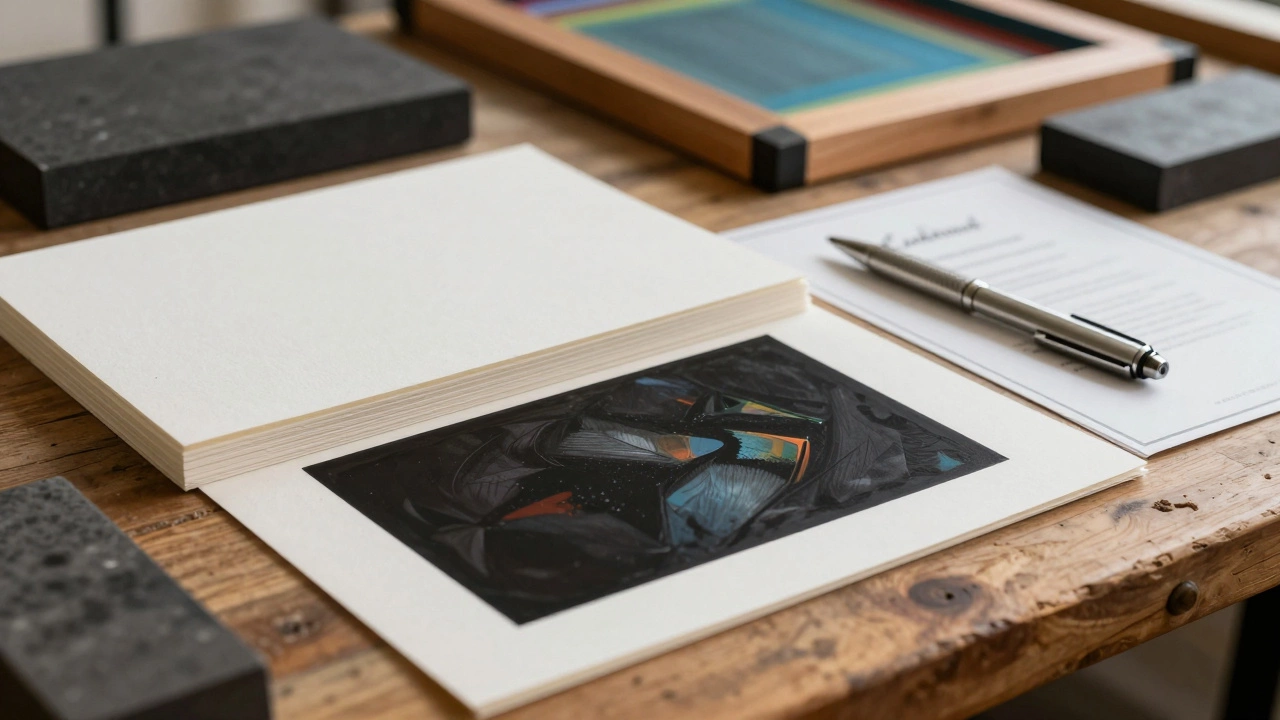
If you are serious about building a collection, focus on Giclée prints. This French-derived word means "squirted," referring to the way ink is sprayed onto the substrate. Unlike standard posters, Giclée prints use lightfast pigments that resist fading for decades. They are printed on heavy cotton rag or alpha-cellulose paper, which feels substantial and holds detail beautifully. If an artist lists their work as a "Giclée on Hahnemühle paper," you are looking at a high-quality product.
Lithographs and Serigraphs are also excellent choices, especially if you appreciate the history of printmaking. Artists like Andy Warhol and Banksy popularized screen printing because it allows for vibrant, flat fields of color that digital printers struggle to replicate. However, for most beginners, Giclée offers the best balance of affordability, quality, and variety.
Deciding Between Limited and Open Editions
This is where the concept of value comes into play. In the art market, scarcity drives price. A limited edition print has a set number of copies produced. Once they are sold out, no more are made. The artist usually signs and numbers each piece (e.g., 15/100), certifying its authenticity.
Why does this matter? Because limited editions hold their value better. If you buy a signed limited edition from an emerging artist today, and they become famous in five years, that print could be worth significantly more. It is a small investment with potential upside. More importantly, it feels exclusive. You own one of only 100 pieces worldwide.
On the other hand, open edition prints are available indefinitely. Think of them like books. You can buy a copy of "Harry Potter" anytime. These are perfect for decorating a rental apartment, testing your style, or supporting artists you love without worrying about resale value. There is no shame in buying open editions; they are simply a different category. Just don’t confuse them with collectible assets.
As a beginner, I recommend a mix. Start with open editions to fill large spaces and experiment with layouts. Then, invest in limited editions for the pieces that truly resonate with you emotionally. These are the anchors of your collection.
Where to Find Quality Art Prints
The internet has democratized access to art, but it has also created noise. Knowing where to look saves you time and money. Here are the three main avenues:
- Artist Websites & Social Media: Many independent artists sell directly through platforms like Shopify, BigCartel, or Instagram. Buying direct ensures the artist gets the majority of the profit. Look for artists who share their studio process. Transparency builds trust.
- Online Marketplaces: Sites like Saatchi Art, Artsy, and Etsy aggregate thousands of sellers. Saatchi Art is particularly good for finding professional-grade Giclée prints from established galleries. Etsy is great for unique, handmade serigraphs or vintage finds, but quality varies wildly. Always check reviews and seller ratings.
- Local Galleries & Art Fairs: Don’t underestimate the power of seeing art in person. Colors on a screen can be misleading due to calibration differences. Visiting local art fairs in Wellington or Auckland allows you to touch the paper, see the frame depth, and talk to the artist face-to-face. Relationships matter in collecting.
A pro tip: Follow artists whose style you admire on social media before buying. See how they engage with their audience. Do they respond to comments? Do they post about new drops? An active community often signals a sustainable career, which bodes well for the longevity of their work.
Budgeting and Smart Purchasing Strategies
You do not need a fortune to start collecting. In fact, some of the best collections grow slowly over years. Set a realistic budget. Maybe it’s $50 a month, or maybe it’s $500 once a year. Consistency beats sporadic splurges.
Consider the "cost per view." If you buy a $300 print that you hang in a hallway you walk through every day, the cost per glance is negligible. If you buy a $50 poster that ends up leaning against a wall in a closet, it was a waste. Prioritize pieces that evoke emotion. Does it make you smile? Does it calm you down? Does it spark curiosity? That emotional connection is the primary value of art.
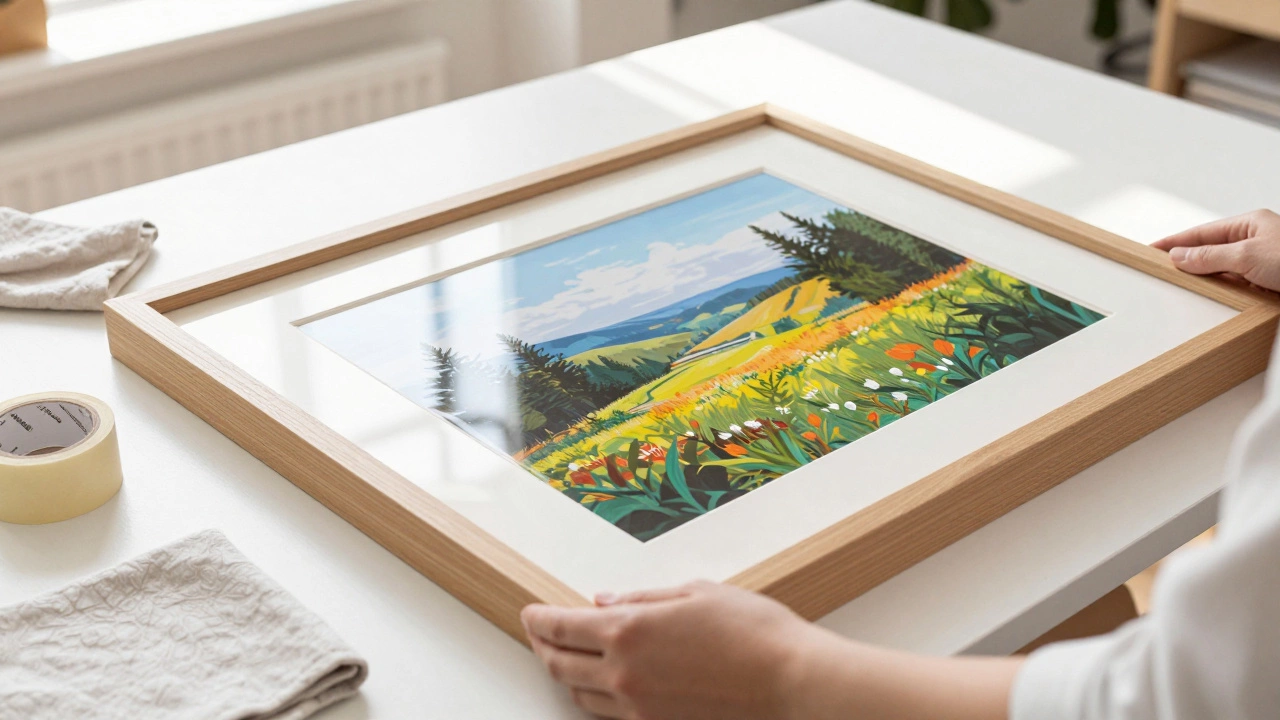
Also, watch out for hidden costs. Framing can double the price of a print. Budget for framing early. You can save money by buying frames from hardware stores and hiring a local framer to insert the glass and backing, rather than buying pre-made expensive frames. Acid-free matting is non-negotiable if you want the print to last. Cheap mats contain lignin, which turns yellow and eats away at the paper over time.
Curation: Building a Cohesive Look
Collecting isn’t just about buying; it’s about arranging. A common mistake beginners make is buying random pieces that clash. To avoid a chaotic look, establish a loose theme or palette.
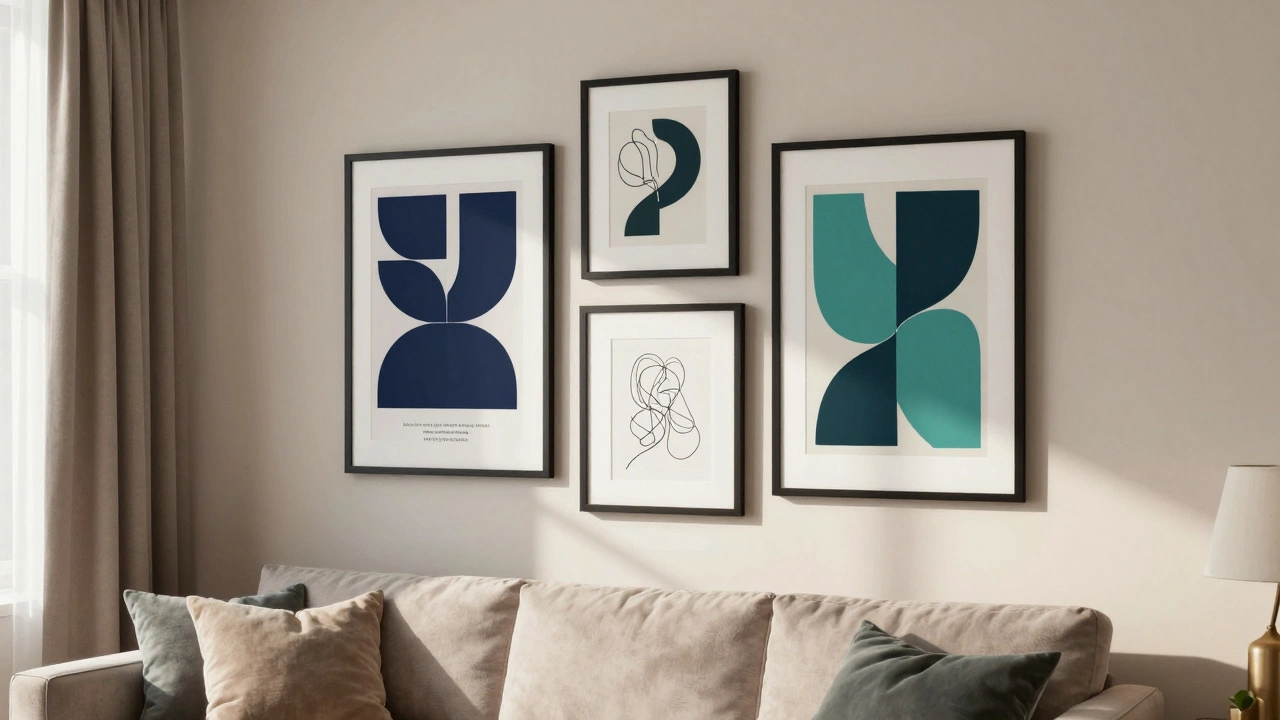
You don’t need everything to match perfectly, but there should be visual threads connecting the pieces. Perhaps you love blue tones, so you choose prints that feature navy, sky blue, or teal. Or maybe you prefer black-and-white photography mixed with line drawings. Consistency in framing also helps. Using the same frame style (e.g., simple black wood) across different sizes creates unity, even if the artworks themselves are very different.
Think about scale. Large walls need large statements. A tiny print lost on a huge wall looks accidental. Conversely, a cluster of small prints can create an impactful gallery wall. Measure your space before you buy. Use painter’s tape to outline the dimensions on the wall. Step back. Does it feel right?
Lighting is another critical factor. UV rays from windows are the enemy of art prints. Even archival inks will fade under direct sunlight over years. Hang prints away from direct sun exposure, or use UV-protective glass in your frames. It adds a slight reflection, but it preserves your investment.
Common Pitfalls to Avoid
Even seasoned collectors make mistakes. Here are a few traps to sidestep:
- Buying Impulsively: Wait 48 hours before purchasing. If you still love it after two days, buy it. If the feeling fades, skip it. This prevents clutter and regret.
- Ignoring Condition Reports: When buying vintage or second-hand prints, ask for high-resolution photos of the corners and edges. Check for foxing (brown spots caused by mold), tears, or previous repairs.
- Focusing Only on Price: The cheapest option isn’t always the best value. A poorly printed poster might look great today but fade and crack in five years. Investing slightly more in quality pays off in longevity.
- Neglecting Documentation: Keep records of your purchases. Save receipts, certificates of authenticity, and correspondence with the artist. This documentation is crucial if you ever decide to sell or insure your collection.
Remember, collecting is a journey, not a destination. Your tastes will evolve. What you loved at 25 might not resonate at 35. That’s okay. Sell what no longer speaks to you and replace it with what does. Your home is a living museum of your current self.
What is the difference between a print and a reproduction?
In casual conversation, these terms are often used interchangeably. However, technically, a "reproduction" implies a lower-quality copy of an original work, often mass-produced. A "print" can refer to both high-quality artistic processes (like lithography) and digital reproductions. The key distinction lies in the production method and intent. High-end Giclée prints are considered fine art reproductions because they capture the original’s detail and color with archival materials, whereas cheap poster reproductions lack this fidelity and longevity.
Do art prints increase in value?
Limited edition prints, especially those signed by the artist, have the potential to increase in value if the artist’s reputation grows. Open edition prints generally do not appreciate in monetary value because they are not scarce. While some rare vintage posters or iconic works by deceased artists can skyrocket in price, you should primarily buy art for personal enjoyment. Any financial gain should be viewed as a bonus, not a guarantee.
How do I authenticate a limited edition print?
Authenticity is usually verified through a Certificate of Authenticity (COA). This document should include the artist’s name, the title of the work, the edition size (e.g., 50/100), the date of creation, and the artist’s signature. Some artists also sign the print itself. If buying from a secondary market like eBay or Etsy, ask the seller for clear photos of the COA and the signature. Reputable galleries always provide this documentation.
Should I frame my art prints immediately?
Yes, framing protects your investment. Exposure to dust, humidity, and physical handling can damage unframed prints. Use acid-free mats and backing boards to prevent chemical degradation. UV-protective glass is highly recommended, especially for prints hanging near windows. Proper framing not only preserves the artwork but also enhances its visual impact, making it feel like a finished piece rather than a temporary decoration.
Is it better to buy from the artist directly or a gallery?
Buying directly from the artist supports them most effectively, as they keep nearly 100% of the sale price. It also allows for personal interaction and custom requests. Galleries offer curation and vetting, ensuring a certain level of quality and professionalism. They also handle logistics like shipping and insurance. For emerging artists, direct purchase is ideal. For established names, galleries provide added security and provenance documentation.