Copyright Expiration Calculator
Calculate Copyright Expiration
Enter the year an artist died to determine if their work is in the public domain (in most countries, copyright expires 70 years after the artist's death).
Enter the year the artist died to see if their work is in the public domain.
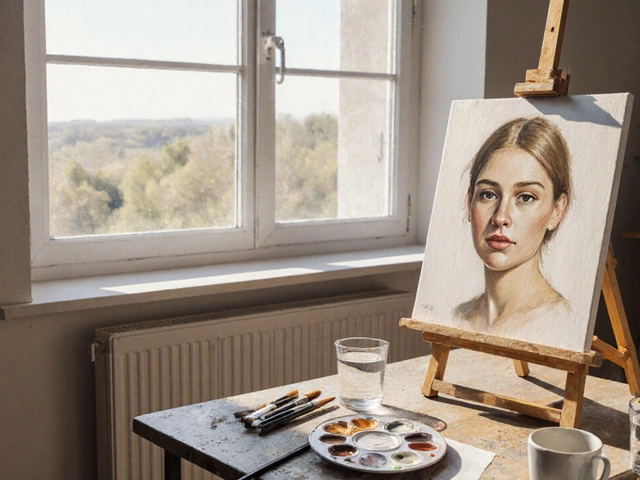
You see a stunning landscape painting online - maybe it’s a Monet water lily, a Georgia O’Keeffe desert flower, or a modern Instagram artist’s sunset over the Southern Alps. You love it. You want to paint it. But then you pause: is it illegal to paint someone else's painting?
The short answer? It depends. Not every copy is theft. Not every imitation is a crime. But many artists, even experienced ones, get this wrong - and end up in legal trouble they never saw coming.
What You’re Really Asking
When you ask if painting someone else’s painting is illegal, you’re really asking three things:
- Can I paint a copy of a famous artwork for my own wall?
- Can I sell a painting I copied from another artist?
- Can I use someone’s composition as a reference without getting sued?
These aren’t the same question. And the law treats them very differently.
Copyright Doesn’t Last Forever
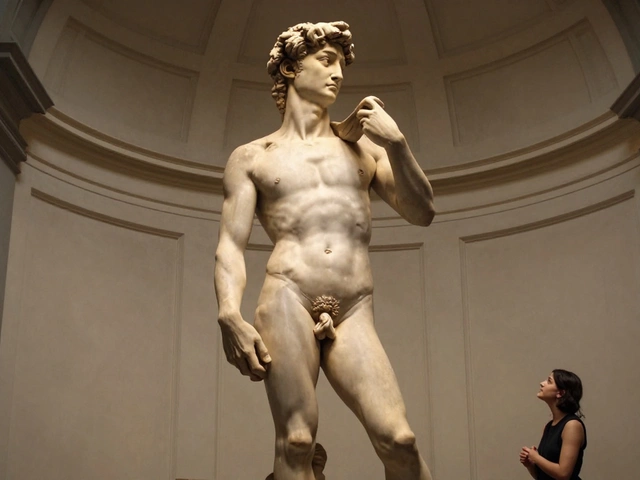
Most people think all art is protected forever. It’s not. Copyright expires. In New Zealand, and in most countries that follow the Berne Convention, copyright lasts for the life of the artist plus 70 years. After that, the work enters the public domain.
That means you can legally paint, sell, or even alter:
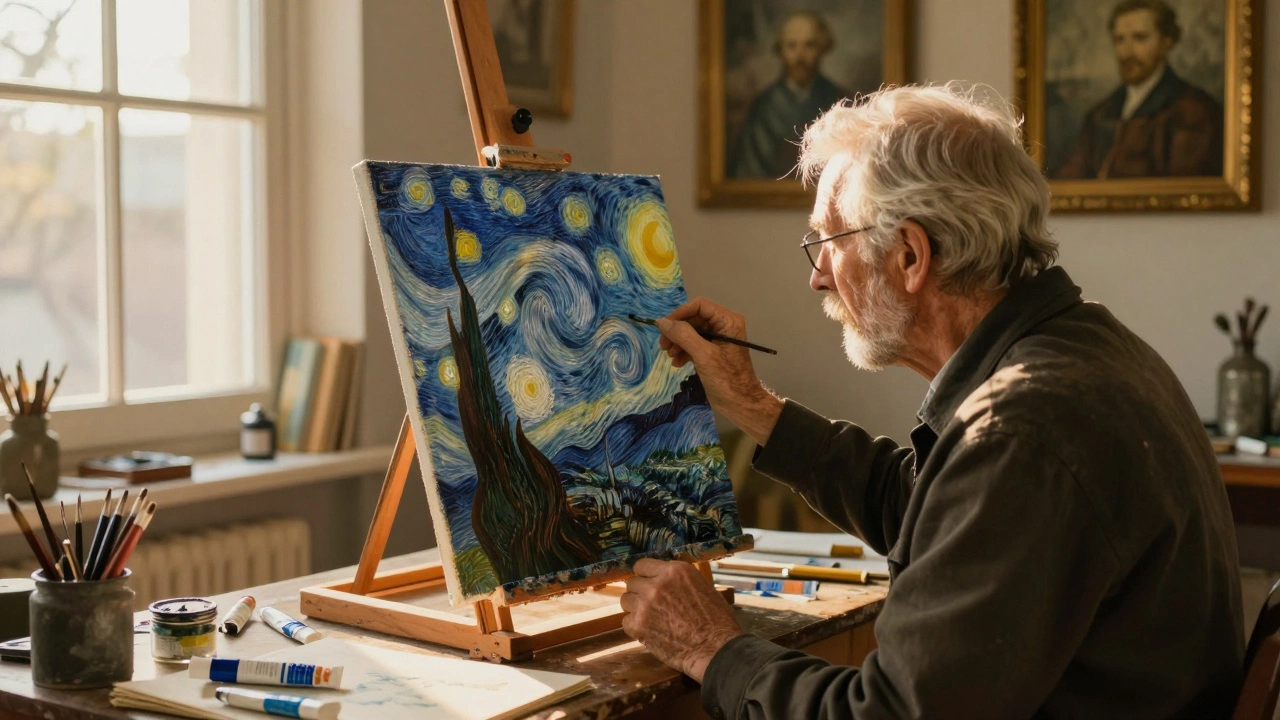
- Van Gogh’s Starry Night (he died in 1890)
- John Constable’s The Hay Wain (1821)
- Winslow Homer’s coastal scenes (he died in 1910)
These are free to use. No permission needed. No royalties. No risk. You can hang your copy in your living room, sell it at a craft fair, or post it online. It’s legal.
But if the artist died in 1985? You’re in the 70-year window. That painting is still protected. Even if it’s on Instagram, Pinterest, or Etsy - copyright hasn’t expired.
Painting for Yourself: The Personal Use Loophole
Can you paint a copy of a living artist’s landscape for your bedroom? Yes. And you probably won’t get sued.
Artists rarely chase down hobbyists who paint a copy for personal use. It’s not worth their time. But that doesn’t make it legal. Copyright law doesn’t care if you’re selling it or just hanging it above your couch. The moment you reproduce the image - even by hand - you’re creating a derivative work. And under copyright law, only the original creator has the right to do that.
So while you might not get caught, you’re still technically violating the law. It’s like borrowing your neighbor’s car to run an errand without asking. You’re not stealing it. But you’re still using it without permission.
Selling Copies: Where It Gets Dangerous
This is where most artists trip up.
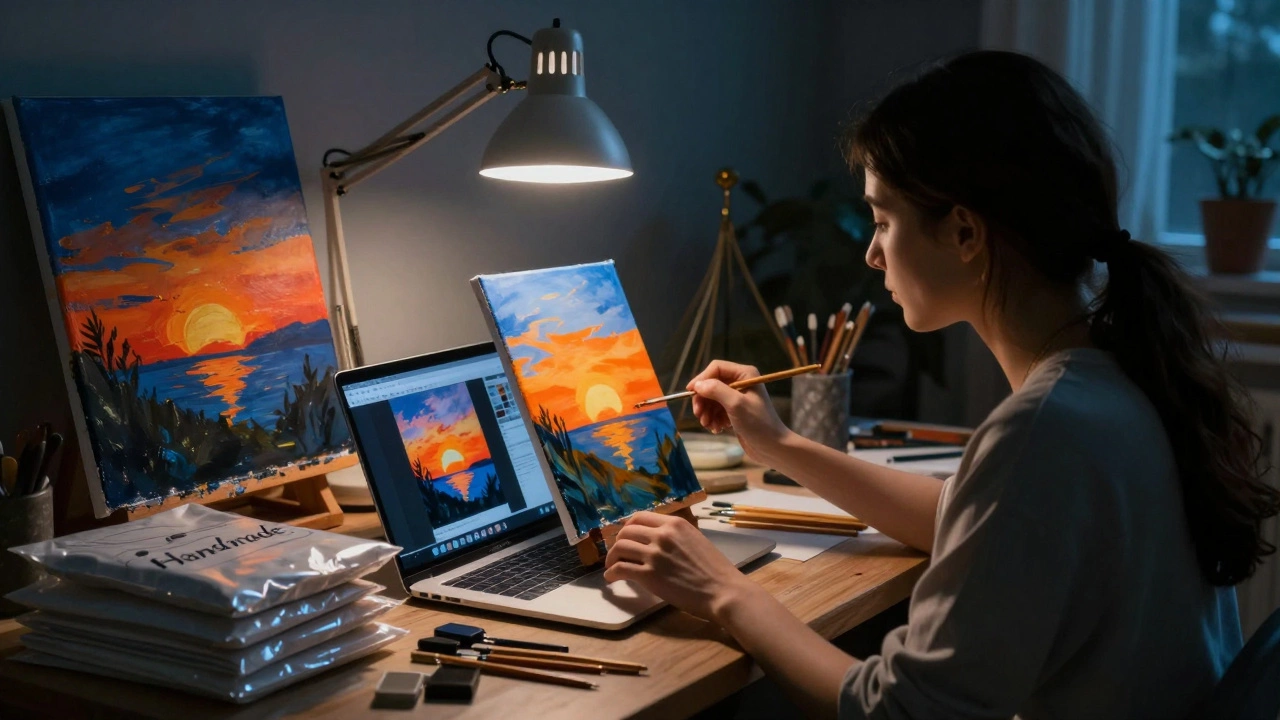
If you paint a copy of a contemporary landscape - say, a photo-realistic painting by a living artist like David Hockney or a popular digital painter like James Gurney - and then sell it on Etsy, at a local market, or on your website, you’re committing copyright infringement.
You’re not just copying the image. You’re profiting from someone else’s creative labor. Courts don’t care if your brushstrokes are different or you changed the color of the sky. If the overall composition, subject, and style are substantially similar, it’s still a copy.
In 2019, a painter in California was sued for selling 300 copies of a landscape by a well-known watercolorist. The original artist had posted it on Instagram. The court ruled: even though the defendant added a tree and changed the clouds, the structure, perspective, and mood were too similar. He paid $45,000 in damages.
That’s not a rare case. Artists are increasingly using reverse image search tools to find copies. And many have legal teams ready to act.
What Counts as a Reference? The Gray Zone
Here’s the line most artists walk: using a photo or painting as a reference.
If you look at a photo of a mountain range, then paint your own version - changing the lighting, the trees, the time of day, the composition - that’s fine. That’s inspiration. That’s how artists learn.
But if you trace the photo. If you copy the exact placement of the clouds. If you replicate the brushwork pattern of the water. If your painting looks like a direct translation - even if you painted it freehand - you’re crossing into infringement.
There’s no magic rule like “change 30% to make it yours.” Courts look at whether an average person would recognize the original work in yours. If yes, you’re in trouble.
How to Paint Like You Mean It - Without Breaking the Law
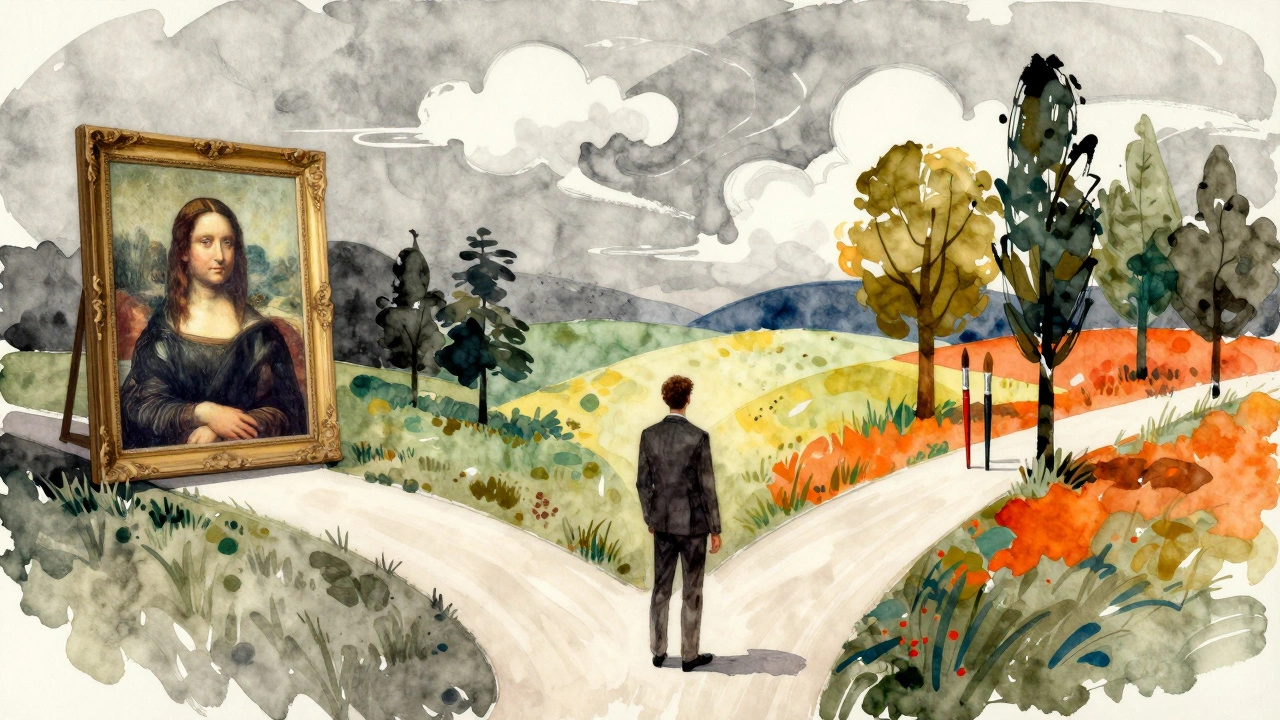
You don’t need to copy to be inspired. Here’s how to learn from others without risking your art career:
- Study, don’t copy. Break down the painting. Why does the light fall that way? How did they create depth? Sketch the composition in your notebook. Then close the reference and paint from memory.
- Use public domain art. The Metropolitan Museum of Art, the British Library, and Wikimedia Commons have thousands of high-res images of works where copyright has expired. Paint those freely.
- Get permission. If you love a living artist’s work and want to make a copy for sale, email them. Many will say yes - especially if you credit them and don’t compete with their own prints.
- Use your own photos. Take your own landscape photos. Paint from them. That’s your original material. No risk.
- Transform it. If you’re inspired by a specific style, make it yours. Change the season. Swap the mountains for a coastline. Add a figure. Flip the perspective. Make it unrecognizable as the original.
What Happens If You Get Caught?
Most artists never face legal action. But when they do, the consequences can be brutal.
Copyright holders can demand:
- Immediate removal of your artwork from all platforms
- Deletion of your social media posts
- Payment of statutory damages (up to $150,000 per work in the U.S., similar amounts in NZ and EU)
- Legal fees - even if you didn’t make a cent from the copy
Platforms like Etsy, Instagram, and Amazon will take down your listings without warning. Your account could be suspended. Your reputation damaged.
And here’s the worst part: you can’t claim ignorance. “I didn’t know it was copyrighted” is not a defense. The law assumes you should know.
What About Art Classes and Workshops?
You’ve probably seen “paint this Monet” workshops. Or YouTube tutorials that say: “Follow along and paint this exact scene.”
Many instructors use public domain works - and that’s fine. But some use copyrighted images without permission. If you’re the student, you’re probably safe. But if you’re the teacher? You’re the one liable.
Art schools and community centers often get away with it because they’re non-profit. But if you’re running a paid class and teaching people to copy a living artist’s work? That’s risky.
Ask yourself: would the original artist be happy if I taught others to copy their work for profit? If the answer is no, don’t do it.
What’s the Real Risk?
The real danger isn’t the law. It’s the loss of your own voice.
Every time you copy someone else’s painting, you’re not learning how to paint. You’re learning how to imitate.
Great artists don’t become great by copying. They become great by observing, experimenting, failing, and finding their own way. The moment you start painting what others have already painted, you stop discovering what only you can see.
That sunset over the Southern Alps? You’ve seen it. But no one else has seen it the way you do. Paint that. Not the one on Instagram. Not the one in the museum. Yours.
Can I paint a famous painting like Van Gogh’s and sell it?
Yes. Van Gogh died in 1890, so his works are in the public domain. You can paint, sell, or modify them without permission. This applies to any artist whose work is over 70 years past their death.
Is it okay to copy a photo I found on Instagram and paint it?
No. Photos on Instagram are protected by copyright, even if the account is public. The photographer or artist owns the rights. Painting a direct copy - even by hand - is infringement. Only use it as inspiration: change the composition, colors, and perspective until it’s clearly your own.
What if I change the colors or add a tree? Is it still illegal?
It depends. Courts look at whether the original work is still recognizable. Changing colors or adding a small detail doesn’t make it original if the structure, lighting, and mood are identical. You need to transform the core elements - the composition, viewpoint, and emotional tone - to avoid infringement.
Can I use someone else’s painting as a reference for my own landscape?
Yes - if you use it to learn, not to replicate. Study how they handled light, texture, or depth. Then close the image and paint your own version based on your memory and experience. The key is transformation: your final piece must feel like it could only have come from you.
Are there legal ways to copy art for sale?
Yes. Use public domain art, get written permission from the copyright holder, or create transformative works that are clearly your own. Some artists license their work for reproduction - check their website for terms. Never assume something is free just because it’s online.