Abstract Art Perception Simulator
This simulator demonstrates the "Accessibility Gap" mentioned in the article. Click or tap on the canvas to generate an abstract composition. Then, try to identify what it represents or how it makes you feel. Notice if you struggle to find a clear subject.
Analysis
...
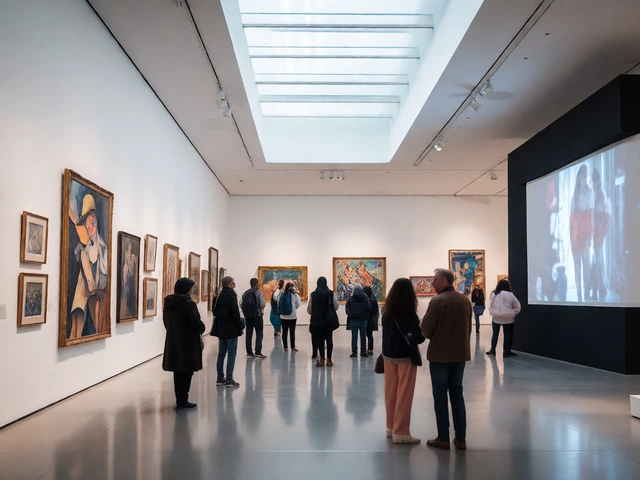
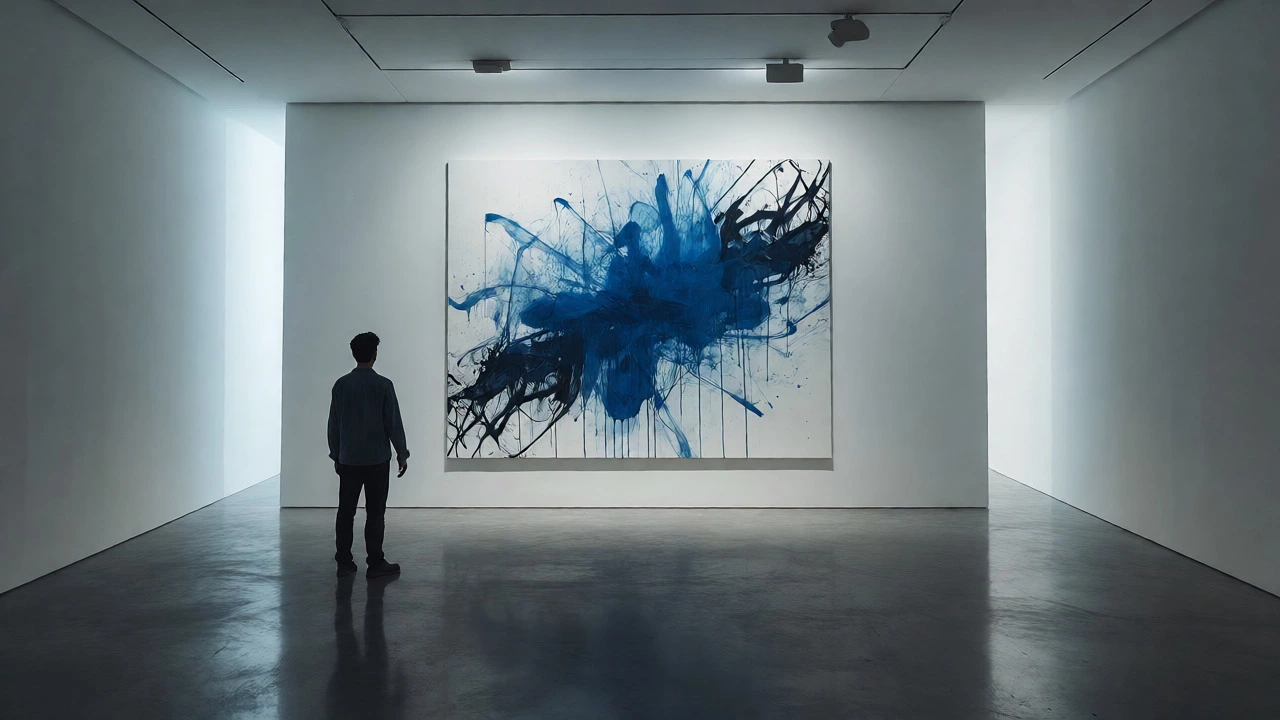
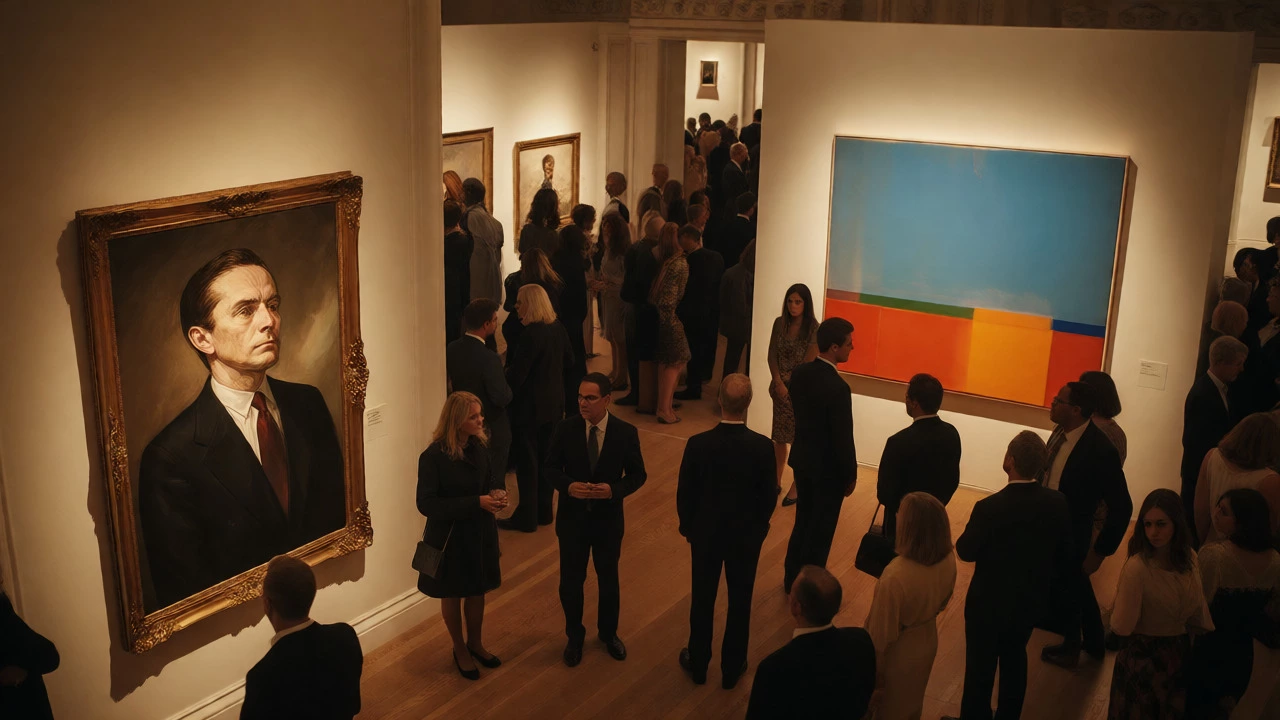
You walk into a gallery. The painting on the wall is just blue smears and jagged black lines. You feel a knot in your stomach. Is it genius? Or did someone just spill coffee and call it a day? This reaction is common, and it points to the core disadvantages of abstract art. While this movement revolutionized how we see the world, it also created a massive barrier between the artist and the audience.
Abstract art isn't just "paintings that don't look like things." It is a deliberate departure from reality, focusing on shapes, colors, and forms rather than recognizable subjects. But this freedom comes at a cost. For many viewers, the lack of a clear subject leads to frustration, exclusion, and even cynicism. If you've ever felt left out of an art conversation because you didn't know what you were looking at, you aren't alone. Let's break down why this style often fails to connect with people, beyond the usual "it's all in the eye of the beholder" excuse.
The Barrier of Accessibility
The biggest complaint against abstract art is its perceived elitism. When a landscape painting shows a tree, everyone understands it. When a canvas shows chaotic red strokes, only those who have studied art theory might feel confident discussing it. This creates an accessibility gap where the artwork becomes a club for insiders.
This isn't just about snobbery; it's about cognitive load. Realistic art provides visual anchors. Your brain quickly processes "that is a horse" or "that is a mountain." Abstract art removes these anchors. Without them, many viewers feel lost. They wonder if they are missing a secret code. This uncertainty can make galleries feel intimidating rather than welcoming. Instead of enjoying the aesthetic experience, visitors spend their time worrying about whether their interpretation is "correct."
- Lack of Visual Anchors: No recognizable objects to ground the viewer's understanding.
- Insider Knowledge Requirement: Viewers often feel they need a degree in art history to appreciate the work.
- Intimidation Factor: Galleries displaying complex abstractions can feel exclusive and unwelcoming to casual observers.
The Crisis of Meaning and Interpretation
If anything goes, does nothing go? This is the central philosophical problem with abstraction. In figurative art, the artist communicates a specific narrative or emotion through recognizable symbols. A skull means death. A dove means peace. In abstract art, the symbols are arbitrary.
This arbitrariness leads to a crisis of meaning. If Artist A paints a yellow circle and says it represents "joy," but Viewer B sees it as "caution," who is right? Both, technically. But this ambiguity can be exhausting. It shifts the burden of meaning-making entirely onto the viewer. Many people simply do not want to work that hard to enjoy a piece of art. They want to be moved, not tested.
Critics argue that this openness can sometimes mask a lack of intent. If the artist doesn't provide context, the artwork risks becoming a Rorschach test for the wealthy. The value is assigned by critics and collectors, not necessarily derived from a shared human experience. This disconnect makes it hard for the average person to feel a genuine emotional connection.

Market Volatility and Value Perception
Let's talk money. Why does a splash of paint sell for millions while a hyper-realistic portrait sells for thousands? The pricing model for abstract art is notoriously opaque. There is no standard metric for skill level in the same way there is for technical realism. How do you measure the difficulty of a Rothko color field versus a detailed Caravaggio?
This subjectivity fuels market volatility. Prices for abstract works can skyrocket based on hype, provenance, and brand recognition rather than inherent visual quality. For collectors, this is risky. For the general public, it breeds skepticism. When you see a $10 million price tag on a canvas that looks like a child's drawing, it feels like a scam. This perception damages trust in the broader art market.
| Feature | Figurative Art | Abstract Art |
|---|---|---|
| Value Metric | Technical skill, likeness, historical accuracy | Conceptual depth, brand reputation, novelty |
| Viewer Effort | Low (immediate recognition) | High (interpretive labor required) |
| Price Stability | Generally stable based on craft | Volatile, driven by trends and speculation |
Emotional Disconnect
We often hear that abstract art evokes pure emotion. But does it? For many, the result is indifference. Human beings are wired to respond to faces, bodies, and landscapes. These triggers activate empathy and memory. A painting of a grieving mother hits home because we recognize grief. A swirl of gray and white ink might evoke mood, but it rarely evokes specific empathy.
This emotional distance is a significant disadvantage. Art has historically served as a mirror for society. Abstract art, by stepping away from representation, steps away from direct social commentary. It becomes internal, personal, and sometimes solipsistic. While this allows for deep introspection for the artist, it can leave the audience feeling cold. You might admire the composition, but you don't feel *seen* by the work.
Repetitive Trends and Lack of Innovation
Once the shock of early abstraction wore off, the genre faced a new problem: repetition. After Kandinsky and Mondari broke the rules, what was left to break? Much contemporary abstract art feels derivative. We see endless variations of minimalism, geometric patterns, and gestural brushstrokes. Because the bar for entry is perceived as low (anyone can paint), the market is flooded with mediocre work.
This saturation makes it harder for truly innovative abstract artists to stand out. When everything looks like "modern art," nothing stands out. Viewers become desensitized. The novelty wears off, leaving behind a sense of déjà vu. If you've seen one abstract expressionist canvas, you've arguably seen them all. This stagnation limits the cultural impact of the movement today.
How to Engage With Abstract Art Anyway
Despite these disadvantages, abstract art still holds power. You just need to change how you approach it. Stop trying to figure out what it "is." Start asking how it makes you feel physically. Does the color make you anxious? Calm? Energized?
- Ignore the Title: Titles often bias our interpretation. Try looking at the work without reading the placard first.
- Focus on Texture and Scale: Stand close. See the brushwork. Step back. Feel the scale. Engage your senses, not just your intellect.
- Accept Ambiguity: You don't need to solve the puzzle. Let the image exist as an object in space.
The disadvantages of abstract art are real. It excludes, confuses, and frustrates. But recognizing these flaws helps us engage with it more honestly. It stops being a test of intelligence and starts being an experiment in perception.
Is abstract art easier to create than realistic art?
Not necessarily. While it lacks the requirement for precise anatomical or perspective skills, it demands a strong grasp of color theory, composition, and balance. Creating something that feels intentional rather than accidental is difficult.
Why do some people hate abstract art?
Many people dislike it because it lacks clear communication. Without recognizable subjects, viewers often feel excluded or unsure if they are interpreting the work correctly. It can also seem pretentious or overpriced compared to traditional art.
Does abstract art have any educational value?
Yes. It teaches viewers to focus on formal elements like line, shape, and color rather than narrative content. It encourages open-ended thinking and challenges rigid definitions of beauty.
Can anyone claim to understand abstract art?
Yes. There is no single "correct" interpretation. Your personal reaction is valid. However, understanding the historical context of movements like Abstract Expressionism can deepen appreciation.
Is abstract art suitable for home decor?
Absolutely. Because it lacks specific imagery, it doesn't clash with other decorative elements. It can set a mood-calm, energetic, or dramatic-without dictating a specific theme.