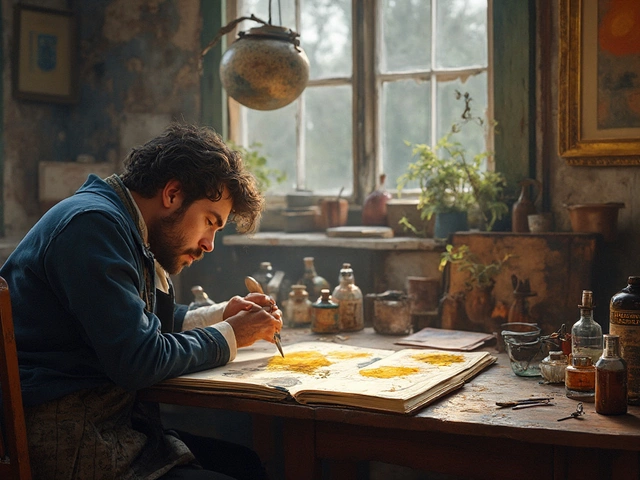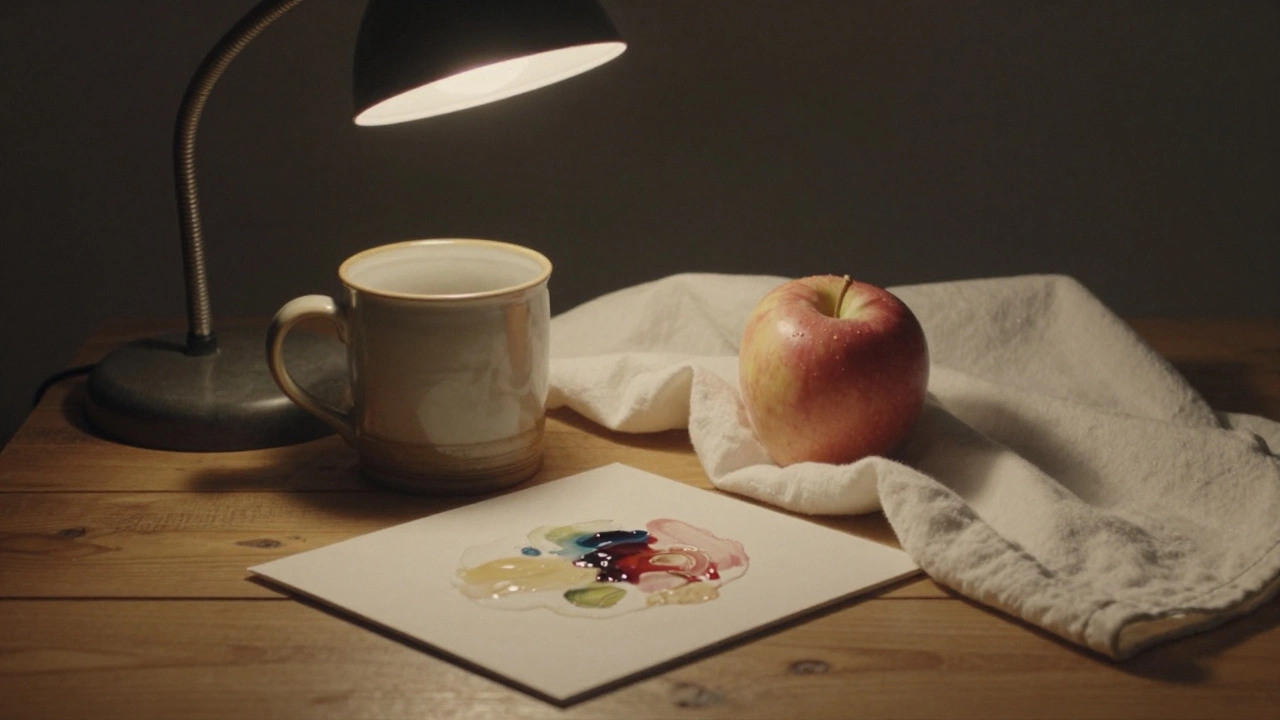
Starting with oil painting can feel overwhelming. The brushes, the smell of linseed oil, the long drying time-it’s enough to make anyone second-guess whether they should even try. But here’s the truth: some things are just easier to paint in oil than others. You don’t need to tackle a portrait or a complex landscape right away. In fact, the easiest thing to paint in oil? A simple still life with three or four everyday objects.
Why Still Life Is the Best Starting Point
Still life painting isn’t just a tradition-it’s a training ground. It gives you control. You set up the scene. You choose the lighting. You decide how long each object stays in place. Unlike painting a person or a moving animal, nothing moves. No one blinks. No cloud shifts across the sky. That’s huge for a beginner.
Think about it: you can paint a single apple on a white cloth under one lamp. That’s it. No background. No extra details. Just shape, shadow, and color. And yet, even that simple setup teaches you everything you need to know about oil painting: how light hits surfaces, how shadows soften, how colors change under different tones. You learn to mix ochre with white to get the warm glow of an apple’s skin. You learn how to blend a soft edge between the shadow and the highlight. You learn patience.
What Objects Work Best?
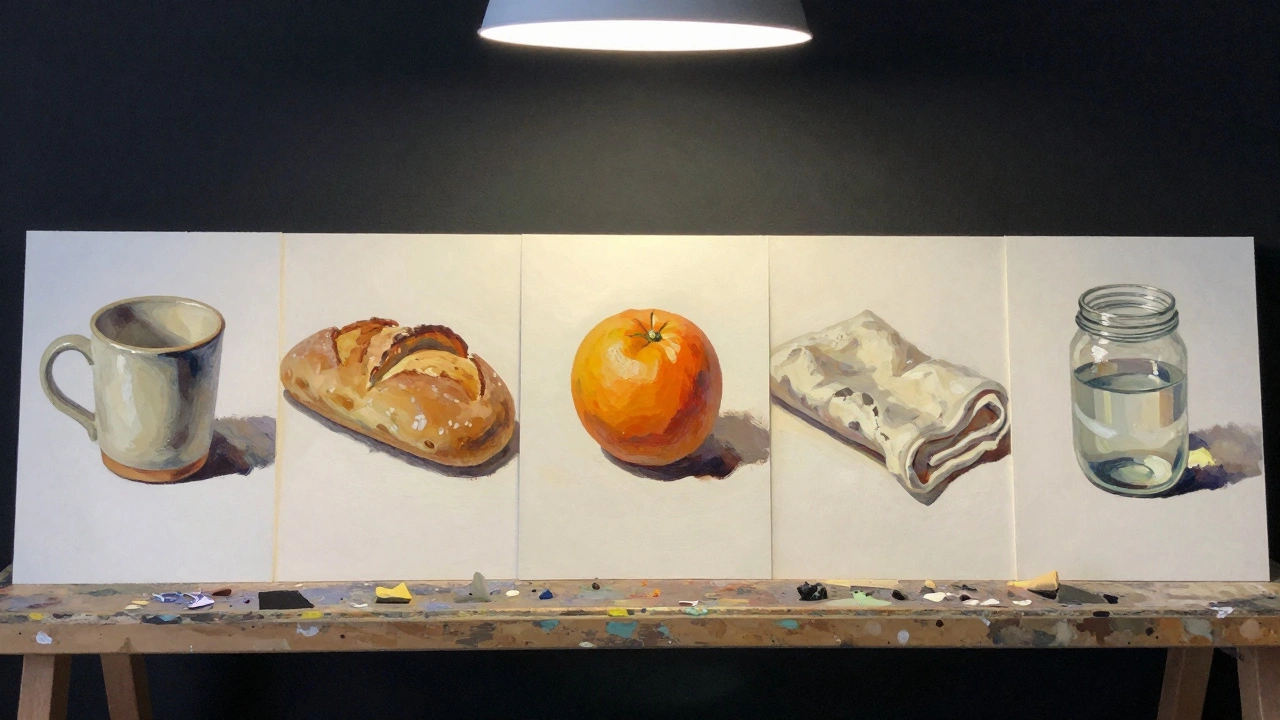
Not all objects are created equal when you’re starting out. Some are too shiny, too complex, or too small. Stick to these five for your first attempts:
- A ceramic mug - Its matte surface shows value changes clearly. No glare. No reflections to confuse you.
- An apple or orange - Round, simple form. The color is bold, so you’ll see mixing mistakes quickly-and learn from them.
- A loaf of bread - Soft edges, subtle texture. Great for practicing blending.
- A folded cloth - Drapes create natural folds. You’ll learn how to paint curves without lines.
- A glass jar with water - Only after you’ve done a few simpler pieces. It teaches transparency and reflection without being too hard.
Avoid mirrors, metallic spoons, or intricate patterns like lace. They’ll frustrate you. You’re not painting a still life to show off your skill-you’re painting it to learn.
Setup Tips for Success
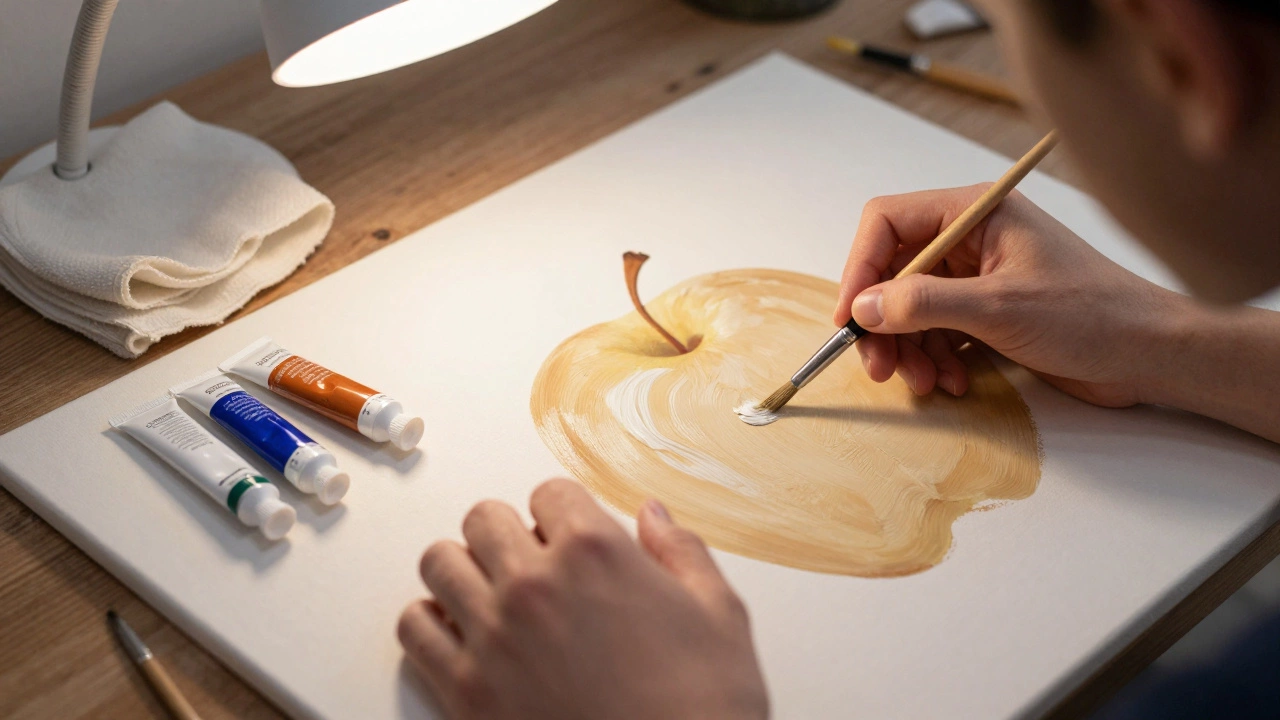
Here’s how to set up your first still life so it’s actually doable:
- Use a single light source. A desk lamp works. Place it 45 degrees to the side of your objects. This creates clear shadows and highlights.
- Keep it small. Three objects max. Too many and your brain gets overwhelmed.
- Use a dark background. A black cloth or cardboard behind your objects makes the light pop.
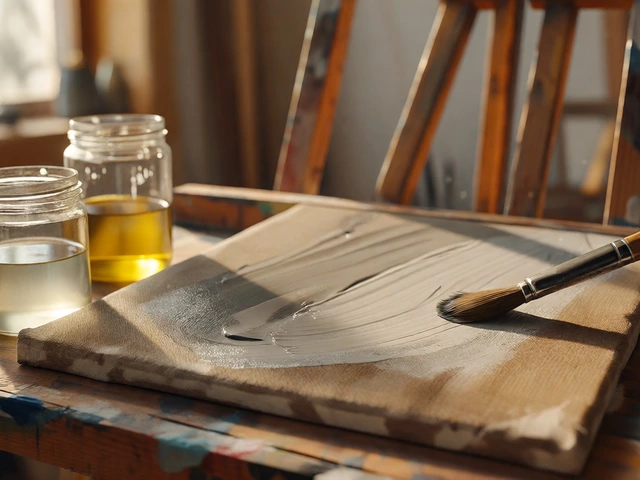
- Paint on a small canvas-8x10 inches or smaller. Big canvases are intimidating. Small ones feel manageable.
- Paint in one session. Oil doesn’t have to dry before you start. You can work wet-on-wet. Finish in two hours. You’ll be amazed at what you can do in that time.
Why Oil Makes This Easier Than You Think
Oil paint has a reputation for being hard to control. But that’s only true if you’re trying to do too much too soon. The truth? Oil is forgiving. It stays workable for hours. You can scrape it off, blend it, or paint over it. Acrylics dry fast. Watercolors bleed uncontrollably. Oil? It waits for you.
Let’s say you paint the apple too dark. You don’t have to start over. Just mix some white and cadmium yellow, and gently lay it over the dark area. Let it sit. Come back in an hour. Blend again. That’s the magic. You’re not racing against drying time. You’re working with the paint, not against it.
Common Mistakes to Avoid
Even with simple subjects, beginners make the same errors:
- Using too many colors at once - Start with three: titanium white, burnt sienna, and ultramarine blue. You can mix every tone you need.
- Painting the outline first - Oil doesn’t work like pencil. Don’t sketch outlines. Block in shapes with flat color, then build form with value.
- Waiting for layers to dry - Wet-on-wet is your friend. Don’t let the myth of "waiting days between layers" stop you from experimenting.
- Ignoring the background - The space around your objects matters. Paint the cloth, the table, the wall. It gives context to your subject.
What Comes Next?
After you’ve painted five or six simple still lifes, you’ll notice something: you’re no longer thinking about technique. You’re just seeing. You notice how the light catches the rim of the mug. How the shadow under the apple is cooler than the one under the cloth. You start seeing the world in shapes and tones, not objects.
That’s when you’re ready for the next step. Maybe a single flower in a vase. Or a pair of old boots. Then, eventually, a portrait. But you won’t feel like you’re jumping into the deep end anymore. You’ll know how to build form, how to mix color, how to let oil do its job.
Oil painting isn’t about being perfect. It’s about being curious. The easiest thing to paint? The thing you’re willing to try. Start small. Stay simple. Let the paint teach you.
Is oil painting harder than acrylic for beginners?
It depends on what you mean by "hard." Oil takes longer to dry, which some people see as a drawback. But that’s also its advantage. You can blend, adjust, and fix mistakes over hours, not minutes. Acrylic dries fast, which forces you to work quickly and leaves less room for error. For learning form and color, oil is actually easier because it gives you time to think.
Do I need special brushes for oil painting?
You don’t need expensive ones, but you do need the right kind. Use natural bristle brushes-hog hair-for oil. They’re stiff enough to handle thick paint and hold their shape. Avoid synthetic brushes meant for watercolor or acrylic. They’ll fray fast. Start with a medium flat brush (size 6 or 8) and a small round for details. That’s all you need for the first few paintings.
Can I paint oil on paper?
Not directly. Oil will soak into regular paper and ruin it. But you can use oil painting paper, which has a special gesso coating, or glue canvas paper onto a board. For beginners, a small canvas panel (available at art stores) is cheaper and easier than stretching your own canvas.
How long does it take to finish a simple oil painting?
A simple still life with three objects can be done in one 2- to 3-hour session if you work wet-on-wet. The paint will take days or weeks to fully dry, but you can step away after a few hours and come back to tweak it later. You don’t need to wait for it to dry before adding more paint.
Should I use a palette knife for mixing?
It helps, but it’s not required. A palette knife is great for mixing large amounts of paint and scraping off excess. But for small mixes, a brush works fine. Use the knife to clean your palette, not as a painting tool-at least not until you’re comfortable with brushes.