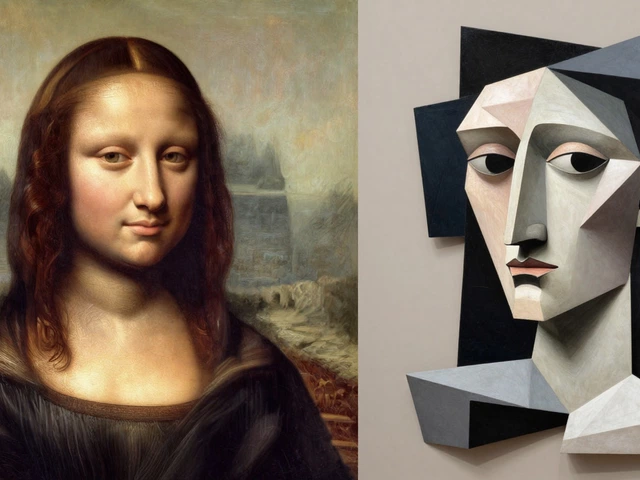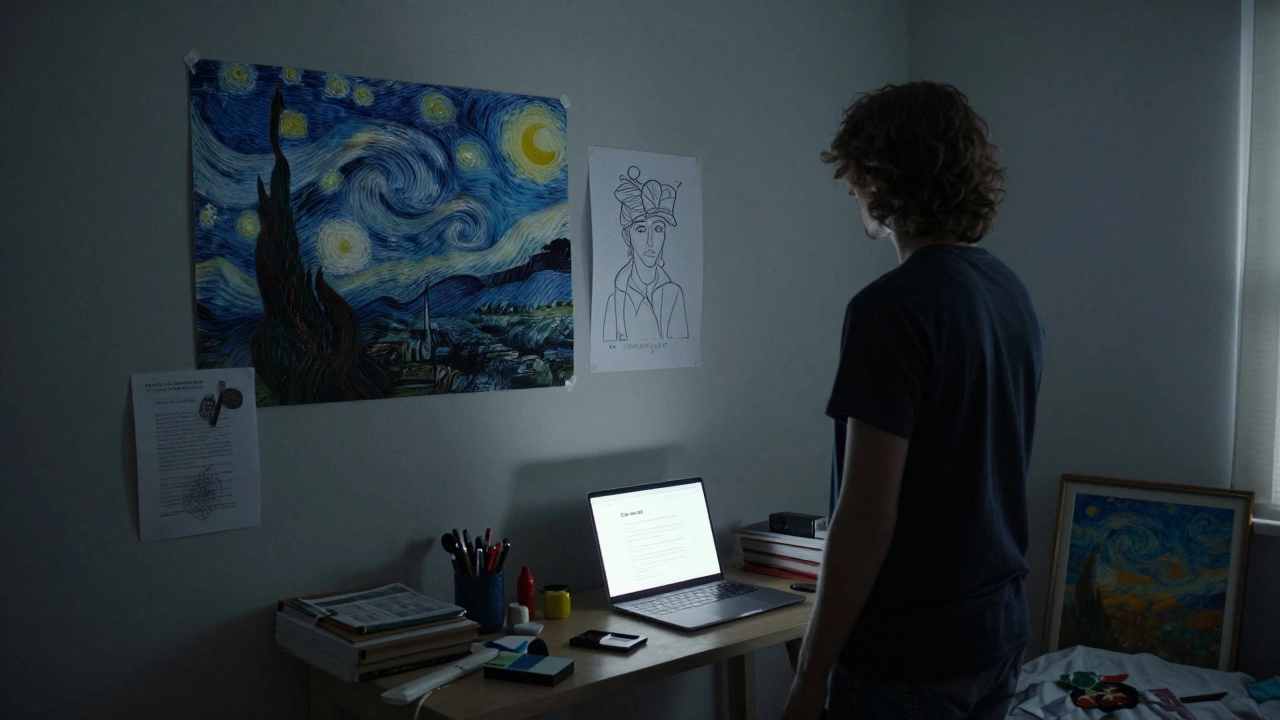
It’s easy to fall in love with a piece of art-maybe a print you saw online, a poster from a gallery, or a painting that caught your eye on Instagram. You think, "I’ll just make a copy for my wall. It’s not like anyone will notice." But here’s the truth: copying art isn’t just morally shaky-it can land you in serious legal trouble. You don’t need to be a professional artist to get sued. Even a simple print-on-demand T-shirt or a hand-painted replica can trigger a copyright claim.
What Exactly Is Copyright in Art?
Copyright law protects original creative works the moment they’re fixed in a tangible form. That includes paintings, drawings, photographs, digital illustrations, and yes-even art prints. You don’t have to register your work to own the copyright. As soon as an artist creates something original and records it (on canvas, paper, or a digital file), they hold exclusive rights to reproduce, distribute, display, and create derivative works from it.
That means if you take a Van Gogh print from a museum gift shop, trace it, and sell 50 copies on Etsy? You’re breaking the law. Even if you change the colors or crop the image slightly, you’re still using the original artist’s protected expression. Courts don’t care if you didn’t make money from it. They care if you copied something protected without permission.
When Does Copying Art Become Illegal?
Not all copying is illegal-but the line is blurry. Here’s how to tell the difference:
- Public domain? If the artwork was created before 1929 (in the U.S.) or if the artist died over 70 years ago (in most countries), the copyright has expired. You’re free to copy Monet, Rembrandt, or Dali’s early works. But be careful-some modern reproductions of old paintings are still protected if the photo or print itself is new and creative.
- Derivative work? If you copy a modern piece and change 20% of it, you’re still infringing. There’s no "10% rule" or "copy three elements" loophole. Courts look at whether the new work is "substantially similar" to the original. If someone who’s seen the original would recognize it, you’re likely in trouble.
- Inspired by vs. copied? If you see a style-like Klimt’s gold leaf patterns-and create your own composition using similar techniques, that’s fine. But if you replicate the exact arrangement of figures, the background, the signature brushwork? That’s copying.
Real example: In 2022, a small business in Portland was sued for selling wall art that copied a popular digital illustration from an indie artist on Etsy. The artist had registered the copyright. The business owner claimed they "just liked the vibe." They lost. Paid $18,000 in damages. And had to destroy every copy.
Who Can Sue You?
You might think, "Who’s going to find me?" But copyright holders have tools. Automated bots scan Etsy, Amazon, and Instagram for matching images. Artists’ lawyers send cease-and-desist letters. Sometimes, it’s not the artist themselves-it’s the gallery that owns the rights, or a publisher who licensed the image.
Even if you didn’t sell the copy-just posted it on Pinterest or your Instagram feed-you can still be targeted. Copyright owners don’t need to prove you made money. They just need to prove you used their work without permission. And in many countries, including New Zealand and the U.S., statutory damages can range from $750 to $150,000 per work, even if you didn’t profit.
What About Fan Art and Personal Use?
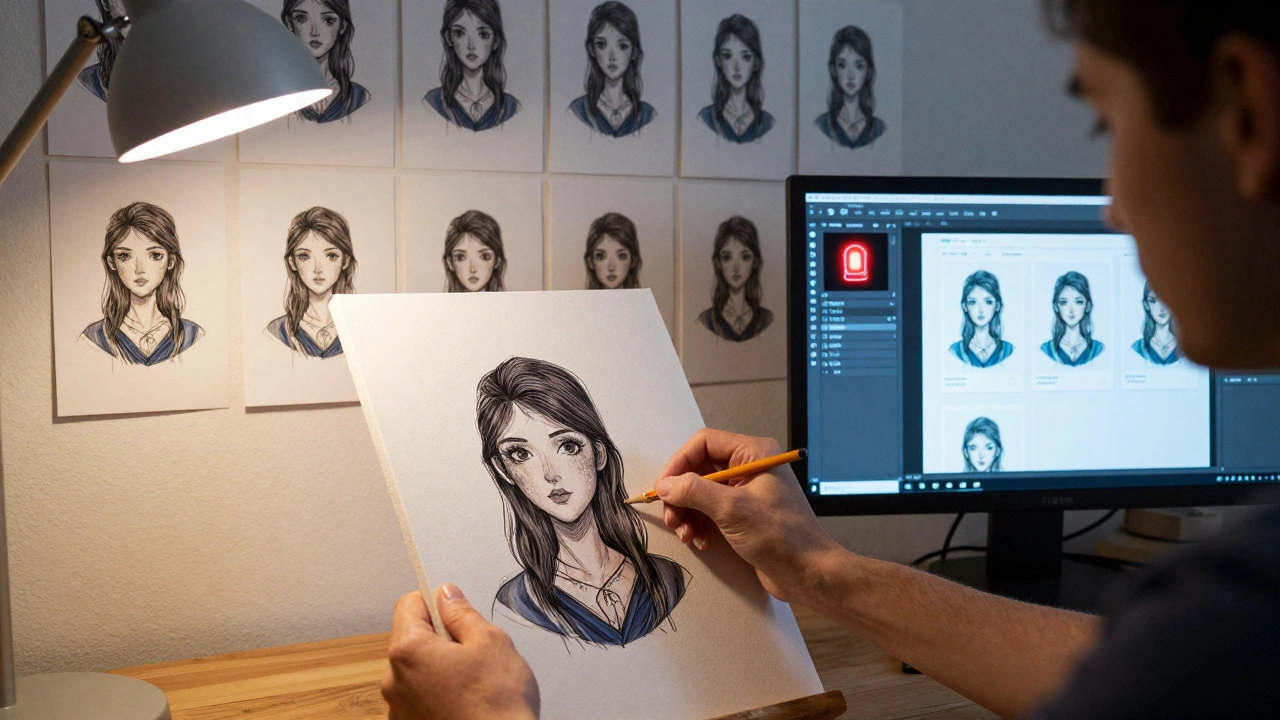
"I’m just doing it for fun," you say. "I’m not selling it." That’s a common excuse. But copyright law doesn’t care about your intent. If you paint a copy of a copyrighted character-say, a Marvel superhero-and hang it in your living room? Legally, you’re infringing. You probably won’t get sued… unless someone reports you.
But here’s the catch: if you ever try to monetize it-even by selling a print of your "personal" copy-you open yourself up to a lawsuit. Many artists and studios tolerate fan art as long as it stays private. But once it goes public, especially for profit, they act fast.
How Do Artists Protect Their Work?
Most serious artists register their copyright with their national office. In the U.S., that’s the Copyright Office. In New Zealand, it’s the Intellectual Property Office. Registration isn’t required, but it gives you the right to sue for statutory damages and attorney fees. Many artists also watermark digital files, use reverse image search tools, and monitor online marketplaces.
Some artists, like those on Creative Commons, explicitly allow copying under certain conditions. Always check the license. If it says "Attribution Required," you must credit them. If it says "No Derivatives," you can’t alter it. If it says "Non-Commercial," you can’t sell it.
What Should You Do Instead?
You don’t need to copy to love art. Here’s what works better:
- Buy licensed prints. Many artists sell affordable, high-quality reproductions directly through their websites or platforms like Saatchi Art or Society6.
- Support emerging artists. Find local creators on Instagram or Etsy. Many offer custom commissions for under $100.
- Create your own. Use the art you love as inspiration, not a template. Take a photo, study the composition, then paint your own version from memory. That’s how artists learn-and it’s 100% legal.
- Use public domain art. Websites like the Met’s Open Access collection or the British Library’s public domain archive offer thousands of high-res images you can use freely.
What Happens If You Get Sued?
If you receive a cease-and-desist letter, don’t ignore it. Don’t delete your store. Don’t argue. Contact a lawyer who specializes in intellectual property. Most cases settle before trial. But if you fight it without legal help, you could end up paying more in fees than the original artwork was worth.
Penalties can include:
- Destroying all copies of the infringing work
- Paying damages (even if you didn’t make money)
- Forfeiting profits from sales
- Being banned from online marketplaces
One woman in Auckland was ordered to pay $9,000 after selling 37 copies of a copyrighted painting she found on Pinterest. She didn’t know it was protected. The court didn’t care.
Bottom Line: Don’t Risk It
Copying art might seem harmless. It’s everywhere. But copyright law doesn’t care about convenience. It cares about ownership. The artist who spent months painting that piece? They own it. Even if it’s just a print on your wall, if you didn’t get permission, you’re violating their rights.
There’s a better way. Support artists. Buy their work. Learn from it. Create your own. That’s how art thrives-not by stealing it.
Can I get sued for copying a famous painting like Starry Night?
Van Gogh died in 1890, so his original paintings are in the public domain. You can legally copy and sell prints of Starry Night. But if you copy a modern photograph, digital restoration, or a specific museum’s high-resolution scan of the painting, that version might be copyrighted. Always check the source.
What if I only copy part of a painting?
Changing part of a copyrighted artwork doesn’t make it legal. Courts look at whether the overall look and feel is substantially similar. If someone recognizes the original piece-even if you cropped it or changed the background-you’re still infringing.
Can I use art from Pinterest for my business?
Pinterest is not a public domain. Most images there are uploaded by users who don’t own the copyright. Using them for business-even if you found them there-can lead to lawsuits. Always trace the original source and verify licensing.
Is it okay to copy art for personal use, like a bedroom wall?
Technically, yes-you’re still infringing. But copyright holders rarely sue individuals for non-commercial, personal use. That doesn’t mean it’s legal. It just means they usually don’t bother. But if you ever post it online or sell it later, you open yourself up to liability.
How do I know if an art print is copyrighted?
Look for a copyright symbol (©), the artist’s name, and a license statement. If it’s from a gallery, publisher, or online store, assume it’s protected. Search the image using Google Reverse Image Search. If it shows up on the original artist’s site, don’t copy it. When in doubt, contact the artist directly for permission.