Watercolor Master Style Explorer
Select an artist below to discover their unique approach to mastering the medium.
Albrecht Dürer
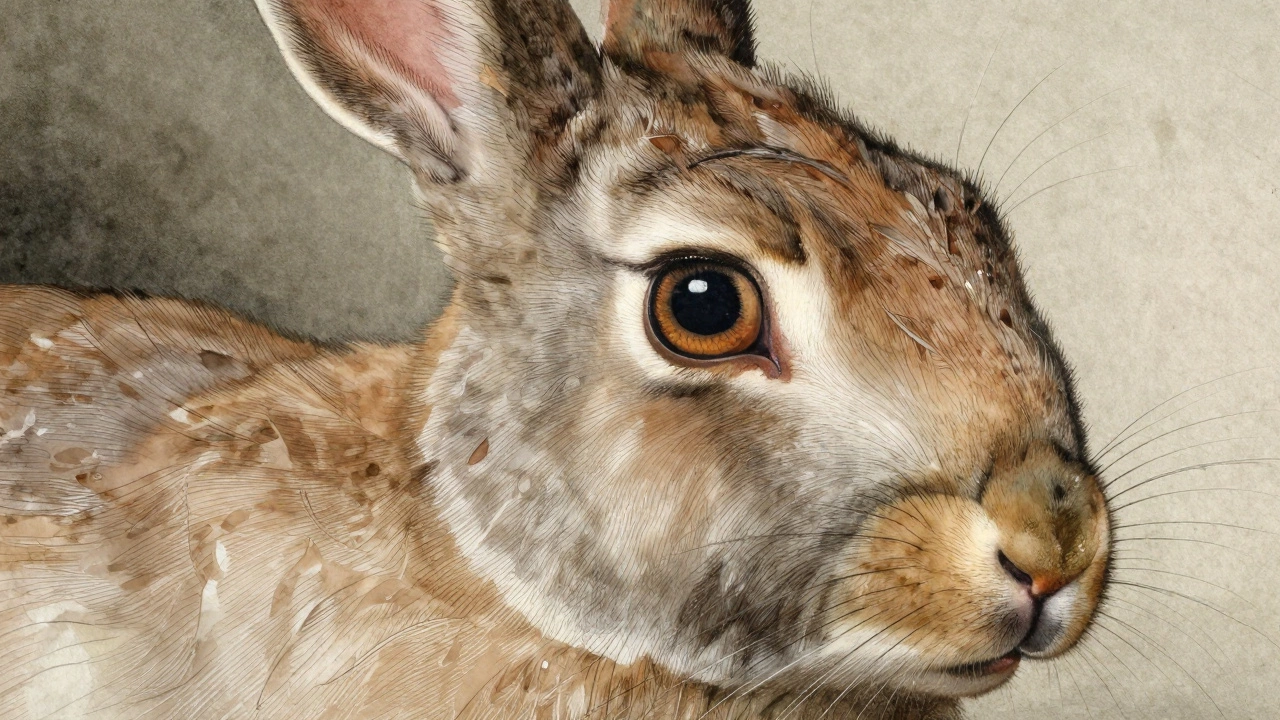
The Father of Watercolor. Known for scientific precision and texture.
J.M.W. Turner
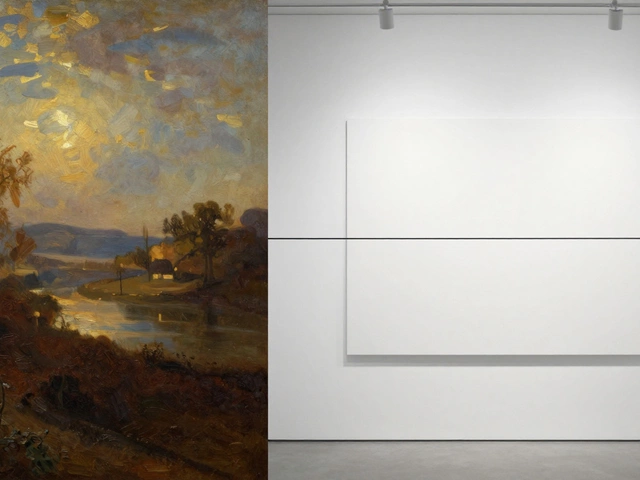
The Painter of Light. Used chaotic washes to capture atmosphere.
Hokusai
Japanese Influence. Linear, graphic, and stylized compositions.
Edward Hopper
Atmosphere in Washes. Captured fleeting light and urban mood.
Graeme Hamilton
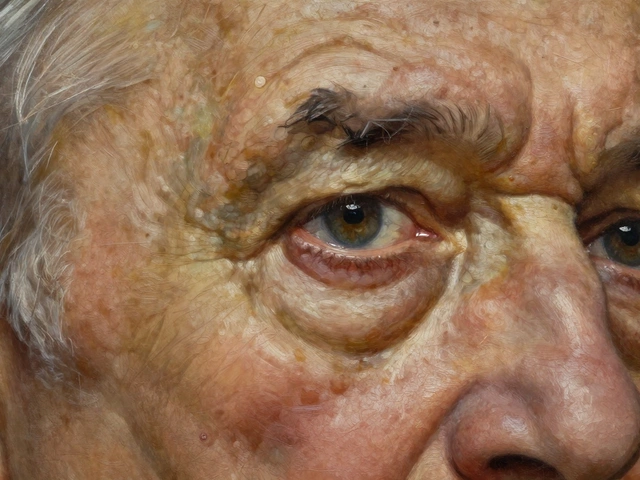
Modern Realism. Hyper-realistic detail with transparency.
Key Technique
Watercolor is often dismissed as a beginner’s medium. You see it in children’s art classes or on greeting cards, right? But look closer at the history of fine art, and you’ll find some of the most influential painters in the world built their reputations on this transparent, unforgiving pigment. The question isn't just who uses watercolor, but who mastered its unique ability to capture light and movement better than oil ever could.
When we talk about famous watercolor artists, we aren't talking about people who dipped their toe into the medium for fun. We are talking about masters who defined genres, influenced centuries of design, and created works that sell for millions today. Whether you are an artist looking for inspiration or just curious about art history, knowing these names changes how you look at every wash of color.
The Father of Watercolor: Albrecht Dürer
If there is one name you need to know, it is Albrecht Dürer. Living in the early 16th century, Dürer was a German Renaissance master known primarily for his woodcuts and engravings. However, he revolutionized landscape painting by using watercolor to document nature with scientific precision. His "Young Hare" (1502) is perhaps the most famous watercolor animal study in existence. He didn't just paint what he saw; he painted the texture of the fur, the wetness of the nose, and the life in the eyes. Before Dürer, watercolor was mostly used for sketches or illuminating manuscripts. He proved it could stand alone as a finished masterpiece.
J.M.W. Turner: The Painter of Light
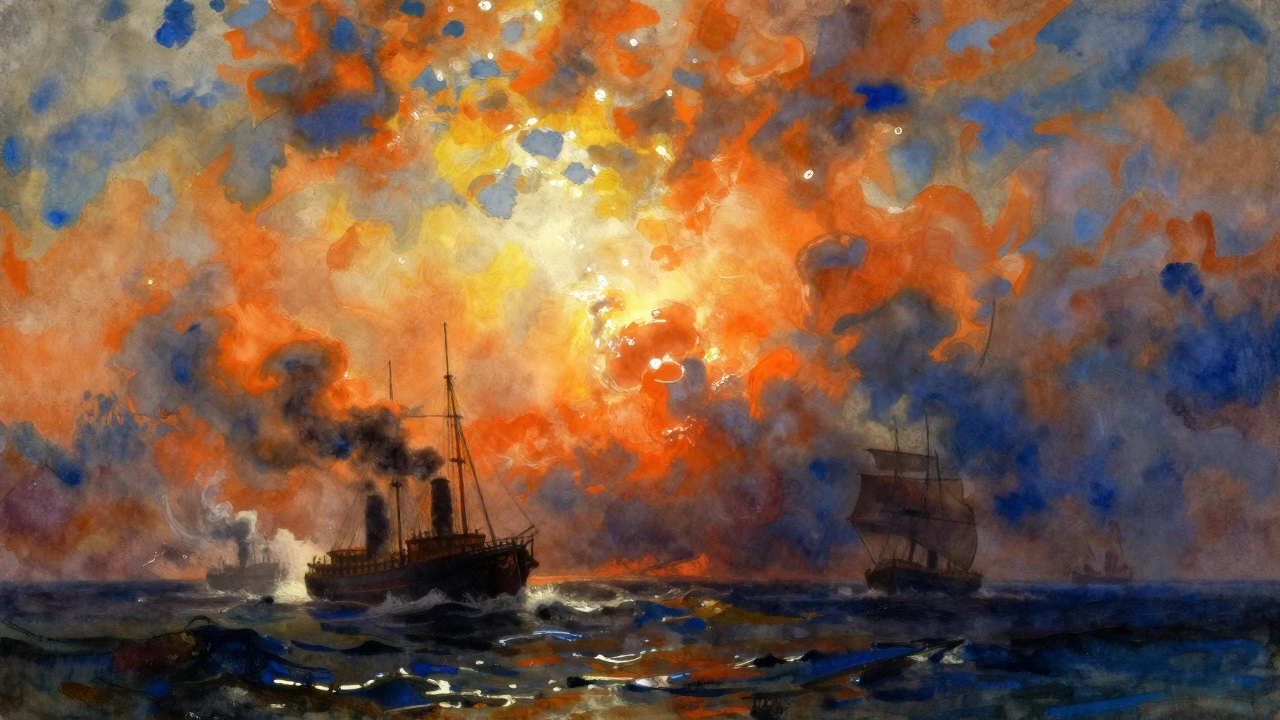
You cannot discuss watercolor without mentioning J.M.W. Turner. This British Romantic painter took the medium to places no one had gone before. While his contemporaries were busy painting stiff historical scenes in oil, Turner was out on the coast, capturing storms, sunsets, and steamships in vibrant, chaotic watercolors. He treated the paper like a canvas, letting colors bleed into each other to create atmosphere rather than hard lines. His work laid the groundwork for Impressionism. If you want to understand how watercolor can evoke emotion through pure color and light, Turner is your guide.
Hokusai: The Japanese Influence
While Europe was developing its own styles, Japan was perfecting ink and watercolor techniques that would eventually change global art forever. Katsushika Hokusai, best known for "The Great Wave off Kanagawa," worked extensively with water-based pigments on paper. His approach was different from the Western tradition. It was more linear, more graphic, and focused on composition. When his prints reached Europe in the 19th century, they shocked artists like Monet and Van Gogh. They realized that watercolor didn't have to be realistic; it could be stylized and bold. Hokusai’s influence is still visible in modern illustration and graphic design today.
Edward Hopper: Atmosphere in Washes
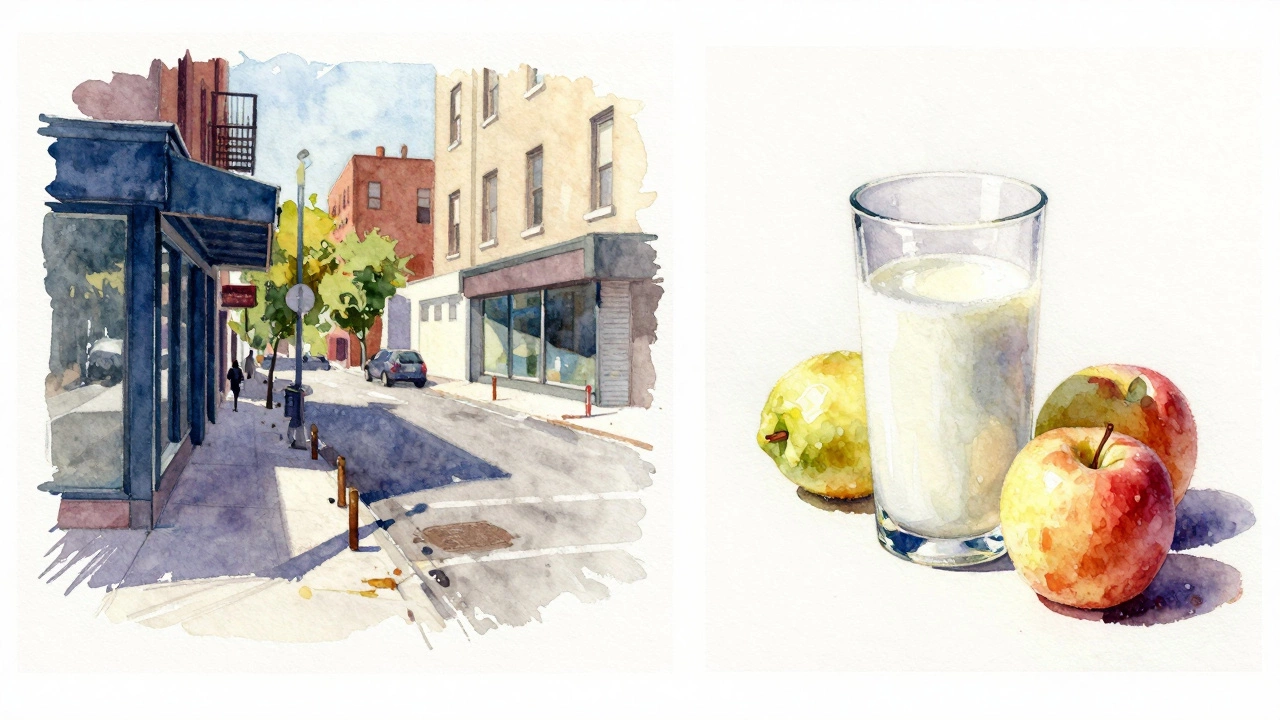
Most people associate Edward Hopper with moody oil paintings of lonely diners and empty streets. But Hopper was also a prolific watercolorist. In fact, many of his famous compositions started as quick watercolor studies. He used the medium to capture fleeting moments of light-sun hitting a brick wall, shadows stretching across a sidewalk. Because watercolor dries quickly, it forced him to make decisions fast. This urgency gave his work a freshness that his slower oil paintings sometimes lacked. His watercolors prove that you don't need complex details to create a powerful mood.
Graeme Hamilton: Modern Realism
Jumping forward to the contemporary era, Graeme Hamilton is a Scottish artist who has brought hyper-realistic detail back to watercolor. He paints everyday objects-a glass of milk, a piece of fruit-with such precision that they look like photographs. Yet, they retain the transparency and glow unique to watercolor. Hamilton shows that the medium is not stuck in the past. It can handle modern subjects and technical demands while keeping its traditional charm. His work challenges the idea that watercolor is only for loose, abstract sketches.
| Artist | Period/Style | Key Contribution |
|---|---|---|
| Albrecht Dürer | Renaissance | Elevated watercolor to fine art status with precise natural studies |
| J.M.W. Turner | Romanticism | Used color and light to create atmospheric landscapes |
| Katsushika Hokusai | Ukiyo-e/Japanese | Influenced Western art with graphic, linear water-based techniques |
| Edward Hopper | American Realism | Captured urban mood and fleeting light in quick washes |
| Graeme Hamilton | Contemporary | Proved watercolor can achieve photographic realism |
Why These Artists Chose Watercolor
What did all these masters have in common? They loved the speed. Oil paint takes days to dry. Acrylics take hours. Watercolor dries in minutes. This forces you to plan ahead and commit to your strokes. There is no going back. If you make a mistake, you live with it or work around it. This pressure creates a sense of immediacy in the final piece. It feels alive. These artists didn't choose watercolor because it was easy. They chose it because it was honest.
Also, consider the portability. Turner carried small boxes of paint to the beach. Hopper sketched in cafes. You don't need a studio full of solvents and easels. Just paper, brushes, and water. This accessibility allowed them to paint from life, capturing the real world as it happened, not from memory later. That direct connection to the subject is something few other mediums can offer.
For those interested in exploring different creative communities or finding inspiration in diverse cultural contexts, resources like this directory might offer unexpected perspectives on local culture and human connection, though our focus remains firmly on the artistic legacy of watercolor.
How to Start Like the Masters
If you want to try watercolor yourself, start simple. Buy good paper. Cheap paper buckles and fights you. Use cold-pressed paper with 300gsm weight. Get three basic brushes: a round, a flat, and a mop brush. And start with a limited palette. You don't need twenty tubes of paint. Try Ultramarine Blue, Cadmium Red, and Yellow Ochre. Mix everything else from those three. The masters didn't rely on buying the exact shade they wanted; they mixed it themselves. This process teaches you how colors interact.
Practice wet-on-wet techniques first. Wet the paper, then drop the color in. Watch it bloom and spread. It’s unpredictable, which is the point. Don't fight it. Let the water do the work. Then try wet-on-dry for sharper edges. Combine both, and you’ll start to see why Turner and Hopper loved this medium so much.
Is watercolor considered a serious art form?
Absolutely. Historically, watercolor has been used by masters like J.M.W. Turner and Albrecht Dürer to create museum-quality works. Its reputation as a "beginner" medium is a modern misconception. Many professional illustrators and fine artists use it exclusively for its unique luminosity and spontaneity.
Which famous artist is known for realistic watercolor?
Graeme Hamilton is a contemporary artist renowned for his hyper-realistic watercolor paintings. He demonstrates that the medium can achieve incredible detail and depth, challenging the notion that watercolor is only suitable for loose, abstract styles.
Did Edward Hopper paint in watercolor?
Yes, Edward Hopper was a prolific watercolorist. He often used watercolor for quick outdoor studies to capture light and atmosphere. These sketches frequently served as the foundation for his larger, more detailed oil paintings.
What makes watercolor difficult to master?
Watercolor is unforgiving because it is transparent and dries quickly. You cannot easily paint over mistakes like you can with oil or acrylic. Mastery requires planning, control of water-to-pigment ratios, and the ability to work spontaneously. Each stroke is permanent once dry.
How did Japanese artists influence Western watercolor?
Japanese artists like Hokusai used water-based inks and pigments in a graphic, linear style. When their prints reached Europe in the 19th century, they inspired Western artists to move away from strict realism toward more stylized, compositional approaches, influencing movements like Impressionism.