The Battle Against the Clock: Drying Times
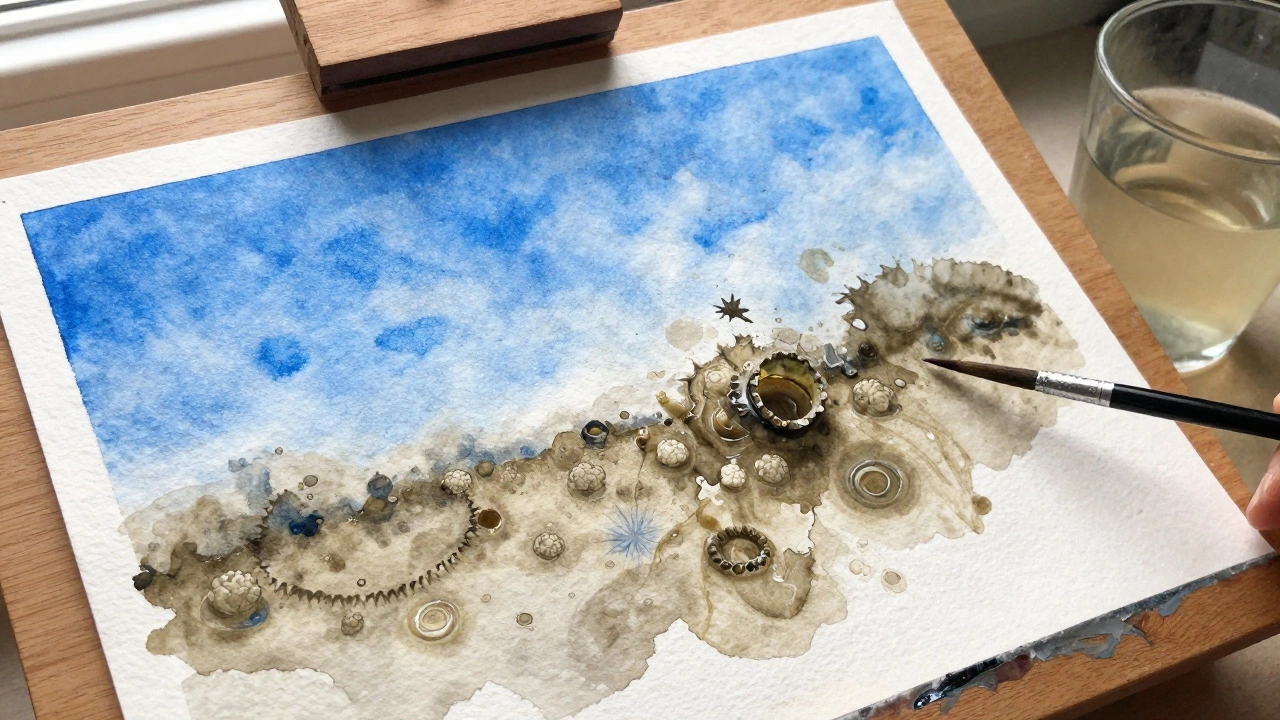
One of the biggest hurdles is the window of opportunity. In watercolor, you have to deal with the "golden hour" of moisture. If you want to blend two colors seamlessly, you need to work while the paper is damp. This is known as the wet-on-wet technique. But here is the catch: once the water evaporates, that window slams shut. If you try to add a new stroke to a section that is halfway dry, you get a "hard edge" or a "cauliflower bloom." These are those jagged, unsightly rings that look like a coffee stain on your paper. Unlike acrylics, where you can just paint over a mistake, watercolor is largely unforgiving. Once a bloom happens, you can't just wipe it away. You're stuck trying to blend it into a cloud or a rock, hoping the viewer doesn't notice your struggle with the drying process.The Permanence Problem: Lightfastness and Fading
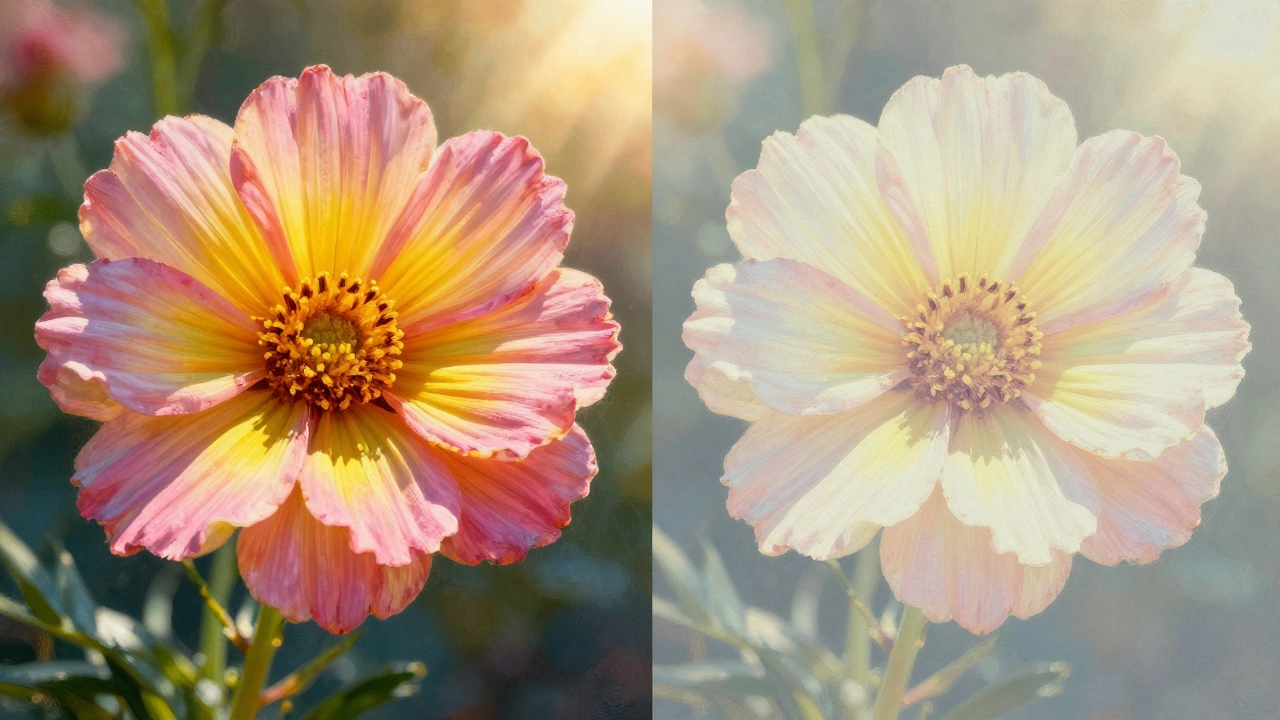
Not all colors are created equal. This is where we hit the technical weakness of pigment chemistry. Some pigments are naturally unstable when exposed to ultraviolet light. If you use a cheap set of student-grade paints, you might find that your vibrant pinks and bright yellows vanish after a few years of hanging in a sunny room. Professional artists look for a rating called "lightfastness." This is a scale that tells you how long a color will last before it fades. For example, certain dyes used in lower-end paints are fugitive, meaning they disappear quickly. If you're painting a piece you intend to sell or keep for a lifetime, using a pigment with a low lightfastness rating is a huge risk. You aren't just fighting the water; you're fighting the sun.The Lack of an "Undo" Button
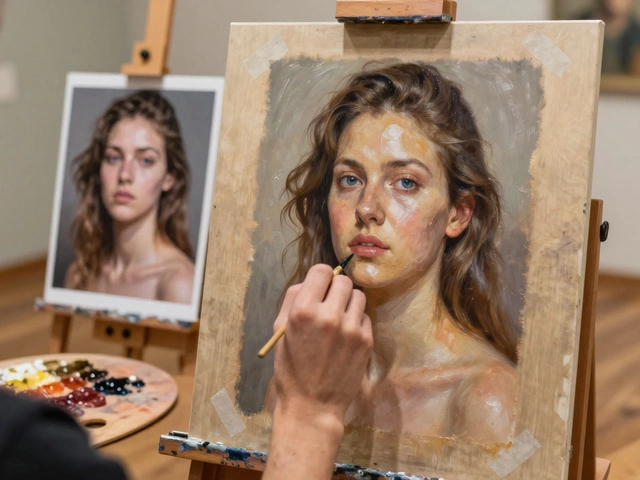
In the world of oil painting, if you mess up a face, you can scrape the paint off with a palette knife or paint right over it. In watercolor, the pigment sinks deep into the fibers of the paper. This means that watercolor weaknesses are most apparent when it comes to correcting errors. Sure, you can try to "lift" the paint by scrubbing the paper with a damp brush, but this often damages the paper's surface. Once you scrub too hard, you create "pilling," where the paper starts to flake off in little white balls. Now you have a hole in your painting and a smudge that won't go away. The medium demands a level of foresight that is honestly exhausting for beginners. You have to plan your light areas first because you can't effectively paint a light color over a dark one. In watercolor, the white of the paper is your only true white; once you cover it with paint, that brightness is gone forever.| Feature | Watercolor | Acrylic | Oil Paint |
|---|---|---|---|
| Correction Ability | Very Low (Difficult to lift) | High (Easy to overpaint) | Very High (Slow drying/blendable) |
| Drying Speed | Fast (Minutes) | Very Fast (Seconds/Minutes) | Very Slow (Days/Weeks) |
| Surface Impact | Warps paper without stretching | Minimal warping | Requires primed canvas |
| Lightfastness | Variable (Depends on pigment) | Generally High | Very High |
The Paper Struggle: Buckling and Texture
You can't just use any piece of paper with watercolor. If you use a standard sketchpad, the paper will buckle and warp the moment it touches water. This happens because the cellulose fibers expand unevenly. To fix this, artists use heavy-weight paper, usually 300gsm or higher. Even then, the texture of the paper-whether it's cold-pressed (textured) or hot-pressed (smooth)-dictates how the paint behaves. Cold-pressed paper is great for landscapes but a nightmare for fine detail. If you're trying to paint a tiny reflection in an eye, the "tooth" of the paper can cause the paint to pool in the valleys, leaving white gaps on the peaks. This lack of control over the surface interaction is a persistent weakness that requires specific, often expensive, materials to mitigate.Color Mud and the Pigment Trap
Mixing colors in watercolor is a gamble. Because the medium is transparent, colors layer on top of each other. If you mix too many pigments together, or if you paint a dark color over a layer that hasn't fully dried, you end up with "mud." This happens when complementary colors (like blue and orange) mix in a way that neutralizes the saturation, leaving you with a dull, brownish-gray mess. In acrylics, you can just add more white or a brighter color on top to fix the hue. In watercolor, once the mud is in the paper, it's there for good. You have to learn the chemistry of your palette-knowing which pigments are "granulating" (settling into the paper texture) and which are "staining" (bonding permanently to the fibers)-to avoid this pitfall.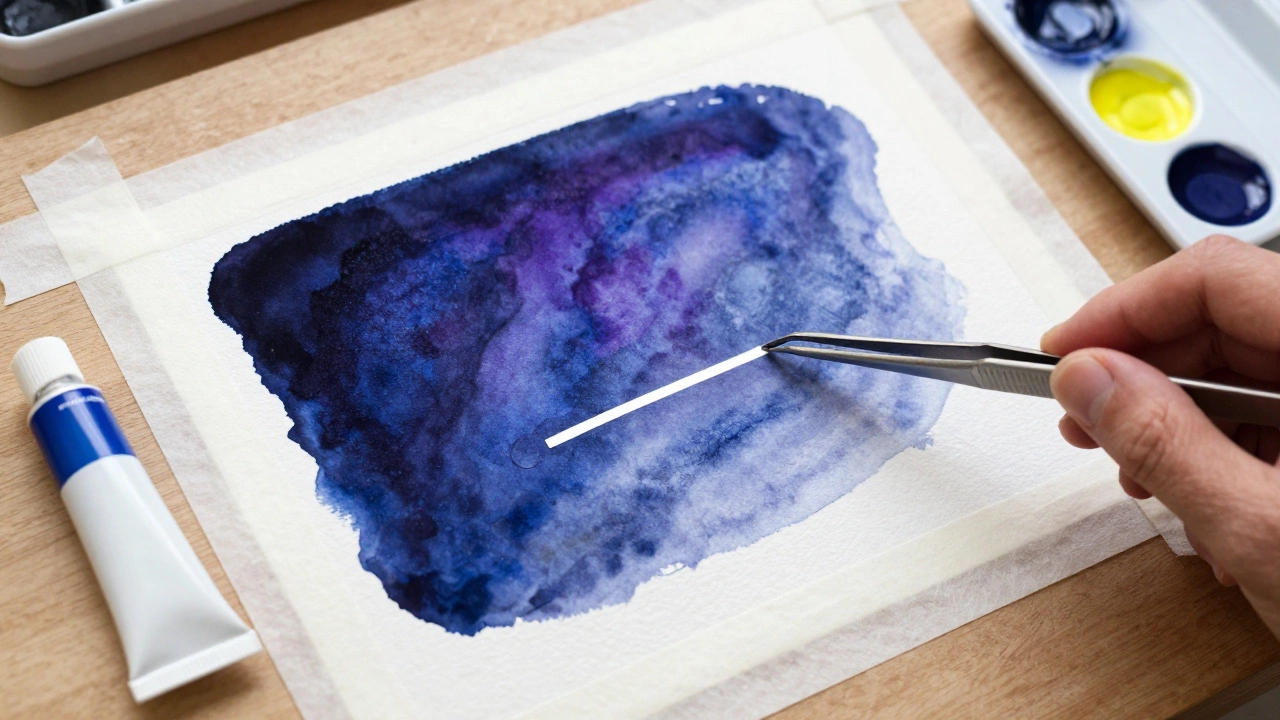
Practical Workarounds for Common Failures
Despite these weaknesses, there are ways to cheat the system. If you're terrified of the "no undo" rule, you can use Masking Fluid. This is a liquid latex that you paint over areas you want to keep white. Once the rest of the painting is done, you peel the latex off, revealing a crisp white edge that no amount of scrubbing could achieve. Another trick is using Gouache. Gouache is essentially an opaque version of watercolor. If you've made a mistake or need a highlight that is brighter than the paper, a touch of gouache can cover the error. It gives you the flexibility of acrylics while maintaining the water-based nature of the medium.Can I fix a watercolor painting that has too many dark areas?
It is very difficult to lighten a watercolor painting. Your best options are using a damp, clean brush to gently lift as much pigment as possible, or using a white gouache to add highlights back into the dark sections. Avoid using white watercolor paint, as it is usually too transparent to cover dark colors.
Why does my watercolor paper warp so much?
Paper warps because the water expands the fibers. To prevent this, you can "stretch" your paper by soaking it and taping the edges to a board, or simply buy heavier cold-pressed paper (at least 300gsm). Using a block of paper where the edges are glued together also helps keep the surface flat.
What is the difference between a fugitive color and a lightfast color?
A fugitive color is one that fades quickly when exposed to light, often seen in cheap student paints. Lightfast colors are chemically stable and will remain vivid for decades. Always check the tube for a lightfastness rating (usually denoted by I, II, or III) if you want your art to last.
How do I stop colors from bleeding into each other?
The key is moisture control. If you want a sharp edge, the paper must be completely dry before you apply the next color. If the paper is even slightly damp, the pigments will migrate and blend. Use a hairdryer to speed up the drying process between layers.
Is watercolor the hardest painting medium to learn?
Many artists find it the hardest because it requires the most patience and planning. Unlike oils, you cannot easily change your mind. However, its portability and quick setup make it incredibly rewarding once you master the balance of water and pigment.