Category: Painting - Page 2
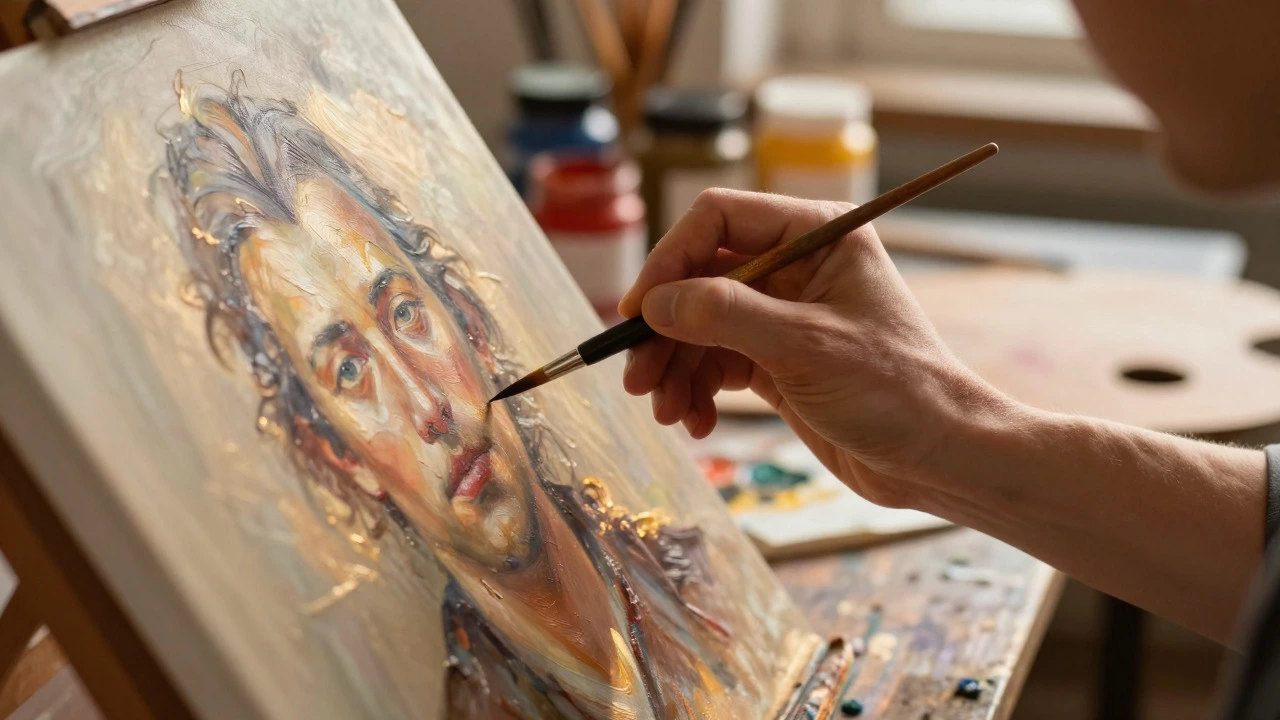
Portrait Pricing Guide: How to Set a Fair Price for Your Paintings
Struggling to price your portrait paintings? Learn three proven methods to calculate fair rates, including hourly wages and square-inch formulas. Discover how to factor in complexity, reputation, and client type to set confident, profitable prices.
Continue Reading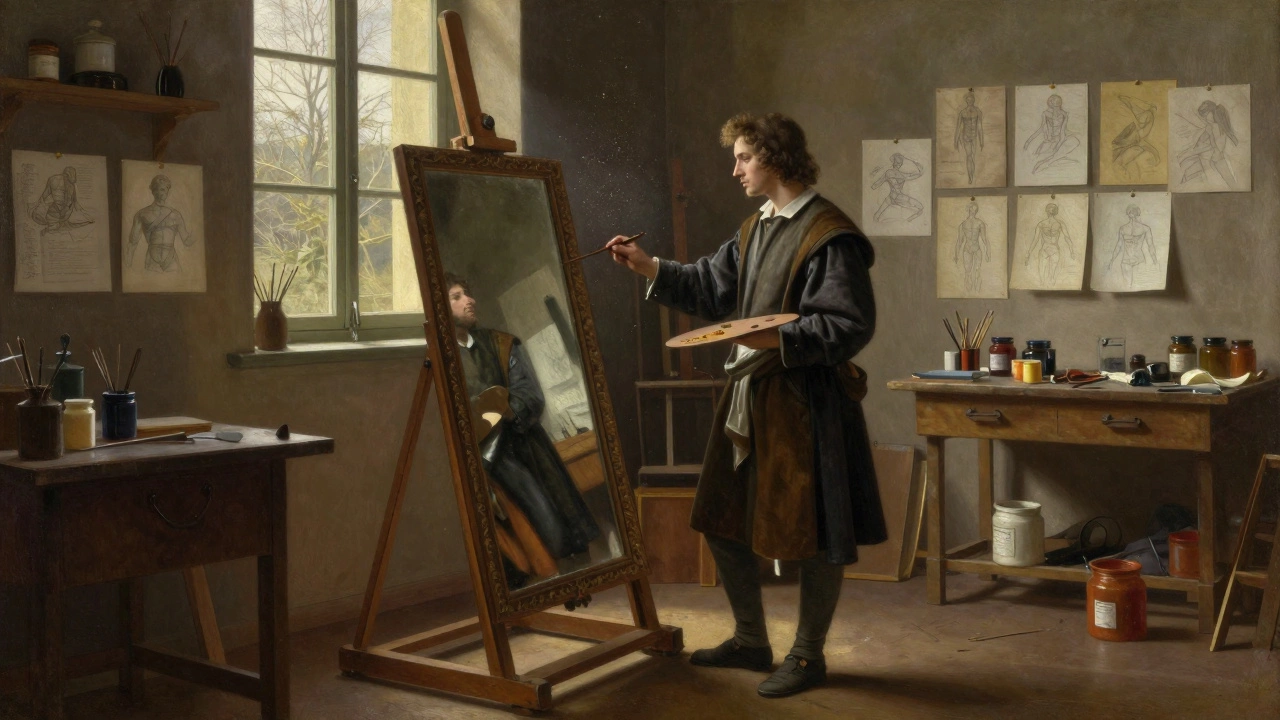
Why Artists Paint Self-Portraits: A Guide to the Genre
Explore why artists create self-portraits, from practical cost-saving measures to deep psychological exploration. Learn about famous examples from Rembrandt to Frida Kahlo and how this genre defines artistic identity.
Continue Reading
Why Eyes Are the Most Important Part of a Portrait Painting
Discover why eyes are the focal point of portrait painting. Learn techniques for capturing life, emotion, and realism through proper anatomy, lighting, and color theory.
Continue Reading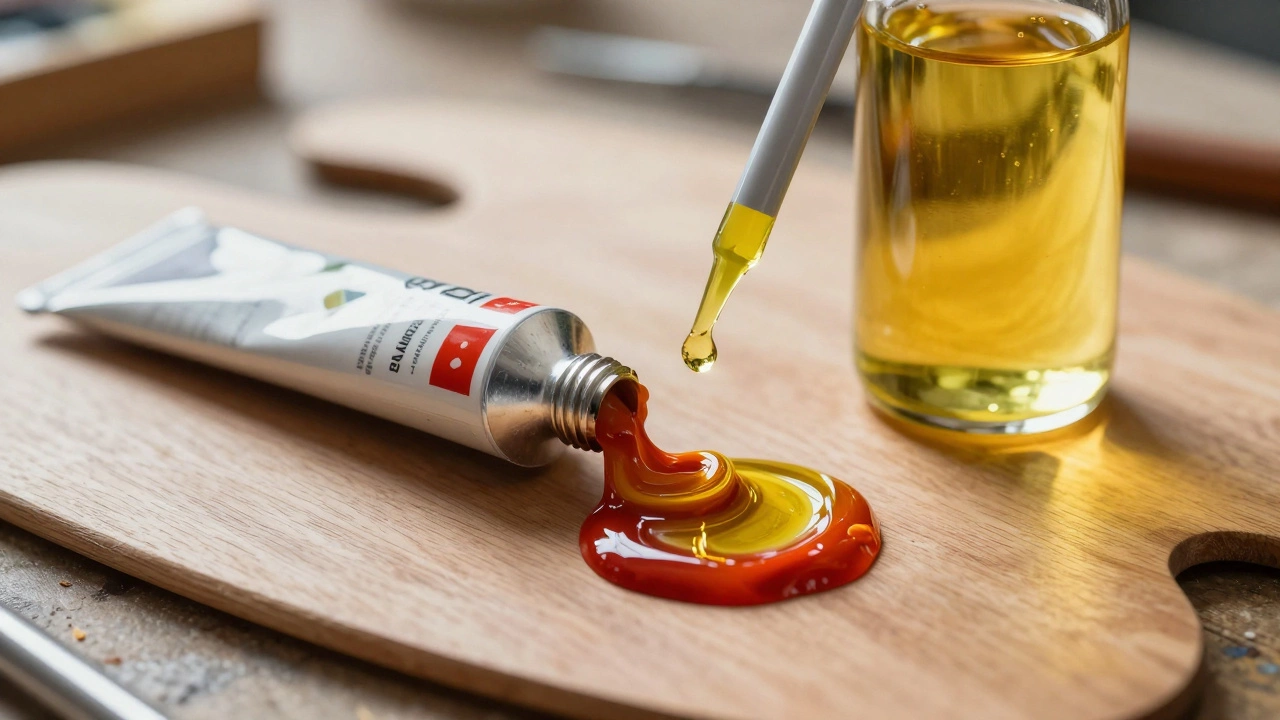
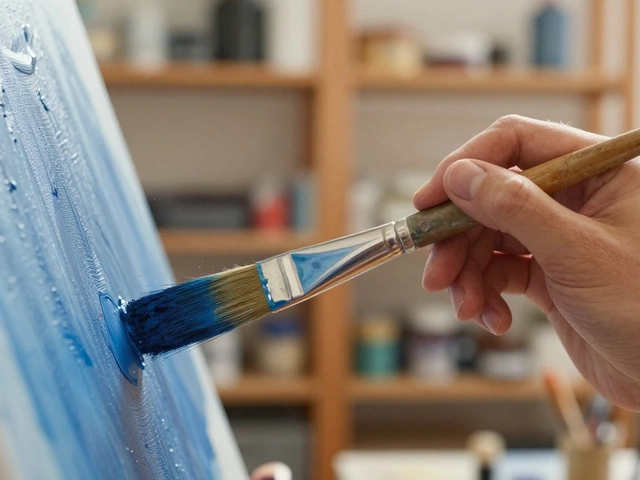
What Does Adding Linseed Oil to Oil Paint Do? A Practical Guide
Discover how adding linseed oil affects oil paint consistency, drying time, and color saturation. Learn the pros, cons, and best practices for using this essential medium.
Continue Reading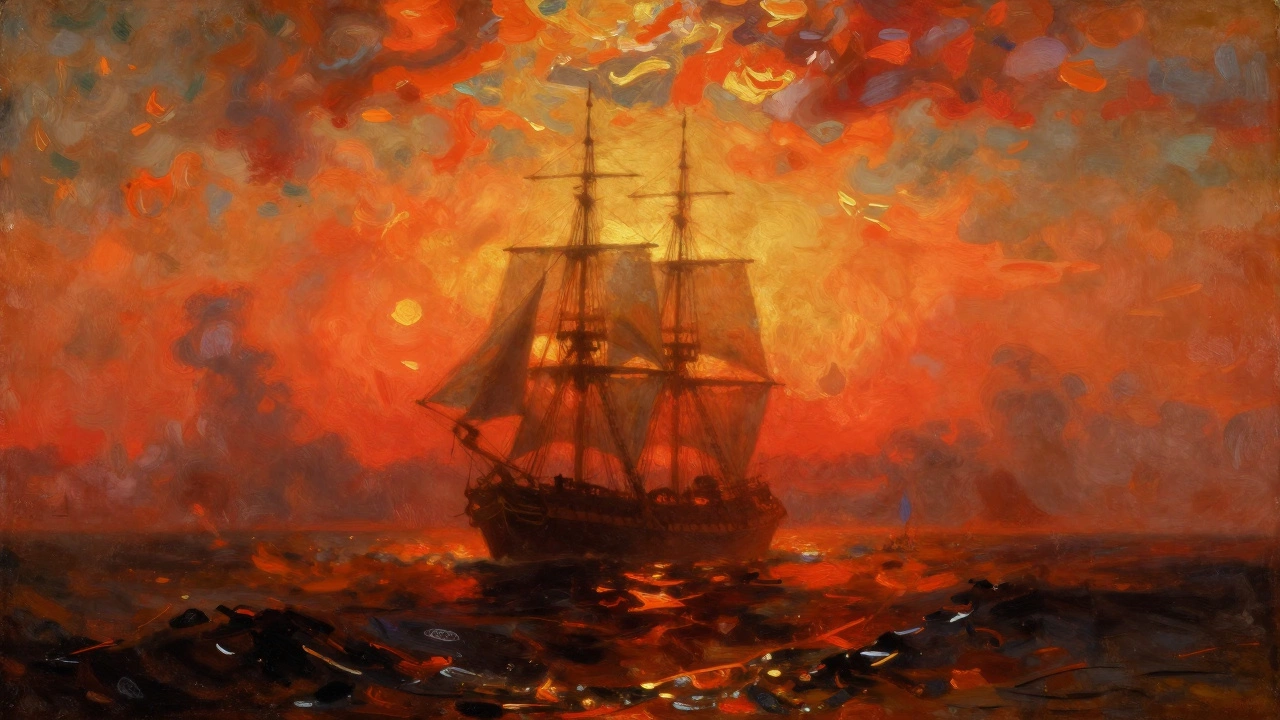
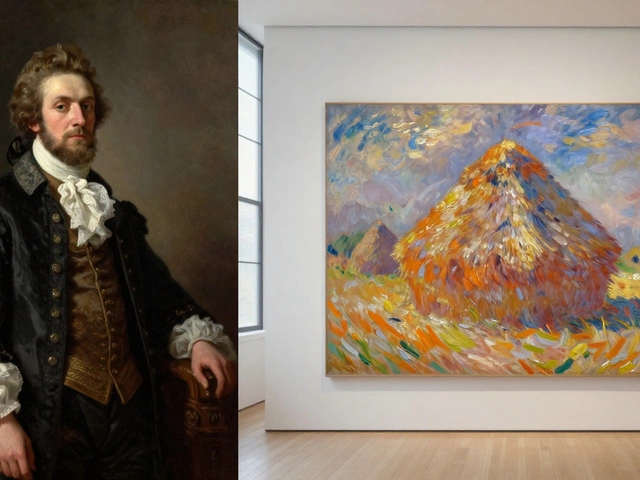
Who Was the Most Famous in Landscape Painting? A Look at Turner, Constable, and Monet
Discover who the most famous landscape painter is. We compare J.M.W. Turner, John Constable, and Claude Monet to see who truly shaped the art of painting nature.
Continue Reading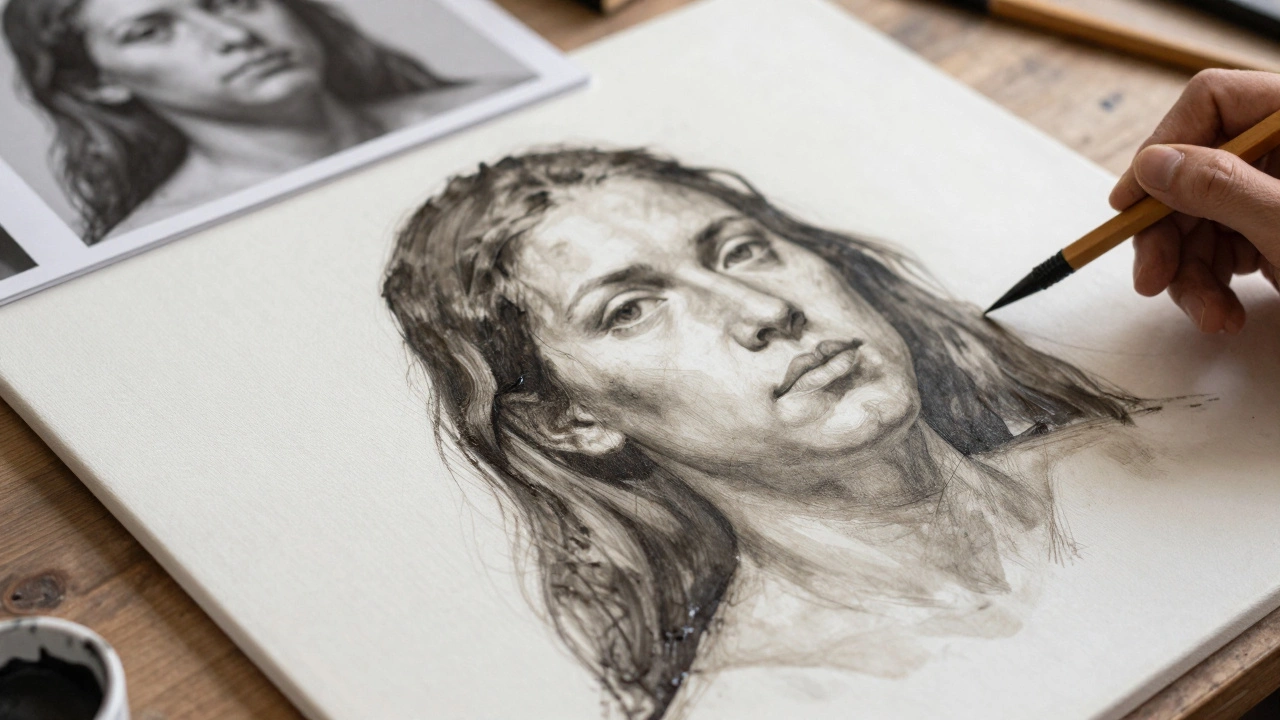
How to Make Portrait Paintings Look Professional: A Step-by-Step Guide
Learn how to elevate your portrait painting skills with professional techniques. From mastering value structures to controlling edges and mixing realistic skin tones, this guide covers the essential steps for creating lifelike art.
Continue Reading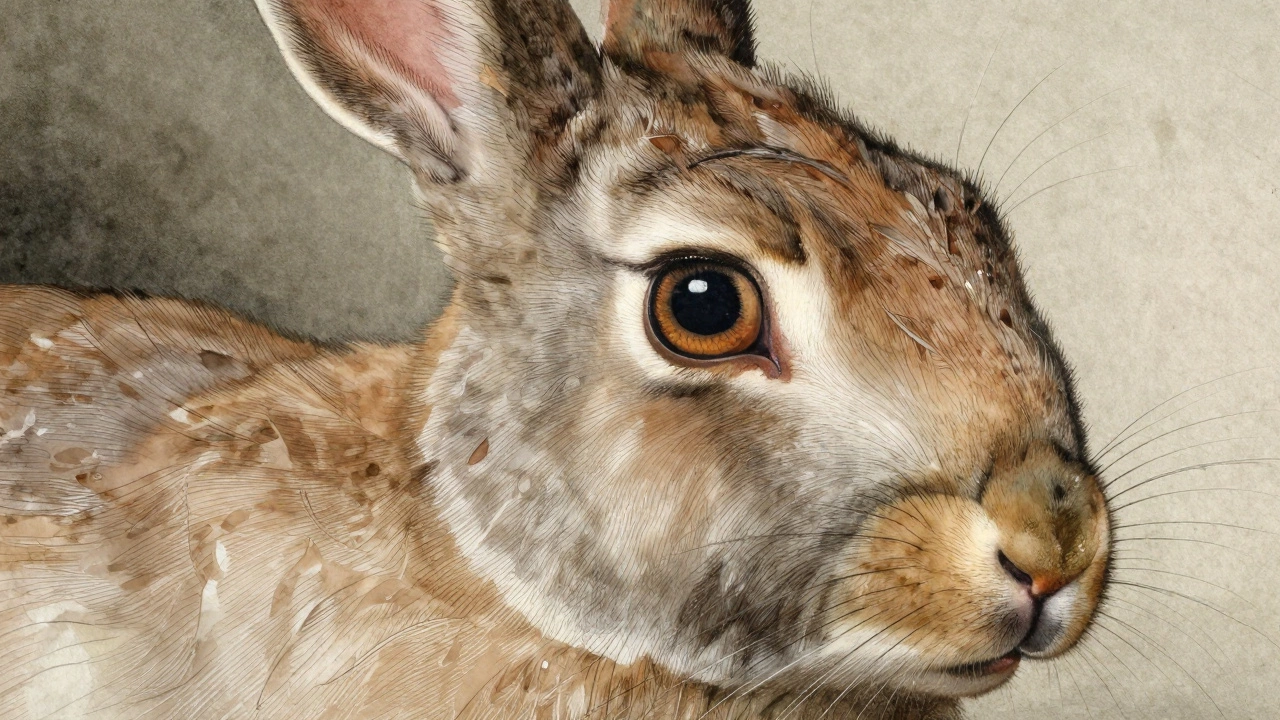
Famous Artists Who Mastered Watercolor: From Turner to Hokusai
Discover the famous artists who mastered watercolor, from Albrecht Dürer's precise studies to J.M.W. Turner's atmospheric landscapes. Learn why these masters chose this challenging medium.
Continue Reading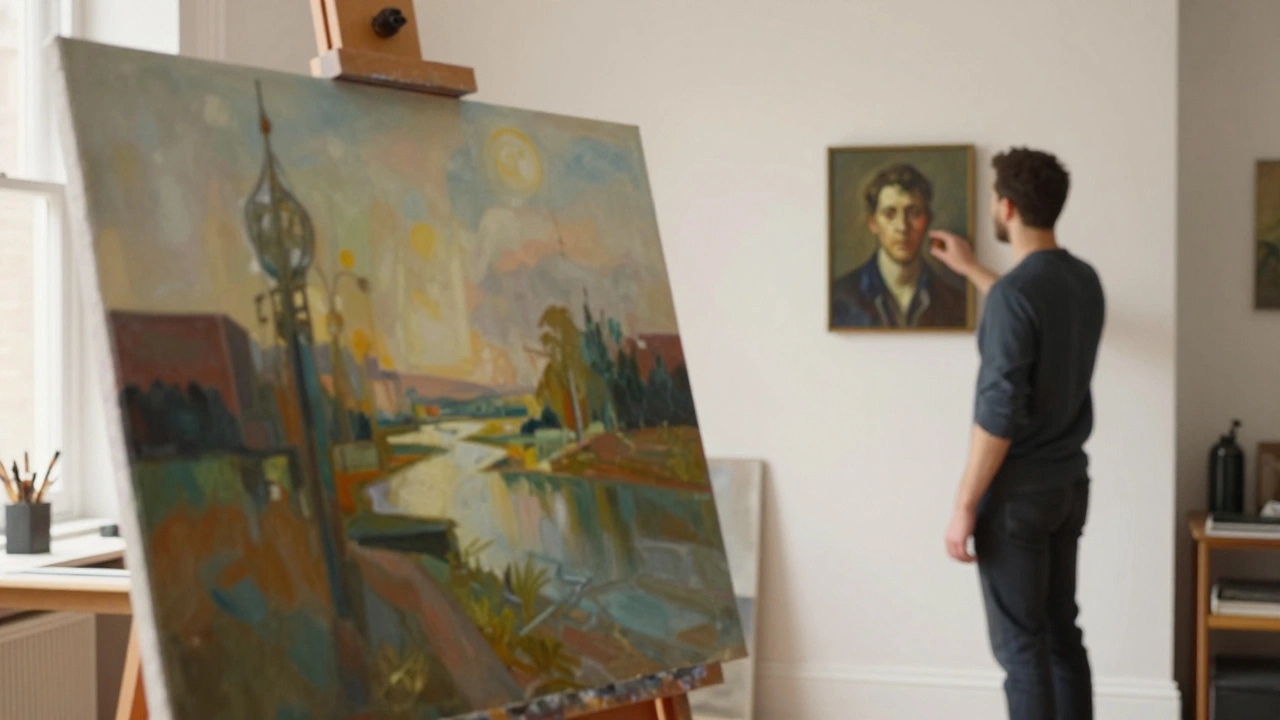
What Is the Most Profitable Art to Sell in 2026? A Guide for Portrait Painters
Discover which art genres generate the highest income in 2026. Learn why portrait painting, pet portraits, and strategic prints offer superior profitability for artists seeking financial success.
Continue Reading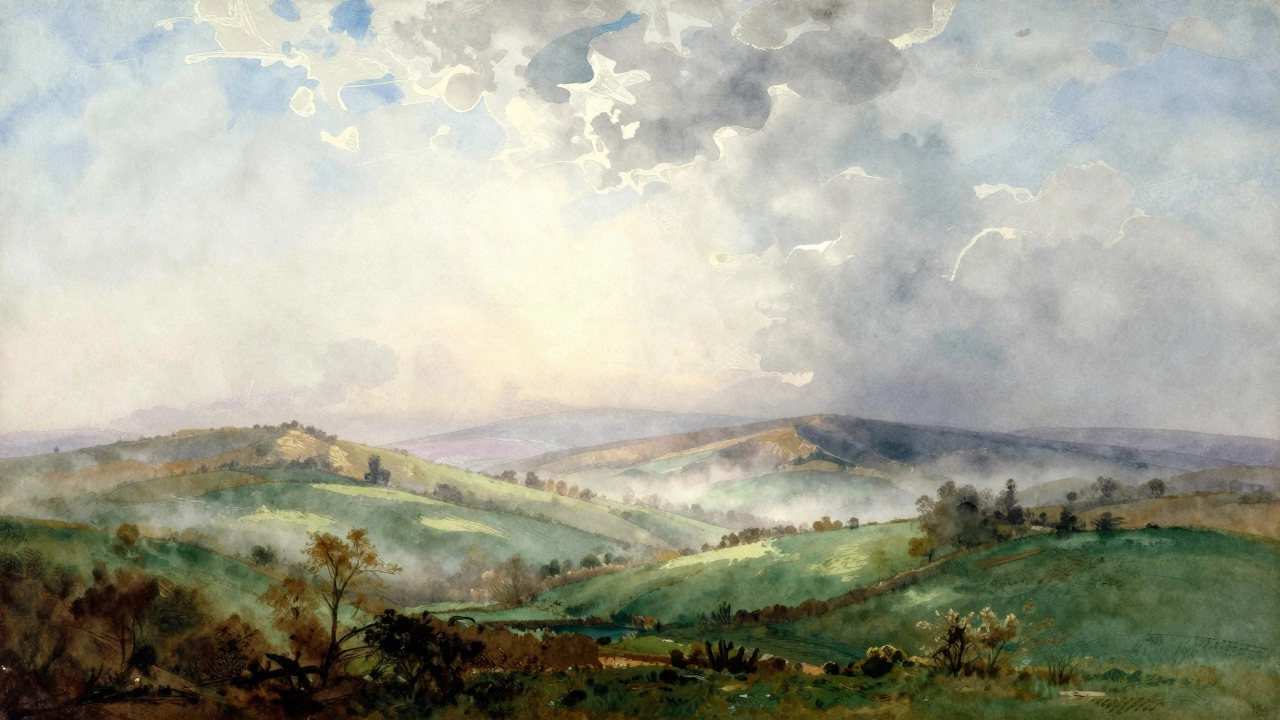
Which Country Is Famous for Watercolor Painting? The Definitive Guide
Discover which countries are famous for watercolor painting. From British landscapes to Chinese ink wash, explore the history and styles that define this versatile medium.
Continue Reading
How to Make Oil Paintings Look Smooth: Techniques for a Flawless Finish
Learn practical techniques to achieve a smooth finish in oil paintings, including proper surface prep, glazing, and brush selection.
Continue Reading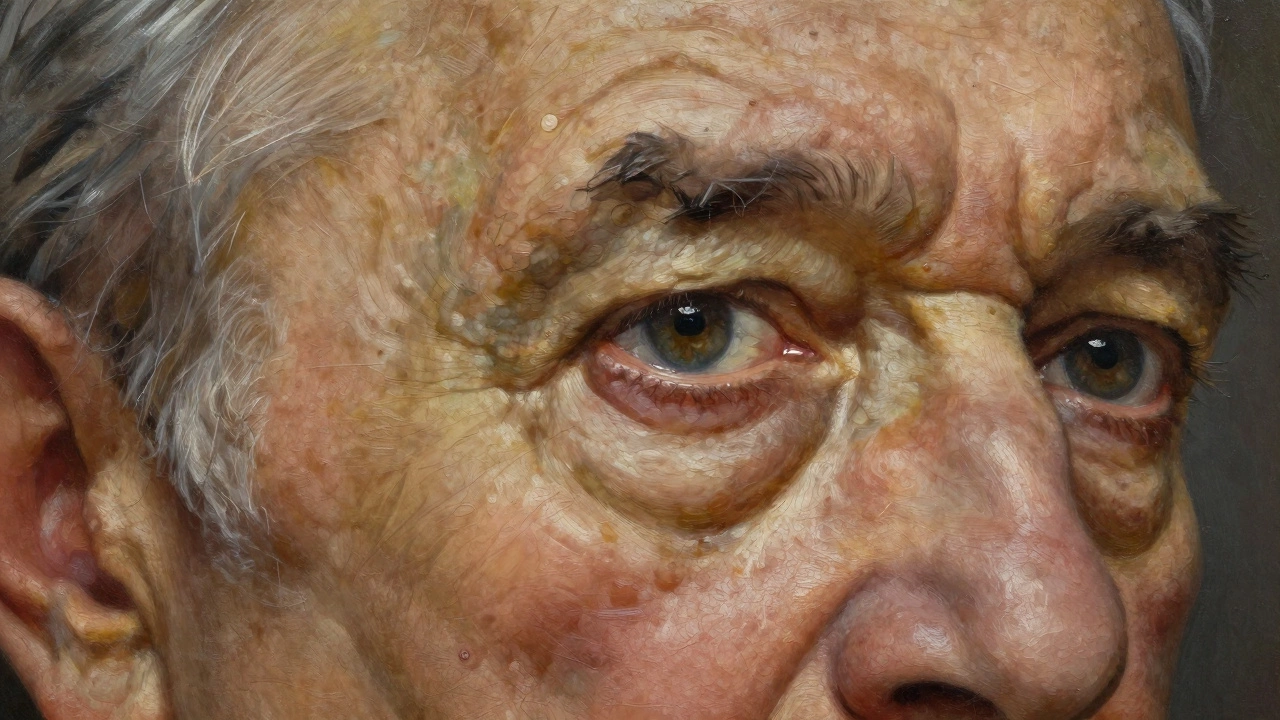
What Are Realistic Portraits Called? A Guide to Hyperrealism, Photorealism, and Verism
Discover the names behind ultra-detailed art: from Photorealism to Hyperrealism and ancient Verism. Learn how these styles differ, the techniques used, and why artists push realism to its limits.
Continue Reading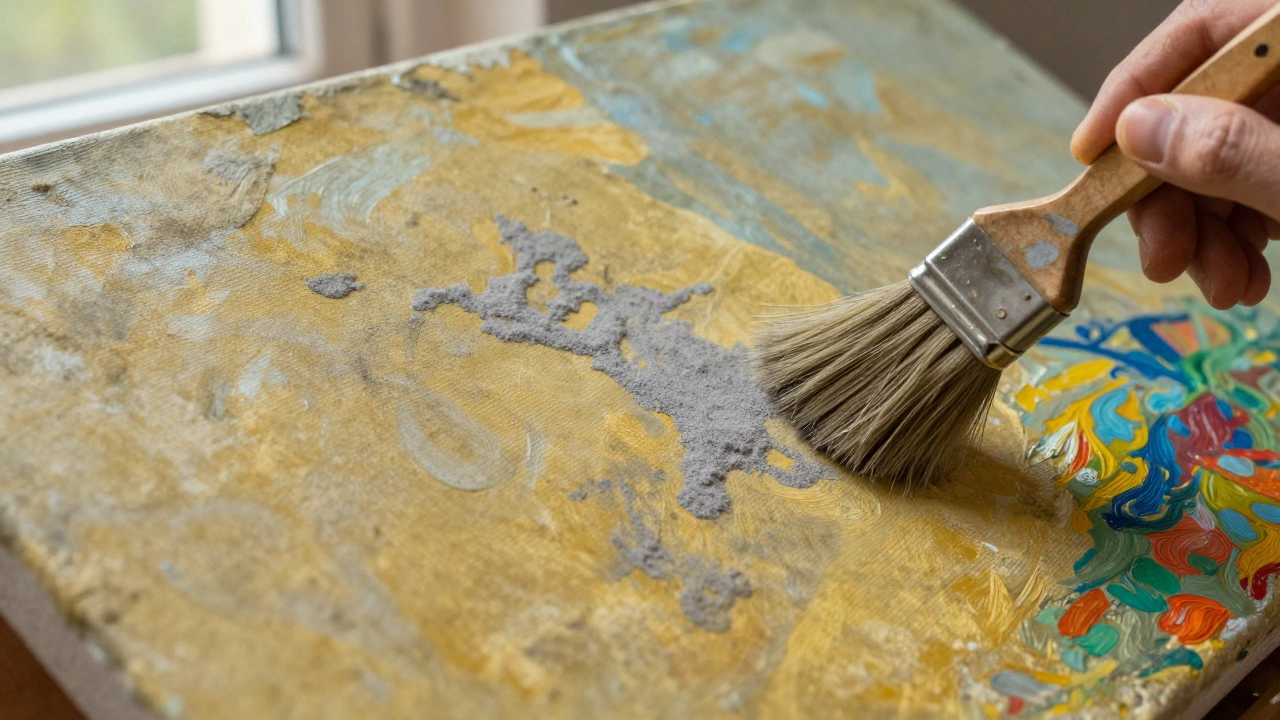
How to Brighten a Dull Oil Painting: Professional Restoration Tips
Learn how to restore the vibrancy of a dull oil painting. From removing oxidized varnish and surface grime to using professional glazes, get expert restoration tips.
Continue Reading