Portrait Profitability & Pricing Calculator
Commission Details
Recommended Price Range
Value-Based Estimate
Total Revenue
Net Profit
Enter your commission details to see how much you could earn based on current market trends.
Most artists assume that bigger canvases equal bigger checks. It’s a logical leap, right? More paint, more time, more money. But if you’ve ever stood in a gallery watching someone walk past a massive abstract piece to buy a small, intimate portrait, you know the reality is messier. The question isn’t just "what sells?" but "who buys it, and why do they keep paying more?" In 2026, the art market has shifted again. Collectors are tired of generic decor. They want connection. They want stories they can point to at dinner parties.
If you are a painter looking to maximize your income without burning out, the answer lies in understanding the specific economics of different genres. While blue-chip contemporary art dominates headlines with seven-figure auctions, the real profit for working artists often hides in specialized niches. Let’s look at the data, the psychology of buyers, and how you can position your work-especially if you lean toward portraiture-to actually make a living.
The Myth of the "Big Canvas" Premium
We need to bust the biggest myth in the studio first: size does not determine value. I see beginners pricing their work strictly by square footage. This is a recipe for disaster. A 4x4 foot landscape might take you ten hours. A 12x12 inch hyper-realistic eye study might take forty. If you price by area, you’re undercharging your skill and overcharging your mediocrity.
Profitability comes from perceived value, not physical volume. High-profit art pieces usually share three traits:
- Emotional Resonance: The buyer feels something immediate.
- Scarcity: Limited editions or unique originals with no easy substitutes.
- Status Signaling: The piece signals taste, wealth, or intellectual depth to others.
When we look at what consistently moves at high margins, we aren’t always looking at the largest objects. We’re looking at the most personal ones. This is where portrait painting stops being just a genre and starts being a business model.
Why Portraits Are the Silent Cash Cow
Let’s talk about the elephant in the room-or rather, the person in the frame. Portrait painting is one of the oldest forms of art, yet it remains one of the most profitable for independent artists today. Why? Because portraits solve a specific problem for the buyer: identity.
People don’t just buy landscapes because they like trees. They buy portraits because they love the subject, or they see themselves in the subject. When you paint a commissioned portrait, you are selling immortality, legacy, and emotional validation. These are high-ticket items.
| Genre | Average Margin | Buyer Motivation | Repetition Risk |
|---|---|---|---|
| Commissioned Portraits | High (70-90%) | Love, Legacy, Status | Low (Unique subjects) |
| Landscape/Abstract | Medium (40-60%) | Decor, Mood | High (Easy to replicate style) |
| Prints/Digital | Very High (85%+) | Affordability, Decor | None (Infinite supply) |
| NFTs/Crypto Art | Volatile | Speculation, Community | Extreme |
In 2026, the trend toward "hyper-personalization" is stronger than ever. Wealthy clients aren’t buying mass-produced prints. They are hiring artists to capture their children, their pets, or their ancestors in a way that photography simply cannot match. Photography captures light; painting captures essence. That distinction allows portrait painters to charge premium rates, often ranging from $2,000 to $10,000+ per piece depending on reputation.
The Rise of "Celebrity Adjacent" Portraiture
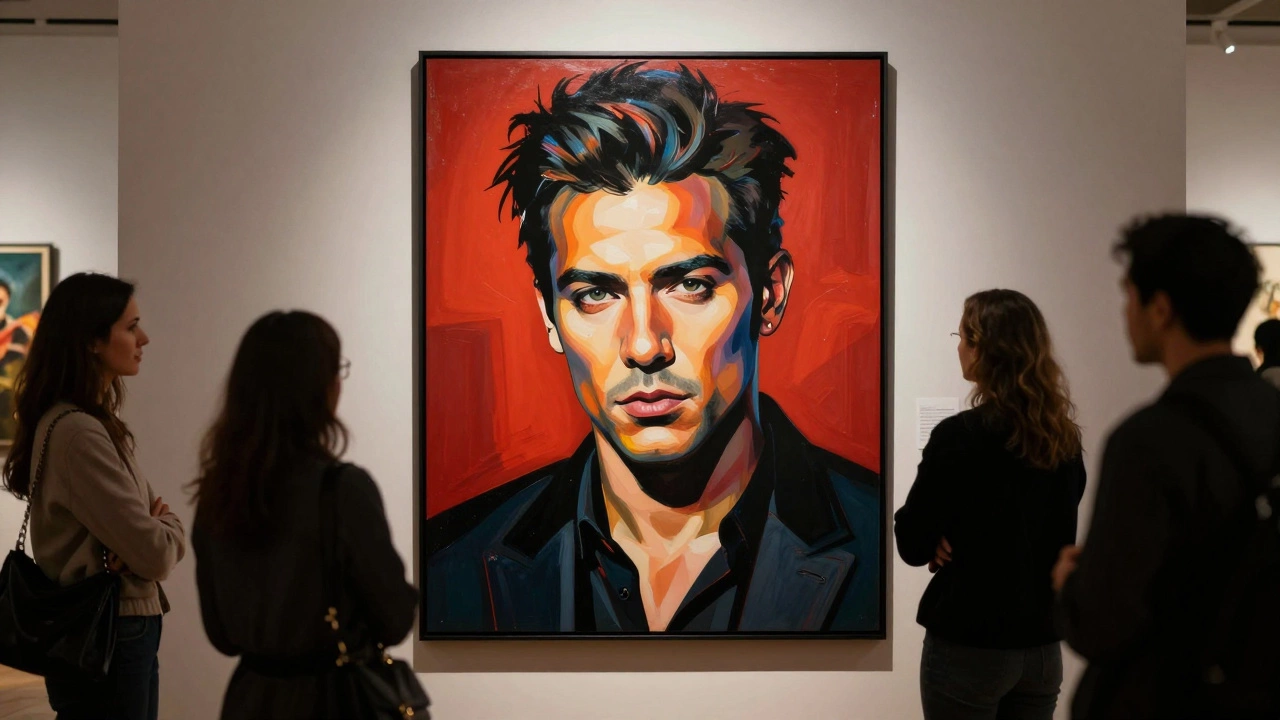
You don’t need to be a famous artist to sell high-value portraits. You need to leverage existing fame. This is the concept of "celebrity adjacent" art. Instead of waiting for a stranger to discover your talent, you create work related to figures people already care about.
This doesn’t mean fan art in the traditional sense. It means creating sophisticated, high-quality interpretations of musicians, actors, athletes, or even historical figures. Think of it as "artistic journalism." If you paint a compelling, modern-style portrait of a trending musician, you tap into their fanbase. Fans are willing to spend money on idols. They view these purchases as supporting the culture they love.
Key strategies here include:
- Timing: Release work when the subject is in the news or releasing an album/movie.
- Style Transfer: Apply your unique artistic voice to recognizable faces. Don’t just copy; interpret.
- Limited Runs: Offer signed, numbered limited edition giclée prints. This creates scarcity without the labor of painting 100 originals.
This approach bridges the gap between commercial illustration and fine art. It’s profitable because the marketing cost is near zero-the celebrity’s brand does the heavy lifting.
Pet Portraits: The Underrated Goldmine
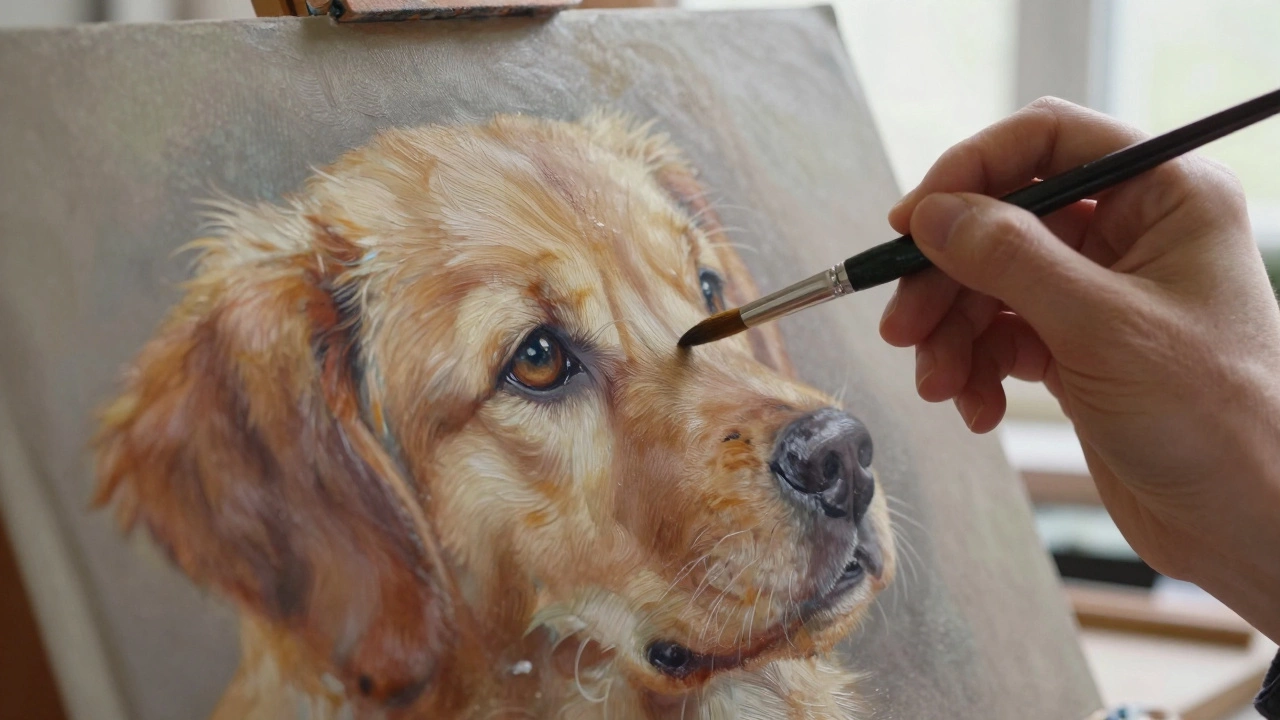
If human portraits feel too emotionally draining or technically demanding, look at pet portraits. The "pet humanization" trend shows no signs of slowing down. In 2026, pets are family members, and families invest heavily in them.
Why are pet portraits so profitable?
- Urgency: People often commission these after a beloved pet passes away. Emotional urgency reduces price sensitivity.
- Repeat Customers: A client who loves their dog portrait will likely come back for their cat, then their new puppy.
- Social Media Virality: Pet owners love sharing photos of their animals. Your art gets free advertising every time they post it on Instagram or TikTok.
The key is quality. A quick sketch won’t command a high price. You need to capture the personality, the fur texture, the soulful eyes. Oil and acrylic remain popular mediums here because they convey depth and permanence. Watercolor is also strong for its delicate, sentimental feel.
The Power of Prints and Digital Scaling
Here is the hard truth: Selling only original paintings caps your income. There are only so many hours in a day. To truly scale profitability, you must separate your time from your product. This is where prints and digital products come in.
However, there is a trap. If you just put your painting on a cheap poster and sell it for $30, you devalue your brand. The strategy for 2026 is "premium accessibility."
Use high-quality archival paper and museum-grade framing partners. Sell prints for $150-$400. This keeps the entry barrier low enough for casual fans but high enough to maintain prestige. Pair this with a "buy one, donate one" model or limited edition drops to create hype.
Digital art files, wallpapers, and even AI-assisted variations of your style can serve as lower-tier products. But remember: your original work is the anchor. Everything else is the satellite. Never let the satellites overshadow the anchor.
How to Price for Profit (Not Just Survival)
Many artists use the "hours worked + materials" formula. This is flawed. It punishes efficiency. If you get better and faster, you earn less. Instead, use a tiered pricing model based on career stage and demand.
The Tiered Model:
- Tier 1 (Entry): Small studies, sketches, or digital downloads. Price: $50-$150. Goal: Build email list and social following.
- Tier 2 (Core): Standard size originals or high-quality prints. Price: $500-$2,000. Goal: Steady income and regular collectors.
- Tier 3 (Premium): Large commissions, exclusive portraits, or limited series. Price: $3,000+. Goal: High margin and status building.
As you gain recognition, you move more customers up the tiers. You don’t raise prices across the board; you introduce higher-priced options. This respects your long-time clients while capturing more value from new, wealthier buyers.
Marketing: Where the Money Actually Is
You can paint the best portrait in Wellington, New Zealand, but if no one sees it, it’s worth zero. Marketing is not sleazy; it’s essential. In 2026, your online presence is your gallery.
Visual Storytelling: Don’t just post the final image. Show the process. Time-lapses of you mixing colors, the initial sketch, the struggle with a difficult shadow. People buy the journey as much as the destination. It proves the value of your labor.
Email Lists: Social media algorithms change. Email lists don’t. Offer a free guide (e.g., "How to Care for Your Oil Painting") in exchange for emails. When you have new work, announce it directly to people who already trust you. Conversion rates from email are 5-10x higher than social media.
Local vs. Global: Start local. Host open studios. Partner with local cafes or boutiques to display work. Local sales build your reference base and community support. Then, expand globally via Etsy, Saatchi Art, or your own Shopify store. The global market is vast, but competition is fierce. Local relationships provide stability.
Avoiding Common Pitfalls
Even with the right niche, artists lose money due to poor business practices. Here are the top three traps:
1. Underpricing Custom Work: Never give a flat rate for a commission without a deposit. Standard practice is 50% upfront, 50% on completion. This protects your time and filters out non-serious buyers.
2. Ignoring Copyright: Always retain copyright to your images. Clients buy the physical object, not the reproduction rights. If they want to print mugs with your portrait, they pay licensing fees. Make this clear in your contract.
3. Chasing Trends Blindly: NFTs were huge in 2021. Now? The market has matured. Don’t jump on every bandwagon. Focus on building a sustainable brand around your core strength-whether that’s realistic oil portraits or stylized digital character art. Consistency builds trust; trust builds price.
Final Thoughts: Your Unique Value Proposition
So, what is the most profitable art to sell? It’s the art that solves a problem for a specific group of people who have money and desire. For many, that’s portrait painting. It’s personal, it’s timeless, and it commands high prices because it touches the heart.
But it’s not just about the genre. It’s about how you package it, how you tell the story, and how you treat your customers. Treat your art business like a business, not just a hobby. Set boundaries, price confidently, and market relentlessly. The canvas is yours. Make it count.
Is portrait painting still in demand in 2026?
Yes, absolutely. In fact, demand for personalized, hand-painted portraits has increased as people seek authentic connections in a digital world. Commissioned portraits for families, couples, and pets remain a high-margin niche for skilled artists.
How much should I charge for a custom portrait?
Pricing varies by experience, but a baseline for a professional oil or acrylic portrait ranges from $800 to $3,000. Factors include size, medium complexity, turnaround time, and your reputation. Always require a 50% non-refundable deposit.
Are prints more profitable than originals?
Prints have higher profit margins per unit (often 80%+) because the labor is done once. However, originals command higher total revenue per sale. The most successful artists sell both: originals to build prestige and prints to scale income.
Can I sell celebrity portraits legally?
Generally, yes, under the doctrine of transformative use and First Amendment protections in many countries. However, you cannot imply endorsement by the celebrity. Always add disclaimers and ensure your work is clearly your own artistic interpretation, not a mere copy.
What is the best platform to sell art online?
For beginners, Etsy and Saatchi Art offer built-in traffic. For established artists, a standalone website (Shopify or Squarespace) allows for higher margins and better brand control. Instagram remains the best tool for driving traffic to any of these platforms.