Watercolour is forgiving in its beauty but unforgiving in its mistakes. One wrong brushstroke, too much water, or a poorly timed wash can turn a promising sketch into a muddy mess. You don’t need expensive supplies or years of training to make these errors-just a little enthusiasm and no real understanding of how the medium works. I’ve seen students cry over a ruined page, and I’ve done it myself. The good news? Most mistakes are avoidable if you know what to watch for.
Using too much water
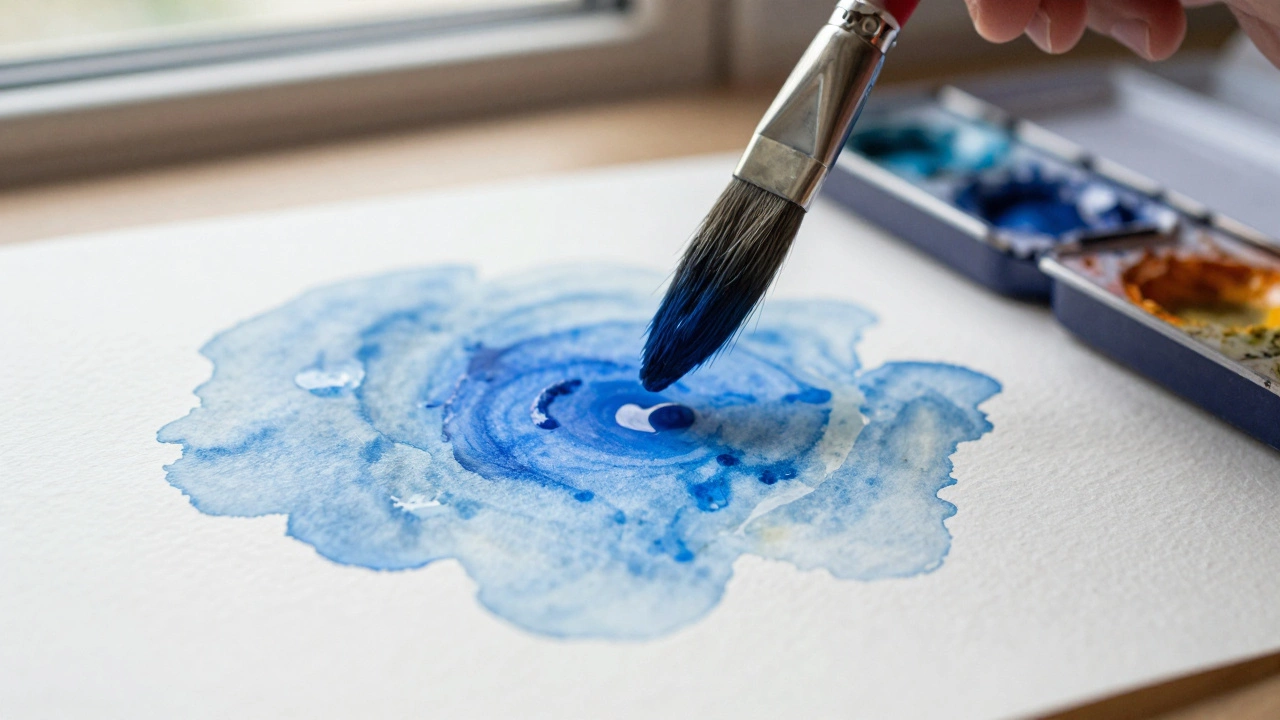
Water is the soul of watercolour, but too much of it turns your painting into a watercolor soup. Beginners often dip their brush like it’s a sponge, then wonder why their colours bleed everywhere. The paint doesn’t sit on the paper-it swims across it, pooling in corners and lifting underlying layers. A wet brush should hold just enough water to carry pigment, not flood the surface. Test your brush on scrap paper: if it drips before you even touch the page, you’ve got too much water. Let your brush dry slightly between washes. Think of it like pouring honey, not water.
Waiting too long to lift colour
Watercolour lets you lift paint off the paper while it’s still damp. That’s a powerful tool for correcting mistakes or creating soft edges. But if you wait too long-say, until the paper is half-dry-the pigment has already bonded with the fibres. Trying to lift it then just smears the colour, leaving a ghostly halo. If you need to correct a spot, act fast. Use a clean, slightly damp brush, press gently, and blot with a paper towel. If the paper is dry, you’re stuck with it. No amount of scrubbing will undo what’s already set.
Using the wrong paper
Not all paper is made equal. Regular printer paper or sketchbook pages will buckle, pill, and tear under watercolour. You need paper with weight-140 lb (300 gsm) or heavier-and cold-pressed texture. Cheap paper soaks up water too quickly and doesn’t allow for layering. It also doesn’t hold washes evenly, leaving streaks and blotches. I’ve seen people use $2 sketchbooks for watercolour and wonder why their paintings look cheap. A single sheet of proper watercolour paper costs less than a coffee, but it makes the difference between a painting that holds up and one that falls apart after one wash.
Layering too soon
Watercolour is built in layers. But layering too soon is like trying to build a second floor before the first one’s dried. If you paint over a damp wash, the underlying colour reactivates and mixes unpredictably. What you thought was a clean glaze becomes a muddy brown. Wait until each layer is completely dry-touch the paper with your knuckle. If it feels cool, it’s still damp. If it’s room temperature, you’re good. Patience isn’t optional here. Rushing layers is the number one reason watercolours look dull or lifeless.
Overworking the paint
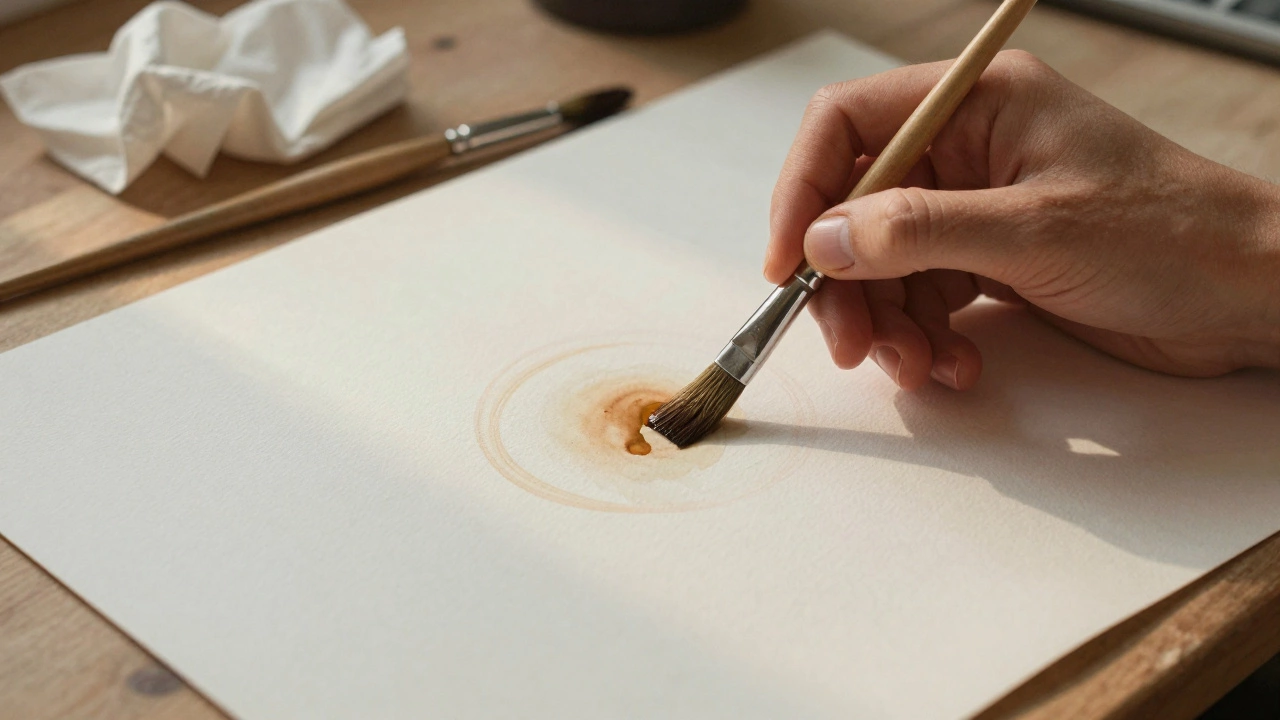
It’s tempting to keep brushing, blending, and tweaking. But watercolour doesn’t respond well to overworking. Every time you go over a dried area, you disturb the paper’s surface. The texture wears down, the pigment lifts unevenly, and the paper starts to pill. You end up with a flat, lifeless patch that looks like it was painted with a sponge. Let the paint do its job. If you need to adjust something, wait for the next layer. Less is more. One confident stroke beats ten hesitant ones.
Using too many colours at once
Trying to mix every colour on your palette into one wash is a recipe for mud. Watercolour pigments are transparent. When you layer too many, especially warm and cool tones together, they lose their clarity. A bright red + a deep blue + a touch of yellow + a hint of green? That’s not a rich purple-it’s a brownish sludge. Stick to two or three colours per wash. If you want complexity, build it slowly with glazes. Let each colour dry before adding the next. The magic of watercolour isn’t in mixing everything-it’s in letting light pass through clean layers.
Skipping the pencil sketch
Some artists think watercolour is too ‘free’ for pencil. That’s a myth. Light, barely-there pencil lines help you place shapes, avoid awkward compositions, and keep proportions right. If you go straight to paint without any guide, you’ll end up with a lopsided tree, a face that looks like it’s melting, or a horizon line that’s crooked. Use a hard pencil-2H or H-and press lightly. You can erase most of it later, or let it fade under transparent washes. A sketch isn’t a crutch; it’s a roadmap.
Not planning your light areas
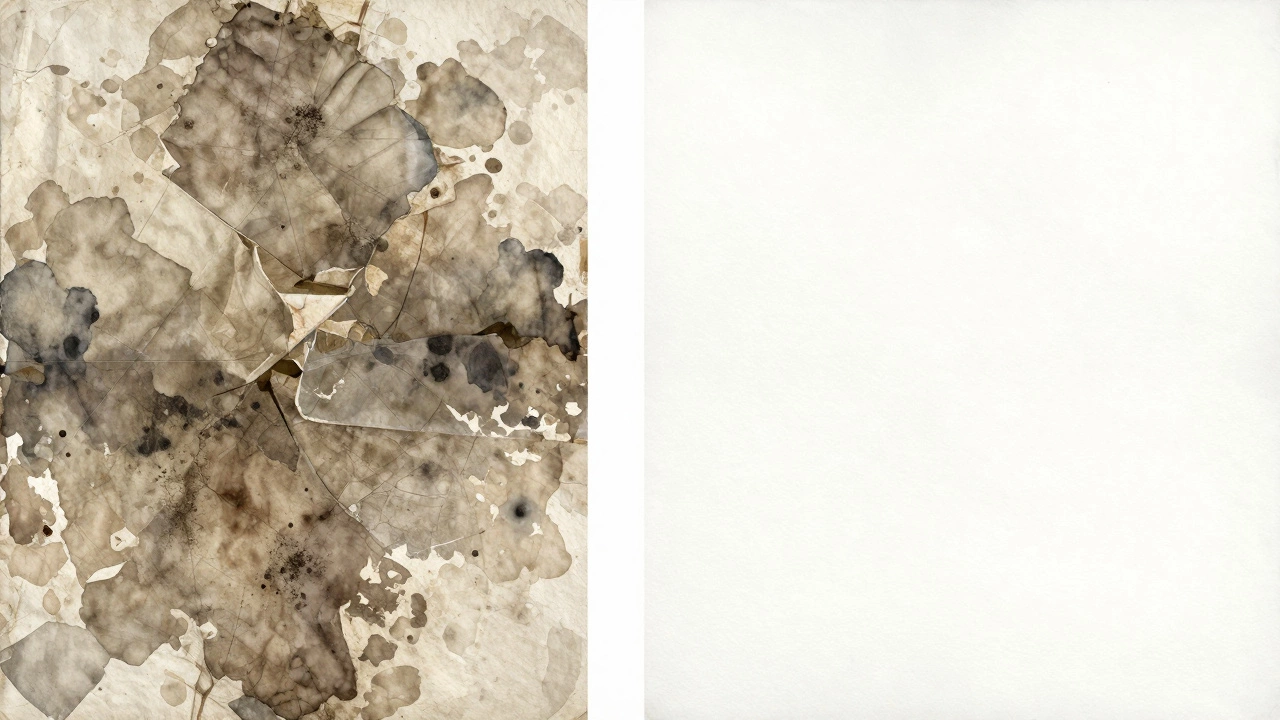
Watercolour is a subtractive medium. You don’t add white paint-you reserve the white of the paper. Beginners often paint over the areas they want to stay light, then wonder why their snow looks grey or their highlights look washed out. Plan ahead. Before you start painting, identify where your brightest spots will be: the edge of a cloud, the reflection on a teacup, the highlight on a petal. Leave those areas blank. Use masking fluid if you need to protect small details. Once you cover white with pigment, you can’t get it back.
Using poor-quality brushes
A $5 brush from a discount store might seem like a bargain, but it’ll ruin your work. Cheap brushes shed bristles, hold too little water, and lose their point after one wash. You need a good round brush-size 6 or 8-for general work, and a smaller one for details. Natural hair brushes (like sable or synthetic sable) hold water better and give you more control. If your brush doesn’t come to a fine tip when wet, it’s not worth using. Your brush is your voice. Don’t speak with a broken one.
Not letting the painting breathe
Watercolour needs space. Crowding the page with too many elements, too much detail, or too many colours makes the painting feel claustrophobic. Let some areas be simple. Let the paper show through. Let one area be a soft wash with no detail at all. That empty space isn’t wasted-it’s what makes the rest of the painting pop. Think of it like silence in music. The quiet parts give the loud parts meaning.
Expecting perfection on the first try
Watercolour doesn’t reward control. It rewards acceptance. You’ll make mistakes. You’ll have paintings that look nothing like what you imagined. That’s not failure-that’s the medium talking. Even professional watercolourists have days where everything goes wrong. The difference? They don’t throw the paper away. They learn from it. Keep every painting, even the bad ones. Look back at them in six months. You’ll see how far you’ve come. Watercolour doesn’t care if you’re perfect. It just wants you to show up, play, and let the water do its thing.