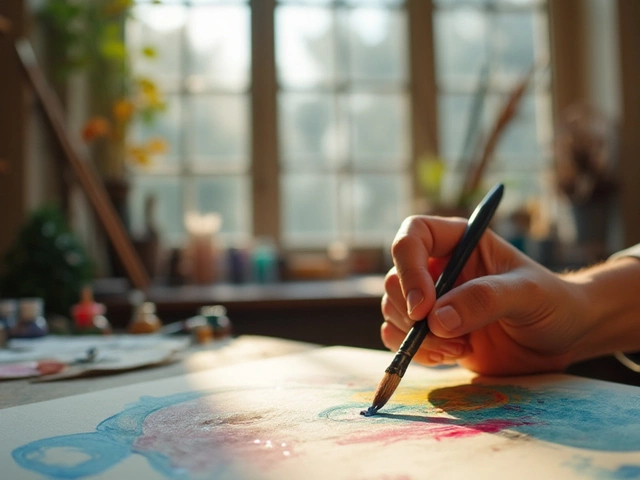
Oil Painting Techniques: Master the Fundamentals and Modern Methods
When you work with oil painting techniques, the methods artists use to apply, blend, and preserve oil-based pigments on canvas. Also known as oil painting methods, these practices determine how your colors hold up over time, how light interacts with your brushstrokes, and whether your painting feels alive or flat. Unlike watercolor or acrylic, oil paint dries slowly, which gives you time to adjust, rework, and build up layers without rushing. That’s why so many artists—beginners and pros alike—stick with it. But knowing how to use the medium isn’t just about brushing paint on. It’s about understanding how to layer, blend, and seal properly.
One of the biggest mistakes new painters make is trying to do too much too fast. oil painting layers, the process of building up paint in thin, transparent or semi-transparent coats are the secret to depth and luminosity. You don’t need to cover the whole canvas in one go. Instead, start with a thin underpainting, let it dry, then add more detail on top. This is how old masters like Rembrandt created those glowing skin tones and rich shadows. It’s not magic—it’s patience. And it’s something every modern artist still uses today, whether they’re painting a portrait or an abstract landscape.
Then there’s the question of protection. varnish oil painting, applying a final protective coat to shield the paint from dust, UV light, and yellowing isn’t optional—it’s essential. If you skip this step, your colors will dull, and the surface will attract dirt. But do it wrong, and you risk trapping dust or creating a sticky, uneven finish. The right varnish, applied at the right time (usually after 6–12 months), makes your painting look professional and last for generations.
And it’s not just about the paint. Your painting tools, brushes, palettes, solvents, and mediums that shape how the oil behaves on canvas matter just as much. A stiff hog bristle brush gives you different results than a soft sable. Linseed oil changes drying time. Turpentine thins the paint but can weaken the film if overused. You don’t need a full studio setup to start, but knowing what each tool does helps you control the outcome.
These techniques aren’t locked in the past. Even today’s most experimental artists rely on them. Whether they’re painting realistic portraits or abstract compositions, the rules of layering, drying times, and surface preparation still apply. The difference? They’re using those rules to break expectations, not follow them blindly.
Below, you’ll find real posts from artists who’ve figured out how to make oil paint work for them—whether they’re sealing their first piece, avoiding muddy colors, or deciding when to stop adding layers. No fluff. Just what actually helps.
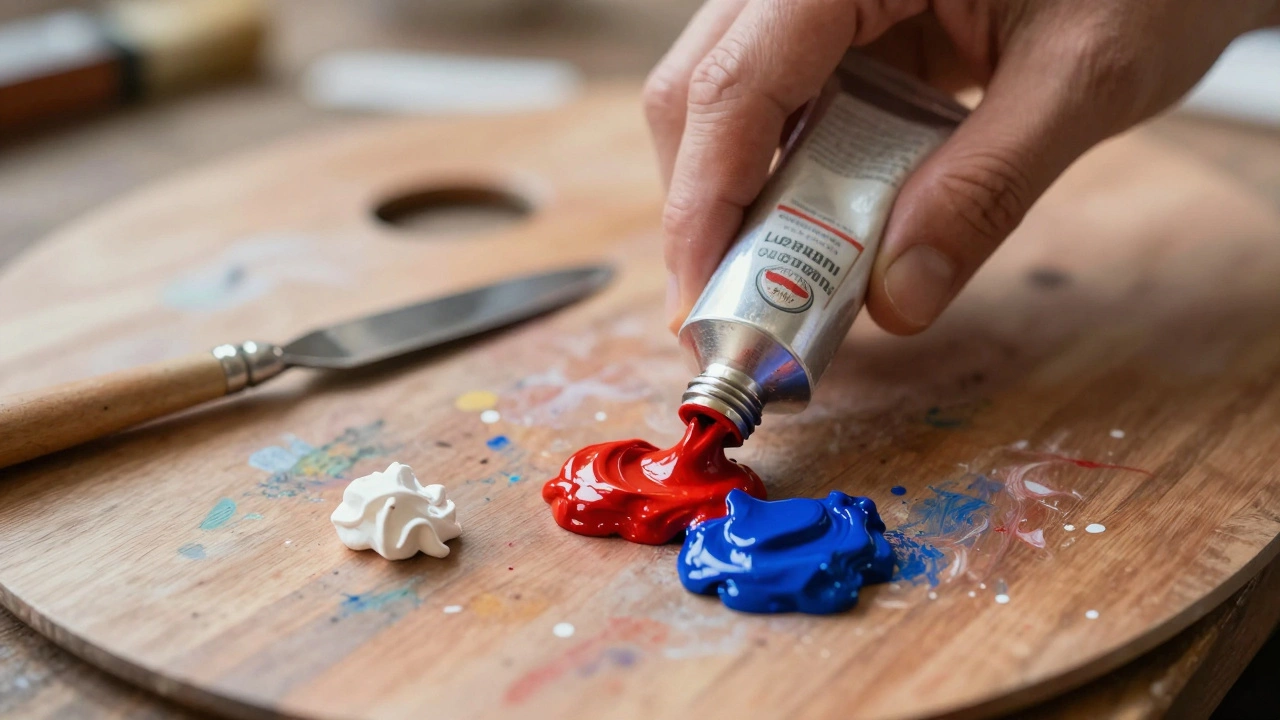
Can You Use Oil Paint Straight from the Tube? The Truth About Tube Paint in Oil Painting
You can absolutely use oil paint straight from the tube-it's designed for it. Learn when to use it as-is and when to add medium, plus common myths and pro tips for better results.
Continue Reading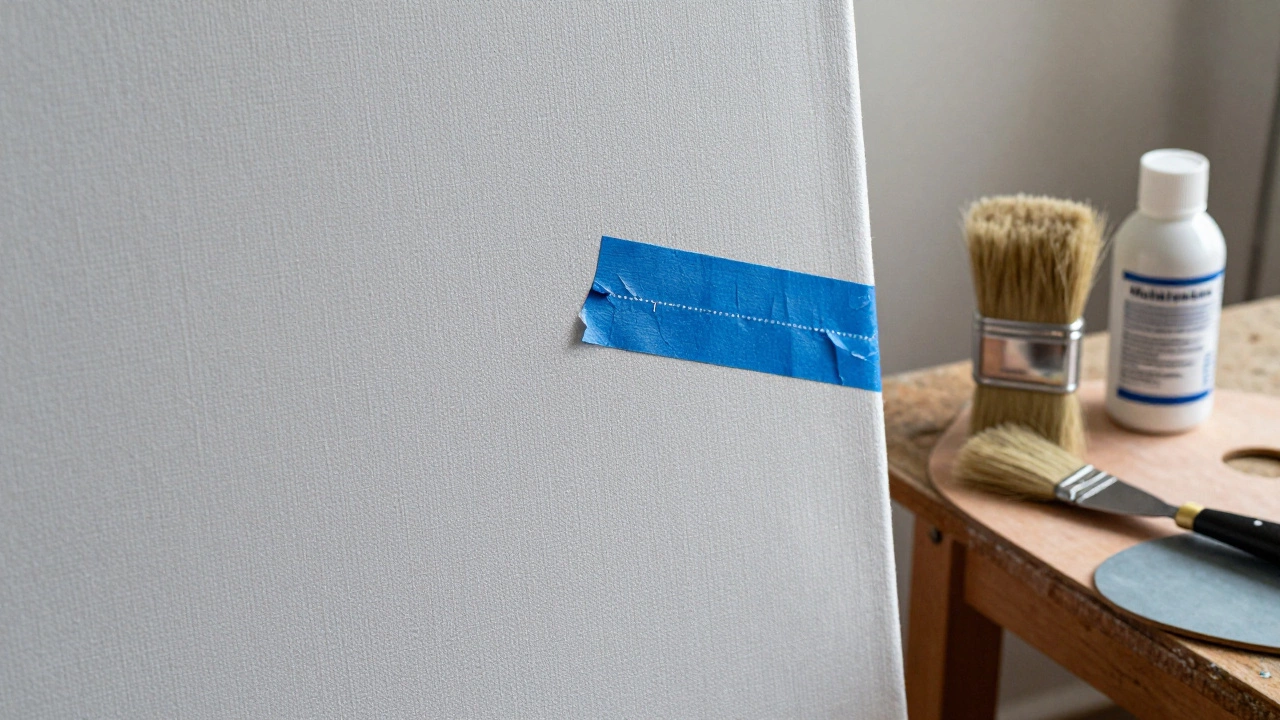
How to Paint Straight Lines in Oil Paint: Pro Techniques for Clean Edges
Learn how to paint clean, straight lines in oil paint using tape, brushes, and simple techniques. Avoid common mistakes and get professional results without advanced skills.
Continue ReadingCategories
Most popular
-
-
 Exploring Sculpture: Art or Design? Nov 30 2024
 -
-
-