Oil Paint Technique Advisor
When to Use Oil Paint Straight from the Tube
Choose your painting technique to see if you should use paint straight from the tube
Select a technique to see if you should use paint straight from the tube.
Why This Matters
The article explains that oil paint from tubes is designed to be used as-is for most techniques. Adding mediums is only necessary for specific effects like glazing, and doing so improperly can cause cracking, yellowing, or slow drying.
Key principle: Follow the fat-over-lean rule when layering. Tube paint works perfectly for the base layers - use mediums only when absolutely needed for transparency or flow.
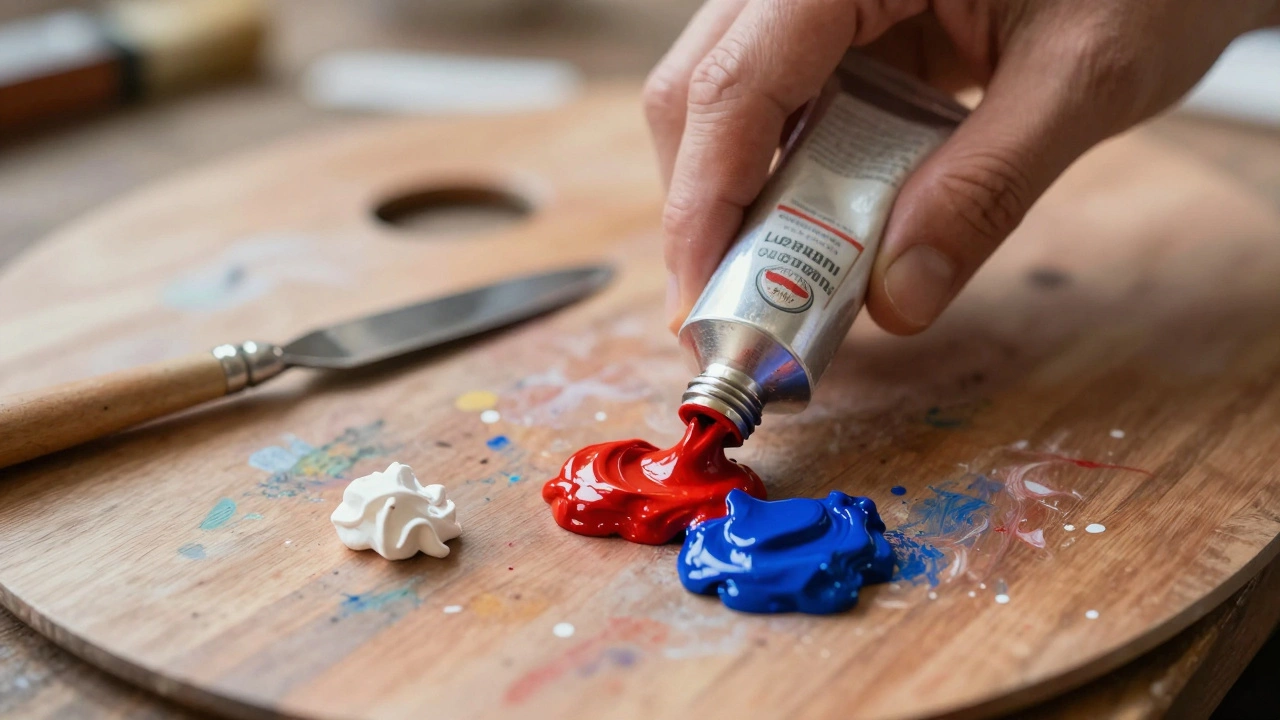
Ever squeezed a dollop of oil paint straight from the tube onto your palette and wondered if that’s really how it’s meant to be used? You’re not alone. Many beginners think they need to mix everything with linseed oil or solvent to make it "paintable," but the truth is simpler: oil paint from the tube is designed to be used exactly as it comes. No thinning required. No magic formula. Just paint.
What’s in the Tube?
Oil paint isn’t just pigment and oil. It’s a carefully balanced mixture of pigment, binder (usually refined linseed, walnut, or safflower oil), and sometimes additives like wax or stabilizers. Manufacturers spend years perfecting the consistency so that when you open the tube, the paint has the right body, flow, and drying time for direct application. High-quality brands like Winsor & Newton, Old Holland, or Gamblin load their tubes with enough oil to keep the pigment suspended without being greasy or runny.Think of it like toothpaste. You don’t add water to toothpaste before brushing-you use it as-is. Same with oil paint. The tube gives you the exact texture the artist intended. If you start adding solvents or oils without knowing why, you’re not improving it-you’re changing its behavior.
When Straight-from-the-Tube Paint Works Best
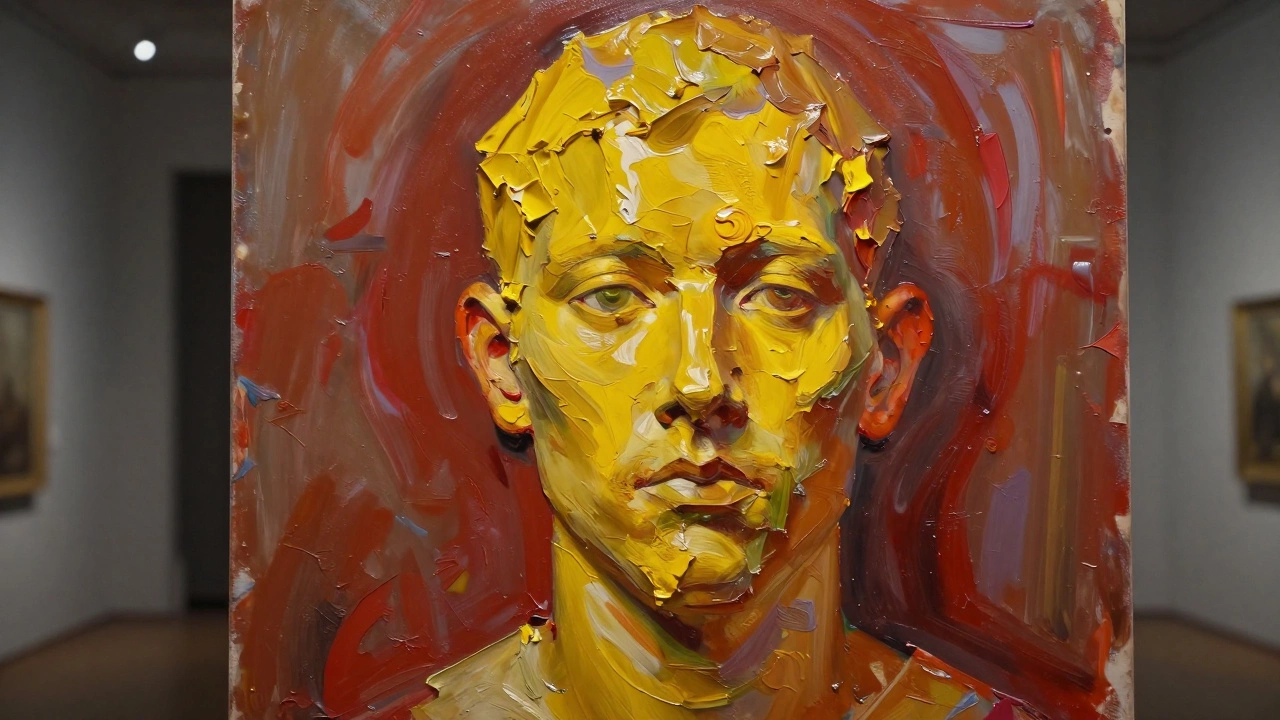
Using oil paint straight from the tube isn’t just acceptable-it’s often preferred. Here’s where it shines:- Impasto technique: Thick, textured strokes that hold their shape. Think Van Gogh’s swirling skies or Frank Auerbach’s heavy-faced portraits. Tube paint gives you that chunky, sculptural quality without needing to mix in mediums.
- Underpainting with opaque colors: Titanium white, cadmium red, or ultramarine straight from the tube lay down strong, quick-drying bases. No need to dilute them-opacity is the goal.
- Color blocking and bold shapes: If you’re painting a landscape with clear, flat areas of color-like a red barn or a blue sky-tube paint gives you clean, saturated coverage in one go.
- Working alla prima (wet-on-wet): When you paint quickly and finish in one session, you want paint that stays workable without drying too fast. Tube paint has the right balance of oil and pigment for this.
Many professional painters, especially those working in realism or expressionism, rely on tube paint for 70% or more of their work. They don’t dilute it because they don’t need to. The paint already does what it’s supposed to.
When You Might Want to Adjust It
That doesn’t mean you should never touch the tube paint. There are times when thinning or thickening helps:- Glazing: If you want a transparent layer of color over dried paint-say, a red glaze over a dried skin tone-you’ll need to thin the paint with a medium like linseed oil or a glazing medium. Tube paint alone is too thick and opaque for this.
- Large washes or backgrounds: Painting a sky or water with smooth gradients might require a little solvent (like odorless mineral spirits) to make the paint flow more easily. But even then, you’re not replacing the paint-you’re just adjusting its consistency temporarily.
- Darkening or muting colors: Sometimes you want to dull a bright cadmium yellow. Instead of adding white, you might mix in a touch of burnt umber straight from the tube. That’s still using paint from the tube-it’s just combining two tube colors.
Key point: You’re not fixing the paint. You’re adapting it for a specific effect. Most artists keep a few tubes on their palette and use them as-is, while keeping a separate jar of medium for glazes or washes.
Myths About Tube Paint
There are a few persistent myths that make people think they need to "fix" their tube paint:- "It’s too thick": It’s not. It’s just dense. That’s what gives it body. If it feels stiff, you’re probably using a lower-quality brand or the paint has dried out slightly on the surface. Scrape off the top layer and use what’s underneath.
- "It won’t blend": It blends just fine-on the canvas, not on the palette. Oil paint stays workable for days. Use a clean brush, gentle strokes, and let the paint do the work.
- "You need to add oil to make it flow": Adding oil changes the drying time and long-term stability. Too much oil can lead to cracking or yellowing over time. Tube paint already has the right amount.
One painter I know in Wellington, who’s been selling work for 25 years, uses nothing but tube paint for his coastal scenes. He says: "If I had to mix everything, I’d never finish a painting. The tube gives me speed, control, and color integrity. Why break what’s already perfect?"
What Happens If You Add Too Much Medium?
Adding too much solvent or oil to tube paint creates problems:- Slower drying: Paint with too much linseed oil can take weeks or months to dry fully. You might end up smudging your own work.
- Yellowing: Excess oil, especially linseed, can darken over time, especially in areas with little light.
- Cracking: If the top layers dry faster than the bottom (due to uneven oil content), the paint can crack as it ages.
- Weak film: Paint that’s too diluted doesn’t form a strong, durable surface. It becomes brittle and prone to flaking.
The fat-over-lean rule exists for a reason: each layer should have slightly more oil than the one below. But that doesn’t mean every layer needs to be thinned. Start with tube paint for your base layers. Add medium only when you need transparency or flow.
Pro Tips for Using Tube Paint
Here’s what works in practice:- Keep your palette clean: Wipe off dried paint with a rag before squeezing out new colors. Old paint can contaminate fresh tubes.
- Squeeze only what you need: Oil paint doesn’t expire quickly, but it dries out on the surface. Don’t leave big globs sitting for days.
- Use a palette knife: Mixing on a palette with a knife keeps your brushes clean and gives you better control over color ratios.
- Test consistency on scrap canvas: If you’re unsure whether to thin it, try a small stroke on a test piece. See how it lays down, blends, and dries.
- Don’t fear the tube: Your paint is ready. Trust it.
Final Verdict
Yes, you can-and often should-use oil paint straight from the tube. It’s formulated to be used that way. You don’t need to add anything unless you’re going for a specific effect like glazing or washes. Most masterpieces in museums were painted with paint straight from the tube. The artists didn’t overthink it. They just painted.The secret isn’t in the medium. It’s in the hand. The eye. The decision to put paint on canvas-and to trust that it’s enough.
Can you use oil paint straight from the tube without any medium?
Yes, absolutely. Oil paint is designed to be used straight from the tube. Most professional painters do this for the majority of their work, especially for opaque layers, impasto, and direct painting techniques. Adding medium is only necessary for specific effects like glazing or thin washes.
Why does my oil paint feel too thick?
If your paint feels stiff, it might be a lower-quality brand or the surface has dried slightly. Scrape off the top layer with a palette knife and use the paint underneath. High-quality paints maintain a smooth, buttery consistency. If it’s consistently too thick, try a different brand-some are naturally more viscous than others.
Does using paint straight from the tube cause cracking?
No, using paint straight from the tube doesn’t cause cracking. Cracking happens when you apply thick layers over thin ones (fat-over-lean rule broken) or when too much solvent evaporates from the bottom layer. Tube paint has the right oil-to-pigment ratio. Just follow the fat-over-lean principle when layering.
Should I mix oil paint with linseed oil before using it?
Only if you’re doing glazing or want a smoother, more fluid application. Mixing in linseed oil changes the drying time and increases the risk of yellowing over time. For most painting techniques, it’s unnecessary. Tube paint already contains enough oil to bind the pigment and remain workable.
Can I use tube paint for detailed work?
Yes. Many artists use thick, straight-from-the-tube paint for fine details-especially with small brushes. The high pigment concentration gives you intense color and sharp edges. For finer control, you can gently dab the brush on a paper towel to remove excess paint, but you don’t need to thin it.
Is tube paint more expensive than mixed paint?
Tube paint is the standard form of oil paint and is not more expensive than "mixed" paint-it is the mixed paint. You’re not paying extra for the tube. Pre-mixed paints in jars or tubes are the same product. The cost difference comes from pigment quality, not packaging. Cheaper tubes often have less pigment and more filler, which is why professionals stick to artist-grade brands.
If you’re just starting out, skip the tutorials that tell you to thin everything. Grab your tube, squeeze a bit onto your palette, and paint. Let the pigment speak for itself.