Best Colors for Portraits: How to Pick the Right Palette
When you sit down to paint a face, the first question is usually “what colors should I use?” The answer isn’t a one‑size‑fits‑all list, but there are a few core hues that show up in almost every realistic portrait. Knowing them saves you time, cuts down on wasted paint, and makes the skin look three‑dimensional instead of flat.
Let’s start with the basics. Most artists keep a small set of earth tones and a few primaries on hand. These become the building blocks for every skin tone you’ll encounter, whether the subject is fair, olive, or deep‑brown.
Essential Base Colors
Yellow Ochre is the backbone of warm skin. It adds a natural glow without looking too bright. Pair it with Burnt Sienna for a richer, reddish undertone that works well on cheeks, lips, and shadows. For cooler complexions, Raw Umber or Payne’s Gray mixed with a touch of white can create the subtle blue‑gray shadows you see under the jaw or around the eye sockets.
Don’t forget a good quality white—Titanium or Warm White. Use it to lift any of the earth tones into lighter values. A small dab of Alizarin Crimson can add depth to shadows on darker skin, while a pinch of Cadmium Red brightens the flash of blood on the nose tip.
Mixing Tips for Realistic Skin
Start with a mid‑tone that matches the subject’s overall hue. Mix a little Yellow Ochre with White, then test it on a scrap. Adjust by adding Burnt Sienna for warmth or a touch of Raw Umber for coolness. Remember: skin is never a single flat color; it’s a range of values that shift across the face.
When you need a shadow, drop the value by adding a bit of Payne’s Gray or a mix of the base colors with a dab of Ultramarine. Keep the shadow’s temperature consistent with the light source—warm light makes warm shadows, cool light makes cool shadows.
For highlights, use the base mix with extra White, but also throw in a sliver of Yellow Ochre or a tiny amount of orange to keep the highlight from looking chalky. A good trick is to add a speck of Cadmium Yellow to the highlight on the forehead when the light is warm.
Don’t try to paint the whole face in one go. Block in the major color zones first—cheeks, forehead, chin—then refine the transitions. Using a soft brush for the middle tones and a finer brush for the edges helps you keep the gradient smooth.
Now, a quick sanity check: step back and look at the portrait from a distance. If the colors look flat or too similar, you probably need to increase the contrast between light and dark areas. A little more Payne’s Gray in the under‑eye area or a touch more Yellow Ochre on the cheekbones can make a big difference.
Finally, keep a small palette of the core colors handy for every portrait session. It saves you from hunting for the perfect hue each time and trains your eye to recognize how those few pigments combine into a full range of skin tones.
With these basics, you’ll find that choosing the best colors for portraits becomes second nature. Grab your brushes, mix a little, and watch the face come to life on the canvas.
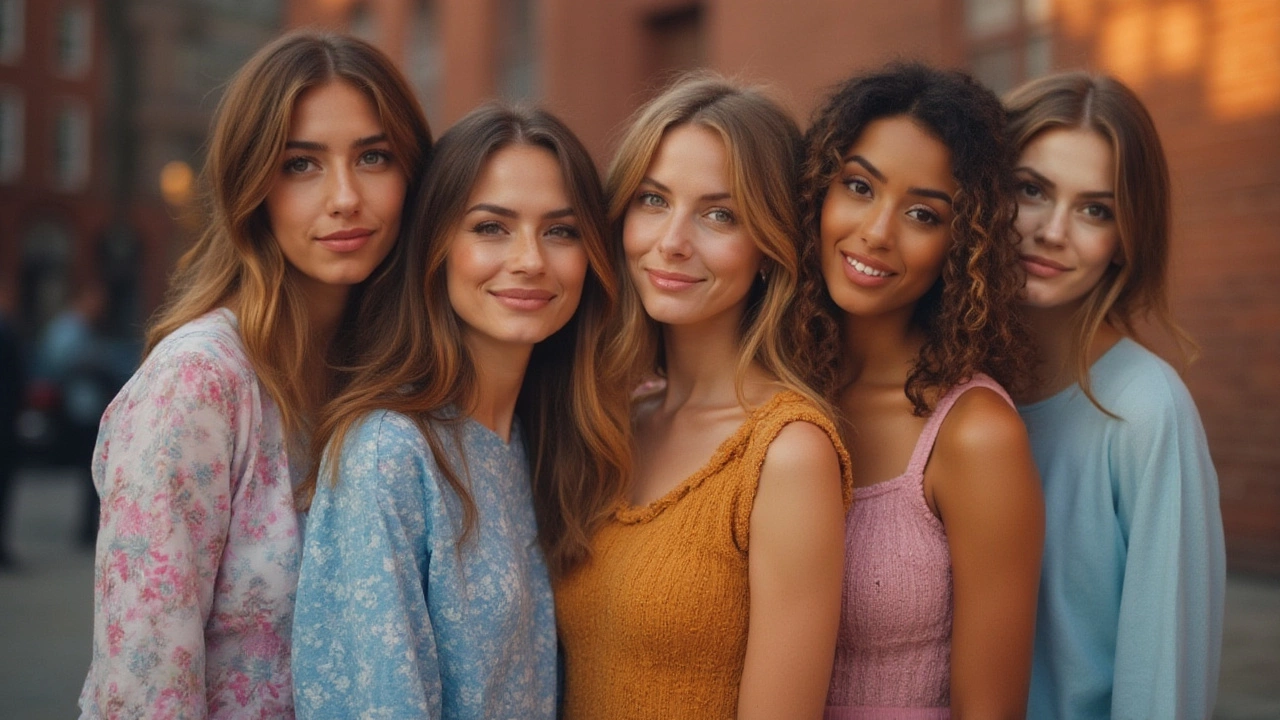
Best Colors for Portraits: Expert Tips for Choosing the Right Hue
Find out which colors look best in portraits, whether for photos or paintings. Get expert advice, surprising facts, and easy-to-use tips to make your portraits pop.
Continue ReadingCategories
Most popular
-

-
-
-
 What Is Considered the Best Musical of All Time? Feb 16 2026
 -
 How to Compose Music That Makes People Cry Apr 16 2026