Art Exhibition Guest List Planner
Evaluate Your Potential Guests
Input people you're considering inviting to your exhibition. The tool will assess their relevance based on criteria discussed in the guide.
Your Guest List
Hosting your first art exhibition is exciting-but then comes the real question: who should you invite? It’s not just about filling the room. It’s about creating the right energy, sparking conversations, and opening doors for your work. Too many artists invite everyone they know and end up with a crowd that doesn’t connect with the art. Others invite too few and feel like they’re showing to an empty room. The answer isn’t about size-it’s about strategy.
Start with your core supporters
These are the people who’ve already shown up for you. They’ve liked your Instagram posts, bought a small print, or just stopped by your studio to say they loved that blue piece. They don’t need to be collectors or curators. They just need to care. Invite them first. Their presence gives your show warmth and authenticity. When someone walks in and sees familiar faces, they feel welcome too. A show with no one you know feels like a performance. A show with your people feels like a celebration.Include local art community members
That painter down the street who’s been in three group shows? The gallery owner who runs the indie space on Cuba Street? The art student who always asks smart questions at openings? Invite them. These people aren’t just attendees-they’re your peers. They’ll notice the technique in your brushwork, the tension in your composition, the way you’re pushing boundaries. Their feedback matters. And if they like your work, they might invite you to their next show, recommend you to a collector, or even collaborate. In Wellington’s small but tight-knit art scene, one conversation at an opening can lead to your next opportunity.Bring in potential buyers-but don’t chase them
You don’t need to send fancy invitations to every wealthy person in the city. You do need to find the ones who already collect art like yours. Check out who’s buying similar work at the City Gallery’s emerging artist program. Who’s shown up to the recent Wellington Contemporary Art Fair? Who follows local galleries on Instagram and comments on posts about abstract mixed media? Find those people. Send them a personal note-not a mass email. Say you’re showing new work and would be honored if they came. Don’t say, “Hope you’ll buy something.” Just say, “I think you’d appreciate the direction I’m taking.” People respond to sincerity, not sales pitches.Invite critics and journalists-but only if they’re relevant
A review in the Domed or Art New Zealand can change your trajectory. But don’t invite every arts writer who’s ever written a piece. Look for those who’ve covered artists with a similar style, materials, or themes. If you work with recycled textiles and found objects, invite the writer who reviewed the recent fibre art show at the Dowse. If your work is deeply political, find the journalist who covered the protest art collective last year. Send them a printed invitation with a short artist statement. No fluff. Just the facts: dates, location, what the work is about. If they care, they’ll come.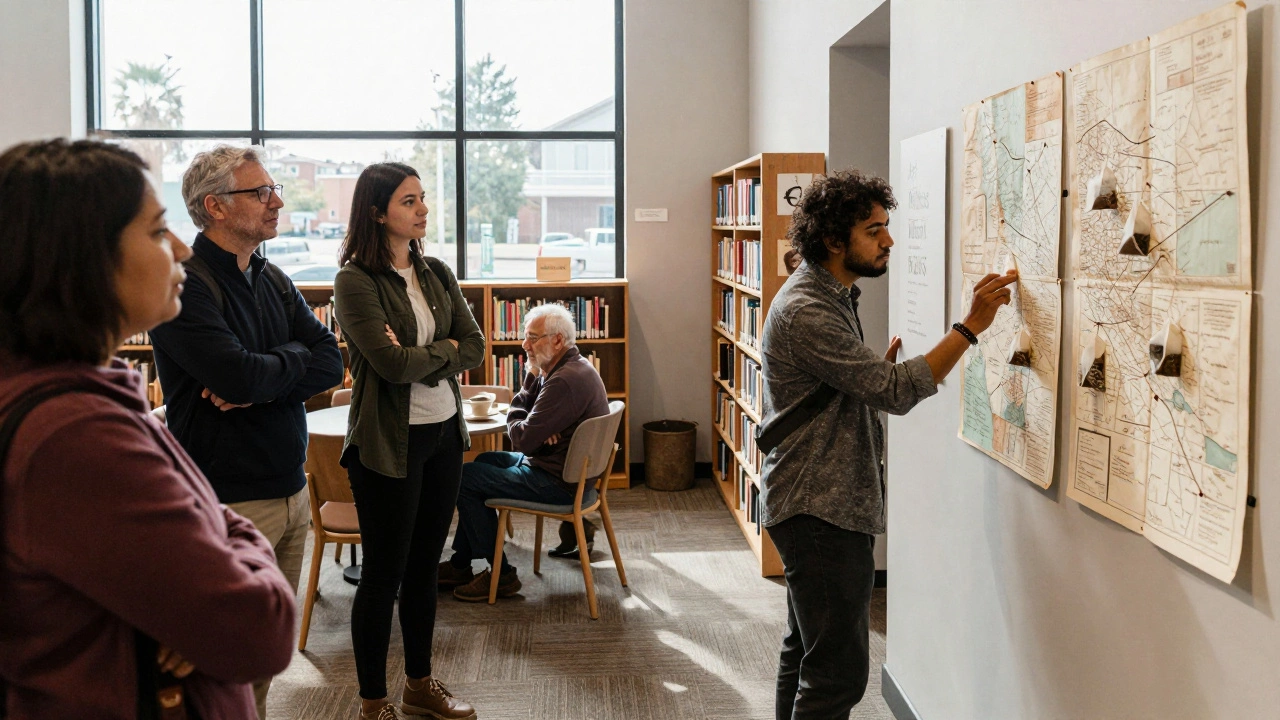
Don’t forget your friends’ friends
Your cousin’s partner works in design. Your old flatmate now runs a boutique hotel. Your yoga teacher collects ceramics. These people might not know art, but they know people who do. And they’re often more open to new experiences than the “art world insiders.” Invite them with a personal touch: “I know you don’t usually go to galleries, but this one’s different-it’s got this weird sculpture made of old bicycle chains and I thought you’d get a kick out of it.” That kind of invitation feels human. It opens the door for someone who might never walk into a gallery otherwise-and they might bring five others with them.Keep it real: skip the obligatory invites
That uncle who says he “loves art” but only goes to the annual Christmas craft fair? The coworker who never replies to texts? The ex who still thinks you’re “just doodling”? Don’t invite them unless you genuinely want them there. An art exhibition isn’t a family reunion. It’s a focused moment for your work. If someone’s coming just to be polite, it shows. The room will feel flat. You’ll feel drained. Better to have 30 people who are truly excited than 80 who are just checking a box.How many people should you invite?
There’s no magic number. A small studio show in Te Aro might only hold 40 people comfortably. A larger venue like the Adam Art Gallery might hold 200. But attendance isn’t about capacity-it’s about connection. Aim for 50-100 people who actually care. That’s enough to create buzz without overwhelming the space. If your show is in a small gallery, keep the list tight. If it’s in a public space, you can open it up a bit more. But always prioritize quality over quantity.
Timing matters
Send invitations three to four weeks before the show. Too early, and people forget. Too late, and they’re already booked. Use digital invites for speed and tracking, but send a physical card to key people-the ones you really want to show up. A handwritten note on thick cotton paper says more than a thousand emails. Include: date, time, location, a short line about the work (“Exploring memory through layered textile fragments”), and a QR code to your website or Instagram. Make it easy for them to learn more.What if no one shows up?
It happens. Even to established artists. If your opening night is quiet, don’t panic. Maybe the weather was awful. Maybe it clashed with a rugby match. Maybe your invite list just wasn’t quite right. The show isn’t over. Keep it open for a few more days. Post a photo on Instagram with a caption like: “The opening was quiet, but the work is still here-and still speaking. Come see it before Friday.” People respond to honesty. And sometimes, the best conversations happen when the room is empty.After the show: who to follow up with
Not everyone who comes will buy. But some will. And some will just say something meaningful. Write down names and notes after the show. Who asked about your process? Who mentioned a specific piece? Who said, “I’ve been looking for something like this”? Those are your leads. Send a thank-you note within a week. No sales talk. Just: “Thanks for coming. I’m glad you connected with the piece about memory-it meant a lot to me to hear that.” That’s how relationships start.Final thought: your exhibition is a conversation
You’re not selling a product. You’re offering a perspective. The right guests aren’t just viewers-they’re participants. They ask questions. They linger. They come back. They tell their friends. Invite the people who’ll listen. Not the ones who’ll just take photos.Should I invite family members to my art exhibition?
Yes-but only if they’re genuinely interested in your work. Don’t invite family just out of obligation. If your mom loves your art and asks about your process every time you see her, invite her. If your brother only shows up to eat the cheese platter and leaves before 8 p.m., skip him. Your exhibition should feel true to you, not like a family gathering.
Do I need to invite gallery owners even if I’m not showing in a gallery?
Yes, if you’re serious about your career. Gallery owners attend exhibitions to discover new talent-even outside their own spaces. If you’re showing strong work, they might invite you to apply for a group show, recommend you to a collector, or even offer you a solo slot later. Don’t treat them like gatekeepers. Treat them like potential allies.
Is it okay to invite people I don’t know well?
Only if they’ve shown interest in your work before. If someone commented on your Instagram post about your new series, or sent you a DM saying they loved your color choices, invite them. But don’t cold-invite strangers from LinkedIn or random art groups. Personal connection matters more than reach.
What if my exhibition is in a public space like a library or café?
Then your audience will be more casual. Still invite your core supporters, but also consider local community members-teachers, librarians, café regulars. These spaces attract people who don’t usually go to galleries. Make your invitation friendly and clear: “Come see art made from old maps and tea bags-no art experience needed.” Keep it open, warm, and approachable.
Should I invite influencers or bloggers?
Only if their audience matches your work. If you make quiet, textured abstracts, don’t invite a lifestyle influencer who posts about coffee shops and travel. But if you’re working with bold street art aesthetics, and a local art blogger regularly covers that scene, invite them. Focus on relevance, not follower count. One thoughtful post from the right person means more than ten shallow ones.