Sculpture Form Analysis Quiz
Test Your Understanding of Sculpture Form
Answer these questions based on the article to see how well you understand why form is the most important element in sculpture.
What is identified as the most important element in sculpture according to the article?
How does form create relationship with space?
Can a sculpture have good form without being realistic?
What makes a sculpture memorable according to the article?
How can you determine if a sculpture has good form?
Results
Your score: 0/5
Form Understanding
Understanding form is essential for appreciating sculpture. The article emphasizes that form is the foundation that communicates emotion, interacts with space, and creates memorable experiences. Strong form is what makes sculpture more than just a lump of material.
Look at a sculpture. Not just glance at it-really look. Maybe it’s a smooth bronze figure in a park, or a jagged steel piece in a gallery. What stops you? What makes you pause? It’s not the title. It’s not the artist’s name. It’s not even the material. It’s the form.
Form Is the Foundation
Sculpture is different from painting. A painting shows you something. A sculpture is something. It occupies real space. It has weight. It casts shadows. It changes as you walk around it. And all of that starts with form.
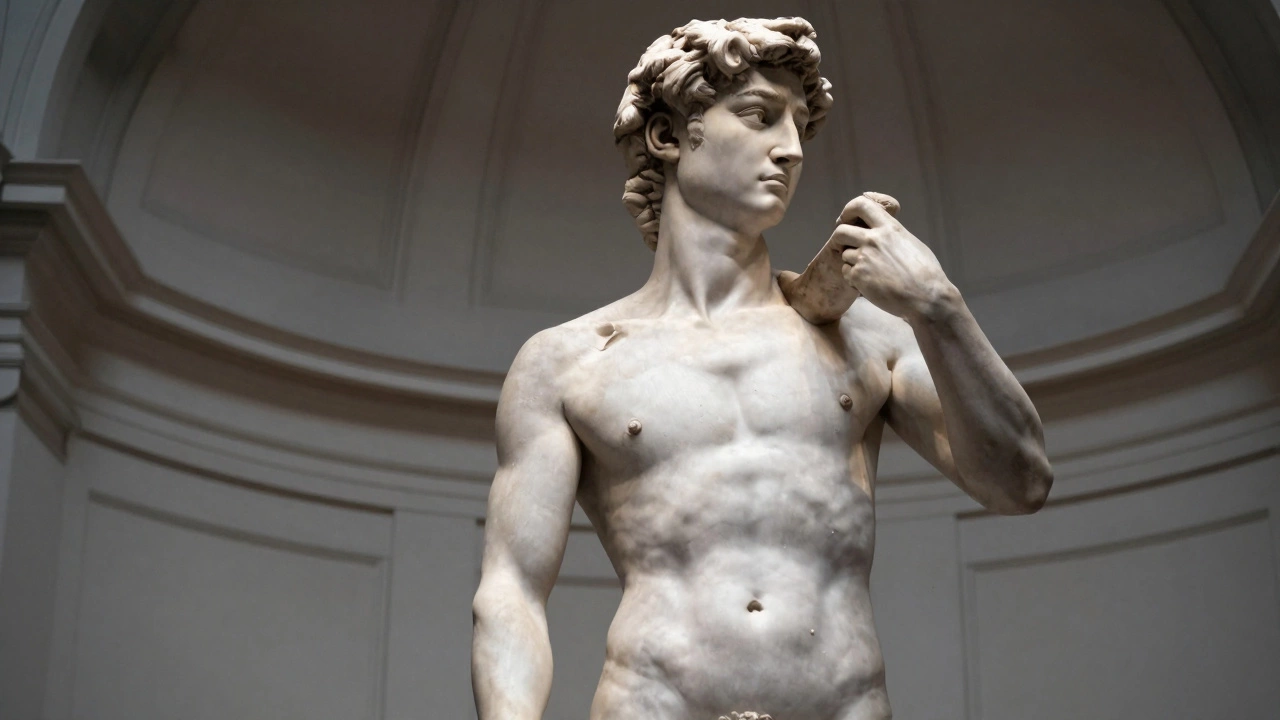
Form is the three-dimensional shape of the object. It’s how the material is arranged in space to create volume. Think of Michelangelo’s David. The curve of the shoulder, the tension in the neck, the way the hips twist-it’s all form. No brushstroke. No color. Just carved marble shaped to hold the human body in motion.
Without form, sculpture is just a lump. Even abstract sculptures rely on form. Henry Moore’s reclining figures aren’t realistic, but they still have clear, flowing shapes that suggest a body. Barbara Hepworth’s holes aren’t empty-they’re part of the form, defining space as much as the solid parts.
Form Creates Relationship With Space
Form doesn’t exist in a vacuum. It talks to the space around it. That’s what makes sculpture so powerful. A painting is confined to the canvas. A sculpture breathes with the room.
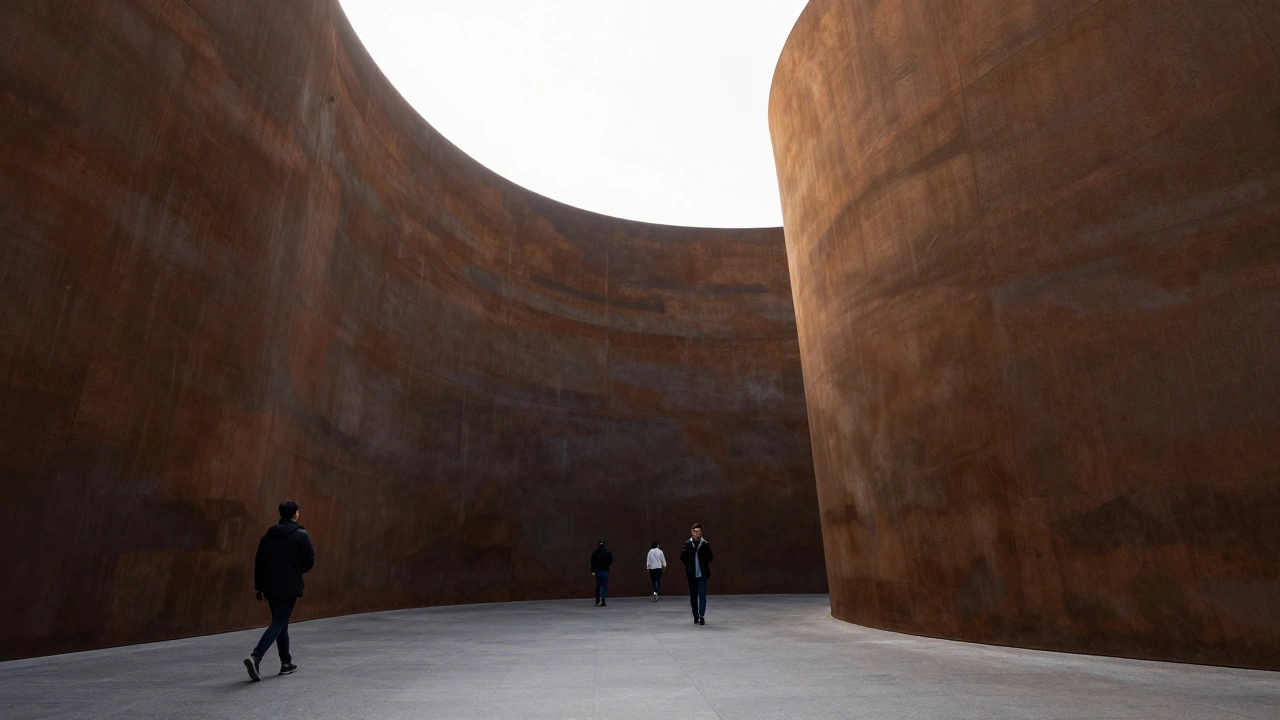
Think about Richard Serra’s massive steel curves. You don’t just see them-you feel them. You walk between them. The space between the walls becomes part of the artwork. The form doesn’t just take up space-it reshapes how you move through it. That’s why people get lost in Serra’s installations. It’s not confusion. It’s engagement.
Even small sculptures do this. A ceramic bowl by Lucie Rie isn’t just a container. The way the rim curves outward, the subtle thickness of the walls-it alters the air around it. You feel the quietness of the space it holds.
Material Serves Form, Not the Other Way Around
People often say, “The material is what matters.” Clay, bronze, wood, stone. But material doesn’t make the sculpture. Form does. Material is just the tool.
Take the same form and cast it in bronze, carve it in wood, mold it in plaster. It’s still the same sculpture. The feeling doesn’t change. The weight might, the texture might, but the shape-the form-remains the anchor.
Auguste Rodin knew this. His The Thinker is often praised for its rough surface, the way the bronze seems to drip. But what holds it together? The clenched fist, the hunched back, the downward gaze. That’s form. The roughness enhances it, but doesn’t define it.
Modern sculptors like Tony Cragg use plastic, glass, even discarded objects. But what makes his work powerful isn’t the trash-it’s how he arranges it into flowing, rising, twisting forms that feel alive.
Form Communicates Emotion
Why does a child’s sculpture of a person with oversized hands and tiny feet feel so moving? Not because the hands are big. Because the form suggests vulnerability. The proportions aren’t realistic, but they’re emotionally true.
Form carries feeling. A sharp angle feels aggressive. A soft curve feels gentle. A leaning shape feels unstable. A stacked form feels heavy, grounded.
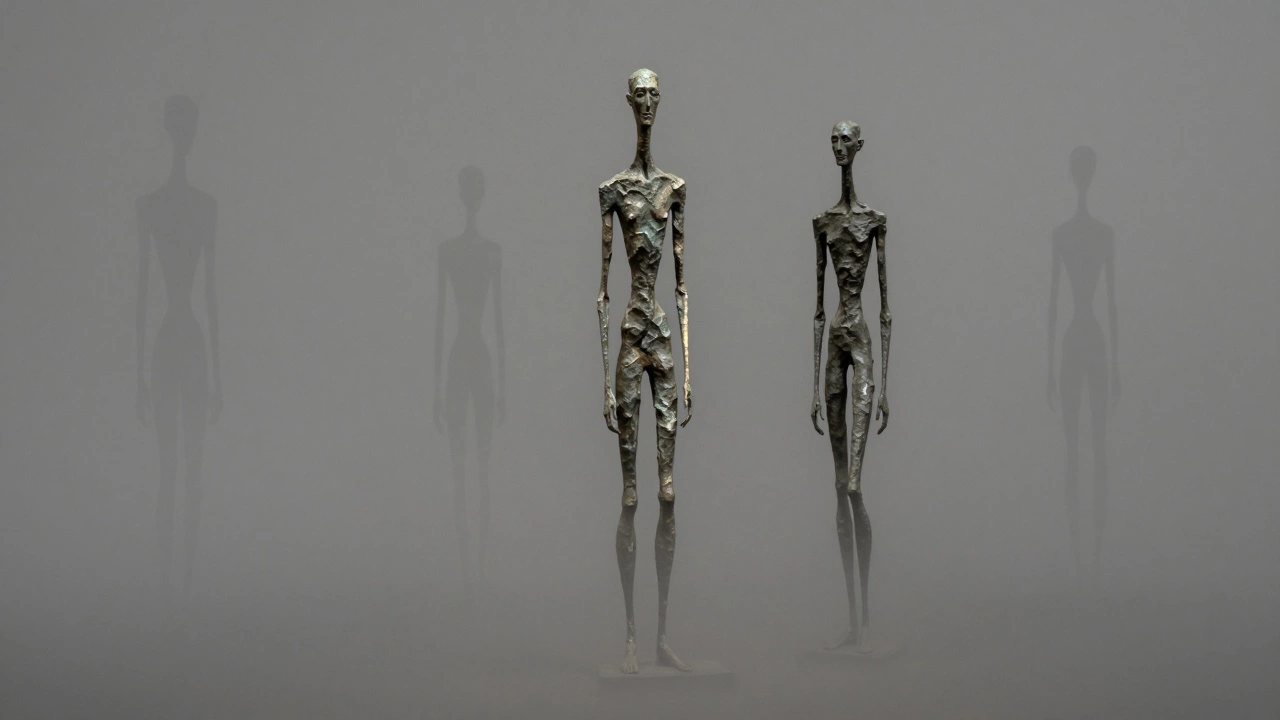
Look at Alberto Giacometti’s thin, stretched figures. They look like they might blow away. That’s not a flaw. That’s the form speaking. It’s not about realism. It’s about isolation, fragility, presence. The material-bronze-is secondary. The form is the message.
Even in contemporary work, like Rachel Whiteread’s concrete casts of rooms, it’s the shape-the negative space made solid-that carries the emotion. The material is concrete. The form is memory.
Form Is What You Remember
Walk through a museum. You’ll see hundreds of sculptures. Which ones stick with you? Not the ones with the most gold leaf. Not the ones with the fanciest base. The ones with unforgettable form.
You remember the twisted limbs of Bernini’s David mid-swing. You remember the hollowed-out face of the Terracotta Warriors. You remember the way Louise Bourgeois’s giant spider curves over you, legs splayed like a threat. All of these are forms that lodge in your mind.
Form is the first thing your brain registers. Before you read the plaque. Before you know the title. Before you even understand the context. Your eyes catch the shape. Your body reacts to the volume. That’s why form is the most important thing.
What Happens When Form Fails?
Bad sculpture doesn’t always look bad. Sometimes it looks technically perfect. But something’s missing. The figure is stiff. The curve feels forced. The space feels ignored.
That’s when you realize: the artist didn’t let form lead. They let technique lead. They carved the nose just right, but the jawline doesn’t connect to the neck. The proportions are mathematically correct, but the energy is flat.
Form isn’t about precision. It’s about truth. A form that feels true, even if it’s distorted, will move you. A form that’s technically flawless but emotionally empty? It fades.
How to See Form
Next time you’re in front of a sculpture, try this:
- Stand still. Don’t look at details. Just notice the overall shape.
- Walk around it slowly. How does the form change from each angle?
- Notice where the light hits and where it drops away. That’s form defining itself.
- Ask yourself: Does this shape feel alive? Does it pull you in or push you away?
- Close your eyes. Can you still picture the shape in your mind? If yes, the form worked.
Form is the only thing that survives in your memory after you leave the gallery. Everything else-material, size, title, price-is just context.
Form Is the Language
Sculpture doesn’t speak in words. It speaks in volume, in curve, in weight, in space. Form is its grammar. Without it, there’s no sentence. No story. No emotion.
That’s why, no matter the style-classical, modern, abstract, digital-form remains the one constant. The most important thing in sculpture isn’t the tool. It’s not the technique. It’s not even the idea. It’s the shape that makes you stop, feel, and remember.
Is material the most important thing in sculpture?
No. Material is important-it affects texture, weight, and durability-but it doesn’t define the sculpture. The same form in bronze, wood, or clay still carries the same essence. What matters is how the material is shaped. A poorly formed bronze statue feels lifeless. A well-formed clay piece can feel powerful. Form comes first.
Can a sculpture have good form without being realistic?
Absolutely. Realism isn’t required for strong form. Abstract sculptures by artists like Barbara Hepworth or Constantin Brâncuși use simplified shapes that still feel deeply human. Their forms express emotion, balance, and movement without copying nature. In fact, abstraction often makes form more powerful by removing distraction.
Why does the space around a sculpture matter?
Because sculpture exists in the same space as you. The space isn’t empty-it’s part of the work. Holes, gaps, and negative space shape how you experience the form. A sculpture that ignores its surroundings feels flat. One that uses space deliberately-like a gap between arms or a hollow center-creates tension and depth. That’s what makes it alive.
How do I tell if a sculpture has good form?
Walk around it. Does the shape hold your attention from every angle? Does it feel balanced, even if it’s asymmetrical? Does it suggest movement or emotion? If you can close your eyes and still see its shape clearly, the form is strong. If it looks the same from every side or feels flat, the form isn’t working.
Do modern sculptures still rely on form?
More than ever. Modern and contemporary sculptors use new materials-plastic, light, fabric, even data-but they still rely on form to create impact. An installation made of hanging wires only works if the arrangement creates a compelling shape. A digital sculpture in VR still needs volume and weight to feel real. Form is timeless because it’s the language of physical presence.