Music doesn’t need words to move you. A single note can make you cry. A rhythm can make you stand up and dance. But when people ask, what is the best meaning of music, they’re not just asking about notes or scales. They’re asking why it exists at all. Why do humans make it? Why do we need it? And why does it feel more real than most words ever could?
Music is older than language
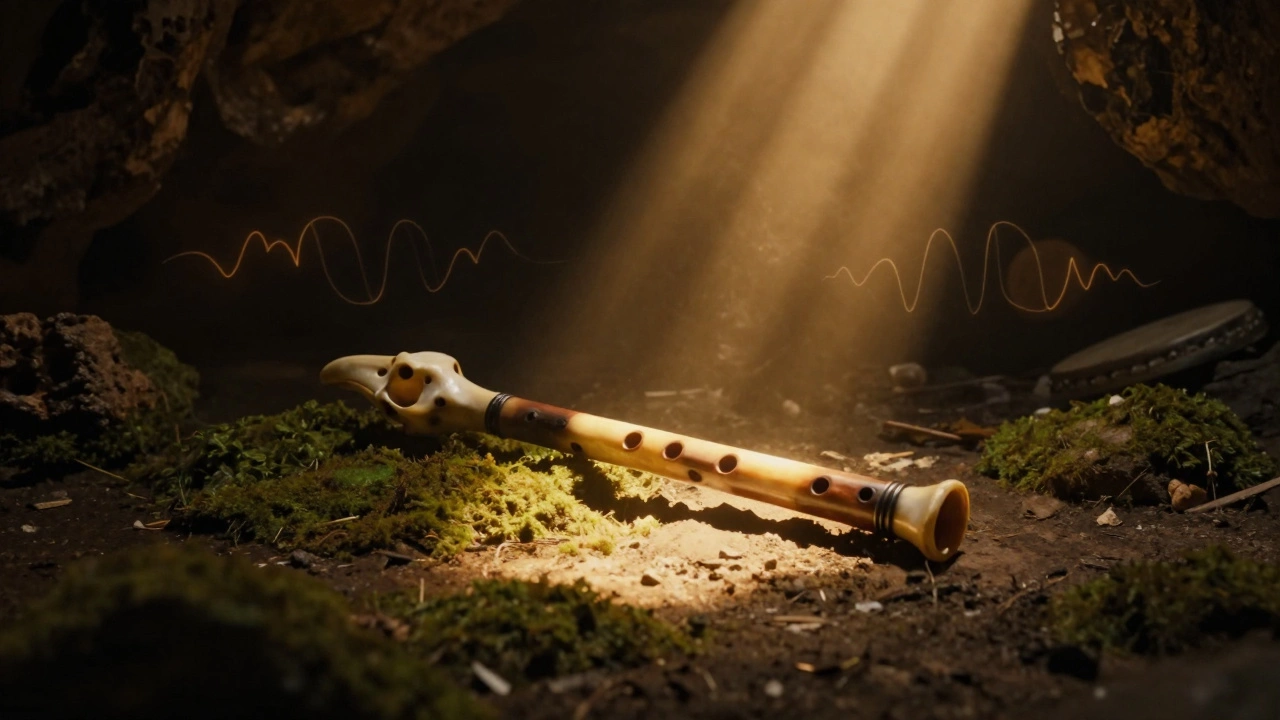
Archaeologists found a 40,000-year-old flute made from a vulture bone in a cave in Germany. That’s older than any written language. Older than farming. Older than cities. Music came first. Humans were making music before they could write their own names. So why? Not for entertainment. Not for charts. For survival.
Early humans used rhythm to coordinate hunting. Group singing strengthened bonds when food was scarce. Lullabies calmed infants so mothers could rest. Music wasn’t art back then-it was a tool. A way to sync hearts, share warnings, and hold communities together when nothing else could.
Today, we still do the same things. A marching band keeps soldiers in step. A protest song unites a crowd. A funeral dirge holds grief in a way no speech can. Music doesn’t explain. It holds space.
It speaks where words fail
Try describing the feeling of watching the sun set over the ocean. You can say ‘calm,’ ‘peaceful,’ ‘endless.’ But none of those words capture the weight in your chest, the quiet ache, the way your breath slows. That’s where music steps in.
Studies at the University of California show that when people listen to music that moves them, the same brain regions light up as when they experience love, grief, or awe. Music bypasses logic. It goes straight to the emotional core. That’s why a piece like Samuel Barber’s Adagio for Strings can make a whole stadium cry during a sports memorial. No announcer says a word. Just the music-and the silence after.
People who’ve lost the ability to speak due to stroke often still sing. Their brains remember music even when language is gone. Music isn’t just heard. It’s lived.
It’s a mirror of culture
Every culture has its own sound. The didgeridoo of Aboriginal Australia. The kora of West Africa. The sitar in Indian ragas. The accordion in French café songs. These aren’t random choices. They’re shaped by geography, history, and belief.
In New Zealand, Māori haka aren’t just dances-they’re stories told with voice, body, and rhythm. The stomping feet? Grounding the spirit. The chanting? Calling ancestors into the present. The intensity? A declaration of identity. This isn’t performance. It’s memory made audible.
When reggae rose in Jamaica, it carried resistance. When punk exploded in London, it screamed frustration. Music doesn’t just reflect culture-it defends it. When a language is suppressed, music becomes its voice. When a people are erased, their songs become their proof of existence.
It connects us across time and distance
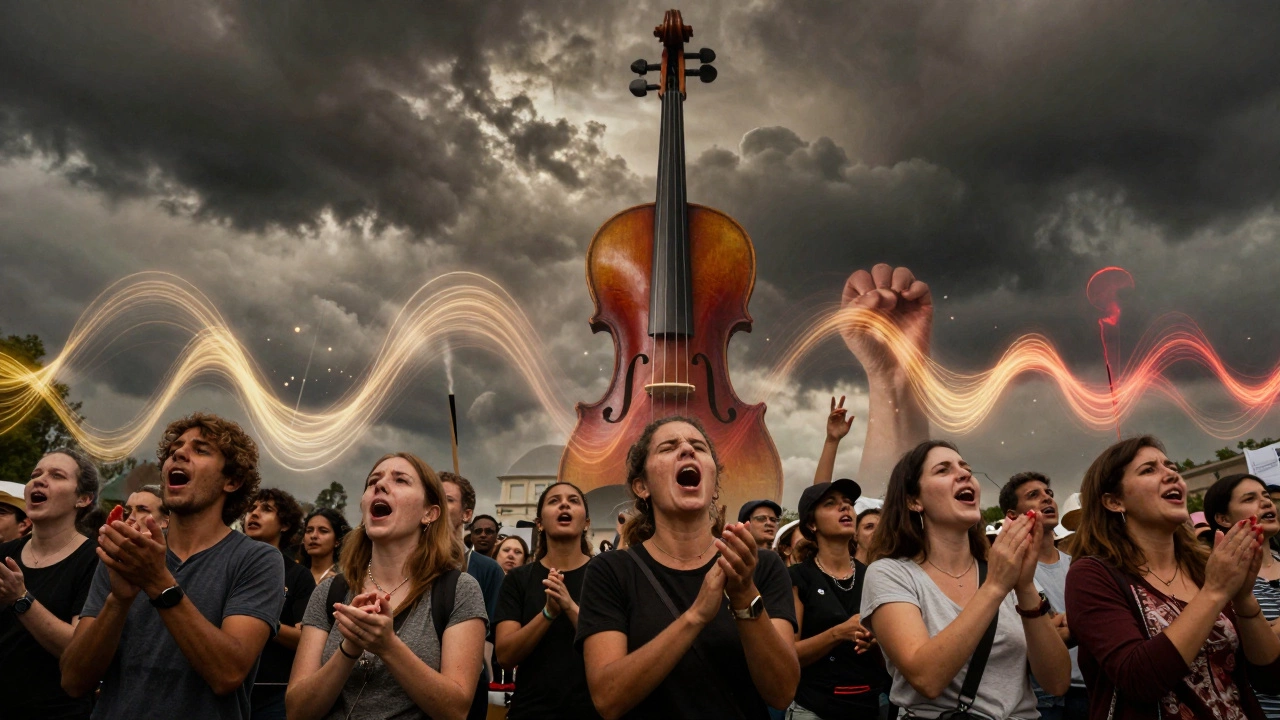
Beethoven wrote his Ninth Symphony in 1824, completely deaf. He never heard the audience’s applause. Yet today, millions sing ‘Ode to Joy’ in concert halls, schools, and protest marches. His music outlived him by two centuries.
Same with Nina Simone. Her version of ‘Strange Fruit’ was recorded in 1965. She never saw Black Lives Matter. But her voice still echoes in the chants of today’s marches. Music doesn’t stay in its time. It travels. It waits. It returns when we need it most.
That’s why you can hear a song from your childhood and be instantly transported back-not just to the memory, but to the feeling. A song is a time capsule with emotional density. It holds who you were, who you lost, who you became.
It’s not about beauty-it’s about truth
People often say music is beautiful. But that’s not the best meaning. Beauty is optional. Truth is not.
Think of the blues. Raw. Harsh. Full of pain. No one calls it ‘pretty.’ But it’s honest. That honesty is what makes it powerful. A distorted guitar screaming in a rock song isn’t noise-it’s rage made audible. A whispered folk ballad isn’t soft-it’s vulnerability given form.
Music doesn’t lie. You can fake a smile. You can hide behind words. But when someone plays music from their soul, you feel it. Even if you don’t understand the language. Even if you’ve never been where they’re from. You feel the truth in the vibration.
That’s why someone in Tokyo can feel the same way listening to a folk song from rural Colombia. The emotion doesn’t need translation. It travels through the body, not the mind.
It’s a form of resistance
When governments ban music, it’s not because they’re against art. It’s because music is dangerous. It makes people think. It makes them feel. And when people feel deeply, they act.
In South Africa, anti-apartheid activists used songs to organize. ‘Nkosi Sikelel’ iAfrika’ became a national anthem before it was official. In Iran, women sing in secret, defying laws that silence them. In Myanmar, students turned protest chants into melodies after the 2021 coup.
Music doesn’t need weapons. It doesn’t need funding. It only needs a voice. And a heart.
So what is the best meaning of music?
It’s not one thing. It’s all of them.
It’s the oldest human technology. It’s the language of the unspeakable. It’s culture made audible. It’s time travel in sound. It’s truth without filters. It’s resistance with rhythm.
There’s no single definition that captures it all. But if you’ve ever been moved by a song-whether you cried, danced, or just sat still with your eyes closed-you already know the answer. Music is what keeps us human when everything else tries to strip that away.
It doesn’t explain life. It holds it.
Can music have meaning without lyrics?
Absolutely. Instrumental music-like a violin solo, a piano piece, or a drum circle-often carries deeper emotional weight than words. The human brain responds to melody, rhythm, and harmony as emotional signals, regardless of language. Studies show people can identify emotions like joy, sorrow, or tension in pure music even if they’ve never heard the style before.
Why do some songs feel personal even if they’re not about me?
Music activates the brain’s default mode network-the part tied to self-reflection and memory. When you hear a melody that matches your inner state, your brain fills in the gaps with your own experiences. That’s why a song written by someone else can feel like it was made just for you. It’s not magic. It’s neuroscience.
Is music universal, or does culture shape how we hear it?
Music is both universal and cultural. All humans respond to rhythm and pitch in similar ways-like feeling tension in dissonance or calm in slow tempos. But what we call ‘beautiful’ or ‘moving’ depends on culture. A scale that sounds sad in Western music might sound joyful in parts of Asia. The emotions are shared, but the language of music varies.
Can music heal trauma?
Yes. Music therapy is used in hospitals and veterans’ programs to help process trauma. Rhythm regulates the nervous system. Melody gives voice to feelings too deep for words. People who can’t talk about their pain often find release through drumming, singing, or simply listening. It doesn’t erase trauma-but it helps carry it.
Why do we still make music when we have so many other forms of expression?
Because nothing else does what music does. Books explain. Films show. Speech argues. Music holds. It doesn’t need permission. It doesn’t need technology. You can make it with your voice, your hands, a stick on a tin can. It’s the most accessible and most powerful form of human expression-and it’s been that way for 40,000 years.
What comes next?
If you’ve ever felt music change your mood, your body, your thoughts-you’ve already experienced its deepest meaning. You don’t need to study theory or history to understand it. You just need to listen. Really listen.
Next time you hear a song that stops you in your tracks, don’t ask what it means. Ask what it’s asking of you. Maybe it’s asking you to remember. To forgive. To stand up. To sit down. To breathe.
Music doesn’t give answers. It asks better questions.