Photography Income Estimator & Strategy Tool
Select Your Primary Genre
Click the card that best matches your focus area.
Commercial / Product
High Income PotentialFine Art
Variable IncomeWedding / Portrait
High Income PotentialStock Photography
Volume BasedFinancial Projection
Select a genre above to see income estimates and strategies.
You spend hours editing. You tweak the curves, dodge the shadows, and perfect the color grading until your eyes blur. You hit 'save' and wonder: will anyone actually pay for this? It is a question every photographer asks at some point. The short answer is that commercial photography and high-end portrait photography generate the most consistent income, but the landscape is shifting fast.
In 2026, the definition of what "sells" has changed. It is no longer just about getting a shot published in a magazine or winning a contest. It is about solving a problem for a client or capturing an emotion that resonates deeply with a niche audience. Whether you are looking to quit your day job or just cover the cost of your latest lens, understanding which genres have monetary value is crucial.
The Reliable Income: Commercial and Product Photography
If you want steady checks in the mail, look at commercial photography images created specifically for advertising, marketing, or corporate use. Businesses always need fresh visuals. They need images for their websites, social media campaigns, brochures, and annual reports. Unlike fine art, where you are hoping someone connects emotionally with your vision, commercial photography is transactional. A company hires you because they need a specific image to sell a product or service.
Product photography a specialized subset of commercial photography focusing on isolating and highlighting products is particularly lucrative right now. With the continued dominance of e-commerce platforms like Shopify and Amazon, brands are desperate for high-quality images that show texture, scale, and usage. A simple white-background shot is easy to find, but lifestyle product shots-showing the coffee mug in a cozy kitchen setting-command higher fees. You are not just selling a photo; you are selling the context in which the product lives.
The barrier to entry here is technical skill and reliability. Clients do not care if you used a medium format film camera or a smartphone, as long as the lighting is crisp, the focus is sharp, and the files are delivered on time. If you can build a portfolio that demonstrates consistency, you can charge premium rates. Many photographers in this space work on retainers, providing a set number of images per month for a fixed fee. This creates predictable cash flow, which is rare in the creative industries.
The High-End Niche: Fine Art and Limited Editions
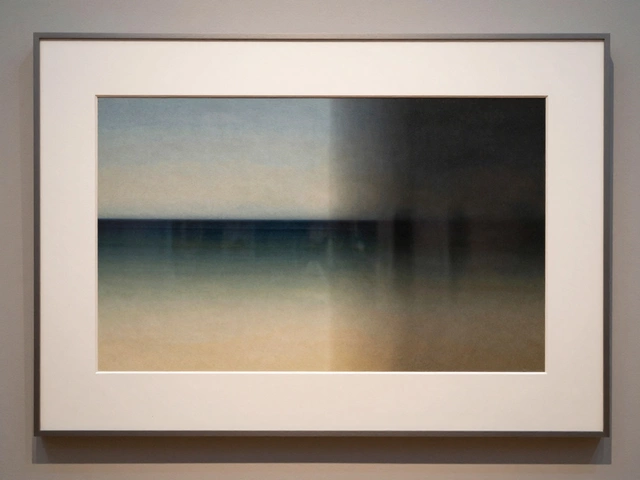
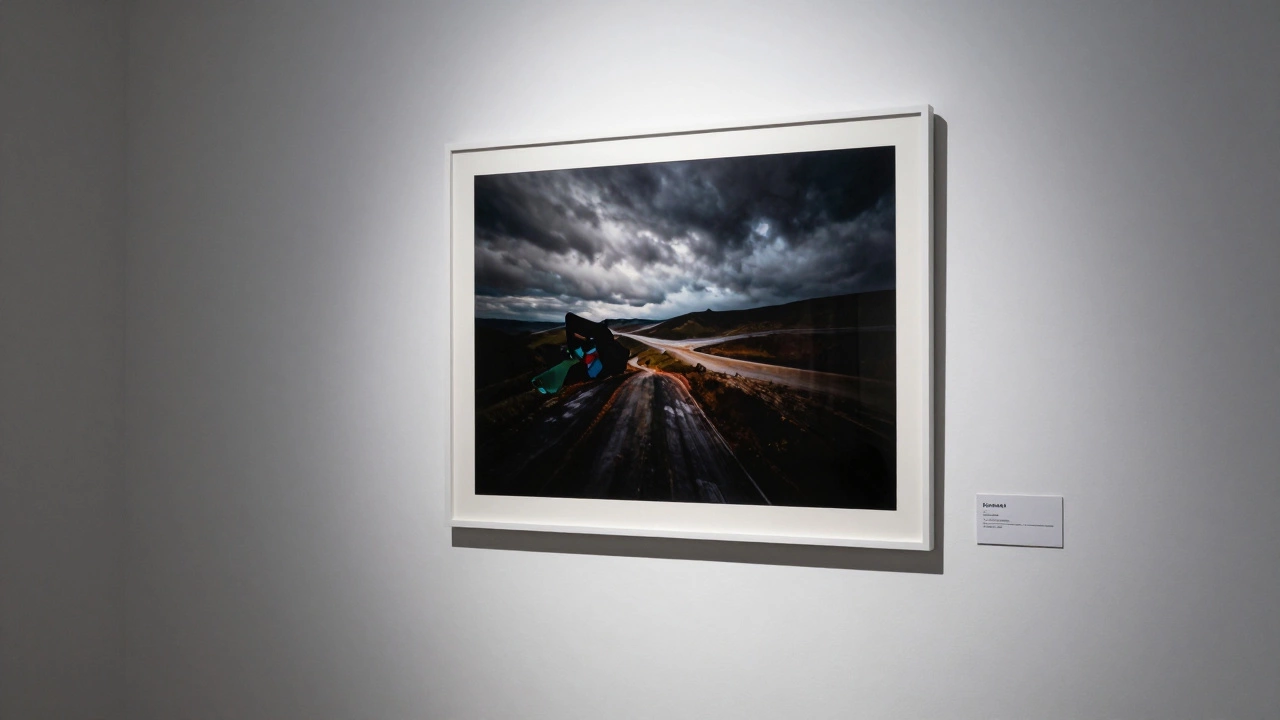
Now, let us talk about the genre mentioned in your search: fine art photography photography created according to the artist's vision to be exhibited in a gallery or museum. Does it sell? Yes, but not in the same way commercial work does. Fine art photography is not about volume; it is about exclusivity and story. You are not selling a JPEG file; you are selling a physical object-a print-that becomes part of someone's home or collection.
To succeed in fine art, you cannot rely on generic landscapes or cityscapes unless you have a truly unique perspective. The market is saturated with beautiful sunsets. What sells are images that evoke a strong emotional response or tell a compelling narrative. Think of artists like Sally Mann or Andreas Gursky. Their work is distinct, often challenging, and undeniably theirs. Buyers of fine art are investing in the artist's reputation and the scarcity of the piece.
The key to selling fine art is limited editions. If you print an image 1,000 times, it loses its value. If you print it 10 times, sign each one, and include a certificate of authenticity, it becomes a collectible. Galleries, art fairs, and direct-to-consumer sales via platforms like Artsy or Saatchi Art are the primary channels here. You also need to master the craft of printing. Paper choice, ink quality, and framing all contribute to the perceived value. A buyer might pay $500 for a digital download, but $5,000 for a museum-grade archival print on Hahnemühle paper.
The Emotional Connection: Portrait and Wedding Photography
People love seeing themselves and their loved ones. That is why portrait photography images focused on capturing the personality and mood of a person or group remains a top seller. However, there is a difference between a headshot and a high-value portrait session. Corporate headshots are a commodity; everyone needs them, but they are often priced low due to competition from automated kiosks and AI tools.
The real money in portraits lies in specialization. Wedding photography documenting the events and emotions of a wedding day is arguably the highest-paying genre for individual photographers. Couples are willing to invest thousands of dollars to preserve memories of one of the most important days of their lives. The demand is consistent, and the prices are high because the stakes are high. There is no retake for a wedding.
Family portraits and senior portraits also perform well, especially when marketed effectively. Parents want professional images of their children growing up. High school seniors want striking images for college applications and social media. The key here is connection. Clients hire you because they trust you to make them feel comfortable and look their best. Your ability to direct poses and manage lighting is important, but your interpersonal skills are what close the sale.
The Volume Game: Stock Photography and Licensing
Can you get rich selling stock photos? Probably not. But can you earn a meaningful side income? Absolutely. Stock photography pre-existing images licensed for use in various media projects works on a volume model. You upload thousands of images to agencies like Shutterstock, Adobe Stock, or Getty Images, and earn a small royalty each time someone licenses them.
In 2026, the stock market has evolved significantly due to artificial intelligence. Generic images of people shaking hands or using laptops are worthless because AI can generate those instantly. To succeed in stock photography today, you must focus on authenticity and specificity. Images that show real diversity, genuine emotions, and unique cultural contexts are in high demand. Brands want to avoid the "stocky" look. They want images that feel candid and real.
Think about niche topics. Instead of a generic office scene, photograph a remote worker in a unique location, perhaps a co-working space in Wellington or a home office with a view of the harbor. Specificity sells. Also, consider editorial stock. News agencies and magazines pay well for timely images related to current events, sports, and culture. If you are in the right place at the right time, a single editorial image can outearn hundreds of generic stock shots.
Comparison of Photography Genres by Profit Potential
| Genre | Average Income Potential | Barrier to Entry | Primary Sales Channel | Key Success Factor |
|---|---|---|---|---|
| Commercial/Product | High | Medium (Technical Skill) | Direct Client Contracts | Reliability & Consistency |
| Fine Art | Variable (Low to Very High) | High (Artistic Vision) | Galleries & Direct Sales | Exclusivity & Brand Story |
| Wedding/Portrait | High | Medium (Interpersonal Skills) | Direct Client Booking | Emotional Connection |
| Stock Photography | Low to Medium | Low | Agencies (Adobe, Shutterstock) | Volume & Niche Specificity |
| Real Estate | Medium | Low (Equipment Heavy) | Agent Referrals | Speed & HDR Technique |

How to Actually Sell Your Photos in 2026
Knowing which type of photography sells is only half the battle. You need a strategy to reach buyers. Here is how successful photographers structure their business.
- Build a Specialized Portfolio: Do not try to be everything to everyone. If you want to sell fine art, your website should look like a gallery. If you want commercial clients, showcase your best product shots. Curate your work to reflect the type of client you want to attract.
- Leverage Social Media Strategically: Instagram and Pinterest are visual search engines. Use relevant hashtags and engage with potential clients. For fine art, show the process behind the print. For commercial work, share before-and-after edits or client testimonials.
- Understand Pricing: Never undervalue your work. Calculate your base rate based on your time, equipment depreciation, and overhead. Then add licensing fees. If a client wants to use your image for a national ad campaign, the price should be significantly higher than for a local blog post.
- Network Locally and Online: Join local business chambers, attend art fairs, and connect with other creatives. Many commercial jobs come through referrals. In Wellington, for example, connecting with local designers and marketers can lead to steady product and event work.
- Offer Packages: Make it easy for clients to buy. Offer tiered packages for portraits or weddings. Include prints, digital files, and albums. Upselling physical products increases your average order value significantly.
Pitfalls to Avoid When Selling Photography
Many photographers fail not because their images are bad, but because their business approach is flawed. Avoid these common mistakes.
- Ignoring Copyright: Always register your copyright and include clear terms of use in your contracts. Specify how many times the image can be used, for how long, and in what media. Protect your intellectual property.
- Chasing Trends: While it is good to be aware of trends, do not sacrifice your unique style to fit in. Authenticity attracts loyal clients. If you force yourself into a genre that does not resonate with you, your passion will wane, and it will show in your work.
- Neglecting Post-Production: In the age of instant gratification, quick turnaround is valuable, but sloppy editing is fatal. Invest time in learning advanced editing techniques. Clean, polished images command higher prices.
- Working Without a Contract: Never start a project without a signed agreement. Define deliverables, payment terms, and revision limits. This protects both you and the client from misunderstandings.
Next Steps for Aspiring Photo Sellers
If you are ready to start selling, begin by auditing your current portfolio. Which images do you take pride in? Which ones receive the most engagement? Identify your strengths and align them with a profitable genre. If you love capturing people, dive deeper into portrait or wedding photography. If you prefer controlled environments, explore product or commercial work. If you are driven by artistic expression, commit to fine art and start building your brand story.
Start small. Reach out to five potential clients this week. Offer a discounted rate for a test shoot in exchange for a testimonial and permission to use the images in your portfolio. Build momentum. As you gain confidence and results, raise your prices. Remember, selling photography is a marathon, not a sprint. Consistency, quality, and professionalism will ultimately determine your success.
Is fine art photography profitable?
Fine art photography can be highly profitable, but it is not guaranteed. Success depends on building a strong personal brand, creating exclusive limited editions, and accessing the right markets such as galleries and high-end collectors. It often takes years to establish a reputation that commands high prices.
What is the easiest type of photography to sell?
For beginners, stock photography and local portrait sessions are often the easiest entry points. Stock requires minimal client interaction, while local portraits allow you to build a network quickly. However, "easiest" does not mean "most profitable." Commercial and wedding photography typically offer higher earning potential but require more business acumen.
Do I need expensive gear to sell my photos?
Not necessarily. While high-end gear can improve image quality, many clients care more about the final result and your professionalism. You can start with a mid-range DSLR or mirrorless camera and good lighting. As your income grows, reinvest in better equipment. Lighting and composition matter more than the camera body itself.
How much should I charge for my photography?
Pricing varies widely by genre and location. A good rule of thumb is to calculate your desired annual salary, divide by the number of billable hours, and add overhead costs. Then factor in licensing fees for commercial work. Research local competitors to ensure your rates are competitive but not undervalued.
Where can I sell my photography online?
Popular platforms include Adobe Stock, Shutterstock, and Getty Images for stock photography. For fine art, consider Etsy, Saatchi Art, or Artsy. For commercial and portrait work, your own website combined with social media marketing is often the most effective channel to control pricing and client relationships.