Sculptor Role Identifier
Select the option that best describes your artistic process or interest.
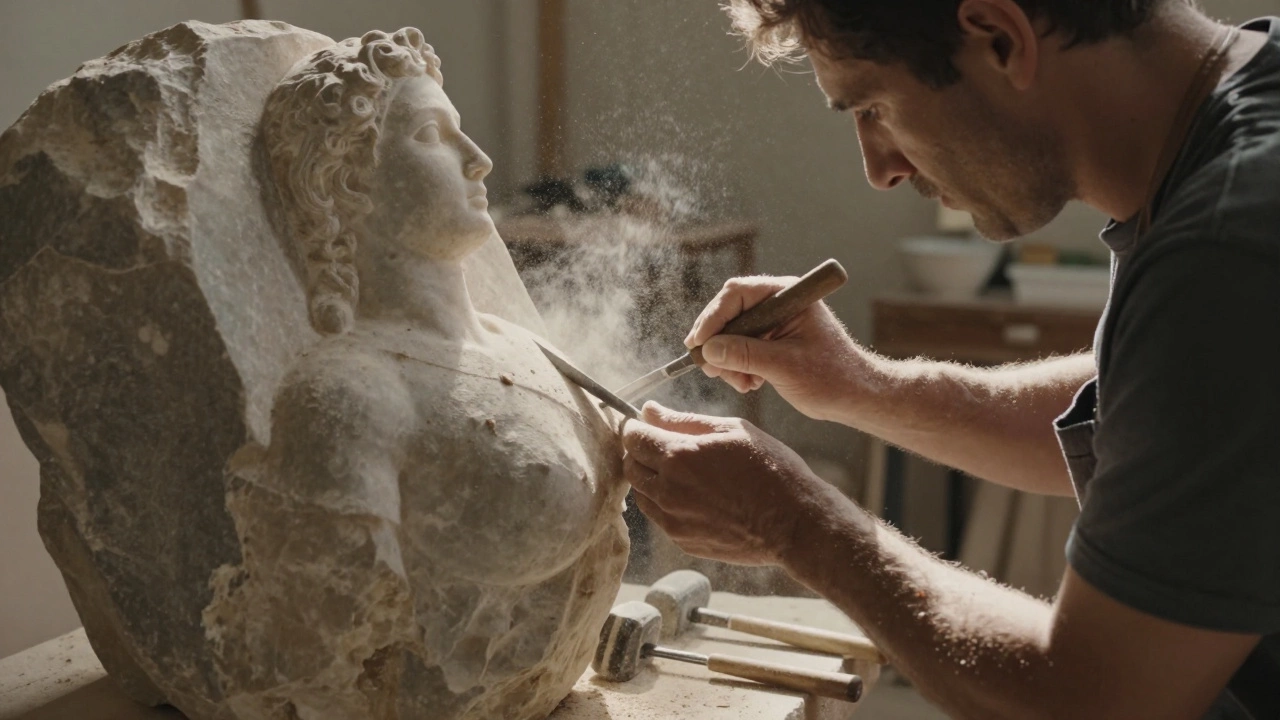
The Subtractive Artist
I start with a solid block and remove material to reveal the form.
Wood/StoneThe Additive Artist
I build up soft material layer by layer to create volume.
Clay/WaxThe Replicator
I use molds to pour molten metal or resin into permanent forms.
Bronze/ResinThe Assembler
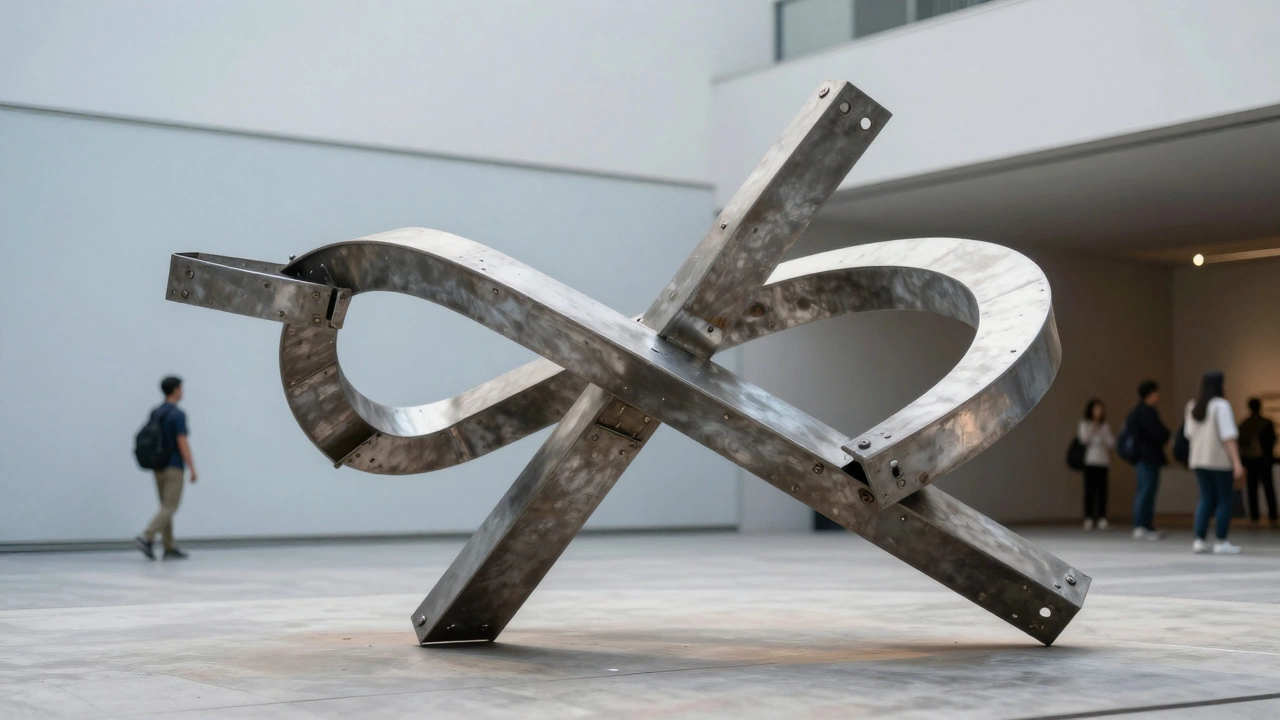
I weld, cut, and assemble industrial materials into structures.
Steel/IronThe Virtual Shaper
I manipulate pixels in 3D space using software.
SoftwareThe Mover
My work incorporates motion through wind or mechanics.
MotionRole Identified
Definition
When you see a statue in a park or a bronze bust in a museum, you might wonder about the person who created it. The direct answer is simple: a sculptor is the artist who creates three-dimensional works of art by shaping materials like clay, stone, metal, or wood. While that one-word label covers the basics, the world of sculpture is far more nuanced. Not every person who shapes material calls themselves a sculptor, and not every sculptor works in the same way.
Understanding the terminology helps you appreciate the craft behind the object. Whether you are an art student, a collector, or just curious about the creative process, knowing the difference between a carver, a modeler, and a traditional sculptor can change how you view the final piece. This guide breaks down the titles, techniques, and modern variations of this ancient profession.
The Core Definition: What Is a Sculptor?
A sculptor is defined by their engagement with volume, space, and form. Unlike a painter who works on a two-dimensional surface, a sculptor manipulates physical matter to create objects that exist in real space. You can walk around them, touch them (usually), and experience them from multiple angles.
The term comes from the Latin word sculptrum, meaning "chisel." Historically, this implied removing material-cutting away stone or wood until the figure emerged. Today, the definition has expanded. A sculptor might add material (like welding metal), mold material (like casting bronze), or even assemble found objects (assemblage). If the end result is a standalone three-dimensional artwork, the creator is generally considered a sculptor.
- Primary Goal: To create form in three dimensions.
- Key Materials: Stone, clay, metal, wood, plastic, ice, or digital voxels.
- Core Skill: Understanding spatial relationships and structural integrity.
Specific Titles Based on Technique
While "sculptor" is the umbrella term, professionals often use more specific titles based on their primary method or medium. These distinctions matter because they require different tools, training, and physical skills.
| Title | Primary Action | Common Materials | Key Tools |
|---|---|---|---|
| Carver | Subtractive (removing material) | Wood, Stone, Ice | Chisels, Gouges, Saws |
| Modeler | Additive (building up material) | Clay, Wax, Plasticine | Loop tools, Ribbers, Fingers |
| Caster | Replicating via molds | Bronze, Aluminum, Resin | Molds, Furnaces, Crucibles |
| Fabricator | Assembling/Welding | Steel, Iron, Scrap Metal | Welders, Torches, Grinders |
| Kintsugi Artist | Repairing/Enhancing | Ceramics, Gold Lacquer | Brushes, Adhesives |
A woodcarver focuses on the grain and structure of timber, often working with knives and chisels to reveal forms hidden within the log. A stone carver deals with hardness and fracture planes, using mallets and point chisels to break down marble or granite. In contrast, a modeler works with soft, pliable materials. They build up the form layer by layer, which allows for easier correction but requires knowledge of armatures (internal supports) to prevent collapse.
Modern Variations: Beyond Traditional Sculpture
In the 21st century, the boundaries of sculpture have blurred. New technologies and artistic movements have given rise to new titles and roles that fall under the broader sculpture category but operate differently.
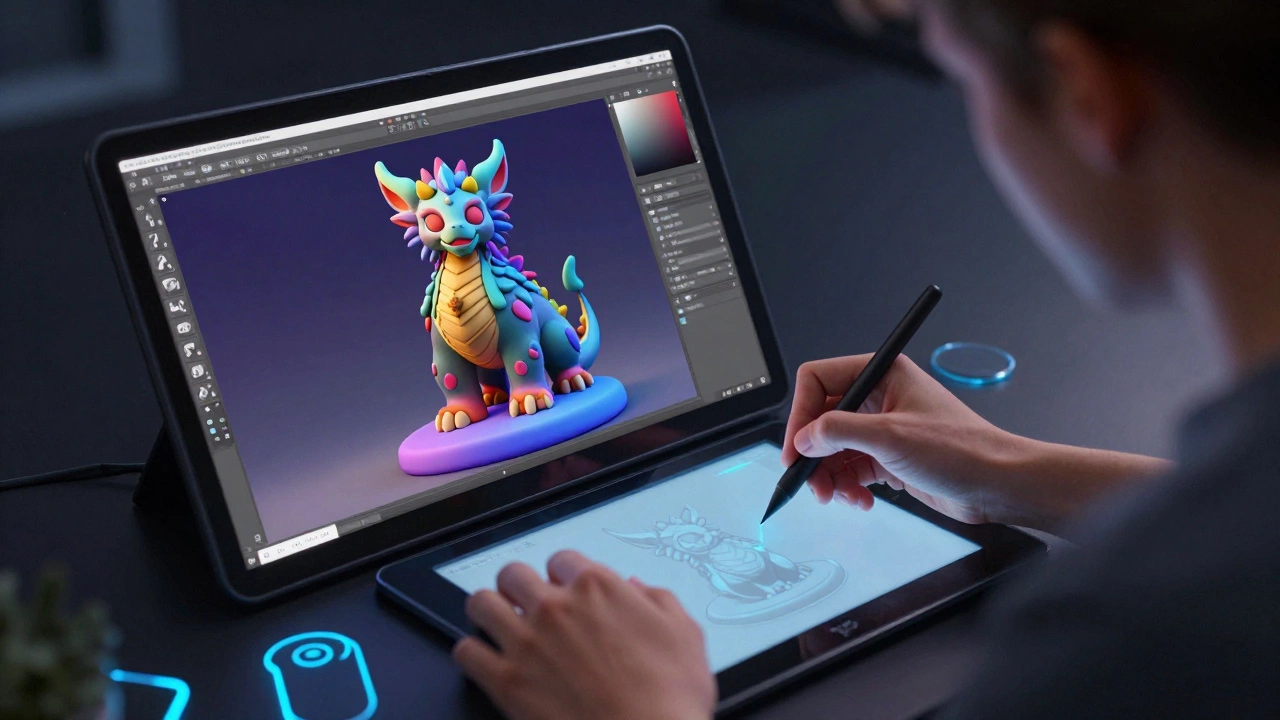
Digital Sculptors
You don't need a heavy block of marble anymore. Digital sculptors use software like ZBrush or Blender to create high-resolution 3D models. They work with virtual clay, pushing and pulling pixels on a screen. These artists are crucial in the film, video game, and animation industries. While they don't produce a physical object directly, their work is often 3D printed or used as assets in virtual worlds. They are still sculptors because they manipulate form in three-dimensional space, just digitally.
Installation Artists
An installation artist creates immersive environments. Instead of a single object on a pedestal, they transform an entire room or outdoor space. Think of large-scale light structures, hanging fabrics, or sound-based environments. While sometimes called sculptors, installation artists focus more on the viewer's experience within a space rather than the object itself. Their work is often temporary and site-specific.
Kinetic Sculptors
If the sculpture moves, the artist might be referred to as a kinetic sculptor. Pioneered by artists like Alexander Calder, kinetic sculptures incorporate motion through wind, motors, or human interaction. This role requires engineering skills alongside artistic vision. The artist must understand physics, balance, and mechanics to ensure the piece moves safely and aesthetically.
The Process: From Concept to Cast
Understanding what someone is called also depends on where they fit in the production chain. For example, in bronze casting, there are often two distinct roles:
- The Modeler: Creates the original maquette (small model) or full-size clay model. This is the creative visionary.
- The Caster: Works in a foundry to turn the clay model into bronze. This involves creating a mold, burning out the clay, pouring molten metal, and chasing (finishing) the surface. Sometimes the sculptor does both; other times, they collaborate with specialized technicians.
This distinction is important. If you buy a limited-edition bronze, you are buying the work of the sculptor who designed it, but the physical execution was likely done by a team of casters. In fine art contexts, the credit goes to the original designer. In industrial design or manufacturing, the title might shift to product designer or industrial designer.
Historical Context: Master and Apprentice
Historically, the title carried more weight regarding social status and guild membership. During the Renaissance, a master sculptor ran a workshop. They designed the pieces, but apprentices did much of the rough carving. The master would then refine the details. Today, most sculptors work independently or in small studios, handling everything from sketching to finishing. However, large public monuments still often involve teams, including engineers to ensure structural stability against wind and earthquakes.
Why Terminology Matters
Using the correct term shows respect for the craft. Calling a delicate wax modeler a "carver" ignores the additive nature of their work. Calling a digital artist a "painter" misses the spatial complexity of their 3D environment. Precision in language helps us understand the skill set involved.
Whether you are commissioning work or studying art history, recognizing these differences allows for better communication. If you want a piece carved from oak, you hire a woodcarver. If you want a life-sized figure in bronze, you hire a sculptor who specializes in modeling and casting. If you want a moving steel structure, you look for a kinetic fabricator.
Is a sculptor the same as an artist?
Yes, a sculptor is a type of visual artist. However, "artist" is a broad term that includes painters, musicians, writers, and performers. "Sculptor" specifically refers to those who create three-dimensional works. All sculptors are artists, but not all artists are sculptors.
What is the difference between a sculptor and a carver?
A sculptor is a general term for anyone creating 3D art. A carver is a specific type of sculptor who uses subtractive methods, meaning they remove material from a solid block (like wood or stone) to reveal the form. Carving is irreversible; if you cut too much, you cannot put it back.
Can a digital artist be called a sculptor?
Yes. Digital sculptors use software to manipulate 3D forms in a virtual space. Although they do not handle physical clay or stone, the principles of anatomy, proportion, and volume remain the same. Their work is often exported for 3D printing or used in digital media.
Who makes the molds for bronze statues?
The molds are typically made by the sculptor or a specialized technician in a foundry. The process involves creating a negative impression of the original clay model. This mold is then used to pour molten metal. In professional settings, the sculptor designs the piece, but the foundry workers execute the casting process.
What do you call someone who repairs broken statues?
Someone who repairs broken statues is usually called a conservator or a restoration specialist. They use specialized adhesives, fillers, and cleaning techniques to stabilize and repair damaged artworks without altering their historical integrity.