2024 Art Trend Matcher
Answer these quick questions to find out which of the top 2024 art movements resonates most with your taste.
Your Primary Match:
Why:
Trend Details & Market Insights
You might think the art world moves slowly, stuck in the dusty halls of centuries past. But look closer at what galleries are hanging on their walls right now, and you’ll see a landscape shifting faster than ever. If you’ve been scrolling through Instagram or visiting local exhibitions recently, you’ve likely noticed something different about the pieces grabbing attention. It’s not just about pretty colors anymore; it’s about technology, ethics, and raw human expression fighting for space.
So, what exactly is making waves in trending art for 2024? We aren’t talking about obscure academic debates. We’re talking about styles that collectors are buying, artists are creating, and critics are arguing over. From the rise of AI-generated visuals to a massive push for sustainable materials, here is what you need to know if you want to stay ahead of the curve.
The Rise of Hybrid Digital-Physical Works
A few years ago, NFTs felt like the future. Then the market cooled off, and many people assumed digital art was dead. They were wrong. What happened instead was a maturation. Artists stopped trying to sell JPEGs as standalone investments and started blending digital creation with physical presence. This hybrid approach is arguably the biggest trend defining this year.
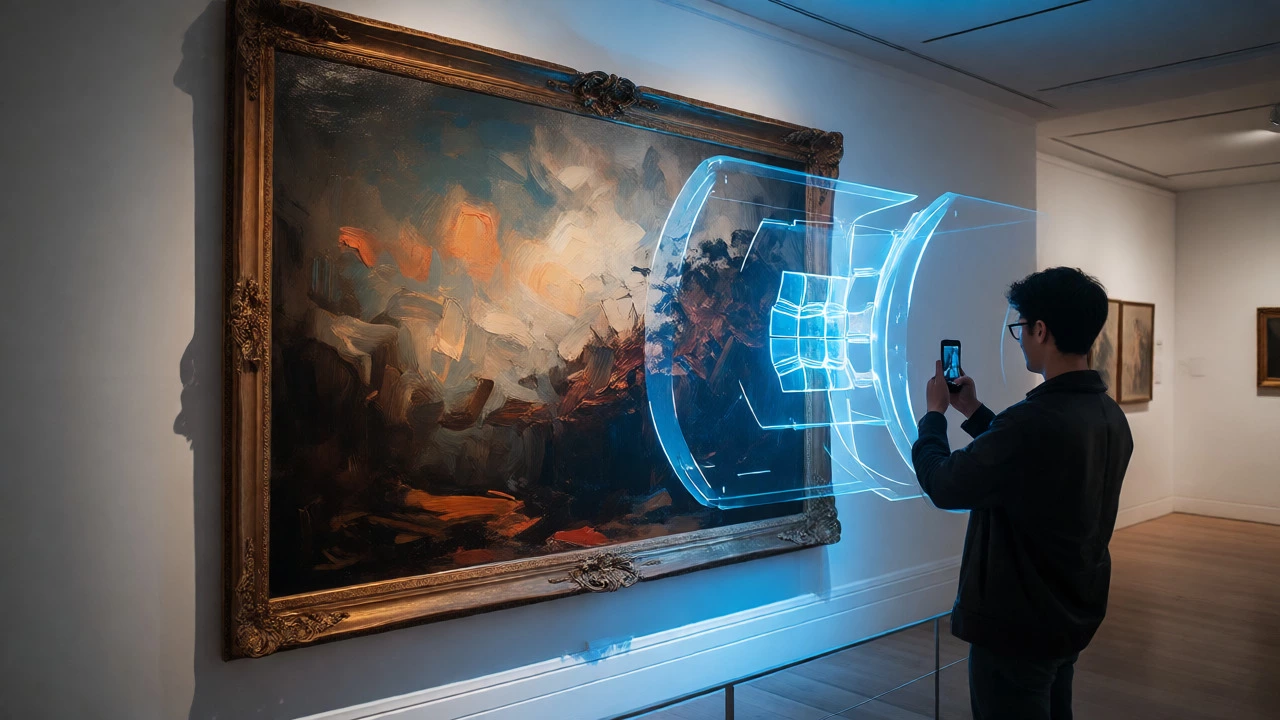
Think about artists using Augmented Reality (AR) layers on top of traditional canvases. You buy a painting, scan it with your phone, and suddenly the static image moves, changes, or tells a story. It bridges the gap between the tangible object you can hang on your wall and the dynamic experience of digital media. Galleries in major hubs like New York and London are increasingly showcasing these mixed-media installations because they engage viewers who grew up with screens but still crave physical interaction.
This isn’t just a gimmick. It solves a real problem: how do you make art relevant to a generation that consumes content on smartphones? By integrating code with canvas, artists create work that evolves. Some pieces change based on the time of day or even the viewer’s location. It’s interactive, it’s shareable, and crucially, it retains the aura of the original physical object.
AI Generated Art Moves Beyond Novelty
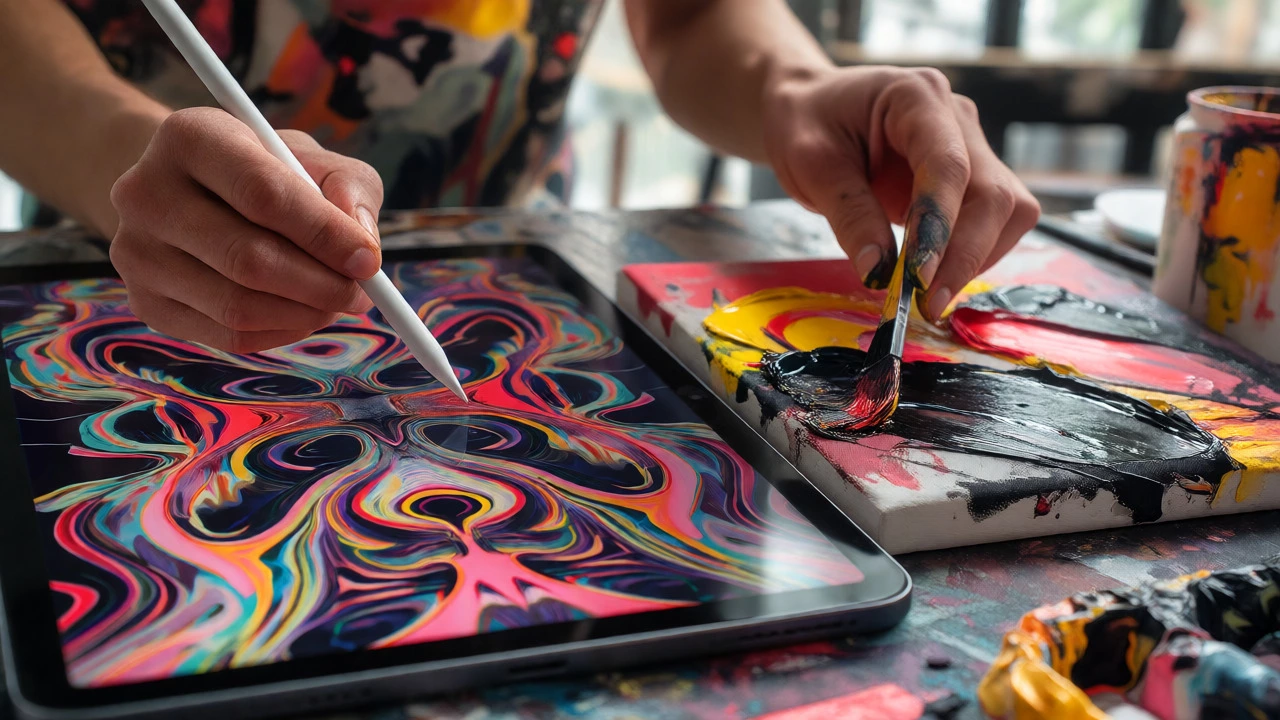
Let’s address the elephant in the room: Artificial Intelligence. In 2023, AI art was mostly seen as a toy or a threat. In 2024, it has become a legitimate tool in the artist’s kit. The initial shock has worn off, replaced by nuanced usage. Artists aren’t just typing prompts into Midjourney and calling it a day. They are using AI for ideation, texture generation, and complex pattern creation, then refining those outputs manually.
The trend here is "human-in-the-loop" workflows. Collectors are starting to value the curation process more than the raw generation. They ask: How did the artist guide the machine? Did they train a custom model on their own previous works? This adds a layer of authorship that pure automation lacked. Major auction houses have begun accepting AI-assisted works, provided the human contribution is clear. This legitimizes the medium while acknowledging its controversial roots.
However, don’t expect every AI piece to sell. The market is discriminating. Generic, prompt-heavy images are flooding online platforms, driving down prices for low-effort work. The trending pieces are those where the AI serves the concept, not the other way around. Look for works where the glitchy, surreal nature of AI is embraced as an aesthetic choice rather than hidden behind filters.
Sustainability Becomes a Core Aesthetic
If there is one theme uniting diverse artistic practices, it’s environmental consciousness. This goes beyond painting pictures of trees. It’s about the materials themselves. Sustainable art uses recycled plastics, organic pigments, and biodegradable substrates. Artists are rejecting toxic solvents and synthetic resins in favor of natural alternatives.
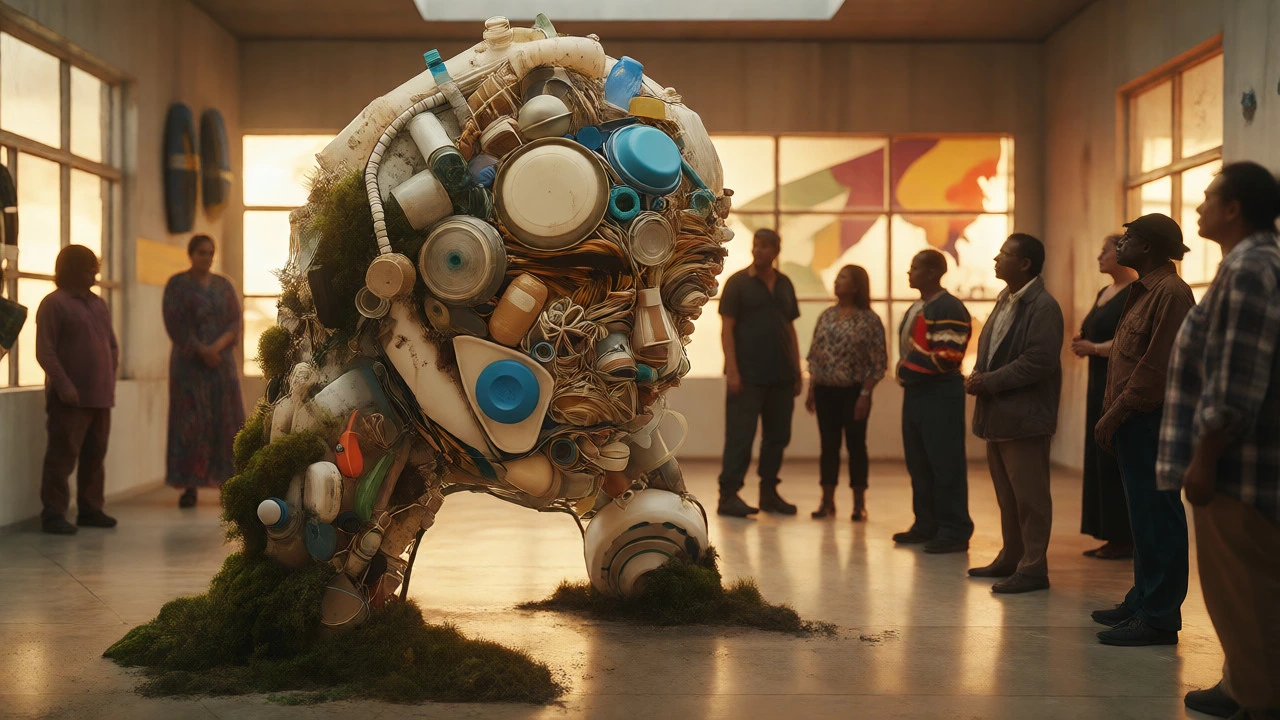
Why does this matter to buyers? Because provenance now includes ecological footprint. Collectors, especially younger ones, want to know where their art came from and what impact it had on the planet. Installations made entirely from ocean plastic or sculptures carved from reclaimed wood carry a narrative weight that pristine marble cannot match. It’s ethical consumption applied to aesthetics.
We are also seeing a rise in "ephemeral art." These are pieces designed to decay, rot, or be reused. Instead of preserving art forever under glass, some artists let it return to the earth. This challenges the traditional museum model but aligns perfectly with modern values regarding waste and impermanence. It forces us to appreciate the moment, knowing the object won’t last.
Neo-Expressionism Returns with Raw Emotion
On the flip side of high-tech precision, there’s a violent swing back toward raw, unpolished emotion. Neo-expressionism is having a major comeback. After decades of minimalism and conceptual coolness dominating the scene, artists are once again smearing thick paint, drawing distorted figures, and prioritizing feeling over form.
This trend reflects a collective desire for authenticity in an increasingly curated and filtered world. When everything looks perfect on social media, a messy, aggressive brushstroke feels honest. These works often tackle difficult subjects-mental health, political unrest, identity crisis-with a visceral intensity. You don’t analyze them intellectually; you feel them physically.
Galleries are responding by giving space to emerging painters who reject technical perfection. The skill lies in the energy transfer, not in rendering a photorealistic apple. If you walk into a contemporary gallery today, you’ll likely see large-scale canvases with bold, clashing colors and fragmented forms. It’s loud, it’s chaotic, and it’s undeniably popular.
Cultural Reclamation and Decolonization
The global art scene is no longer centered solely on Western capitals. There is a powerful movement toward cultural reclamation. Artists from Africa, Asia, Latin America, and Indigenous communities worldwide are gaining significant traction, not as "ethnic" additions, but as central voices shaping contemporary discourse.
This isn’t just about representation; it’s about challenging historical narratives. Many trending works reinterpret colonial history through local lenses, using traditional techniques combined with modern concepts. For example, Indigenous Australian artists are using dot painting traditions to map out land rights issues, while African futurists blend ancestral mythology with sci-fi aesthetics. This diversification enriches the entire ecosystem, offering perspectives that were previously marginalized or ignored.
Museums are actively acquiring these works, and biennales in cities like Dakar, São Paulo, and Wellington are becoming must-visit events. The trend is clear: context matters. Understanding the cultural background of a piece is becoming part of the appreciation process.
| Trend | Key Characteristics | Primary Medium | Market Appeal |
|---|---|---|---|
| Hybrid Digital-Physical | AR integration, interactive elements, screen-ready | Canvas + Code | Tech-savvy collectors, younger demographics |
| AI-Assisted Creation | Human-curated algorithms, surreal aesthetics | Digital files, prints | Speculative buyers, tech enthusiasts |
| Sustainable Materials | Eco-friendly, ephemeral, recycled components | Organic, Recycled | Ethically conscious investors |
| Neo-Expressionism | Raw emotion, distorted forms, heavy texture | Oil, Acrylic, Mixed Media | Traditional collectors, emotional engagement seekers |
How to Spot Quality Amidst the Noise
With so many trends competing for attention, how do you distinguish genuine innovation from fleeting hype? First, look for consistency in the artist’s practice. Are they jumping on the AI bandwagon because it’s easy, or have they developed a unique voice using that tool? Second, consider the materiality. Does the physical object hold up to scrutiny? In a digital age, the tactile quality of art becomes more valuable, not less.
Also, pay attention to the community surrounding the artist. Are they engaging with critical discourse? Do they explain their process transparently? Transparency builds trust, especially in areas like AI and sustainability where greenwashing or algorithmic bias can hide behind glossy finishes.
Finally, trust your gut. Art trends come and go, but personal resonance lasts. If a piece makes you stop and think, regardless of whether it fits the "2024 checklist," it’s worth paying attention to. The best art always transcends its moment.
Is AI art considered "real" art?
Yes, increasingly so. While debated, the consensus in 2024 is shifting toward viewing AI as a tool similar to a camera or Photoshop. The artistic merit lies in the human direction, curation, and conceptual framework applied to the AI output. Purely automated generations without human input are often viewed as novelties, while curated AI-assisted works are gaining institutional acceptance.
Will NFTs make a comeback in 2024?
The speculative bubble of NFTs has burst, but the underlying technology remains useful. Rather than a full comeback of profile-picture trading, we see NFTs functioning as certificates of authenticity for physical-digital hybrids. The trend is moving away from volatile asset speculation toward utility and provenance tracking within established art markets.
What defines sustainable art?
Sustainable art minimizes environmental impact through material choices and production processes. This includes using non-toxic, biodegradable, or recycled materials, reducing carbon footprints in shipping, and sometimes designing works to decompose naturally. It emphasizes the lifecycle of the artwork, not just its final appearance.
Why is Neo-Expressionism popular again?
It offers a counter-narrative to digital perfection and minimalism. In a highly curated online world, viewers crave raw, unfiltered human expression. Neo-Expressionism provides emotional immediacy and visual chaos that feels authentic and urgent, resonating with audiences dealing with complex social and personal realities.
How does globalization affect art trends?
Globalization diversifies the art world by elevating voices from outside traditional Western centers. Trends now include strong influences from African, Asian, and Latin American cultures, focusing on decolonization and cultural reclamation. This broadens the definition of contemporary art and introduces new aesthetics and narratives to the global stage.