Fan Art Risk Assessment Tool
Select the scenario that best describes your current art project to see the estimated legal risk and recommended safety steps.
Personal Use
Posting on social media for likes/follows without selling.
Boutique Fan Art
Small batch prints at a local convention or private commissions.
Commercial Store
Selling mass-produced prints on Etsy, Shopify, or Redbubble.
Risk Level: -
Please select a scenario above.
You spent twenty hours painting a stunning portrait of a character from a hit anime or a legendary superhero, and now you want to sell prints of it at a local convention. It feels like a win-win: you get paid for your skill, and fans get a cool piece of art. But here is the cold truth: strictly speaking, selling that art is usually a violation of copyright law. Most artists operate in a 'grey area' where they hope they don't get noticed, but hoping isn't a legal strategy.
To understand why this is risky, we have to talk about copyright law, which is a legal framework that grants the creator of an original work exclusive rights to its use and distribution. When you create fan art, you are making a derivative work-something based on an existing piece of intellectual property. In the eyes of the law, only the original owner has the right to authorize these derivatives.
Quick Takeaways: The Reality of Fan Art Sales
- Creating fan art for fun is generally ignored by companies; selling it is where the risk spikes.
- "Fair Use" is a legal defense used in court, not a magic shield that prevents you from being sued.
- Some companies (like Nintendo or Disney) are much more aggressive about protecting their brands than others.
- The safest way to sell art is to create original characters or obtain a formal license.
The Gap Between Popularity and Legality
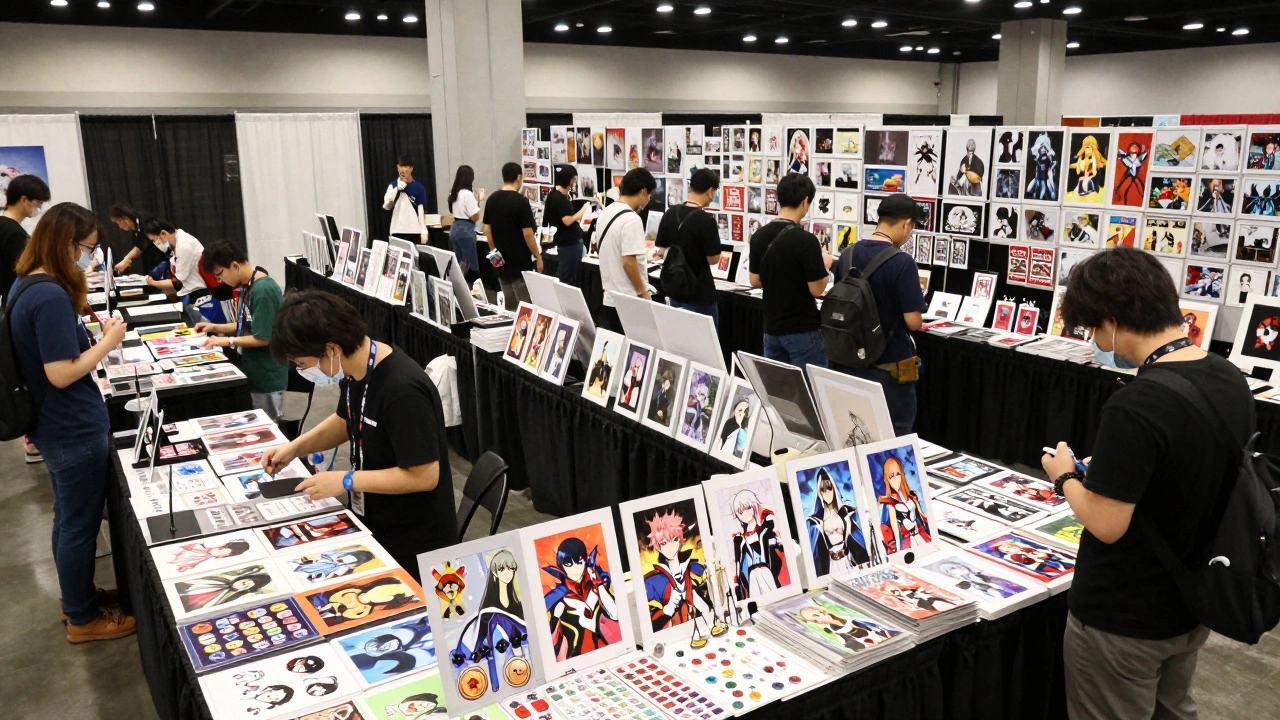
Walk through any Artist Alley at a comic convention, and you will see thousands of prints of Marvel characters or Genshin Impact figures. If it's illegal, why is everyone doing it? It comes down to a concept called "toleration." Many companies realize that fan art is free marketing. If a thousand artists are drawing their characters, it keeps the community engaged and the brand relevant.
However, toleration is not permission. A company can decide on any given Tuesday to send out "Cease and Desist" letters to every artist selling their work on Etsy. If you are making $50 a month, you might fly under the radar. If you start making $5,000 a month, you become a target. The scale of your operation determines your level of risk.
Understanding the Fair Use Myth
You'll often hear people say, "It's fine as long as I don't make money," or "I gave credit to the original creator, so it's Fair Use." Unfortunately, neither of these statements is legally true. Fair Use is a complex legal doctrine in the US that allows limited use of copyrighted material without permission for things like news reporting, teaching, or parody.
To determine if something is Fair Use, courts look at four factors: the purpose of the use, the nature of the copyrighted work, the amount used, and the effect on the market. Selling a print of a character is rarely considered "transformative" enough to qualify as Fair Use because you are selling the appeal of the original character, not commenting on it or critiquing it.
| Feature | Fan Art (Derivative) | Original Art |
|---|---|---|
| Copyright Ownership | Original IP Owner | The Artist |
| Right to Sell | Requires License/Permission | Absolute |
| Legal Risk | High (DMCA takedowns, lawsuits) | None |
| Commercial Potential | Limited by IP restrictions | Full control over branding |
Where the Lines Get Blurry: Different Company Approaches
Not all Intellectual Property holders act the same. For instance, some indie game developers actively encourage fan art and even set up guidelines on how artists can sell small batches of merchandise. They see it as a community-building tool.
On the other end of the spectrum, you have the "copyright giants." Disney is legendary for its strict enforcement. If you are selling Mickey Mouse ears or prints of Frozen characters, you are playing with fire. These companies have entire legal departments dedicated to scouring the internet for unauthorized merchandise. If they find you, they won't just ask you to stop; they may demand a percentage of your profits or sue for damages.
The Role of Digital Platforms and the DMCA
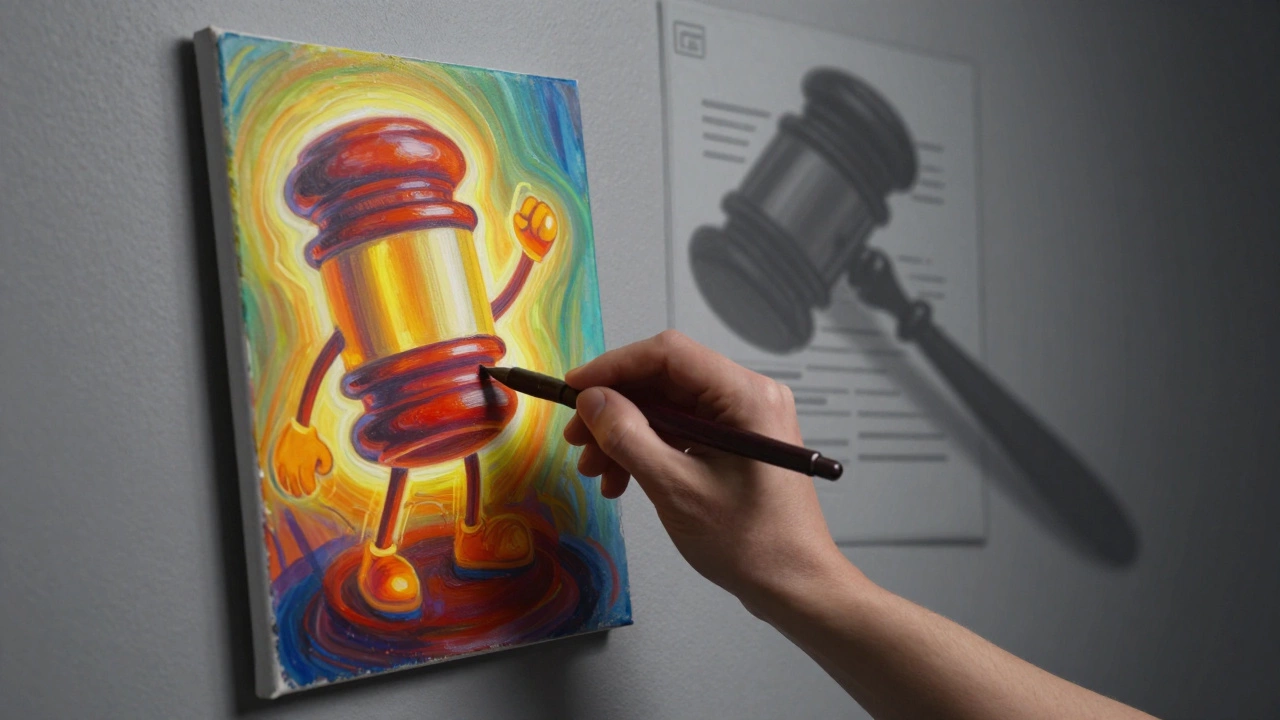
If you sell your work on platforms like Redbubble, Etsy, or Shopify, you are subject to the DMCA (Digital Millennium Copyright Act). This law allows copyright holders to request the immediate removal of infringing content without needing a court order first.
When a company sends a DMCA takedown notice to Etsy, Etsy doesn't investigate whether your art is "transformative" or "Fair Use." They simply remove the listing to avoid being held liable themselves. If you receive too many of these strikes, your entire shop can be permanently banned. Imagine building a business for two years only to have it deleted in ten seconds because you drew a popular Pokemon.
How to Protect Yourself and Your Business
If you want to make a living from your art, the best path is to move away from pure fan art. But how do you transition? Here are a few practical strategies that experienced artists use to stay safe while still leveraging popular trends.
- Create "Inspired By" Art: Instead of drawing a specific character, draw something that fits the aesthetic. If you love the vibe of Cyberpunk 2077, create your own neon-soaked futuristic city with original characters.
- Focus on Originality: Use fan art as a portfolio builder to get attention, but use your shop to sell original characters (OCs). This creates a bridge where fans follow you for the fan art but buy your original work.
- Study Licensing: Some companies offer limited licenses. While rare for individual artists, knowing how to apply for a commercial license can open doors for larger collaborations.
- Diversify Your Income: Don't rely on one IP. If you only draw one franchise and that company changes its policy on fan art, your income vanishes overnight.
The Practical Side of Artist Alleys
You might wonder why convention organizers allow fan art if it's technically illegal. Conventions usually operate on a "don't ask, don't tell" policy. They provide the space, and the artists take the risk. However, if a company decides to crack down at a specific show, the convention staff will not protect you. You are an independent contractor, and the legal liability rests solely on your shoulders.
One tip for those who still choose to venture into this: be humble and a bit discreet. Avoid using official logos or trademarks in your branding. Don't claim you are "officially partnered" with a company. The more you look like an official product, the more likely you are to attract the attention of the legal team.
Can I sell fan art if I don't use the character's name in the title?
No. Copyright protects the visual representation of the character, not just the name. Even if you call it "Blue Hedgehog with Red Shoes," it is still a derivative work of Sonic the Hedgehog and can be flagged for infringement.
Is it legal to take commissions for fan art?
Technically, no. You are being paid to create a derivative work. However, private commissions are much harder for companies to track than public shop listings. While still a violation of copyright, the risk of a lawsuit for a single private commission is significantly lower than selling 100 prints online.
What happens if I get a Cease and Desist letter?
A Cease and Desist is a formal request to stop an activity. In most cases, if you stop selling the art immediately and remove the listings, the company will be satisfied. It is a warning shot. Ignoring it, however, can lead to a formal lawsuit and financial penalties.
Does giving credit to the original creator make it legal?
No. Credit is a matter of social etiquette, not legal permission. Giving credit does not grant you the right to profit from someone else's intellectual property. The copyright holder still owns the rights regardless of whether you mentioned their name.
Are there any exceptions for non-profit fan art?
While not "legal" in the strict sense, companies are far less likely to pursue artists who aren't making money. If you are sharing art on Instagram for likes, you are generally safe. The moment money changes hands, you move from "fan activity" to "commercial activity," which triggers legal scrutiny.
Next Steps for Artists
If you are currently selling fan art, don't panic, but do start planning. The most sustainable career in art comes from owning your work. Use the popularity of fan art to build an audience, but slowly introduce original concepts. This way, if the legal landscape shifts or a company decides to clear out the market, you have a brand that belongs to you and you alone.
If you are unsure about a specific piece, the best rule of thumb is: if you can't imagine the original creator being happy about you making money from their work, don't sell it. When in doubt, lean toward originality.