Fine Art Photography Knowledge Quiz
Ready to Test Your Knowledge?
This quiz will help you understand what makes fine art photography unique, how it differs from other genres, and how to identify its key characteristics.
- 5 carefully crafted questions
- Immediate feedback with explanations
- Track your progress throughout
Walk into a gallery in Wellington or scroll through an Instagram feed dedicated to high-end visuals, and you might pause at an image that doesn’t immediately tell you what it is. Is it a landscape? A portrait? Or something else entirely? This hesitation is often the first clue that you are looking at Fine Art Photography, which is a genre of photography where the artist’s creative vision and aesthetic intent take precedence over documentary or commercial objectives. Unlike a news photo that captures a fact or a product shot that sells a shoe, fine art photography exists to evoke a feeling, provoke a thought, or challenge your perception of reality.
If you have ever wondered why some photos feel "heavy" with meaning while others just show you what happened, you are asking about the difference between documentation and creation. The answer isn't always obvious because fine art photography borrows heavily from traditional painting, digital manipulation, and conceptual art. It looks like whatever the photographer decides it should look like, provided that decision serves a deeper narrative or emotional purpose.
The Core Distinction: Intent Over Documentation
To understand what fine art photography looks like, you first have to strip away the expectation of literal truth. In journalistic or documentary photography, the goal is accuracy. If a photographer changes the lighting or moves a subject in a news story, they have lied. In fine art, changing the lighting or moving a subject is part of the storytelling process.
Consider the work of Ansel Adams. While he photographed real landscapes, his images were not simple records of Yosemite National Park. He used a technique called dodging and burning in the darkroom to control contrast and guide your eye. The result was a dramatic, almost mythological version of nature. That manipulation didn't make it less "real"; it made it more expressive. Today, this intent translates to digital editing. A fine art photographer might alter colors to create a surreal mood or composite multiple exposures to build a scene that never existed in physical space.
The key attribute here is agency. The photographer is not an observer but a director. They control every element-light, composition, color, and subject-to serve their internal vision. If the final image makes you feel isolated, nostalgic, or unsettled, the intent has been met. The "look" is secondary to the "feel."
Visual Characteristics of Fine Art Imagery
While there is no single rulebook, certain visual traits frequently appear in fine art photography. These aren't strict requirements, but they help distinguish the genre from casual snapshots or commercial work.
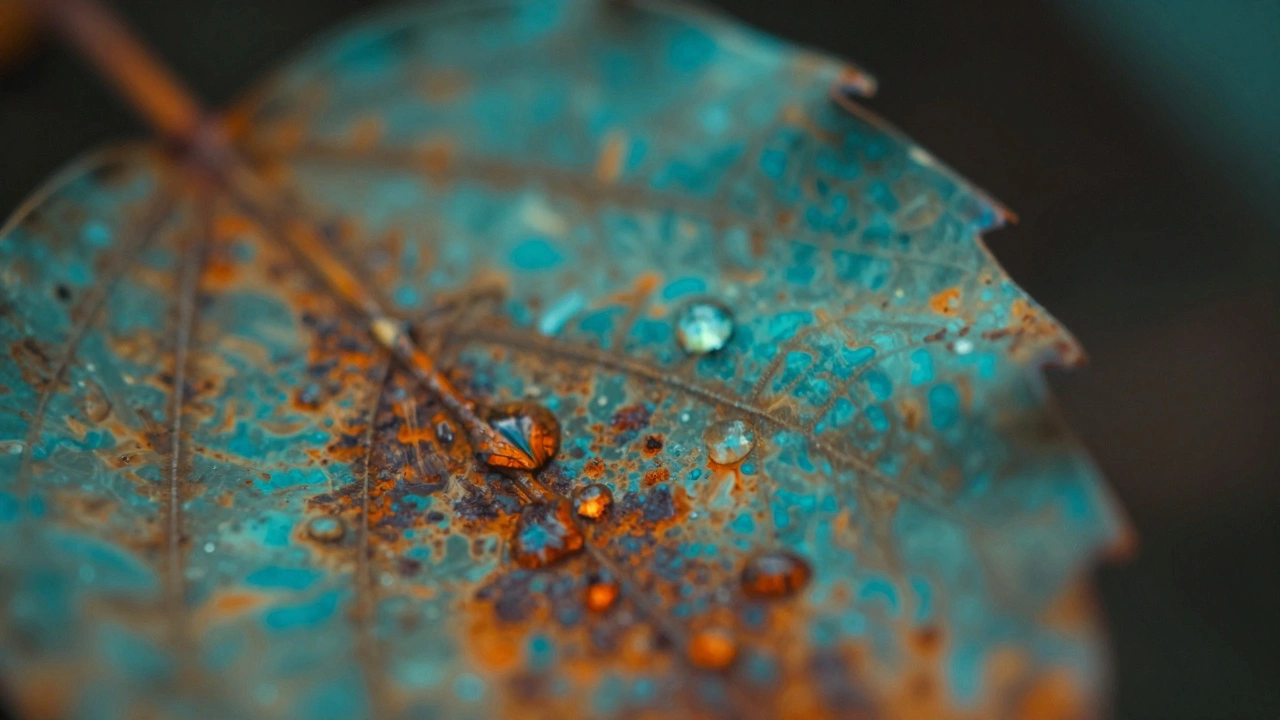
- Abstract Composition: Many fine art pieces remove recognizable context. You might see a close-up of rusted metal that resembles a map, or shadows on a wall that form a face. The subject becomes texture, shape, and light rather than an object.
- Unconventional Color Palettes: Fine art photographers often push colors beyond natural limits. Think of the teal-and-orange cinematic look, or monochromatic schemes that use only shades of blue or red to evoke specific psychological responses. Black and white remains a staple, not because color is absent, but because removing color forces the viewer to focus on form and emotion.
- Staged Scenarios: Unlike candid street photography, many fine art images are carefully constructed. Models are posed, props are arranged, and lighting is controlled. This staging allows the photographer to create a perfect, albeit artificial, moment that conveys a universal theme.
- High Level of Post-Processing: The camera capture is often just the raw material. Extensive editing in software like Adobe Photoshop or Lightroom is standard. This can range from subtle tonal adjustments to heavy compositing where elements from different photos are merged into one seamless image.
These characteristics serve a single purpose: to detach the image from its immediate reality and place it in the realm of idea and emotion. When you look at a fine art photograph, you are not asked to verify if it happened; you are asked to react to how it feels.
Major Subgenres and Their Aesthetics
Fine art photography is not a monolith. It branches into several subgenres, each with its own visual language. Understanding these helps you identify the style when you see it.
| Subgenre | Visual Style | Primary Focus | Example Technique |
|---|---|---|---|
| Conceptual Photography | Surreal, symbolic, often staged | Ideas and metaphors | Compositing and prop usage |
| Fine Art Landscape | Dramatic lighting, grand scale | Emotional connection to nature | Long exposure and HDR blending |
| Fine Art Portrait | Intimate, stylized, expressive | Inner life of the subject | Controlled studio lighting |
| Abstract Photography | Non-representational, textured | Form, color, and pattern | Macro details and intentional camera movement |
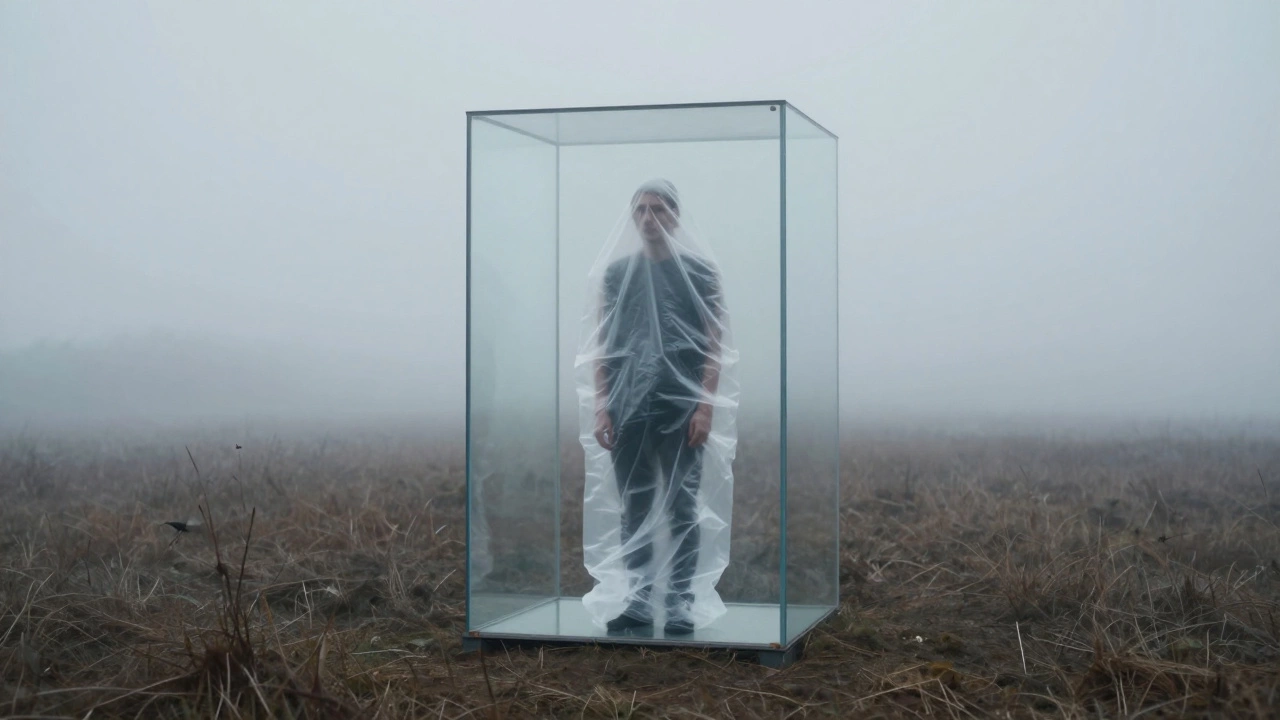
Conceptual photography is perhaps the most distinct. Here, the image is a vehicle for an idea. If a photographer wants to explore the concept of confinement, they might shoot a person wrapped in clear plastic or standing inside a glass box. The visual is striking, but the point is the metaphor. Fine Art Landscape, on the other hand, takes real places and renders them with such dramatic flair that they feel dreamlike. Photographers like Michael Kenna use long exposures to turn rushing rivers into smooth mist, creating a sense of timelessness.
Fine Art Portraiture moves beyond capturing likeness. It explores identity, vulnerability, and power. The subject is often posed in a way that feels unnatural yet revealing. Meanwhile, Abstract Photography removes all recognizable subjects. It might be a blur of city lights at night or a macro shot of water droplets on a leaf. The beauty lies in the patterns and colors themselves, inviting the viewer to project their own meanings onto the image.
The Role of Presentation and Context
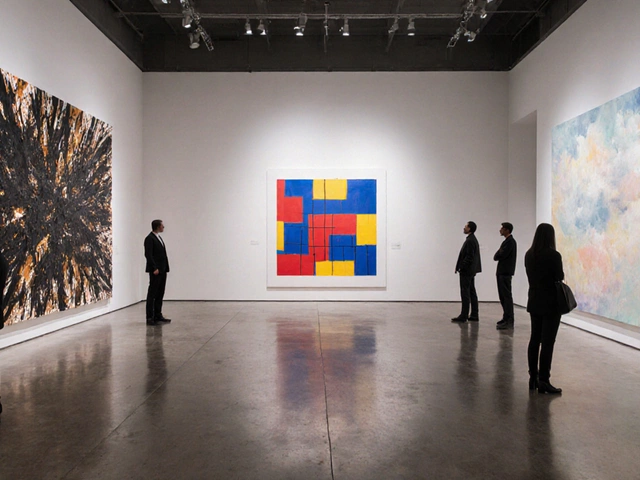
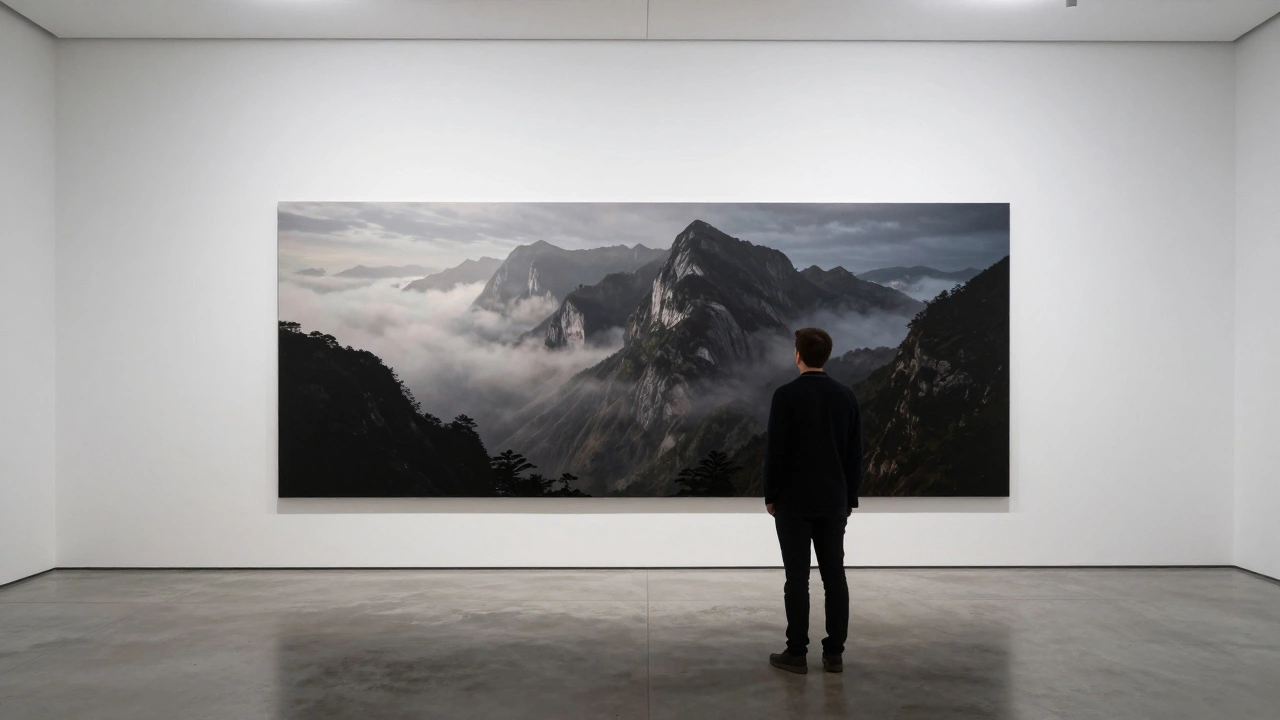
How a photograph is presented can change whether it is perceived as fine art or simply a nice picture. This is a crucial, often overlooked aspect of the genre. A stunning sunset photo printed on glossy paper and hung in a hotel lobby is decorative. The same image, printed on archival cotton rag paper, signed by the artist, and displayed in a white-cube gallery with a title and statement, becomes fine art.
This shift in context signals to the viewer that they are engaging with a creative work, not just consuming information. The physical attributes of the print matter. Fine art prints often use high-quality materials that enhance the tactile experience. The choice of paper weight, texture, and finish contributes to the overall aesthetic. A matte finish might soften the image and encourage contemplation, while a glossy finish adds vibrancy and impact.
Furthermore, the artist's statement plays a role. In galleries and online portfolios, fine art photographers provide text that explains their intent. This doesn't spoil the image; it frames it. It invites the viewer to look deeper, to consider the choices behind the composition and editing. Without this context, even the most sophisticated image can be misinterpreted as mere decoration.
Why It Matters: The Emotional Connection
So, why do we care about what fine art photography looks like? Because it offers a unique form of communication. In a world saturated with images, fine art photography stands out by refusing to be purely functional. It demands attention. It asks you to slow down and engage with the visual on a deeper level.
When you encounter a fine art photograph, you are not just seeing a record of light hitting a sensor. You are seeing a human perspective filtered through creativity. It can challenge your assumptions, comfort your emotions, or simply delight your eyes with unexpected beauty. Whether it’s a stark black-and-white street scene that highlights urban isolation or a vibrant, surreal composite that explores fantasy, the common thread is the artist’s deliberate hand.
Ultimately, fine art photography looks like intention. It looks like someone cared enough to craft an image not just to show you what is there, but to show you what it means. And that meaning is yours to discover.
Is fine art photography different from regular photography?
Yes. Regular photography often aims to document reality or sell a product. Fine art photography prioritizes the artist's creative vision and emotional expression. The photographer controls every aspect of the image to convey a specific message or feeling, often using staging and post-processing to achieve this.
Can a smartphone photo be considered fine art?
Absolutely. The tool does not define the art. If a photographer uses a smartphone to capture an image that expresses a strong personal vision, employs creative composition, and evokes an emotional response, it can be classified as fine art. The intent and execution matter more than the equipment.
Do fine art photographers edit their images?
Yes, extensive editing is common. Fine art photography often involves significant post-processing to adjust tones, colors, and composition. Some artists even composite multiple images together. Editing is seen as an extension of the creative process, similar to how a painter mixes colors on a canvas.
How do I know if a photograph is fine art?
Look for signs of deliberate artistic choice. Ask yourself: Does the image try to tell a story or evoke a feeling? Is the composition unusual or stylized? Is it presented in a gallery or portfolio with an artist's statement? If the primary goal seems to be aesthetic or conceptual rather than informational, it is likely fine art.
What is the difference between fine art and commercial photography?
Commercial photography is created to promote a product, service, or brand. Its success is measured by sales or engagement metrics. Fine art photography is created for artistic expression. Its success is measured by critical acclaim, gallery representation, or personal fulfillment. While both can be visually appealing, their underlying purposes are fundamentally different.