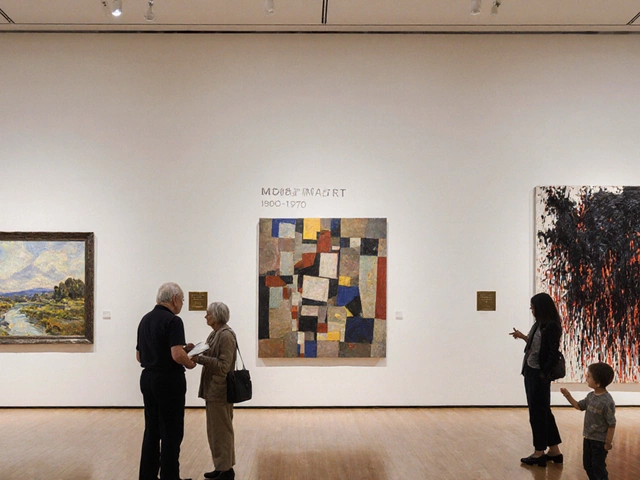
Painter's Tape for Oil Paint: How to Use It Right
When you're working with painter's tape for oil paint, a simple adhesive strip designed to mask off areas during painting. Also known as masking tape for art, it's not just for house painters—artists use it to create sharp edges, protect untouched areas, and control paint flow without risking brush bleed or smudging. Many beginners think you can just stick any tape on a canvas and walk away, but oil paint is tricky. It seeps, it dries slowly, and it can lift if the tape isn’t applied right. The wrong tape can pull off dried paint or leave sticky residue that ruins weeks of work.
Not all tapes are made equal. Standard household painter’s tape often has a weaker adhesive that’s meant for smooth walls, not textured canvas. Art-specific tapes, like those made by 3M or FrogTape, have a low-tack adhesive that holds firm without sticking too hard. They’re also designed to resist paint bleed better, which matters when you’re working with thick oil paint that doesn’t dry fast. If you’re trying to paint a clean horizon line, a straight window frame, or geometric shapes in an abstract piece, the tape needs to stay put for days—sometimes weeks—while the paint underneath cures. That’s why timing matters. Apply the tape on a clean, dust-free surface, press it down firmly with a credit card or your fingernail, and let the paint dry at least 24 hours before removing it. Pull the tape off at a 45-degree angle, slow and steady, not yanking it straight up.
Some artists skip tape altogether and use frisket or masking fluid, but those are messy and hard to control. Tape is fast, reusable, and cheap. You can even reuse strips if you’re careful—just peel them off gently and store them flat. It’s not magic, but it’s one of the most underrated tools in an oil painter’s kit. Think about the artists you admire who paint sharp architectural details or clean abstract shapes—they didn’t freehand every line. They used tape. And if you’re trying to make your work look more polished, professional, or intentional, this is one of the easiest ways to get there.
Below, you’ll find real posts from artists who’ve tested these methods, fixed their mistakes, and learned what actually works. No fluff. Just what happens when you tape, paint, and peel—and what to do when it goes wrong.
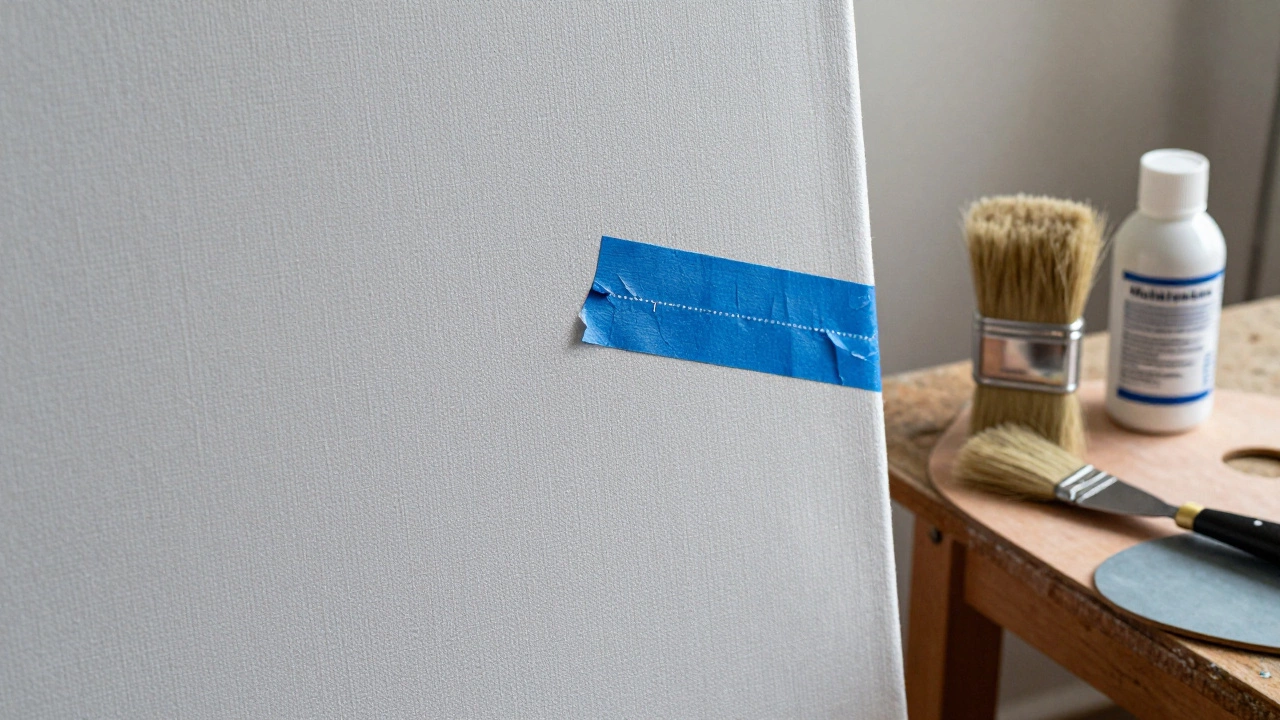
How to Paint Straight Lines in Oil Paint: Pro Techniques for Clean Edges
Learn how to paint clean, straight lines in oil paint using tape, brushes, and simple techniques. Avoid common mistakes and get professional results without advanced skills.
Continue ReadingCategories
Most popular
-

-

-
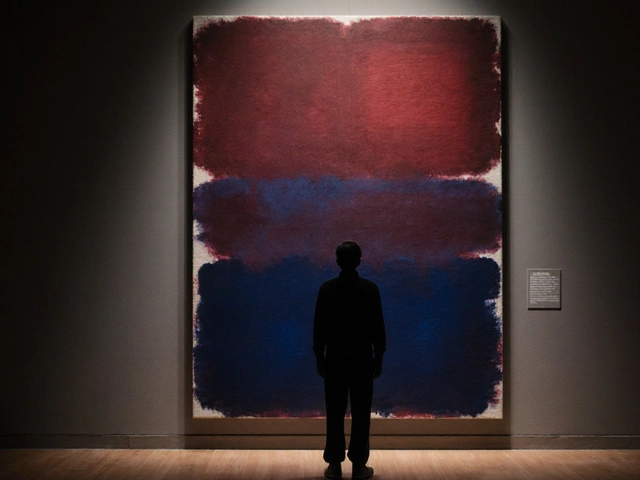 What Draws People to Abstract Art? Nov 17 2025
 -
-