Clay Sculpting: Learn Techniques, Tools, and Tips for Working with Clay
When you start clay sculpting, the tactile process of shaping wet earth into three-dimensional forms. Also known as hand-building, it’s one of the oldest and most direct ways to turn imagination into physical art. You don’t need a studio or expensive equipment—just your hands, some clay, and the willingness to get messy. Whether you’re making a small figurine, a bowl, or a full-size bust, clay responds to pressure, warmth, and time in ways no digital tool can replicate.
Clay sculpting connects to ceramic art, the broader field that includes firing, glazing, and functional pottery, but you don’t have to fire your work to enjoy the process. Many beginners start with air-dry clay or polymer clay to skip the kiln entirely. Still, if you’re serious about permanence and texture, earthenware or stoneware clay gives you the best results. The right clay depends on what you’re making: fine-grained clay for details, coarse clay for bold shapes. And while you might think you need a wheel, most sculpting is done by hand—pinching, coiling, slabbing—techniques that have stayed unchanged for thousands of years.
Tools matter, but not as much as you’d think. A wooden skewer, a butter knife, and a damp sponge can do most of the work. You don’t need a $200 set of stainless steel tools to start. What you do need is patience. Clay cracks if it dries too fast. It collapses if you build too tall without support. It sticks to your fingers if it’s too wet. These aren’t failures—they’re lessons. Every crack, dent, or warp teaches you how to handle the material better next time. And when you finally finish a piece, whether it’s perfect or lopsided, you’ve created something that didn’t exist before—and that’s the real reward.
People often ask if clay sculpting is for artists only. It’s not. It’s for anyone who wants to make something with their hands. It’s for parents who want to bond with kids over a shared project. For retirees looking for a calm, focused hobby. For people who spend all day staring at screens and need to feel real texture again. The posts below cover everything from how to choose your first clay to how to fix a cracked sculpture, what tools actually get used, and how to turn your creations into lasting pieces—even if you’ve never touched clay before.
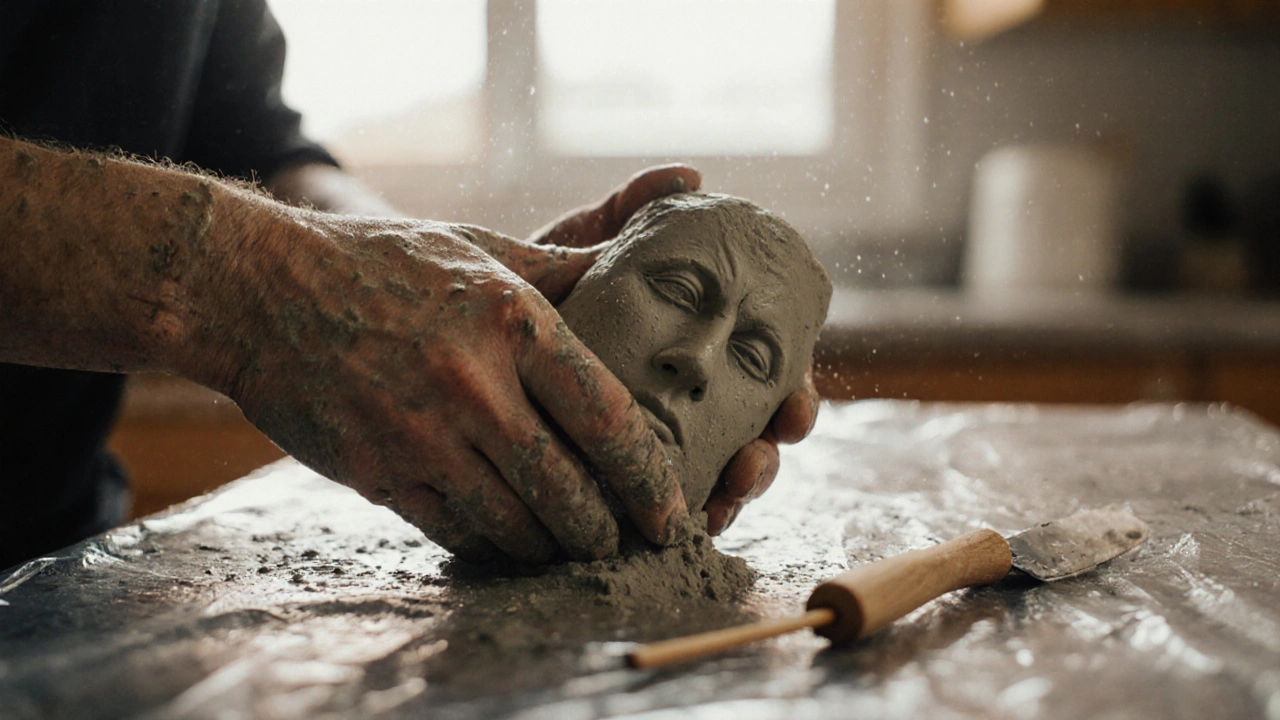
Is Sculpting Difficult? What Really Matters When You Start
Sculpting isn't about talent-it's about showing up. Learn how to start with clay, avoid common mistakes, and build real skill without formal training or expensive tools.
Continue Reading