Digital Art Income Estimator
Enter your estimated activity levels below to see how much you could earn across different revenue streams.
Breakdown by Stream
-
Freelance Income$0
-
POD Royalties$0
-
Asset Sales$0
There is a persistent myth that digital art is just a hobby because you don't have to buy physical canvas or expensive oils. The reality is starkly different. In 2026, digital creators are generating substantial incomes, but the path isn't as simple as uploading a file to social media and waiting for checks to arrive. You can absolutely make money with digital art, but it requires treating your creativity like a business. The landscape has shifted from the wild west of early NFT speculation to a mature ecosystem of stable revenue streams including licensing, print-on-demand, and high-value freelance contracts.
The question isn't really "can" you make money; it's "how much" and "where." Some artists earn pocket change selling low-resolution assets, while others build six-figure businesses by mastering specific niches and distribution channels. This guide breaks down the actual mechanisms of monetization, stripping away the hype to show you where the real value lies.
The Freelance Illustration Market
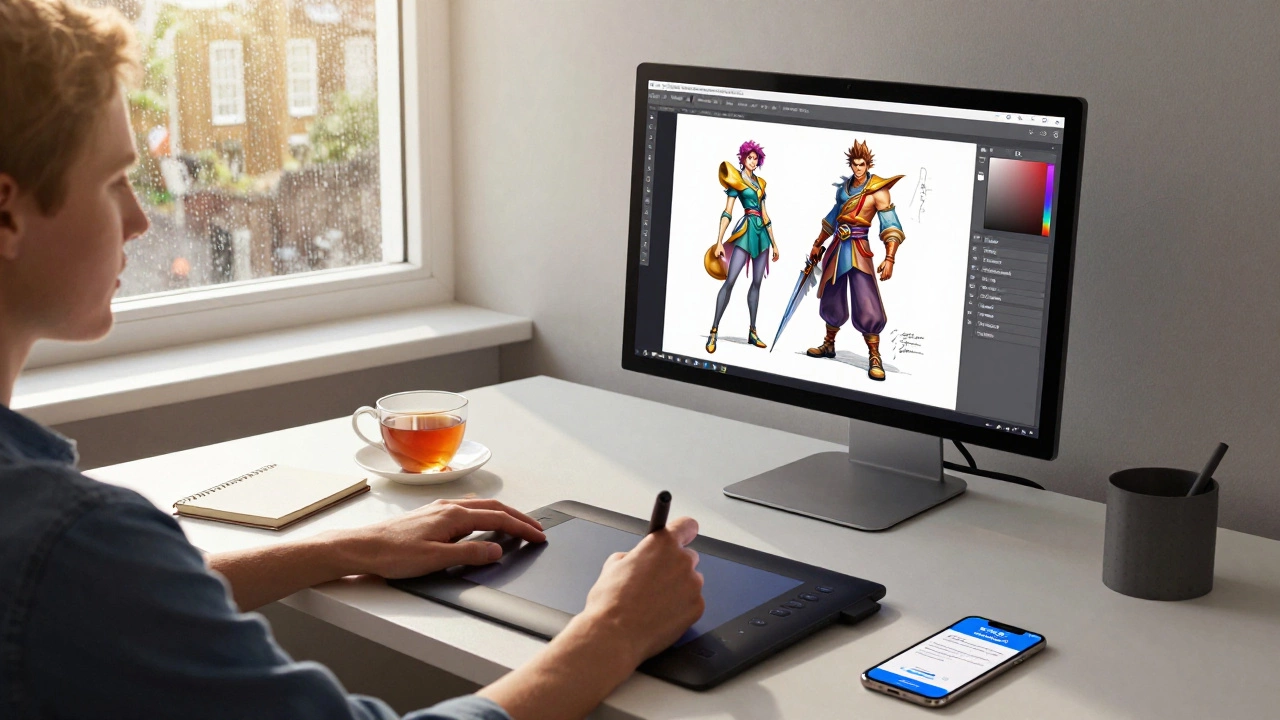
For many digital artists, the most immediate source of income is freelance illustration. Unlike passive income streams, this is active work: you trade time and skill for money. However, the rates vary wildly depending on who you serve. Corporate clients pay significantly more than individual consumers. A tech startup might pay $500-$1,500 for a single custom illustration for their landing page, whereas a local bakery might only offer $50 for a logo concept.
To succeed here, you need to specialize. Generalists struggle to command high fees. If you position yourself as an expert in character design for video games, you tap into a budget-heavy industry. Similarly, specializing in technical diagrams or medical illustrations creates a barrier to entry that protects your pricing. Platforms like Upwork and Fiverr are starting points, but they often race to the bottom on price. The real money comes from direct outreach to agencies, publishers, and game studios. Building a portfolio site that showcases case studies-not just pretty pictures-proves you can solve visual problems for clients.
Print-on-Demand: Low Risk, Scalable Rewards
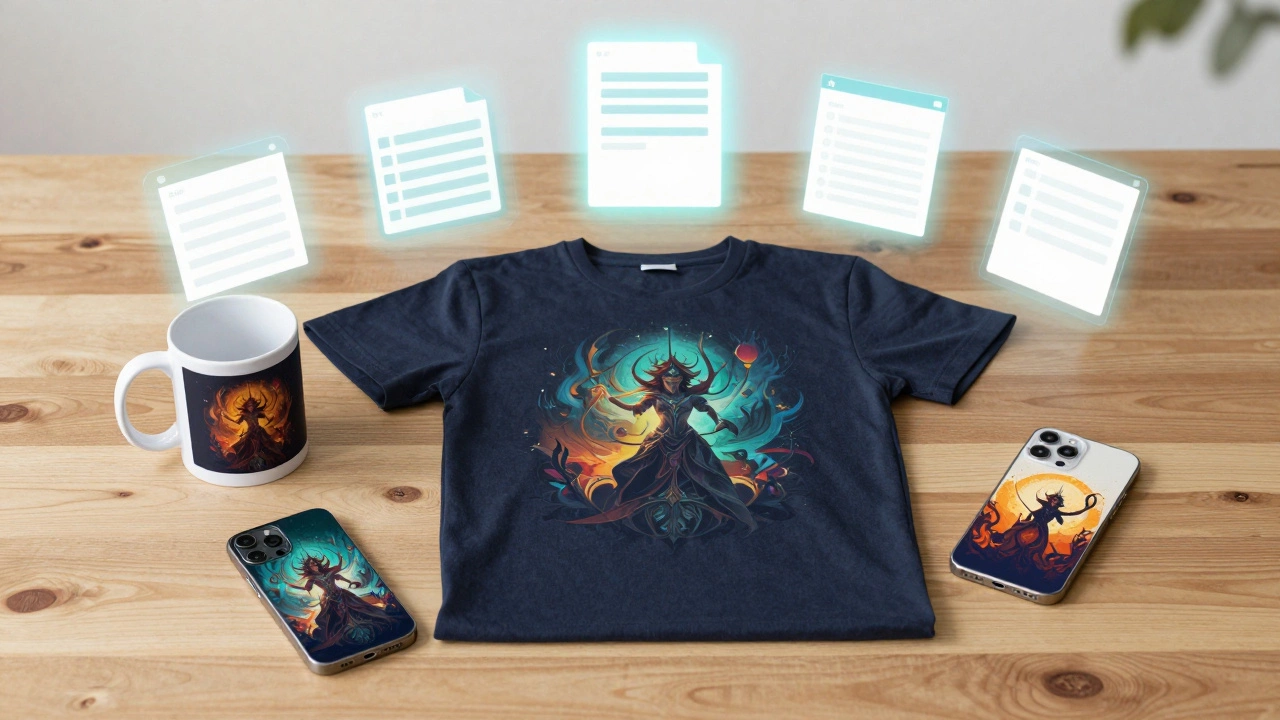
If you hate talking to clients, print-on-demand (POD) is your best friend. This model allows you to upload your digital designs to platforms that handle printing, shipping, and customer service. You keep a royalty on each sale. The beauty of POD is that there is zero inventory risk. You aren't sitting in a garage with unsold t-shirts. Services like Redbubble, Society6, and Printful integrate seamlessly with major e-commerce platforms.
However, the market is saturated. Success here depends on niche selection and SEO within those platforms. Don't just upload a generic cat picture. Upload a design targeting "introverted software engineers who love cats." Specificity sells. High-quality mockups matter too. Your digital art needs to look good when rendered on a mug, a phone case, or a hoodie. Many successful POD artists treat their store like a brand, using consistent color palettes and themes across hundreds of products to build recognition.
| Method | Startup Cost | Effort Level | Potential Earnings | Scalability |
|---|---|---|---|---|
| Freelancing | Low | High | Medium-High | Low (Time-bound) |
| Print-on-Demand | None | Medium | Low-Medium | High |
| Stock Assets | None | Medium | Low | Very High |
| NFTs | Medium (Gas fees) | Very High | Variable (Lottery-like) | Unpredictable |
Selling Digital Assets and Templates
Another powerful avenue is selling the tools other artists use. This includes brush packs, Procreate templates, Lightroom presets, and 3D models. This is essentially B2B (business-to-business) sales within the creative community. Once you create a high-quality brush set or a texture pack, you can sell it thousands of times without additional labor. Marketplaces like Gumroad, Etsy, and the Unity Asset Store are hubs for these transactions.
The key to success here is solving a specific pain point. Do you spend hours creating realistic water effects? Package that technique into a downloadable asset bundle. Are you great at organizing complex layer structures in Photoshop? Sell a project template. These products appeal to professionals who want to speed up their workflow. Pricing should reflect the time saved for the buyer. A well-made asset pack can easily command $20-$50 per sale, which adds up quickly if you have a steady stream of buyers.
The Reality of NFTs and Web3 in 2026
You cannot discuss making money with digital art without addressing NFTs (Non-Fungible Tokens). The hype cycle of 2021-2022 was brutal, wiping out many speculative projects. However, the technology remains relevant for serious collectors and established brands. In 2026, NFTs are less about getting rich quick and more about community building and provenance. Major auction houses and luxury brands still use blockchain to verify authenticity and offer exclusive access to holders.
For the average artist, NFTs are a high-risk, high-reward strategy. It requires significant marketing effort to build a collector base before minting anything. If you already have a strong following on Twitter or Instagram, launching a small, curated collection can yield impressive returns. But do not start your career expecting NFTs to be your primary income. Treat them as a premium tier for your most dedicated fans, not a replacement for traditional sales channels.
Licensing: The Silent Revenue Stream
Many artists overlook licensing, which involves granting permission to use your art in exchange for a fee or royalty. This could mean allowing a clothing brand to use your pattern on a limited run of shirts, or letting a publisher feature your illustration in a textbook. Licensing is powerful because you retain ownership of the original work while earning recurring revenue.
To get licensed, you need to register your copyrights and present a professional portfolio. Agencies like All American Artists Representatives or Image Quest can help connect you with corporate clients. Even smaller independent brands often look for unique visuals to stand out. The trick is to approach them proactively. Send a concise email with your portfolio link and a few examples of how your style fits their brand aesthetic. Licensing deals can range from one-time fees of a few hundred dollars to long-term contracts worth tens of thousands.
Building an Audience: The Foundation of Sales
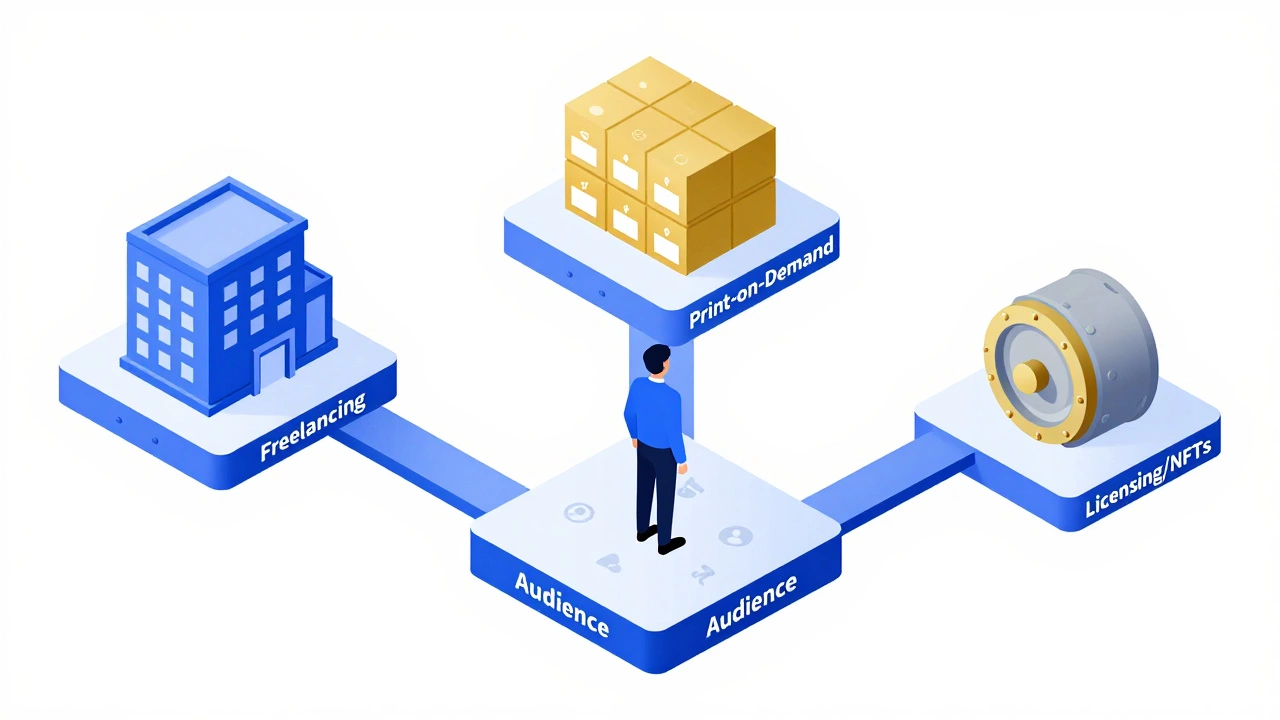
No matter which monetization method you choose, you need an audience. Social media is your storefront. Instagram and TikTok remain dominant for visual discovery, but YouTube offers deeper connection through process videos. Showing your screen while you work builds trust and demonstrates expertise. People buy from artists they know and like.
Email lists are even more valuable than social followers. Algorithms change, but your inbox is yours. Offer a free wallpaper or mini-guide in exchange for email sign-ups. Then, nurture that list with updates on new works, behind-the-scenes stories, and exclusive discounts. When you launch a new product, your email subscribers will be the first to buy, giving you crucial initial momentum.
Tax and Legal Considerations
Making money means dealing with taxes. In many countries, including New Zealand and the US, income from art is taxable. Keep detailed records of all sales, expenses (software subscriptions, hardware depreciation), and invoices. Consider setting aside 25-30% of your earnings for tax season. Ignoring this can lead to severe penalties later. Additionally, understand the difference between selling a file and licensing usage rights. Clear contracts protect you from clients using your work beyond what you agreed to.
How much can a beginner digital artist realistically earn?
A beginner might earn $100-$500 per month initially through small freelance gigs or stock sales. As you build a portfolio and client base, this can grow to $1,000-$3,000 monthly within a year. Full-time incomes of $5,000+ require specialized skills, consistent output, and multiple revenue streams.
Is it better to sell prints or digital downloads?
It depends on your goals. Prints offer higher profit margins per unit but involve shipping costs and inventory management (unless using POD). Digital downloads have near-zero marginal cost and scale infinitely, but customers may expect lower prices. Many artists successfully combine both.
Do I need a website to sell my digital art?
Not strictly, but highly recommended. Marketplaces like Etsy or Redbubble bring traffic, but they take large commissions and own the customer relationship. A personal website via Shopify or Squarespace gives you full control over branding, data, and profits, though you must drive your own traffic.
What software is best for making money with digital art?
Adobe Photoshop and Illustrator remain industry standards for professional work. Procreate is excellent for iPad-based illustrators. Blender is free and powerful for 3D artists. Choose software based on your target market; corporate clients often expect Adobe formats, while indie gamers appreciate Blender assets.
How do I protect my digital art from theft?
You cannot stop all theft, but you can mitigate it. Watermark previews on websites, register copyrights for key works, and use terms of service that clearly define usage rights. For high-value clients, always use contracts. Monitoring sites like Pixsy can help detect unauthorized use of your images online.