Contemporary Art Lens: Are You Looking With Contemporary Eyes?
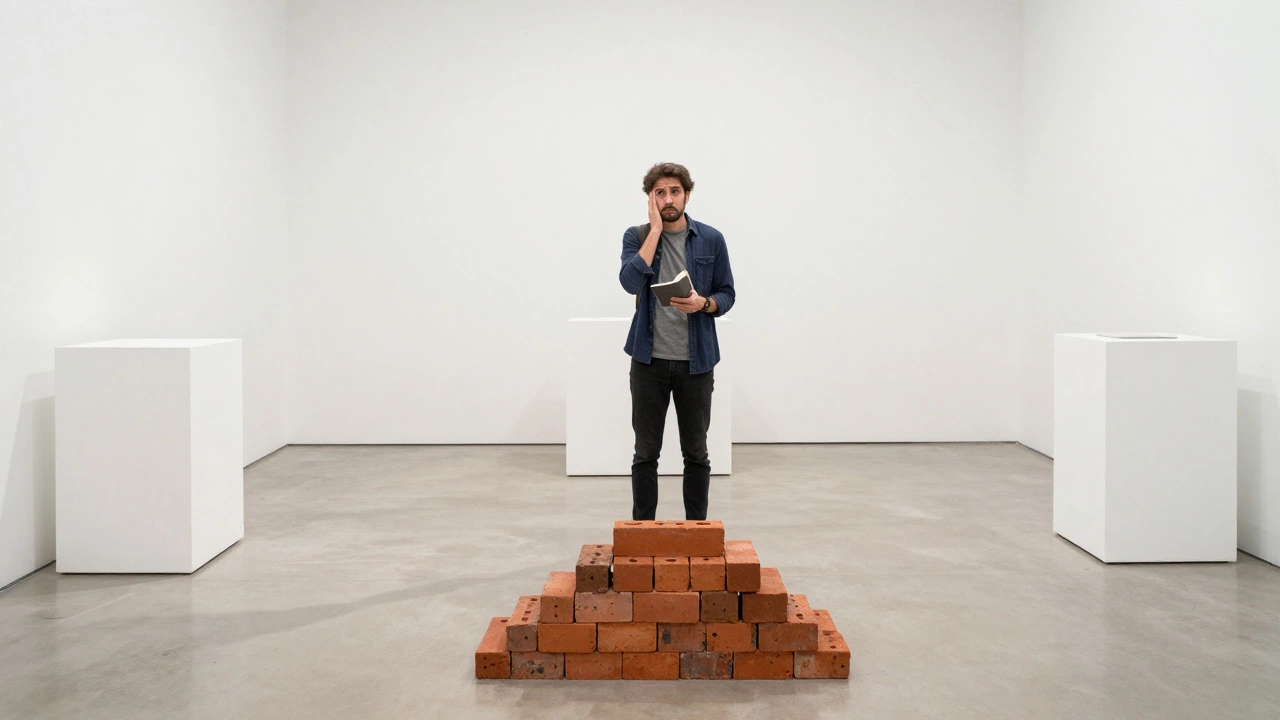
Walk into any major museum today and you might feel a bit lost. Is that pile of bricks art? Why is there a video screen showing a blank wall? What makes this spray-painted can worth millions? If you’ve ever stood in front of a piece of contemporary art is art produced in the present era, typically from the late 20th century to now and wondered if you’re missing something, you’re not alone. The rules have changed. The brushstrokes are gone. The frames are optional.
Understanding contemporary art isn’t about learning a secret code. It’s about shifting your perspective from “What does it look like?” to “What is it doing?” This guide breaks down the core characteristics that define art made today, helping you navigate galleries with confidence rather than confusion.
The Timeframe: When Did Contemporary Art Start?
First, let’s clear up the biggest misconception. Many people use “modern” and “contemporary” interchangeably, but they refer to very different periods. Modern art is art created roughly between the 1860s and the 1970s. Think Picasso, Van Gogh, or the Impressionists. They were breaking away from tradition, experimenting with form and color, but they were still largely focused on objects you could hang on a wall.
Contemporary art is art being made right now by living artists. While definitions vary slightly, most curators and historians agree it began around the 1970s or 1980s, coinciding with the rise of globalization, digital technology, and postmodern philosophy. So, when you ask what characterizes contemporary art, you’re asking about the art of our current moment-shaped by social media, climate change, political unrest, and instant communication.
Ideas Over Objects: The Rise of Conceptualism
If modern art was about how something looked, contemporary art is often about what it means. This shift toward conceptual art is a movement where the idea behind the work is more important than the physical object is perhaps the defining characteristic of the era.
In the 1960s, artists like Sol LeWitt argued that the idea becomes the machine that makes the art. You don’t need to be a master painter to create powerful work; you just need a powerful concept. This democratized art. It meant that a text-based instruction, a performance, or a photograph could carry as much weight as an oil painting. When you encounter contemporary art, look for the story, the question, or the statement. The physical materials are often just vehicles for the message.
Mixed Media and Breaking Boundaries
Forget the strict separation between painting, sculpture, and drawing. Contemporary artists rarely stick to one medium. They mix everything. You’ll see mixed media is the combination of two or more distinct artistic materials in a single work everywhere.
An artist might combine video projection with found objects, digital code with clay, or soundscapes with textile fibers. This reflects our own lived experience. We don’t live in black-and-white categories; we exist in a complex blend of digital and physical realities. By mixing media, artists challenge the viewer to engage with multiple senses simultaneously. It’s no longer just visual; it’s often auditory, tactile, or even olfactory.
Installation Art: Immersive Experiences
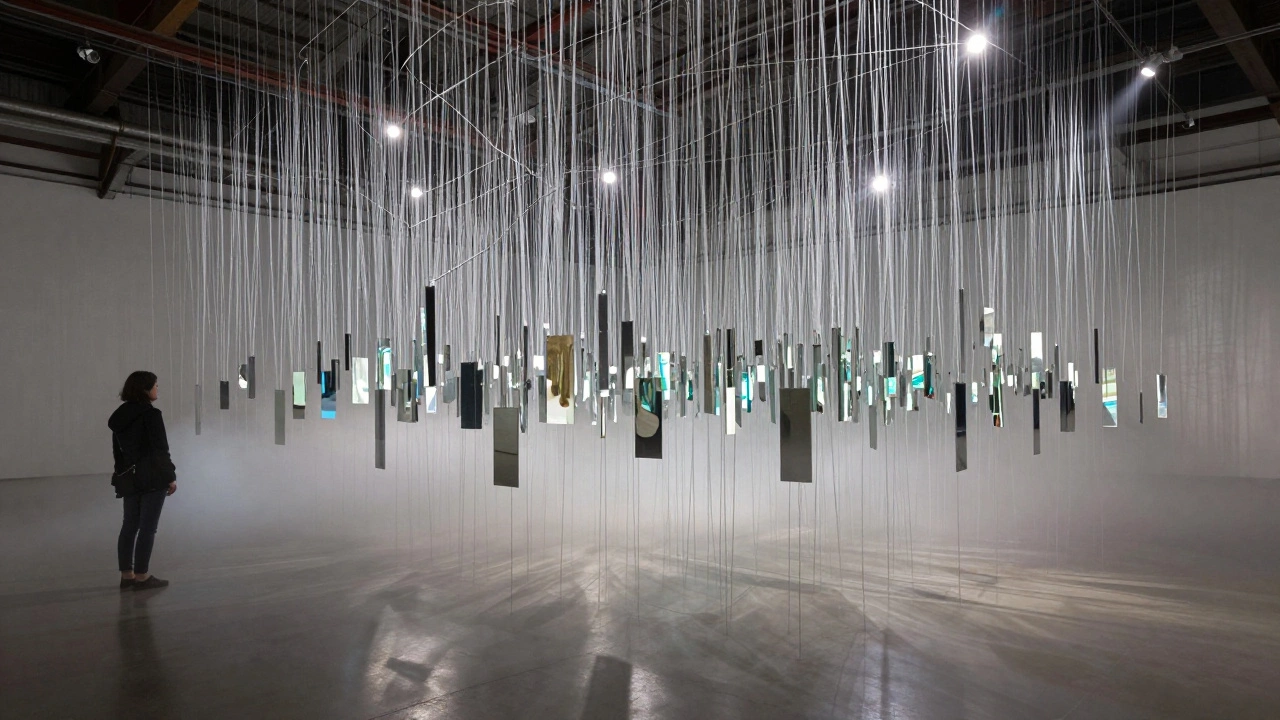
One of the most recognizable traits of contemporary art is the installation art is a large-scale, often immersive work designed to transform a specific space. Instead of standing in front of a canvas, you walk inside the artwork. These pieces are site-specific, meaning they are created for a particular location and often cannot be moved without losing their meaning.
Think of rooms filled with hanging threads, mirrors that distort your reflection, or spaces filled with fog. Installation art forces you to become part of the piece. Your presence completes the work. This characteristic shifts the role of the audience from passive observer to active participant. You aren’t just looking at art; you’re experiencing it physically and emotionally.
Social and Political Commentary
Contemporary art is rarely neutral. It is deeply engaged with the world around us. Artists today frequently address issues like identity politics, environmental crisis, gender equality, and economic disparity. This is sometimes called social practice art is art that prioritizes human interaction and social exchange over traditional aesthetic objects.
Unlike earlier movements that sought “art for art’s sake,” contemporary creators often see their work as a tool for activism or dialogue. They want to provoke discomfort, spark debate, or highlight overlooked voices. If a piece makes you angry, sad, or reflective about current events, it’s likely fulfilling its purpose. The value lies in its ability to connect personal experience with broader societal structures.
Technology and Digital Integration
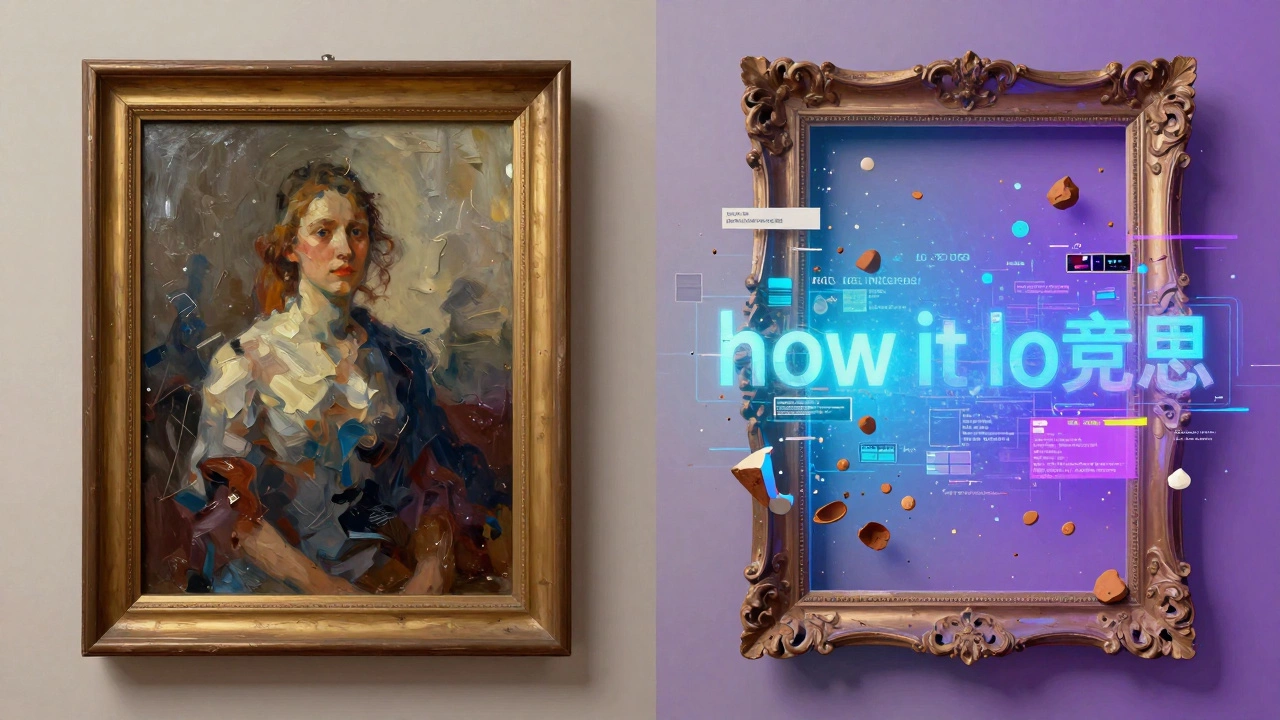
You can’t talk about contemporary art without mentioning technology. From early video art in the 1970s to today’s AI-generated images and virtual reality experiences, tech is central. Digital art is artistic works or practices that involve digital technology as an essential part of the creative or presentation process has exploded in recent years.
Artists use algorithms, blockchain (for NFTs), augmented reality, and interactive sensors. This raises new questions about authorship, ownership, and authenticity. Can a computer be an artist? Is a digital file as valuable as a physical painting? These debates are part of the contemporary art landscape. Technology allows artists to reach global audiences instantly and creates new forms of expression that didn’t exist fifty years ago.
Global Perspectives and Diversity
Historically, Western art dominated the narrative. Today, contemporary art is truly global. Artists from Africa, Asia, Latin America, and the Middle East are gaining equal footing in major institutions. This brings diverse cultural traditions, materials, and viewpoints into the mainstream. Globalization is the process of interaction and integration among people, companies, and governments worldwide has allowed for a cross-pollination of ideas.
This characteristic means you’ll encounter art that challenges Eurocentric standards of beauty and success. You might see works rooted in indigenous knowledge systems, colonial history, or non-Western philosophies. Embracing this diversity enriches the conversation and ensures that contemporary art reflects the complexity of the entire human experience, not just a small segment of it.
How to Appreciate Contemporary Art
So, how do you actually enjoy this stuff? Here are a few practical tips:
- Read the label. Context is king in contemporary art. The artist’s statement explains the intent. Without it, you might miss the point entirely.
- Ask questions. Don’t settle for “I don’t get it.” Ask yourself: What emotion does this evoke? What problem is it highlighting? How does it make me feel in my body?
- Accept ambiguity. Not every piece needs a clear answer. Some are meant to remain open-ended, inviting multiple interpretations.
- Look beyond skill. Technical mastery is less important than conceptual strength. Judge the idea, not just the execution.
Is all art made today considered contemporary art?
Technically, yes, because "contemporary" refers to the present time. However, in art historical terms, "contemporary art" usually refers to work that engages with the specific themes, styles, and contexts of the post-1970s era. Traditional realism or classical techniques can still be used by contemporary artists, but they are often employed to comment on modern issues rather than simply replicate past styles.
Why is contemporary art so expensive?
The price of contemporary art is driven by supply and demand, reputation, and speculation. Established artists with proven track records in major museums command higher prices. Additionally, the art market functions as an investment vehicle for some collectors. The cost doesn't always reflect the material value of the work, but rather the cultural significance and the artist's brand.
What is the difference between modern and contemporary art?
Modern art generally covers the period from the 1860s to the 1970s, focusing on breaking away from traditional representation. Contemporary art refers to art made from the late 20th century to the present day. Modern art is often concerned with form and abstraction, while contemporary art is more focused on concepts, identity, politics, and mixed media.
Can I create contemporary art without formal training?
Absolutely. One of the hallmarks of contemporary art is its accessibility and emphasis on ideas over technical skill. Many renowned contemporary artists are self-taught. What matters most is your unique perspective, your ability to communicate a concept, and your engagement with current cultural dialogues.
How does technology impact contemporary art?
Technology has expanded the tools available to artists, enabling new forms like digital art, VR experiences, and AI-generated imagery. It also changes how art is distributed and consumed, allowing for global reach through social media and online platforms. Furthermore, technology itself often becomes the subject of critique, exploring issues like privacy, surveillance, and digital identity.