Street Art Fame Calculator
Adjust the sliders to prioritize what "Fame" means to you.
Artist Comparison
Banksy
The Anonymous GiantKnown for political satire and global icon status.
Jean-Michel Basquiat
The BridgeHighest auction records and gallery crossover.
Keith Haring
The Social ConscienceMaximum accessibility and social activism.
Walk down any alley in London, Berlin, or New York, and you’ll see it: a stencil of a rat holding a flower, a spray-painted crown, or a cryptic phrase on a brick wall. Street art has moved from the fringes of vandalism to the center of global culture. But when people ask, "Who is the most famous street artist?" they are usually looking for one name. That name is almost always Banksy.
However, declaring a single winner is tricky. Fame in street art isn’t just about who sells the most expensive pieces at auction; it’s about cultural impact, mystery, and how deeply an artist’s work embeds itself in the public consciousness. While Banksy dominates the headlines, other giants like Jean-Michel Basquiat, a neo-expressionist painter whose graffiti roots defined the 1980s NYC scene and Keith Haring, known for his radiant baby figures and pop-art style activism have left indelible marks on history.
| Artist | Primary Medium | Cultural Impact | Auction Record (Approx.) |
|---|---|---|---|
| Banksy | Stencil Graffiti | Political Satire / Global Icon | $18.7 Million |
| Jean-Michel Basquiat | Neo-Expressionism / Graffiti | Bridging Street & Gallery Art | $110.5 Million |
| Keith Haring | Mural / Pop Art | Social Activism / Accessibility | $34.2 Million |
| KAWS | Sculpture / Street | Commercial Crossover | $16.8 Million |
The Anonymous Giant: Why Banksy Tops the List
If fame is measured by recognition among non-art lovers, Banksy wins without contest. You don’t need to know what a "stencil" is to recognize his work. His anonymity is part of the brand. By hiding behind a pseudonym and never showing his face, he forces the world to focus entirely on the message rather than the messenger. This creates a mythos that traditional gallery artists can only dream of.
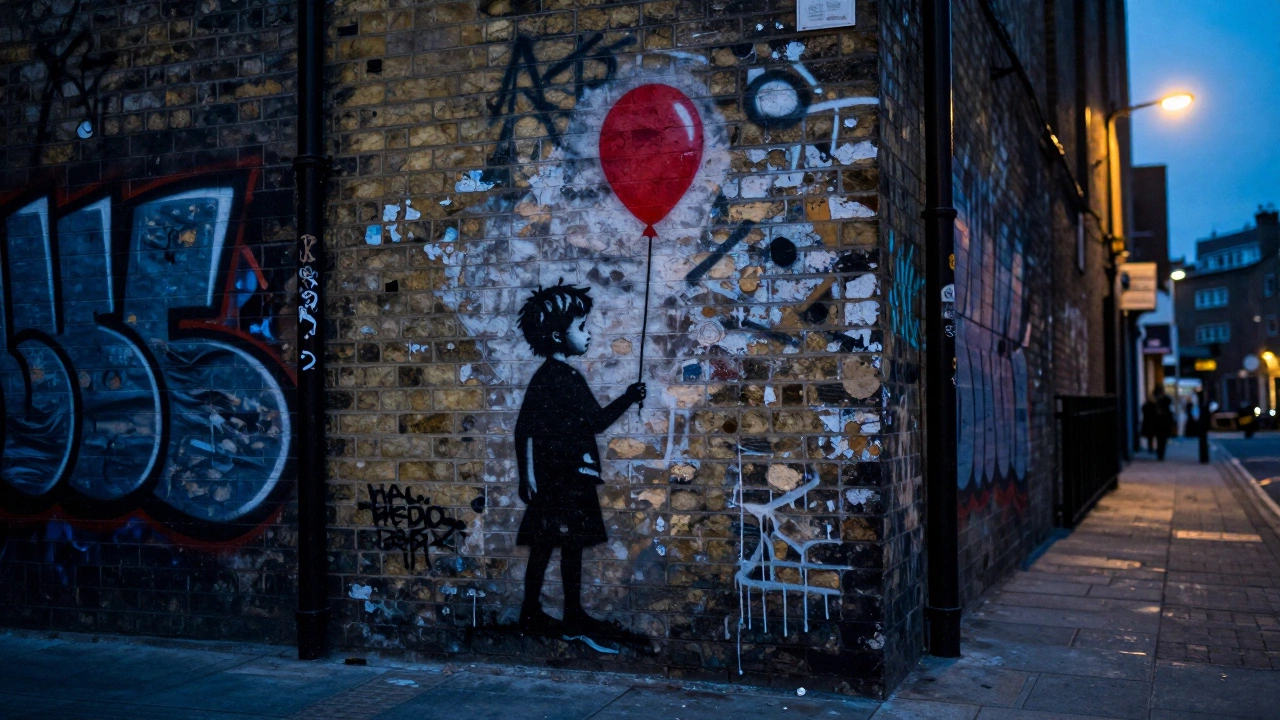
Banksy’s rise began in the early 2000s in Bristol, England. He didn’t just paint walls; he staged performances. Remember when he shredded his own painting, *Girl with Balloon*, right after it sold for £1.4 million at Sotheby’s in 2018? That wasn’t just art; it was a viral marketing stunt that reinforced his critique of the commodification of art. It proved that even in the high-stakes world of auctions, he remained untouchable.
His works often tackle heavy themes: war, capitalism, surveillance, and inequality. A child holding a balloon in front of a border wall speaks louder than any political speech. This universal language allows his art to travel across borders instantly via social media, making him the most "shared" street artist in history.
The Bridge Between Streets and Galleries: Jean-Michel Basquiat
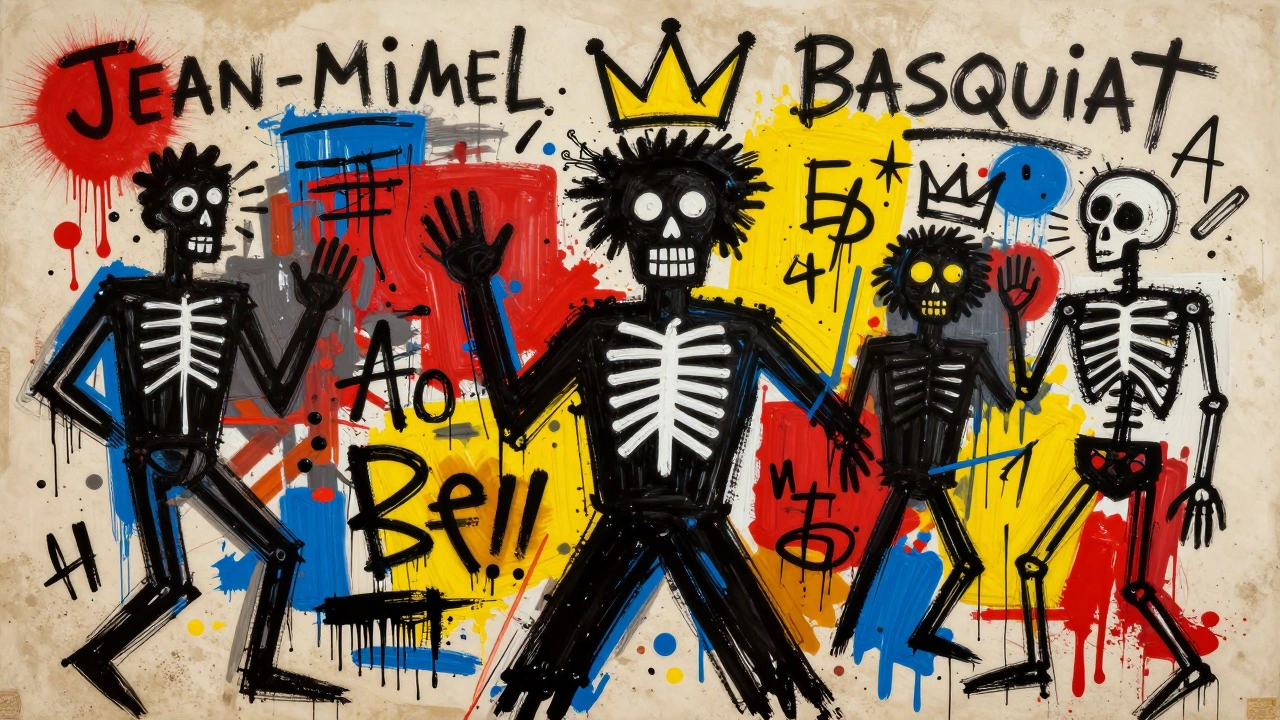
While Banksy represents the modern era of anonymous digital-age fame, Jean-Michel Basquiat represents the historical foundation of street art entering the fine art canon. In the late 1970s, Basquiat painted under the tag "SAMO" on the streets of New York City. These cryptic, poetic phrases attracted attention from the downtown art scene.
Basquiat’s transition from street graffiteri to a celebrated Neo-Expressionist painter is unique. He didn’t stay hidden. He collaborated with Andy Warhol, lived a glamorous life, and died tragically young at age 27. His fame today is fueled by both his artistic genius and his tragic narrative. When his paintings sell for over $100 million, it sends a shockwave through the art world, proving that street origins do not limit financial ceiling.
For many, Basquiat is the most important street artist because he broke the door open for others. Before him, graffiti was seen purely as crime. After him, it was seen as potential talent waiting to be discovered in the concrete jungle.
The Social Conscience: Keith Haring
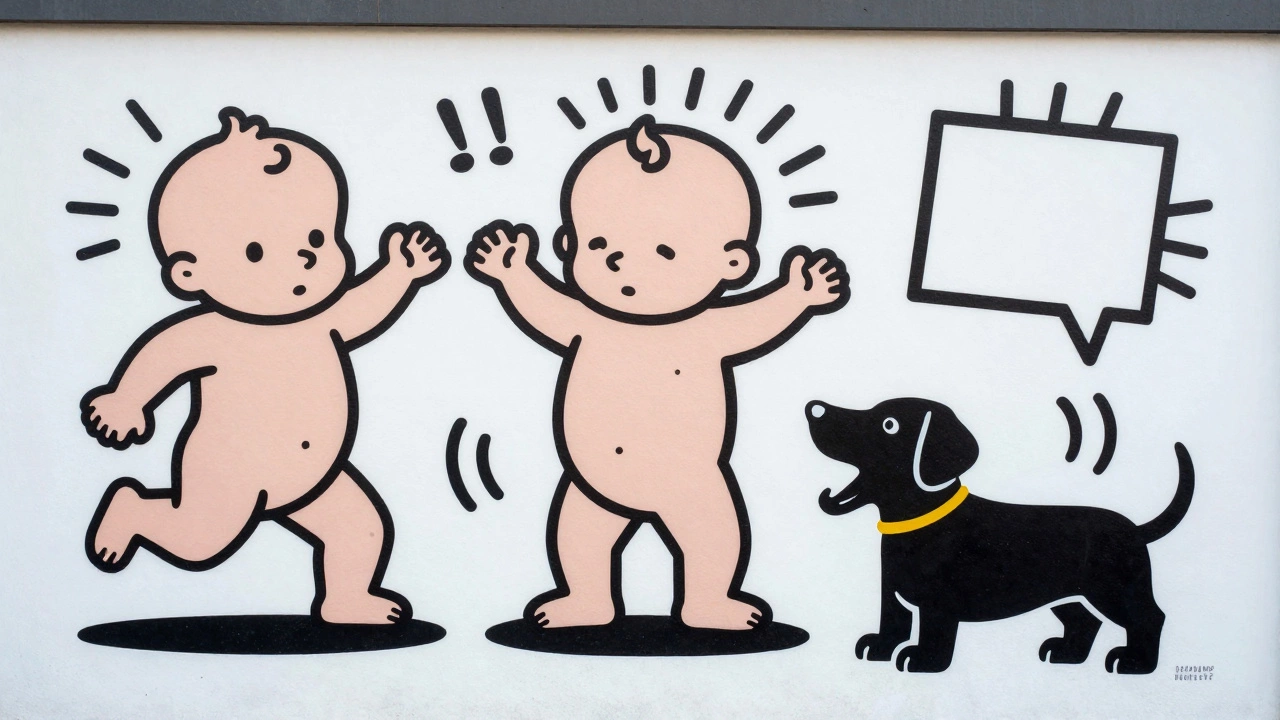
If Banksy is cynical and Basquiat is intense, Keith Haring was optimistic and urgent. Active in the 1980s, Haring used simple, bold lines and iconic symbols like dancing babies, barking dogs, and radiating figures. He believed art should be accessible to everyone, not just those who could afford museum tickets.
Haring famously painted on unused subway advertisement panels in New York, reaching millions of commuters daily. He also created large-scale murals around the world, often addressing serious issues like AIDS awareness, nuclear disarmament, and apartheid. His death from AIDS-related complications in 1990 cemented his legacy as a martyr for social justice.
Today, Haring’s influence is visible everywhere, from fashion collaborations to protest signs. His work remains relevant because it champions human connection and equality. For audiences who view street art as a tool for social change, Haring might hold the title of most famous.
The Modern Commercial Kings: KAWS and Shepard Fairey
In the 21st century, two artists have mastered the blend of street credibility and commercial success: KAWS, an artist known for his 'Companion' figures and crossover into toy design and Shepard Fairey, creator of the 'Obey' campaign and Obama's 'Hope' poster.
KAWS started as a graffiti writer in Brooklyn but found massive fame by altering billboards and creating vinyl toys. His "Companion" characters-part Mickey Mouse, part skeleton-have become global icons. He bridges the gap between high art and consumer culture, selling out exhibitions worldwide and collaborating with brands like Nike and Uniqlo.
Shepard Fairey changed the political landscape with his "Hope" poster for Barack Obama’s 2008 presidential campaign. Although the poster was technically screen-printed and distributed legally, its aesthetic was pure street art. Fairey’s "Obey Giant" campaign earlier in the decade had already established him as a master of visual propaganda and sticker bombing. For political engagement and mainstream visibility, Fairey is a heavyweight contender.
Why "Most Famous" Is a Moving Target
Fame in street art is volatile. Unlike classical painters whose reputations were built over centuries, street artists gain fame rapidly through social media virality. An artist like Invader, who places pixelated mosaic tiles inspired by the video game Space Invaders across cities worldwide, has a dedicated cult following but less general public recognition than Banksy.
Similarly, female street artists like Miss Van or Maya Hayuk are gaining significant traction, challenging the male-dominated narrative of the genre. As the definition of street art expands to include installation, light projection, and digital AR (Augmented Reality) art, new names will emerge.
Ultimately, the "most famous" title depends on your metric. If you measure by auction prices, Basquiat wins. If you measure by global recognition and meme-ability, Banksy is unbeatable. If you measure by social impact and accessibility, Haring stands tall. The beauty of street art is that it belongs to the public, and the public gets to decide who matters most.
Is Banksy really anonymous?
Yes, Banksy’s true identity has never been officially confirmed. While there have been numerous speculations and documentaries suggesting various individuals (such as Robin Gunningham), Banksy himself has never revealed his face or legal name. This anonymity is central to his artistic persona and protects him from legal repercussions for unauthorized public art.
What is the most expensive street art ever sold?
The most expensive piece attributed to a street artist is Jean-Michel Basquiat’s "Untitled" (1982), which sold for $110.5 million at Christie’s in 2017. While Basquiat is often categorized as a Neo-Expressionist painter, his roots in the SAMO graffiti movement firmly place him within the street art lineage. Among strictly contemporary street artists, Banksy’s "Love is in the Bin" holds a significant record after being shredded post-auction.
Where can I see Banksy’s art in person?
Banksy’s works appear globally, but some key locations include Bristol, UK (his hometown), London, Palestine (the West Bank barrier), and New York City. Many of his pieces are removed, covered, or destroyed over time. Websites like Banksy.co.uk maintain a database of known locations, though visitors should note that conditions change rapidly.
How did street art become accepted in galleries?
The acceptance of street art in galleries began in the late 1970s and 1980s with artists like Jean-Michel Basquiat and Keith Haring transitioning from subway walls to canvas. The 2008 exhibition "Bomb! Hip Hop Takes Art" at the Museum of Contemporary Art San Diego played a pivotal role. Later, major retrospectives for artists like Keith Haring and the commercial success of Banksy helped legitimize the medium as fine art.
Is street art considered vandalism?
Legally, yes. Painting on private property without permission is vandalism in most jurisdictions. However, culturally and aesthetically, the line is blurred. Many cities now designate "legal walls" or commission murals, recognizing street art’s value in tourism and community revitalization. The distinction often lies in consent: commissioned work is art; unauthorized work is vandalism, regardless of quality.