Watercolor Washes: Learn Techniques, Tools, and Tips for Smooth Transitions
When you work with watercolor washes, a technique where pigment is diluted with water to create even, transparent layers on paper. Also known as graded washes, it's one of the most fundamental skills in watercolor painting—used by everyone from beginners sketching skies to professionals building layered landscapes. It’s not about brushing on color. It’s about controlling how water moves, how pigment settles, and how light passes through thin layers to make your painting feel alive.
There are three main types of washes you’ll run into: flat wash, a single, even tone across the paper, perfect for skies or backgrounds, gradient wash, where color fades from dark to light, ideal for sunsets or rolling hills, and variegated wash, mixing two colors while wet to let them blend naturally on the page. Each one needs different paper, brush, and timing. You don’t need expensive supplies—just good paper that won’t buckle, a clean brush that holds water, and patience to let the paint do its thing.
Watercolor washes aren’t just pretty effects—they’re the backbone of depth in a painting. A flat wash behind a tree turns it from a flat shape into something standing in space. A gradient wash on a wall makes it feel lit by real sunlight. Artists who master this don’t paint every leaf or stone—they paint the light and air around them. That’s why you’ll see washes in nearly every landscape piece here, from soft morning mists to dramatic storm clouds. And if you’ve ever struggled with muddy colors or streaky edges, it’s not your brush. It’s usually the paper being too dry, or the paint too thick.
What you’ll find in these posts isn’t theory. It’s what works. You’ll see how to fix a failed wash, how to prep your paper so it doesn’t warp, and how to layer washes without turning your painting into mud. Some artists use masking fluid. Others rely on timing and gravity. One person uses a hairdryer. Another waits hours. There’s no single right way—just what fits your style. These posts show real examples, real mistakes, and real fixes. Whether you’re painting a single cloud or a whole mountainside, watercolor washes are your quiet superpower. Let’s get you using them with confidence.
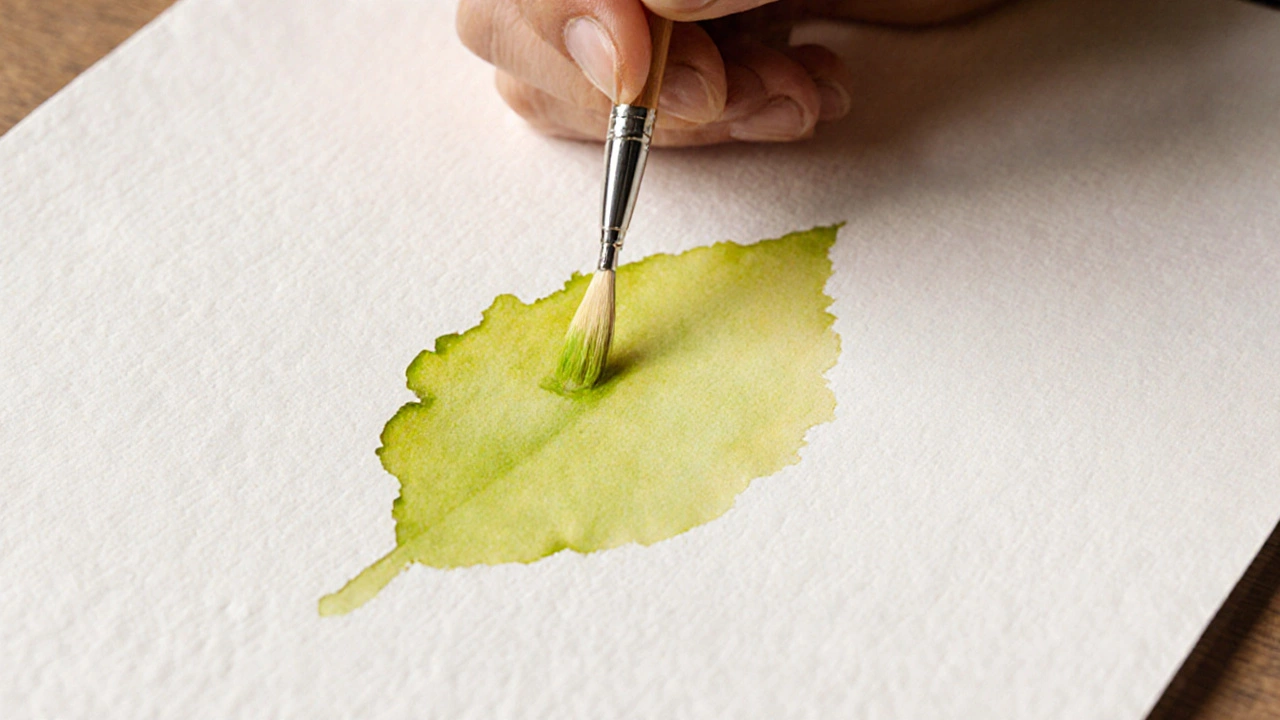
Are You Supposed to Layer Watercolor? The Real Guide to Building Depth Without Muddying Your Paint
Learn how to layer watercolor properly to create depth, avoid muddy colors, and unlock the true potential of this transparent medium. No fluff-just practical tips for better paintings.
Continue ReadingCategories
Most popular
-
-
 Discovering the Most Watched Musical in History Jan 17 2025
 -
-
-