Oil Paint Straight Lines: How to Get Clean Edges and Control Your Brush
Painting oil paint straight lines isn’t about having a steady hand—it’s about knowing how the paint behaves, what brush to use, and when to let it sit. Many artists think they need perfect control from the start, but the truth is, oil paint doesn’t rush. It waits. And if you work with it, not against it, you’ll get sharper lines than you ever thought possible. This isn’t magic. It’s technique. And it’s something anyone can learn, no matter their experience level.
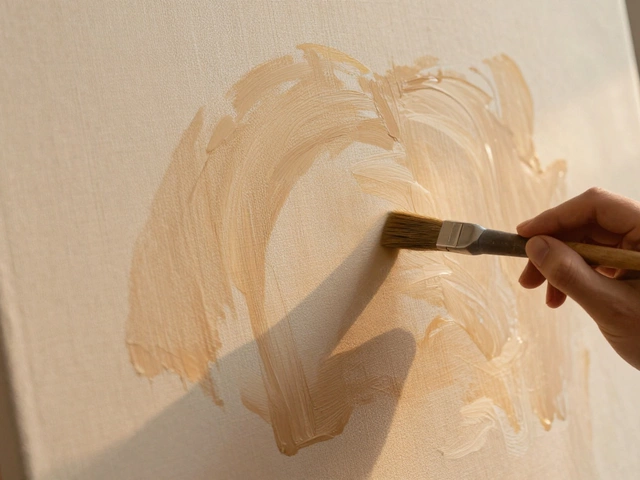
What makes oil paint different from watercolor or acrylic is how slowly it dries. That’s not a bug—it’s a feature. You can rework edges, blend softly, or drag a clean brush along a wet line to clean it up. But to get a true straight line, you need the right tools. A flat bristle brush, size 4 or 6, works best. It holds paint well and gives you a crisp edge. Avoid round brushes—they’re for curves, not lines. And don’t load too much paint. Too much = bleed. Too little = patchy. The sweet spot is just enough to leave a clean trail without dripping.
Here’s the secret most tutorials skip: oil paint consistency, the thickness and flow of the paint when mixed with medium. Also known as paint body, it determines how well your line holds shape. If your paint is too thin, it’ll spread like ink. Too thick, and it won’t glide. Mix a little linseed oil or odorless mineral spirits to get that toothpaste-like texture. Then, rest your pinky or the side of your hand on the canvas for stability. Don’t grip the brush like a pen. Hold it like a pencil, but let your whole arm move—not just your wrist. Think of guiding the brush, not forcing it.
Another thing that trips people up? The surface. A rough canvas will catch the brush and break the line. A smooth panel or gessoed board gives you a clean runway. And if you’re painting over dried paint, make sure the edge is fully set. Wet-on-wet blending gives soft edges. Wet-on-dry gives hard ones. Know which you want before you start.
There’s no single right way, but there are ways that work better than others. You’ll see artists use masking tape, rulers, or even credit cards—but those are crutches. Real control comes from understanding the paint, the brush, and your own rhythm. The posts below show real examples: how to paint architectural lines in landscapes, how to create sharp shadows in portraits, and how to fix messy edges without scraping the whole thing off. Some of these artists didn’t start with perfect lines. They just kept trying, one brushstroke at a time.
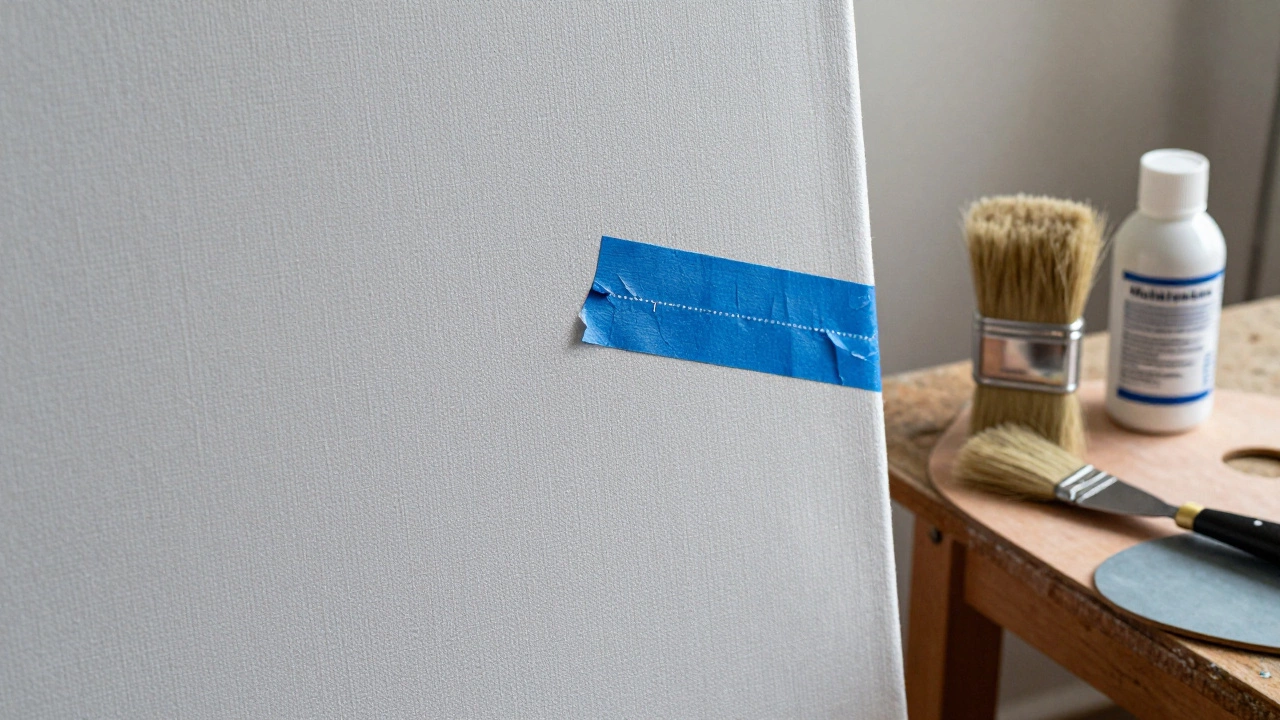
How to Paint Straight Lines in Oil Paint: Pro Techniques for Clean Edges
Learn how to paint clean, straight lines in oil paint using tape, brushes, and simple techniques. Avoid common mistakes and get professional results without advanced skills.
Continue Reading