Modern Portrait Art: Real Techniques, Famous Artists, and What Makes It Stick
When we talk about modern portrait art, a style that prioritizes emotion, distortion, and personal expression over realistic likeness. Also known as contemporary portraiture, it doesn’t aim to make you look perfect—it aims to make you feel real. This isn’t the kind of portrait your grandparents had hanging in the hallway. It’s messy, bold, sometimes unsettling, and always intentional. It’s the kind of art that makes you pause, not because it’s pretty, but because it feels like it’s staring back at you.
One of the biggest influences on modern portrait art is Pablo Picasso, the revolutionary artist who shattered traditional rules of perspective and anatomy to express inner tension and identity. His Cubist portraits didn’t show faces from one angle—they showed them from five at once. That idea—that a person’s essence can’t be captured in a single view—changed everything. Today’s artists still use that same principle, whether they’re painting with oil, digital brushes, or collage. Then there’s abstract portrait, a sub-type where the human form is reduced to shapes, lines, and color to convey mood rather than identity. You won’t always recognize the person, but you’ll feel their loneliness, rage, or joy.
Modern portrait art doesn’t need fancy tools. It needs honesty. It’s about what you leave out as much as what you put in. A smeared cheek can say more than a perfectly rendered eye. A single bold stroke can carry the weight of a whole personality. That’s why so many emerging artists are drawn to it—it doesn’t demand years of classical training. It demands courage. And it’s why galleries still fight for these pieces, even when people say, "I don’t get it." They don’t have to get it. They just have to feel it.
Below, you’ll find real guides on how to paint portraits that don’t look like everyone else’s, why some portraits sell for millions while others sit in storage, and how artists today are blending digital tools with raw emotion to redefine what a face can say. No fluff. No theory without practice. Just what works—and what doesn’t.
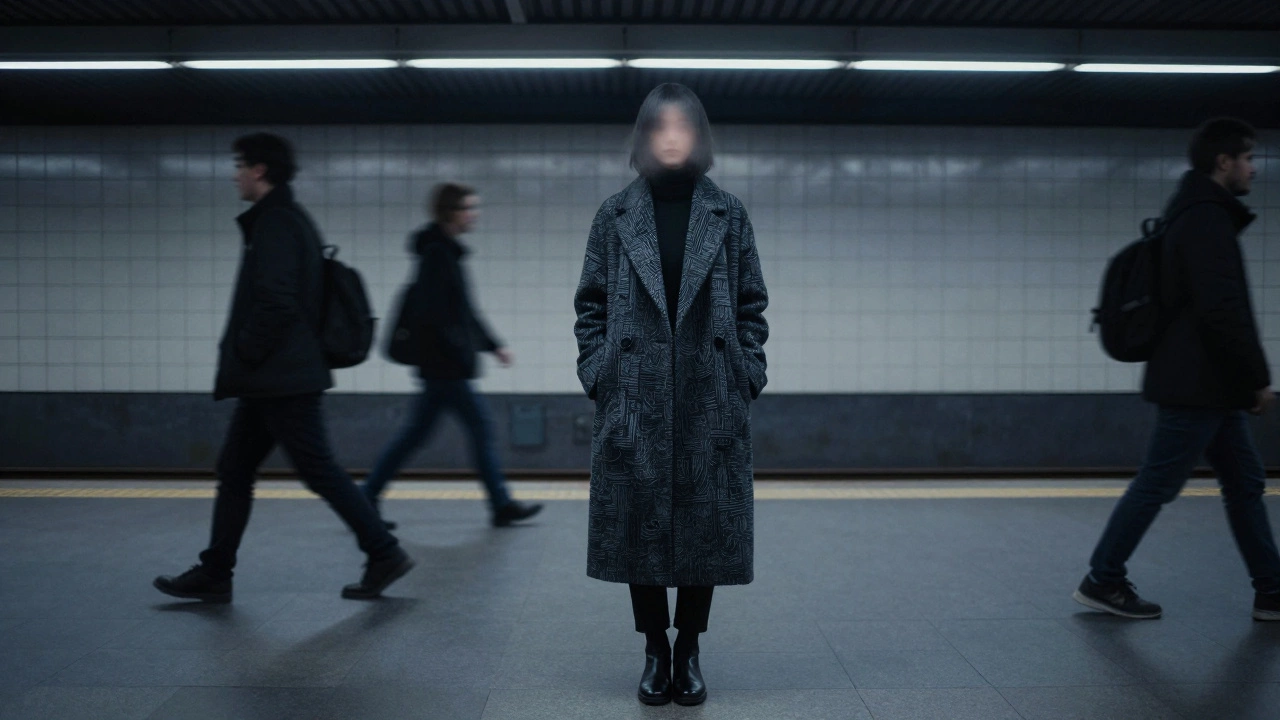
Why Are Faceless Portraits Popular in Modern Art?
Faceless portraits are rising in popularity because they let viewers project their own emotions onto the art. Instead of showing identity, they reveal the silence between who we are and who we're expected to be.
Continue ReadingCategories
Most popular
-
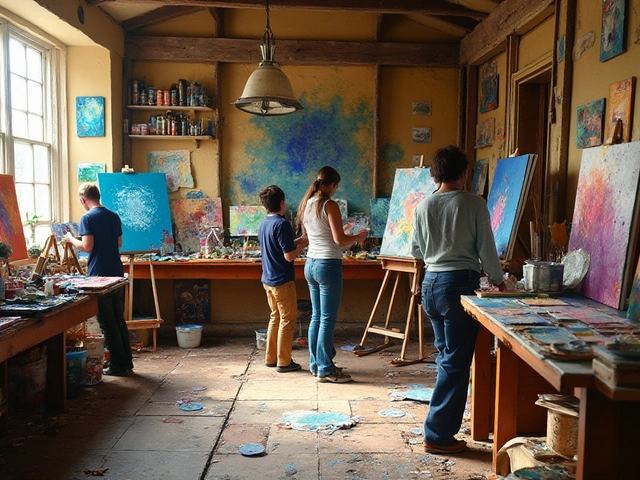 Decoding the Message Behind Abstract Art Nov 15 2024
 -
-
-
 What Is the Best Meaning of Music? Jan 15 2026
 -
 What Is Considered the Best Musical of All Time? Feb 16 2026