Digital Art Income Strategist
Profitability Forecaster 2026
Plan your "Product Ladder" and diversify your revenue streams.
Active Income (Commissions)
Passive Income (Assets/POD)
$0.00
Key Takeaways for Aspiring Art Entrepreneurs
- Diversification is king: Relying on one platform is a recipe for disaster. Combine active commissions with passive assets.
- Niches pay more: General 'fan art' is crowded. Specialized industries like gaming, medical visualization, or UI/UX assets offer higher rates.
- Value is subjective: Profitability depends on your ability to market the *outcome* (e.g., a brand's identity) rather than the *medium* (digital files).
- Ownership matters: Understanding the difference between selling a license and selling a copyright is the difference between a one-time fee and a long-term career.
The Reality of the Digital Marketplace
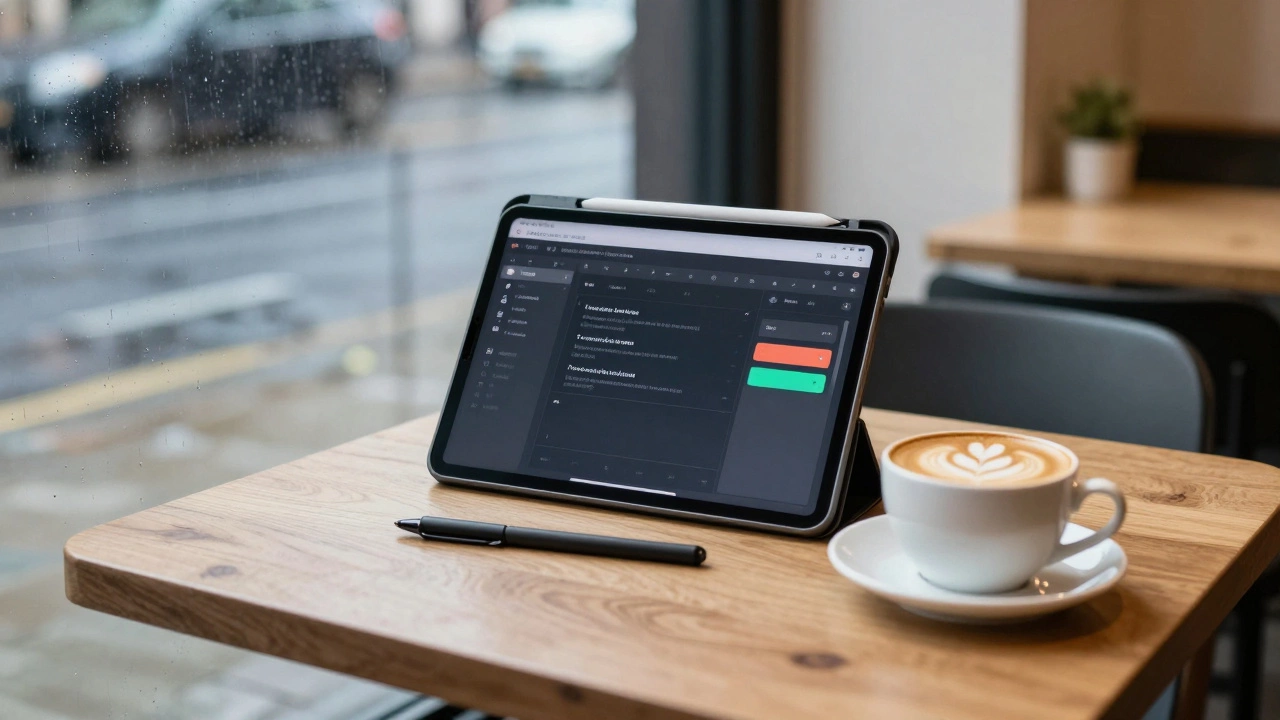
Let's be honest: the barrier to entry has never been lower. Anyone with a iPad Pro is a high-performance tablet used by digital artists for illustration and design and a subscription to a drawing app can start selling. But that low barrier means the competition is fierce. To be profitable, you have to stop thinking like an artist and start thinking like a vendor.
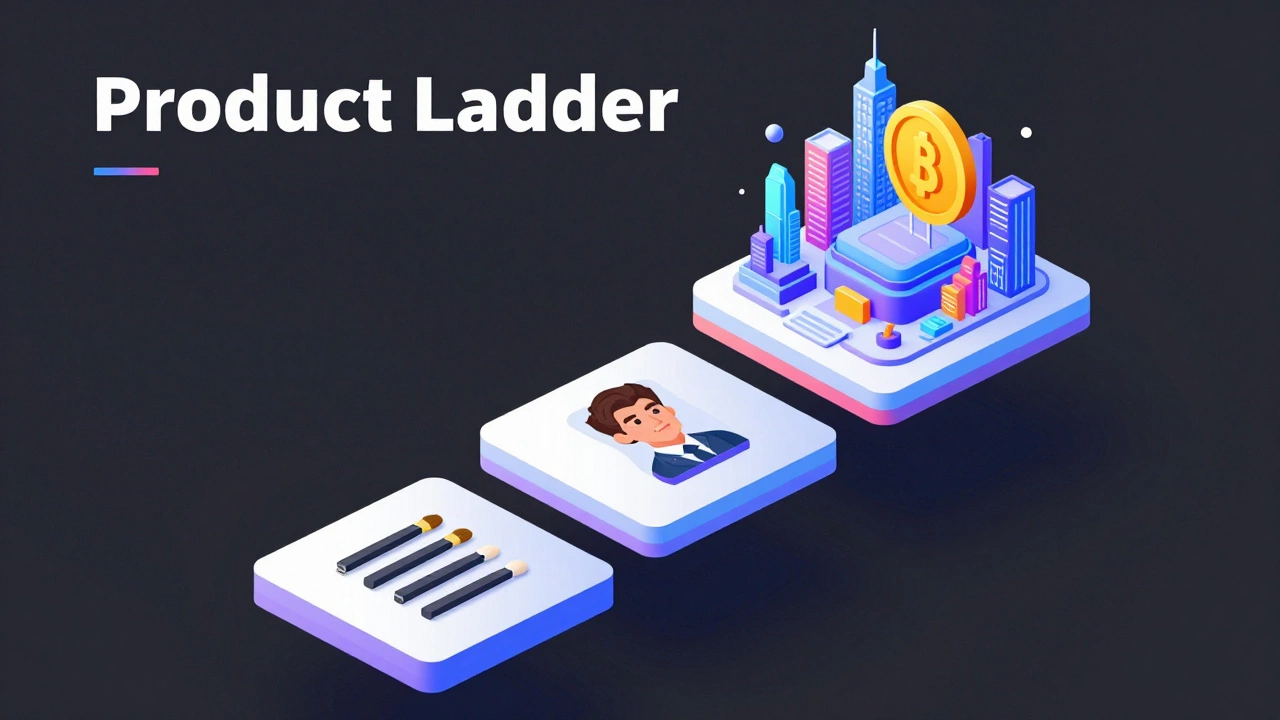
Profitability in this field isn't a flat line; it's a series of peaks. Some months you'll land a massive corporate contract, and other months you'll be scraping by on small commissions. The secret to surviving those dips is building a "product ladder." This means having a cheap entry-level product (like a $5 brush pack), a mid-tier service (like a $100 character portrait), and a high-end offering (like a $2,000 full-scale commercial illustration).
Where the Money Actually Comes From
You can't just put your work on a gallery site and hope for the best. You need to actively target specific revenue streams. The most successful digital artists today use a hybrid model. They don't just sell digital art; they sell solutions to problems.
Active Income: Commissions and Freelancing
This is the most direct way to make money. You get paid for a specific request. This could be anything from a Twitch emote for a streamer to a complex concept piece for an indie game studio. The key here is the "commercial rate." Many beginners make the mistake of charging per hour. Instead, charge based on the value of the work. A logo for a local bakery is worth less than a logo for a national franchise, even if they both take five hours to draw.
Passive Income: Digital Assets and Print-on-Demand
Passive income is where you create something once and sell it thousands of times. This is the holy grail of digital art. Think about Procreate is a professional raster graphics app designed specifically for the iPad. Artists create custom brushes, textures, and palettes for this app and sell them on marketplaces. Once the asset is uploaded, the income becomes almost automated.
Then there's Print-on-Demand (POD). You upload a design, and a company handles the printing and shipping of t-shirts or posters. While the margins are lower-you might only make $2 to $5 per shirt-the scale is massive. If a design goes viral on social media, you can make thousands of dollars while you sleep.
| Income Type | Effort Level | Pay Potential | Scalability | Example |
|---|---|---|---|---|
| Commissions | High | High (Per Piece) | Low | Character Art |
| Digital Assets | Medium | Medium (Per Sale) | High | Brush Packs |
| POD | Low | Low (Per Sale) | Very High | Stickers/Shirts |
| Subscriptions | Medium | Consistent | Medium | Patreon/Ko-fi |
The Role of Platforms and Ecosystems
Where you sell is almost as important as what you sell. Using the wrong platform can make a great artist look amateur or leave them completely invisible.
For high-end professional work, ArtStation is a leading professional showcase platform for games, film, media, and entertainment artists. It's essentially the LinkedIn for the digital art world. If you want to get hired by Ubisoft or Riot Games, your portfolio needs to be here. It's less about selling individual files and more about attracting recruiters.
On the flip side, Etsy is a global e-commerce marketplace focused on handmade, vintage, and unique items, including digital downloads. This is the place for "cute" art, planners, and printable wall art. The audience here isn't looking for a concept artist; they're looking for something that makes their home or digital planner look better.
Then there are subscription models. Using Patreon is a membership platform that allows creators to receive funding directly from their fans allows artists to build a community. Instead of selling one piece of art, you're selling access to your process, early sketches, and a monthly connection. This creates a financial floor-a minimum amount of money you know you'll have every month regardless of commission work.
Avoiding the Common Profitability Traps
Many artists fail not because their art is bad, but because their business logic is flawed. The first trap is "The Race to the Bottom." This happens when artists join platforms where they compete solely on price. If you're fighting over who can do a portrait for $5, you've already lost. You are competing with people in countries with a much lower cost of living, and you cannot win that battle.
The second trap is ignoring Intellectual Property is a category of property that includes intangible creations of the human intellect, such as copyrights and trademarks (IP) rights. Many freelancers sign contracts that give away the full copyright to the client for a small fee. In the professional world, you typically sell a "license to use" the art for a specific purpose. If a company wants the full ownership, the price should be significantly higher-often 3x to 10x the base rate.
The Impact of AI on Art Profitability
We can't talk about digital art in 2026 without talking about Generative AI is artificial intelligence capable of creating new content, such as images and text, based on training data. There is a lot of fear, but the reality is more nuanced. AI has effectively killed the "low-end" commodity market. Simple background art or generic stock illustrations are no longer profitable because an AI can do them in seconds.
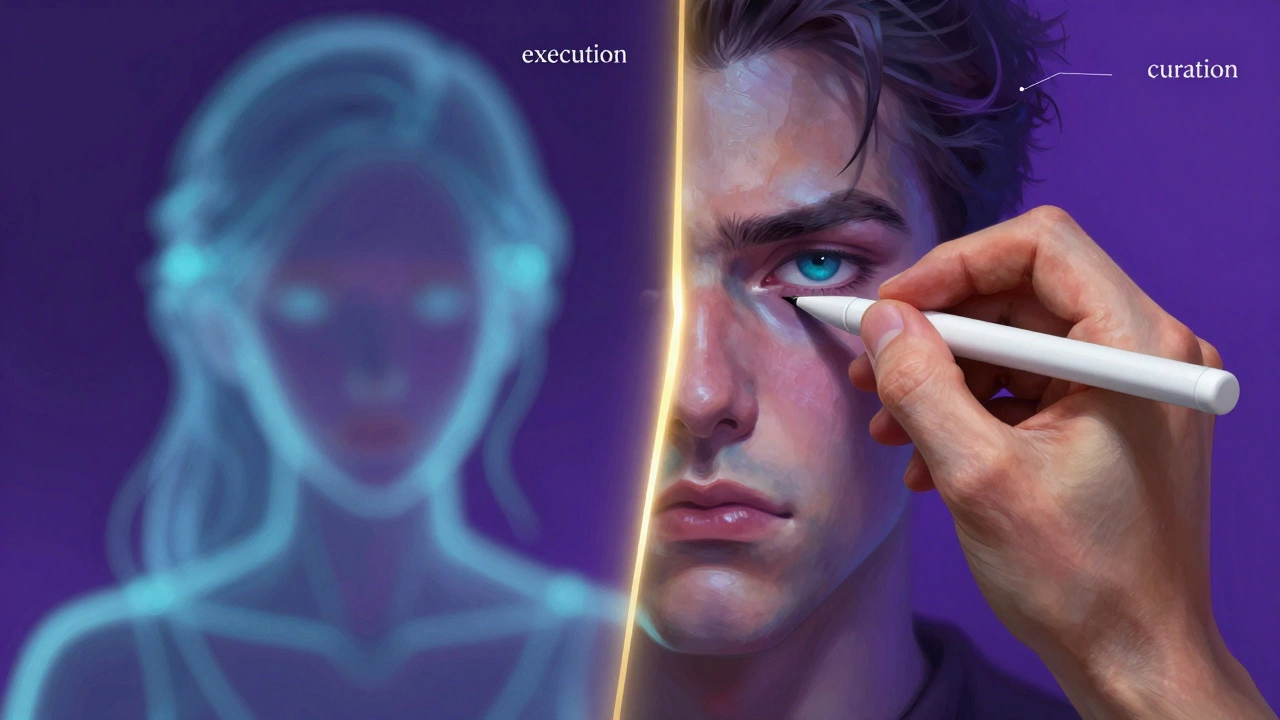
However, this has actually increased the value of "human-centric" art. Clients now pay a premium for artists who can provide a specific vision, a consistent style across 50 different images, and most importantly, the ability to iterate and change things based on feedback. An AI can't "tweak the expression on the character's left eye to look more sarcastic" without potentially changing the whole image. A human can. The money has shifted from *execution* to *curation and precision*.
Step-by-Step Strategy to Start Profiting
- Identify Your High-Value Niche: Don't just be a "digital artist." Be a "Cyberpunk Environment Designer" or a "Botanical Illustrator for Wellness Brands."
- Build a Three-Tier Portfolio: Create a curated gallery. Include one a few "hero" pieces (your absolute best), some process shots (to prove you didn't just use AI), and a clear price list.
- Set Up Your Passive Pipeline: While you're working on commissions, create a pack of brushes or a set of textures. Upload them to a marketplace to start the passive income engine.
- Market the Result, Not the Tool: When talking to clients, don't say "I use Photoshop and a Wacom." Say "I help you visualize your characters so your players feel an immediate emotional connection to the story."
- Automate Your Admin: Use invoicing software and clear contracts. Nothing kills profitability faster than spending five hours a week chasing unpaid invoices.
Is it too late to start selling digital art in 2026?
No, but the strategy has changed. You can't rely on generic art. The demand for high-quality, human-driven creativity is actually higher because there is so much AI noise. The key is to specialize in a niche and build a personal brand that people trust.
How much should I charge for my first commission?
Avoid the "per hour" trap. Calculate your minimum living expenses, add the cost of your software/hardware, and then add a profit margin. If you're a beginner, look at the mid-range pricing of artists with similar skill levels on ArtStation or Etsy, but never go so low that you can't afford to spend the time required to make the piece great.
Which is more profitable: Etsy or ArtStation?
It depends on your goals. Etsy is better for high-volume, low-cost digital downloads (like clip art or planners). ArtStation is better for landing high-paying industry contracts and professional freelance gigs in gaming and film. Most professionals use both for different purposes.
Do I need to be a master artist to make money?
Not necessarily. You need to be "good enough" to solve the client's problem. Many people make a living selling simple, clean assets for UI design or basic icons that don't require master-level painting skills but do require a good eye for utility and design.
How do I protect my art from being stolen or used by AI?
While total protection is difficult, you can use tools like Glaze or Nightshade to protect your style from AI training. Additionally, always post lower-resolution versions of your work online and keep the high-res files behind a paywall or in a private portfolio.
Next Steps and Troubleshooting
If you're not seeing any sales after a month, don't assume your art is bad. Usually, it's a visibility problem. Try changing your keywords on Etsy or engaging more with the community on ArtStation. If you're getting clicks but no buys, your pricing might be off or your portfolio might not look "professional" enough to justify the cost.
For those who feel stuck, try the "One Asset Challenge": spend one week creating a single, highly useful digital tool (like a set of 10 high-quality skin textures for 3D models). Upload it to a marketplace and see how the market reacts. This is the fastest way to test if your style has commercial value without spending months on a project that might not sell.