Artwork Pricing Calculator
Your Inputs
Estimated Fair Price
Recommended Selling Price
Breakdown
Enter your details to see how much your art is worth.
Staring at a blank bank account while your portfolio grows is the most frustrating part of being an emerging artist. You have the skill, you have the vision, but turning that creative energy into actual income feels like solving a puzzle without all the pieces. The truth is, selling art isn't just about making something beautiful; it’s about understanding a marketplace that values scarcity, story, and strategy equally.
If you are wondering how to sell art as a beginner, you need to stop thinking like a hobbyist and start thinking like a small business owner. This doesn’t mean losing your soul to commerce. It means building a system where your work can be discovered, valued, and purchased by people who genuinely want it on their walls. Whether you paint in Wellington or sketch in New York, the fundamental principles of getting paid for your creativity remain the same.
Define Your Niche Before You Pitch
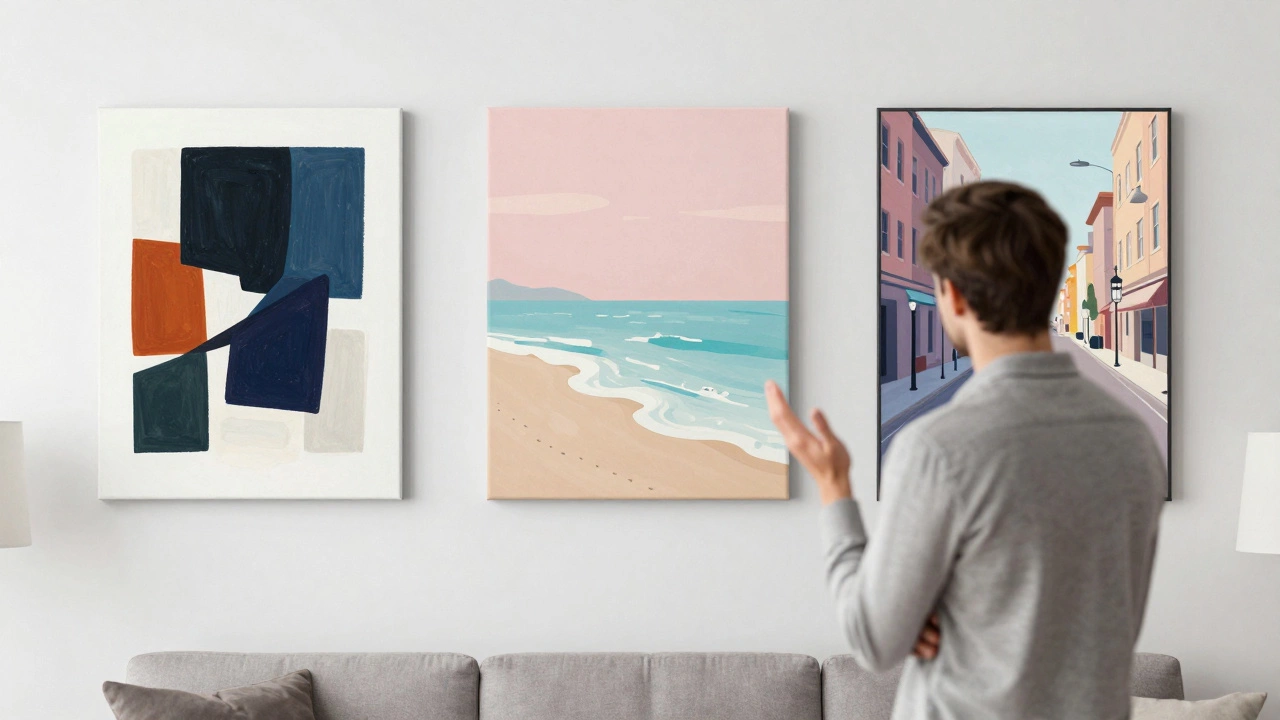
The biggest mistake new artists make is trying to appeal to everyone. When your portfolio looks like a buffet-oil portraits here, abstract watercolors there, digital anime characters elsewhere-buyers get confused. Collectors usually buy based on style. They might love bold geometric shapes or soft pastel landscapes. If they see both in your feed, they hesitate.
Brand consistency is the practice of maintaining a cohesive visual and thematic identity across all your artwork and marketing materials. This helps potential buyers instantly recognize your work. Pick two or three mediums or themes you excel at and stick with them for your initial launch. You don’t have to abandon other styles forever, but your public-facing gallery should tell a clear story. Are you the "moody coastal landscape" painter? Or the "vibrant urban street life" illustrator? Clarity sells.
Pricing Your Work Without Undervaluing Yourself
Let’s talk about money, because avoiding this conversation costs you more than charging too much ever will. Many beginners underprice their work out of fear, thinking low prices attract more buyers. In reality, extremely low prices can signal low quality to serious collectors. High-end galleries often reject artists who price themselves below market rate because it devalues the entire exhibition.
Use a simple formula to establish your baseline. Calculate your hourly wage (aim for a livable wage, not minimum wage), add the cost of materials per piece, and then factor in time spent on photography, listing, and shipping. For example, if a canvas takes 10 hours to paint and materials cost $50, and you value your time at $30/hour, your base cost is $350. Add a markup for profit and gallery fees if applicable. Don’t guess. Write it down.
Research comparable artists in your region. Look at what similar-sized works are selling for in local cafes or online platforms. If your work is technically superior but priced lower, you’re leaving money on the table. If it’s priced higher, ensure your presentation and story justify the premium.
Mastering Online Presence
In 2026, your website is your primary gallery. Social media is your window display. You need both. Instagram and TikTok are powerful discovery engines, but they are not stores. People scroll through feeds for inspiration, but they go to a dedicated platform to transact.
Invest in high-quality photography. Blurry photos kill sales faster than bad technique. Use natural light, shoot from straight-on angles, and include scale references (like a hand or a common object) so buyers understand the size. Platforms like Etsy, Saatchi Art, or your own Shopify store handle the logistics. Each has pros and cons. Etsy brings traffic but takes a cut. Your own site gives you control but requires you to drive your own traffic. Start with one channel to avoid spreading yourself too thin.
While managing your online presence, remember that the digital world is vast and sometimes unpredictable. Just as you curate your art carefully, you must curate your online interactions wisely. Sometimes, finding reliable information in niche directories can feel like navigating a maze. For instance, when looking for specific services abroad, one might stumble upon resources like this directory, which highlights how specialized platforms organize complex data for users-a lesson in clarity that applies to your own art listings.
The Power of Local Art Exhibitions
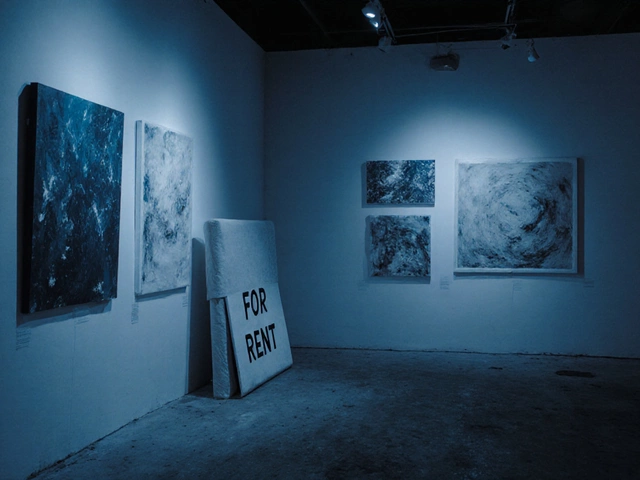
Online sales are great, but nothing replaces the tactile experience of seeing art in person. Art exhibitions are organized public displays of artwork, ranging from solo shows in galleries to group events in community centers. For beginners, these are your best networking tools.
You don’t need a white-cube gallery in Chelsea or Mayfair to start. Look for open calls in local coffee shops, boutique hotels, or community arts centers. These venues often seek fresh faces to refresh their decor. Approach them with a professional proposal: a PDF portfolio, your bio, and a list of available works with prices. Offer to handle installation and removal. Make it easy for them to say yes.
Group shows are particularly valuable. You share the audience with other artists. Bring business cards. Talk to visitors. Ask why they stopped at your piece. That feedback is gold. It tells you what resonates emotionally. A sale made in person often leads to repeat customers who trust your judgment and taste.
Building Relationships Over Transactions
Selling art is rarely a one-off event. It’s the beginning of a relationship. When someone buys a piece, thank them personally. Send a handwritten note. Include a certificate of authenticity. Follow up a month later to ask how the piece fits into their space. This level of care turns buyers into advocates. They might recommend you to friends or feature you on social media.
Engage with your community consistently. Attend openings even if you aren’t showing. Support fellow artists. The art world is small, and reputation travels fast. Being known as supportive and professional opens doors that talent alone cannot.

Logistics and Legal Basics
Don’t ignore the boring stuff. Packaging matters. A damaged painting arrives as a disappointment, leading to returns and negative reviews. Invest in sturdy boxes, bubble wrap, and corner protectors. Test your packaging before sending expensive work.
Keep records. Track every sale, expense, and tax obligation. Consult a local accountant familiar with creative industries. In many regions, including New Zealand, artists can claim deductions for studio space, materials, and travel to exhibitions. Understanding your legal structure-whether you operate as a sole trader or register a company-protects your personal assets and simplifies taxes.
| Channel | Pros | Cons | Best For |
|---|---|---|---|
| Etsy | Built-in audience, easy setup | High competition, transaction fees | Prints, smaller originals |
| Local Galleries/Cafes | Face-to-face interaction, local credibility | Limited reach, commission splits | Original paintings, sculptures |
| Own Website | Full control, higher margins | Requires marketing effort | Established brands, direct sales |
| Social Media DMs | Direct connection, no middleman | No payment protection, informal | Custom commissions, quick deals |
Handling Rejection and Building Resilience
You will hear "no." Galleries will decline your portfolio. Buyers will browse and leave. Prices will seem too high. This is normal. Every successful artist has faced rejection. The difference lies in persistence. Treat each "no" as data. Was the work not aligned with the gallery’s theme? Was the photo quality lacking? Adjust and try again.
Focus on what you can control: creating regularly, improving your craft, and presenting yourself professionally. Success in art is a marathon, not a sprint. Some artists sell out immediately; others build slowly over decades. Both paths are valid. Stay true to your voice, and the right audience will find you.
How do I price my first piece of art?
Start by calculating your material costs and time invested. Multiply your hours by a reasonable hourly wage, add material expenses, and then apply a markup for profit and overhead. Research similar artists in your area to ensure your price aligns with market standards. Avoid undervaluing your work, as this can hurt your long-term reputation.
Is it better to sell online or in person?
Both channels serve different purposes. Online sales offer global reach and convenience, ideal for prints and smaller works. In-person sales, such as those at art exhibitions or local galleries, allow buyers to see texture and scale, which can justify higher prices for original pieces. A hybrid approach often yields the best results for beginners.
What should I include in an art exhibition proposal?
Your proposal should include a concise artist statement, a high-quality digital portfolio, a list of available works with dimensions and prices, and a brief bio. Mention your willingness to handle installation and promotion. Tailor the proposal to the venue’s aesthetic and audience to show you’ve done your research.
How can I protect my artwork during shipping?
Use rigid cardboard boxes or custom crates for larger pieces. Wrap canvases in acid-free tissue paper and bubble wrap. Secure corners with cardboard protectors. Label packages clearly as "Fragile" and "This Side Up." Consider insurance for high-value items to cover potential damage or loss during transit.
Do I need a website to sell art?
While not strictly mandatory, a website provides professionalism and control over your brand. It serves as a central hub for your portfolio, biography, and contact information. Even if you sell primarily through third-party platforms, having a website builds credibility and allows you to capture email addresses for future marketing efforts.