The Essential Toolkit for Artistic Vision
You don't need the most expensive gear on the market, but you do need tools that give you total control over the final image. In fine art, the technical execution is what allows your vision to translate without distraction.
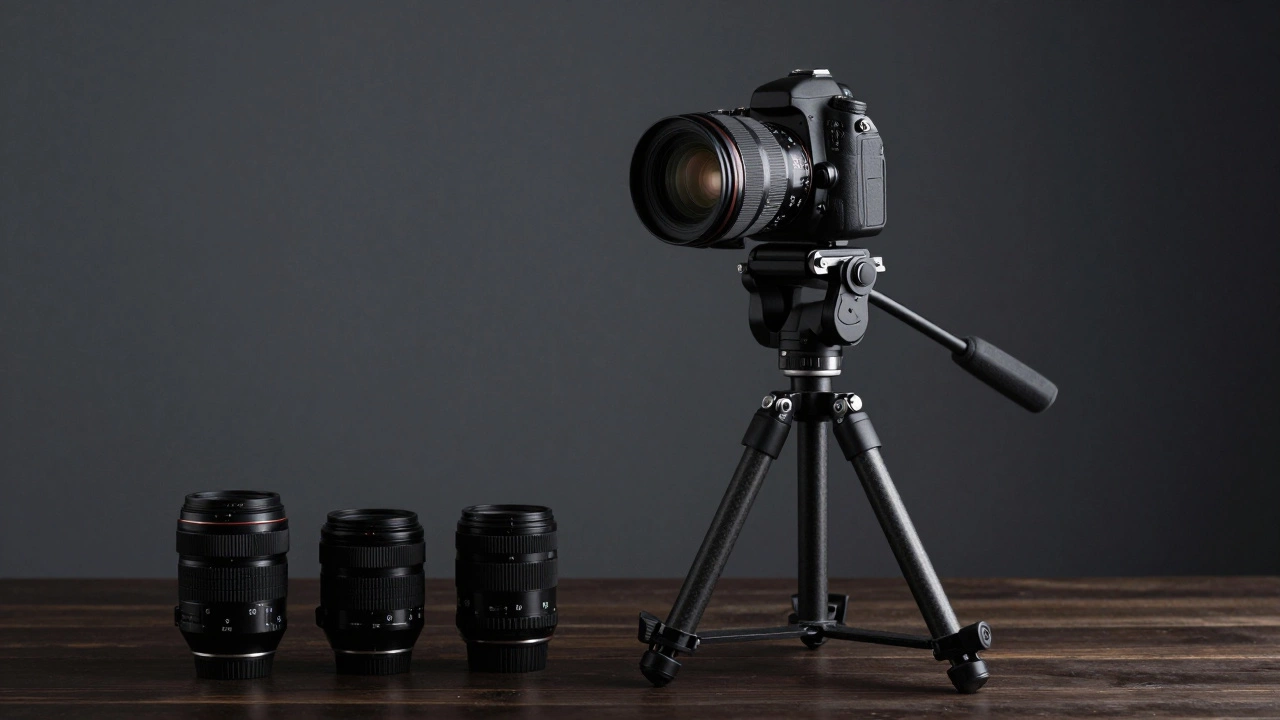
First, let's talk about the camera. While a smartphone is great for sketching ideas, a Full-Frame DSLR is a camera with a large sensor that captures a wide range of tones and high detail, which is critical when you plan to print your work in large formats. The larger the sensor, the less noise you'll see in the shadows of a moody, low-light landscape.
Lenses are where the real magic happens. Instead of a generic zoom lens, most fine art photographers lean toward Prime Lenses, which are fixed focal length lenses that typically offer sharper images and wider apertures than zoom lenses. A 35mm or 50mm prime forces you to move your body and think about composition more intentionally than a zoom lens does.
Don't overlook the Tripod. In art photography, you're often dealing with long exposures to blur water or sharpen architectural lines. A sturdy tripod isn't just a convenience; it's a requirement for the level of precision needed for gallery-grade work.
| Style | Key Gear | Why It Matters |
|---|---|---|
| Minimalist Landscape | Wide-angle Prime + Heavy Tripod | Captures scale and eliminates shake during long exposures. |
| Abstract Macro | Macro Lens + Ring Light | Reveals textures invisible to the naked eye. |
| Conceptual Portraiture | 85mm Prime + Studio Strobes | Controls light to evoke specific emotional responses. |
Developing a Conceptual Framework
Gear is just the hardware; the software is your concept. To be a fine art photographer, you have to stop thinking in terms of "single great shots" and start thinking in "series." A gallery rarely wants to see one lucky photo; they want to see a cohesive body of work that explores a specific theme.
Ask yourself: What am I actually trying to say? If your theme is "Urban Decay," don't just photograph every broken window you see. Instead, look for the relationship between nature reclaiming concrete. This is where Visual Storytelling is the process of using images to convey a narrative or emotional message without relying on text. Your sequence of images should lead the viewer through an emotional arc.
Study the masters. Look at how Ansel Adams used the Zone System, a method for determining optimal exposure and contrast during the capture and development of a photograph, to create dramatic skies. You don't have to use film, but understanding how he manipulated light will change how you use your digital settings.
The Digital Darkroom and Post-Processing
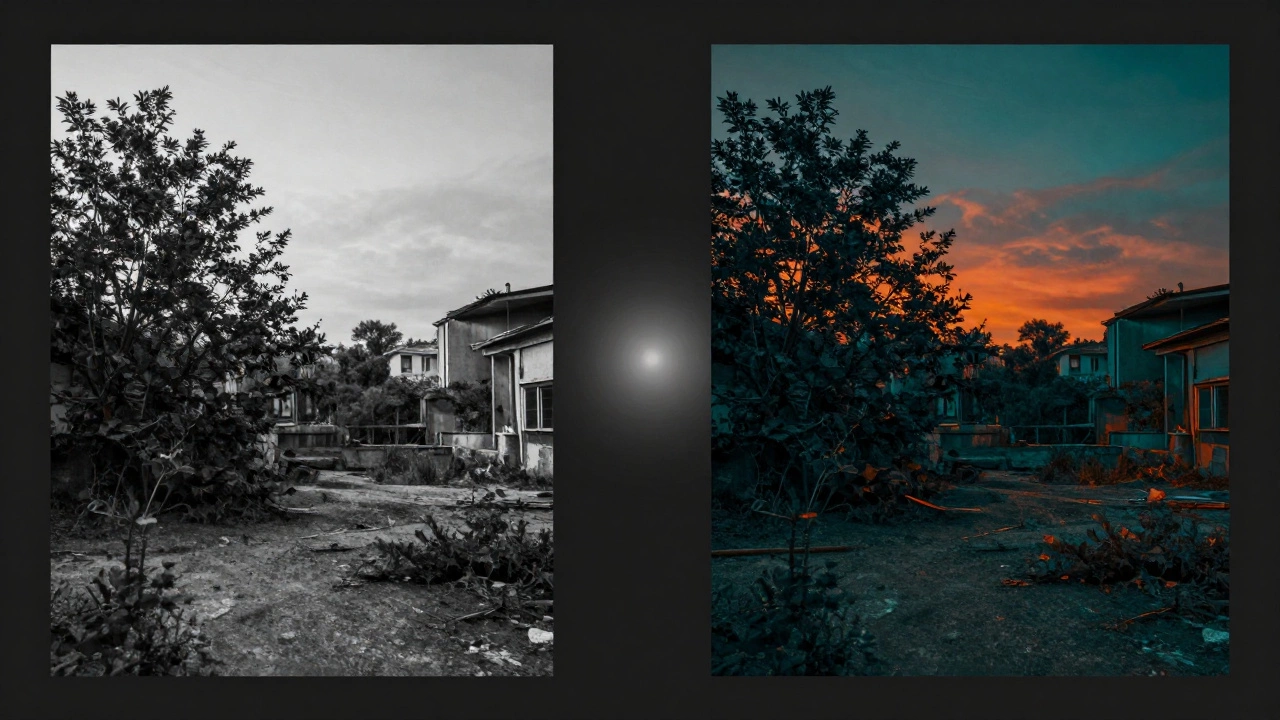
In fine art, the capture is only 50% of the work. The rest happens in the digital darkroom. This isn't about adding "filters" to make a photo look "cool"; it's about sculpting the image to match the mood in your head.
Adobe Lightroom is the standard for managing large libraries of images and performing non-destructive color grading and exposure corrections. It's where you establish the consistent color palette for your series, ensuring that the first photo and the twentieth photo feel like they belong to the same world.
For deeper manipulation, Adobe Photoshop allows for pixel-level editing, composting, and the removal of distracting elements that would break the viewer's immersion. If you're creating a surrealist piece where a clock is melting over a tree, Photoshop is your primary tool.
One pro tip: Always shoot in RAW. JPEG files throw away data to save space. When you're printing a photo 40 inches wide, you need every bit of data in those highlights and shadows to avoid "banding" or blocky artifacts.
Turning Pixels into Physical Art
A file on a hard drive is not a piece of art; a print is. The transition from digital to physical is where many aspiring artists fail. You need to understand the chemistry and physics of Printmaking, which in this context is the process of transferring a digital image onto a physical substrate using ink and paper.
Your choice of paper changes the meaning of the work. Hahnemühle and Canson are industry-standard brands that offer various finishes. A high-gloss paper might work for a vibrant, modern street photo, but for a moody, conceptual portrait, a matte Fine Art Rag Paper-which is a heavy, cotton-based paper with a textured finish-adds a tactile quality that feels more like a painting than a photograph.
Consider the printing method. Giclée Printing is the gold standard, using archival pigment inks and high-resolution inkjet printers to ensure the work doesn't fade over the next century. If you're targeting high-end collectors, you cannot use a standard home printer.
Navigating the Gallery and Exhibition World
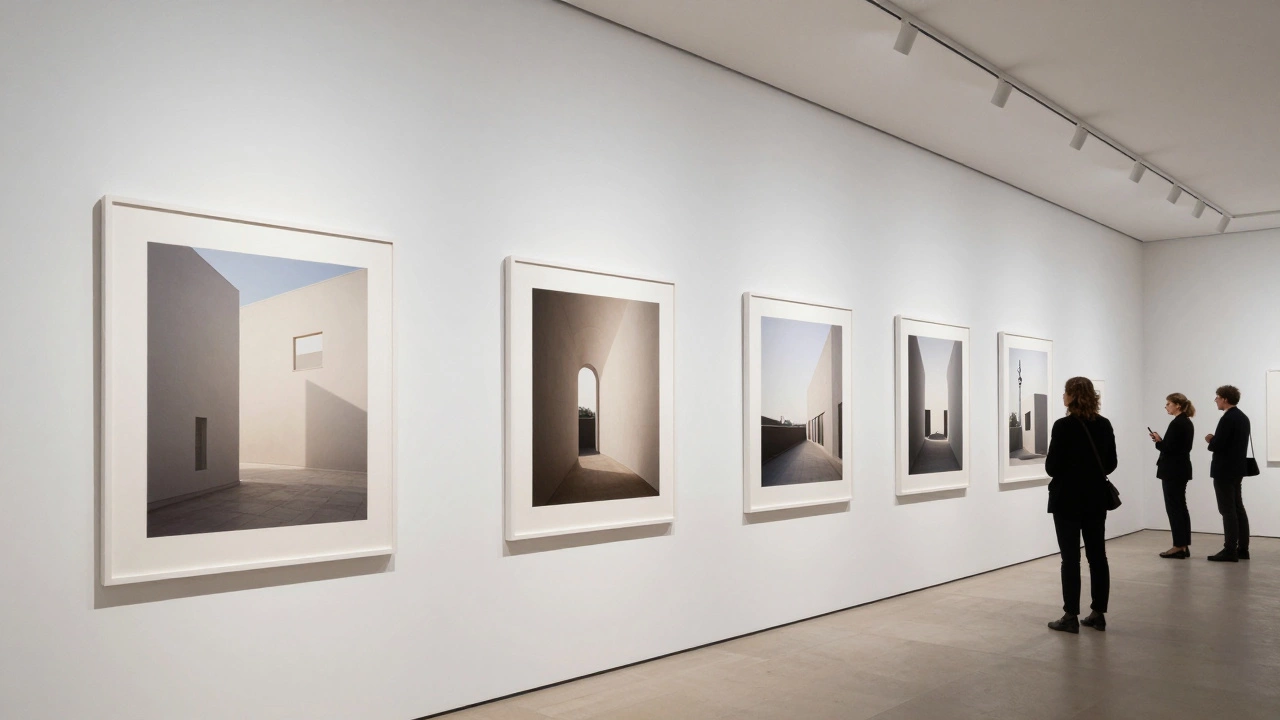
Once you have a series and a set of prints, you need to enter the art ecosystem. This requires a shift from being a technician to being a curator of your own brand. You'll need an Artist Statement-a short, written piece that explains the "why" behind your work. Avoid using vague words like "passion" or "beauty." Instead, be concrete: "This series examines the psychological impact of brutalist architecture on the human spirit."
When submitting to galleries, you aren't just selling photos; you're selling a vision. Most galleries look for a unique point of view. If you shoot the same things as everyone else, you're a hobbyist. If you find a way to make the mundane look alien, you're an artist.
Start small. Look for local pop-up shows or collective spaces. Building a portfolio of exhibitions is like building a resume; the more spaces you've shown in, the more likely a prestigious gallery is to take a chance on you. Remember that networking in the art world isn't about swapping business cards-it's about having genuine conversations about aesthetics and philosophy with other creators.
Do I need a degree in photography to be a fine art photographer?
No, you don't. While a degree provides structure and networking, many of the most successful fine art photographers are self-taught. What matters more than a diploma is your "eye," your technical mastery of the tools, and your ability to create a cohesive body of work that speaks to a universal human experience.
How much should I spend on my first professional setup?
Avoid the trap of buying the newest gear. A used full-frame camera from 3-4 years ago often performs just as well as a brand new one for art purposes. Focus your budget on a high-quality prime lens and a professional printing service. It's better to have a mid-range camera and a museum-grade print than a top-tier camera and a cheap print.
What is the difference between a photo and a fine art photograph?
A photo typically documents a moment or a subject as it is. A fine art photograph uses that subject to communicate an idea, an emotion, or a concept. In fine art, the subject is often secondary to the intent of the artist. The image is a vehicle for an idea, not just a record of a scene.
How do I find a theme for my first series?
Start with something that irritates or fascinates you. Look for patterns in your daily life. Instead of choosing a broad topic like "Nature," narrow it down to something specific, like "The way weeds grow through sidewalk cracks in my neighborhood." The more specific the observation, the more authentic the art usually feels.
Is digital photography accepted in traditional art galleries?
Absolutely. Most modern galleries treat digital photography exactly like film or painting, provided the final physical output (the print) is of professional gallery quality. The method of capture is less important than the final visual impact and the conceptual depth of the work.
Next Steps for Your Journey
If you're feeling overwhelmed, start with a "Micro-Series." Pick one object or one specific street corner and take 50 photos of it over a month. Try to make each photo feel different-change the lighting, the angle, and the mood. This trains your brain to stop looking for the "perfect shot" and start looking for the "perfect expression."
Once you have your micro-series, try printing just one image on a high-end rag paper. Seeing your work physically for the first time is a transformative experience that will tell you exactly where your technical gaps are. From there, refine your process, build your portfolio, and start looking for those first exhibition opportunities.