Landscape Giants Showdown
Select two artists below to compare their styles, legacies, and key differences.
Turner
The Prophet of Light
Constable
Father of English Landscape
Monet
The Color Revolution
Cole
American Sublime
| Feature | Artist 1 | Artist 2 |
|---|
Statistical Breakdown
Ask ten people who painted the best view of a mountain or a river, and you will get ten different names. But if you ask art historians, curators, and auction houses, one name usually rises above the rest. J.M.W. Turner is the most famous landscape painter in history, known for dissolving solid forms into pure light and atmosphere. His work changed how we see nature forever. He didn't just paint what he saw; he painted how it felt to stand in a storm.
But fame isn't just about one person. It’s about who shifted the goalposts. To understand who holds the crown, we have to look at the three giants who built the genre: the British masters who grounded it in reality, and the French Impressionists who set it free.
The Father of English Landscape: John Constable
Before Turner took flight, John Constable was an English Romantic painter who revolutionized landscape art by painting directly from nature rather than in a studio. Born in 1776, Constable hated the stiff, idealized landscapes popular in his day. He wanted dirt under his fingernails. He spent hours sitting by the River Stour in Suffolk, watching clouds move and trees sway.
His masterpiece, The Hay Wain, looks simple. It’s a horse pulling a cart across a stream. But look closer. The light is real. The shadows are messy. The sky takes up half the canvas because, as Constable said, "The sky is the source of light in nature and regulates everything." This wasn’t just pretty scenery; it was scientific observation mixed with deep love for home. For many, Constable remains the most authentic voice in landscape painting.
The Prophet of Light: J.M.W. Turner
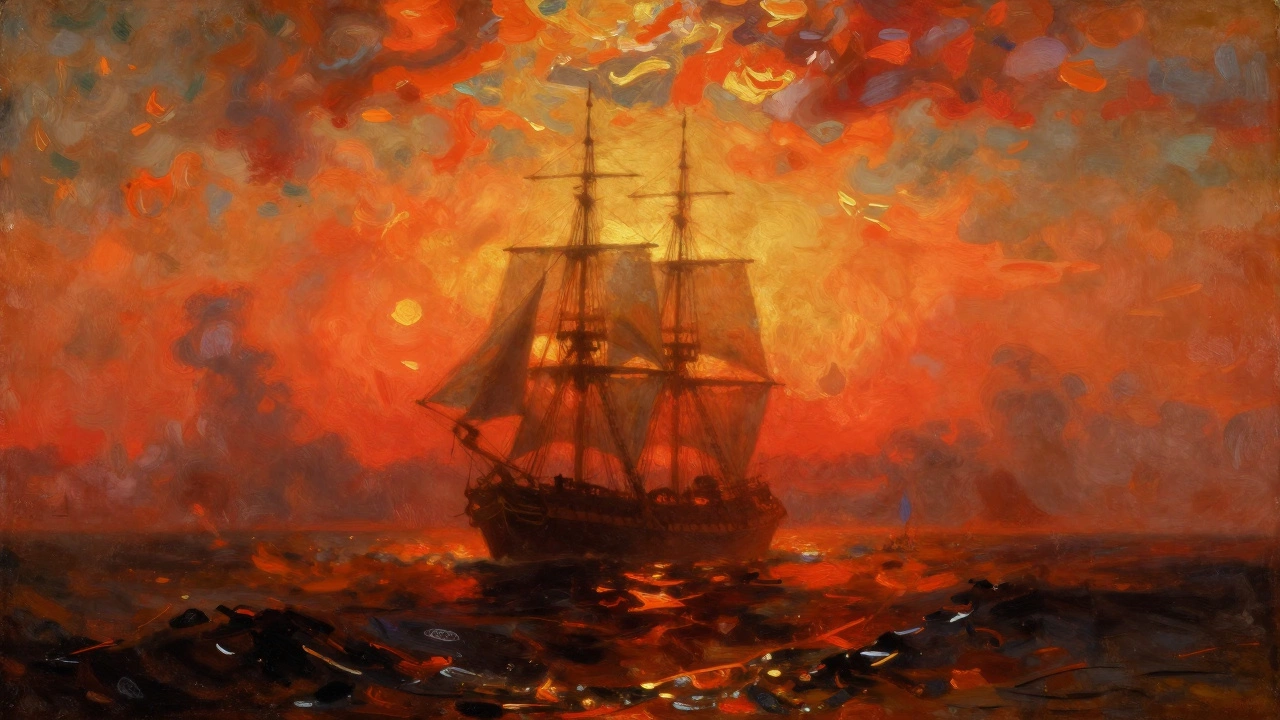
If Constable was the earth, J.M.W. Turner was a visionary British artist who pushed landscape painting toward abstraction through intense use of color and light. Turner (1775-1851) started as a traditionalist but quickly grew bored with rules. He traveled Europe, painting storms at sea, burning cities, and sunsets that looked like explosions.
By the 1840s, his paintings were barely recognizable as landscapes. Critics called them "madman’s scribbles." Today, they are seen as the bridge to Modern Art. In works like The Fighting Temeraire, the ship is almost swallowed by the orange glow of the setting sun. Turner cared more about emotion than accuracy. He asked viewers to feel the power of nature, not just admire its beauty. This bold approach makes him the most influential-and arguably the most famous-landscape painter ever.
The Color Revolution: Claude Monet
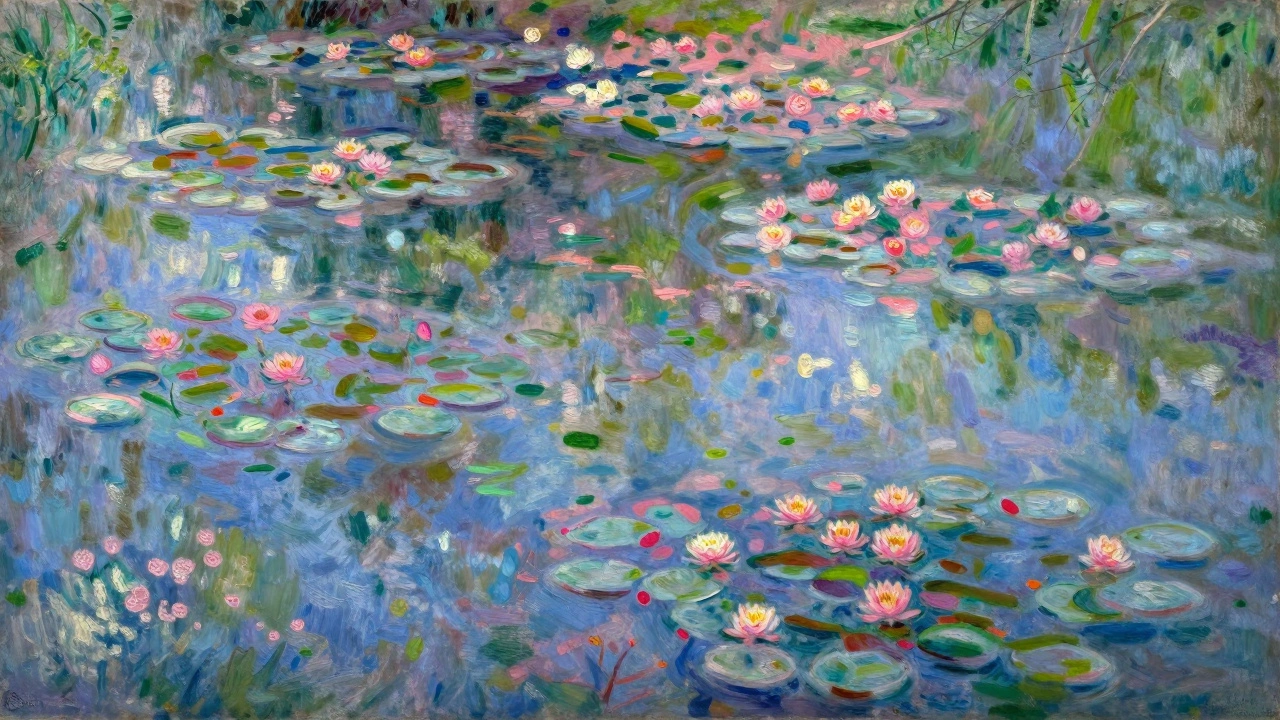
Then came the French. Claude Monet was a founder of Impressionism who captured fleeting moments of light and weather in outdoor scenes. While Turner dissolved form, Monet dissolved time. He believed a landscape changes every minute. So he painted the same haystacks, water lilies, and cathedrals dozens of times, each in different light.
Monet’s Water Lilies series is the ultimate example. There are no horizons, no clear lines between water and sky. Just pools of color reflecting the sky. This was radical in the late 19th century. It forced viewers to stop looking for details and start experiencing the scene. Monet’s global popularity today rivals Turner’s, especially among casual art lovers who hang his prints in their living rooms.
The American Sublime: Thomas Cole and Frederic Church
Fame also depends on where you live. In the United States, the title goes to the Hudson River School. Thomas Cole was the founder of the Hudson River School, an American art movement that celebrated the wild beauty of the North American wilderness. Cole arrived in America in 1818 and was stunned by the untouched forests of New York. His paintings are dramatic, moral, and huge. They show nature as a divine force.
His student, Frederic Edwin Church was a wealthy American landscape painter who created massive, detailed views of exotic locations like the Andes and the Arctic. Church traveled to South America and painted The Heart of the Andes, a canvas so detailed it became a national sensation. Americans loved these paintings because they defined a national identity rooted in vast, empty land. If you’re asking this question in New York, Church might be your answer.
Comparison of Landscape Giants
| Artist | Movement | Key Focus | Famous Work | Legacy |
|---|---|---|---|---|
| J.M.W. Turner | Romanticism | Light, Atmosphere, Emotion | The Fighting Temeraire | Pioneer of Abstraction |
| John Constable | Romanticism | Naturalism, Rural Life | The Hay Wain | Realistic Sky Study |
| Claude Monet | Impressionism | Changing Light, Time | Water Lilies | Modern Perception |
| Thomas Cole | Hudson River School | American Wilderness, Morality | The Oxbow | National Identity |
Why Turner Takes the Top Spot
So why does Turner beat out Monet and Constable? It comes down to influence. Turner predicted the future. When he painted a foggy harbor where ships were just smudges of gray, he was doing something Abstract Expressionists would do a century later. Jackson Pollock admired him. Mark Rothko studied his skies.
Turner’s work also commands the highest prices at auction. In 2006, his painting Salvator Mundi (wait, that’s da Vinci-let’s stick to Turner). In 2006, Turner’s Slavers Throwing Overboard the Dead and Dying sold for over $35 million. More recently, his works regularly fetch tens of millions. But money isn’t everything. It’s about recognition. If you walk into the Tate Britain in London, the Turner Bequest dominates the building. He gave nearly 300 paintings to the nation. That kind of legacy cements fame.
Other Notable Mentions
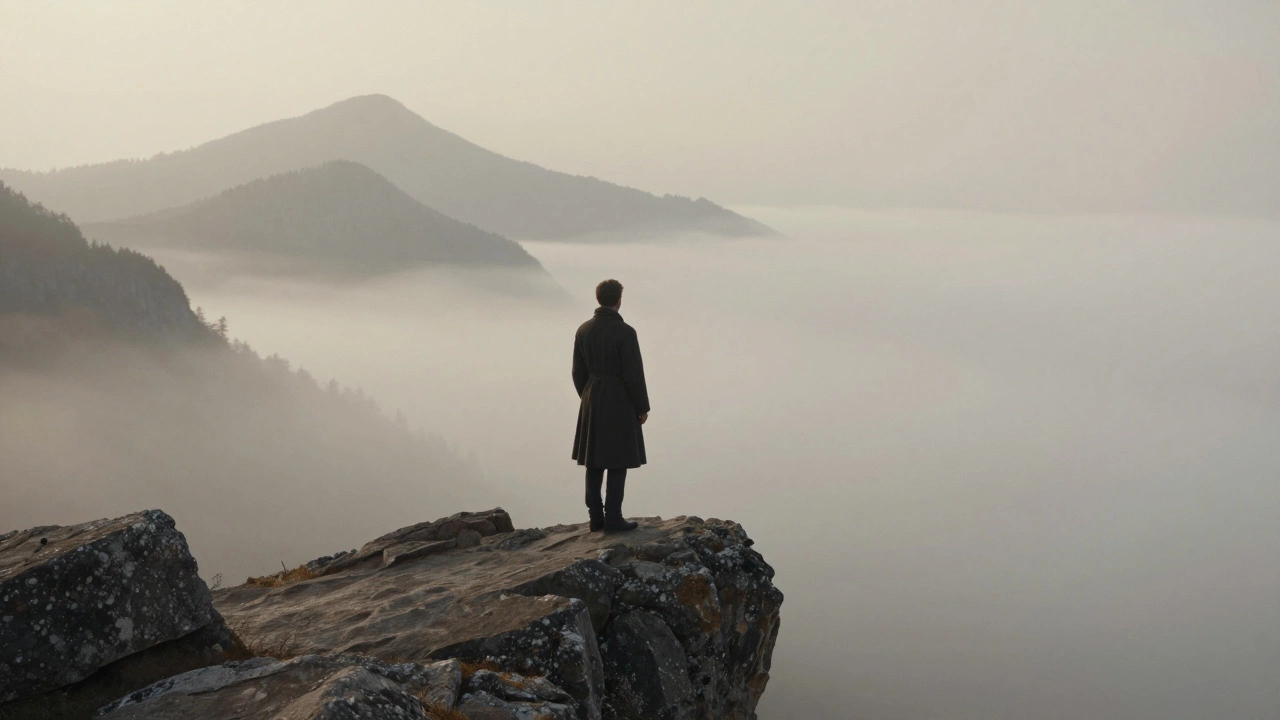
You can’t talk about landscape fame without mentioning Caspar David Friedrich was a German Romantic painter known for melancholic, spiritual landscapes featuring lone figures facing vast nature. His Wanderer Above the Sea of Fog is one of the most reproduced images in art history. People buy T-shirts with it. It defines the "sublime"-that feeling of awe and fear when facing nature’s scale.
Also, don’t forget Georgia O'Keeffe was an American modernist who painted large-scale desert landscapes and flowers with abstract precision. While often called a floral painter, her views of New Mexico cliffs and bones are iconic landscapes. She brought a female perspective to a male-dominated genre.
How to Decide Who Is "Most Famous"
Fame is tricky. Are we talking about:
- Critical Acclaim? Turner wins.
- Public Recognition? Monet and Friedrich tie.
- Market Value? Turner leads, followed by Monet.
- Historical Impact? Turner again, for breaking the rules.
If you want the safe answer, say Turner. If you want the crowd-pleaser, say Monet. If you want the soulful answer, say Constable or Friedrich. But for sheer transformation of the art form, Turner stands alone.
Is Claude Monet considered a landscape painter?
Yes, absolutely. Although he is famous for his Water Lilies, which blur the line between landscape and abstraction, most of his early work focused on outdoor scenes like Rouen Cathedral, Haystacks, and Poplars. He is a central figure in the history of landscape painting.
Who invented landscape painting?
Landscape painting evolved over centuries. In the West, Joachim Patinir in the 16th century is often credited with creating the first true landscape paintings where nature was the main subject, not just a background for religious stories. In China, landscape painting dates back to the Tang Dynasty (618-907 AD).
What is the difference between Romantic and Impressionist landscapes?
Romantic landscapes (like Turner or Cole) emphasize emotion, drama, and the power of nature. They often feature dark storms or majestic mountains. Impressionist landscapes (like Monet) focus on light, color, and everyday moments. They are brighter, looser, and capture a specific instant in time.
Are there any famous female landscape painters?
Yes. Georgia O'Keeffe is the most famous American example. Other notable names include Rosa Bonheur (French), Anna Ancher (Danish), and contemporary artists like Helen Frankenthaler. Historically, women faced barriers in accessing life drawing classes and travel, which limited their opportunities in landscape painting compared to men.
Where can I see Turner's paintings?
The largest collection of Turner’s work is at the Tate Britain in London, thanks to his bequest. You can also find his paintings at the National Gallery in London, the Victoria and Albert Museum, and major museums in New York (Metropolitan Museum of Art) and Boston (Museum of Fine Arts).