
Blue Chip Art Investment Estimator
Investment Parameters
Analysis Summary
Enter your parameters to see how blue chip art compares to traditional investments.
Walk into a major auction house like Christie's or Sotheby's, and you’ll notice a distinct separation. On one side, there are emerging artists with promising careers. On the other, there are names that command rooms full of billionaires, private jets, and hushed whispers. These are the blue chip art pieces. But what exactly makes a painting “blue chip”? Is it just about fame, or is there a financial logic behind the label?
The term borrows from poker, where blue chips represent the highest value. In the art world, it refers to works by established masters whose market value is considered stable, liquid, and historically proven. Unlike speculative investments in unknown talent, blue chip art is seen as a store of wealth-a cultural asset that rarely depreciates significantly, even during economic downturns.
The Origins of the Term
You might wonder why we use a gambling metaphor for fine art. The phrase gained traction in the late 20th century, particularly through the influence of art dealers and gallery owners who wanted to distinguish top-tier inventory from the rest. It wasn’t officially coined by a single person but emerged organically within the New York art scene’s elite circles.
In poker, blue chips are worth more than red or white ones. Similarly, in art, these works are priced higher due to their scarcity, historical significance, and demand among collectors. The concept helps buyers navigate a chaotic market by identifying assets with predictable performance. If you’re looking at a Picasso, you know you’re dealing with a blue chip. If you’re looking at an unrepresented painter, you’re taking a risk.
Who Qualifies as a Blue Chip Artist?
Not every famous artist qualifies. To be considered blue chip, an artist must meet several strict criteria:
- Historical Significance: They have influenced the trajectory of art history. Think Pablo Picasso, Vincent van Gogh, or Jackson Pollock.
- Museum Presence: Their work is held in permanent collections of major institutions like the Museum of Modern Art (MoMA), the Tate Modern, or the Louvre.
- Auction Performance: Their works consistently break records and sell quickly at public auctions.
- Critical Acclaim: Scholars, curators, and critics continue to write extensively about their contributions.
For example, Winston Churchill’s paintings don’t qualify despite his fame because they lack artistic innovation. Conversely, Banksy has entered the blue chip conversation recently due to his cultural impact and record-breaking sales, though some purists still debate his status.
Why Do Collectors Buy Blue Chip Art?
Money isn’t the only driver, but it’s certainly a big one. Here’s why wealthy individuals and institutions invest in blue chip art:
- Wealth Preservation: During inflationary periods, tangible assets often hold value better than cash. Blue chip art has shown resilience over decades.
- Liquidity: While not as liquid as stocks, blue chip artworks can be sold globally through auctions or private treaties without needing to find a specific buyer.
- Tax Benefits: In many countries, donating art to museums can reduce tax liabilities, provided the piece meets certain valuation standards.
- Status Symbol: Owning a Monet or a Warhol signals cultural sophistication and financial power.
Consider the case of Leonardo da Vinci’s Salvator Mundi. Sold for $450 million in 2017, it was bought by a sovereign wealth fund-not just for love of art, but as a strategic asset. That’s blue chip thinking: treating art as both culture and capital.

How Does Blue Chip Art Differ From Contemporary Art?
This is a common point of confusion. All blue chip art may not be contemporary, but all contemporary art is not blue chip. Let’s break it down:
| Feature | Blue Chip Art | Emerging Contemporary Art |
|---|---|---|
| Artist Status | Established, deceased or near-deceased masters | Living, rising stars |
| Price Range | $1 million - $500+ million | $10,000 - $500,000 |
| Market Stability | Highly stable, low volatility | Highly volatile, speculative |
| Liquidity | Easy to sell via auctions | Harder to resell quickly |
| Investment Horizon | Long-term (10-50 years) | Short-to-medium term (1-10 years) |
If you buy a young artist today hoping they’ll become the next Basquiat, you’re speculating. If you buy a confirmed Basquiat, you’re investing in blue chip territory. Both strategies have merit-but they serve different goals.
Can You Invest in Blue Chip Art Without Millions?
Traditionally, no. Entry prices start around $1 million for minor works by top artists. However, new models are changing this landscape:
- Fractional Ownership Platforms: Companies like Masterworks or Artory allow investors to buy shares in high-value artworks starting at $100.
- NFTs and Digital Twins: Some galleries now offer tokenized versions of physical blue chip works, letting people own digital certificates tied to real paintings.
- Art Funds: Institutional funds pool money from multiple investors to acquire portfolios of blue chip art, distributing returns based on appreciation.
These options lower barriers but come with risks. Fractional ownership lacks liquidity compared to owning the whole piece. NFTs remain legally ambiguous in many jurisdictions. Always consult a financial advisor before entering these markets.
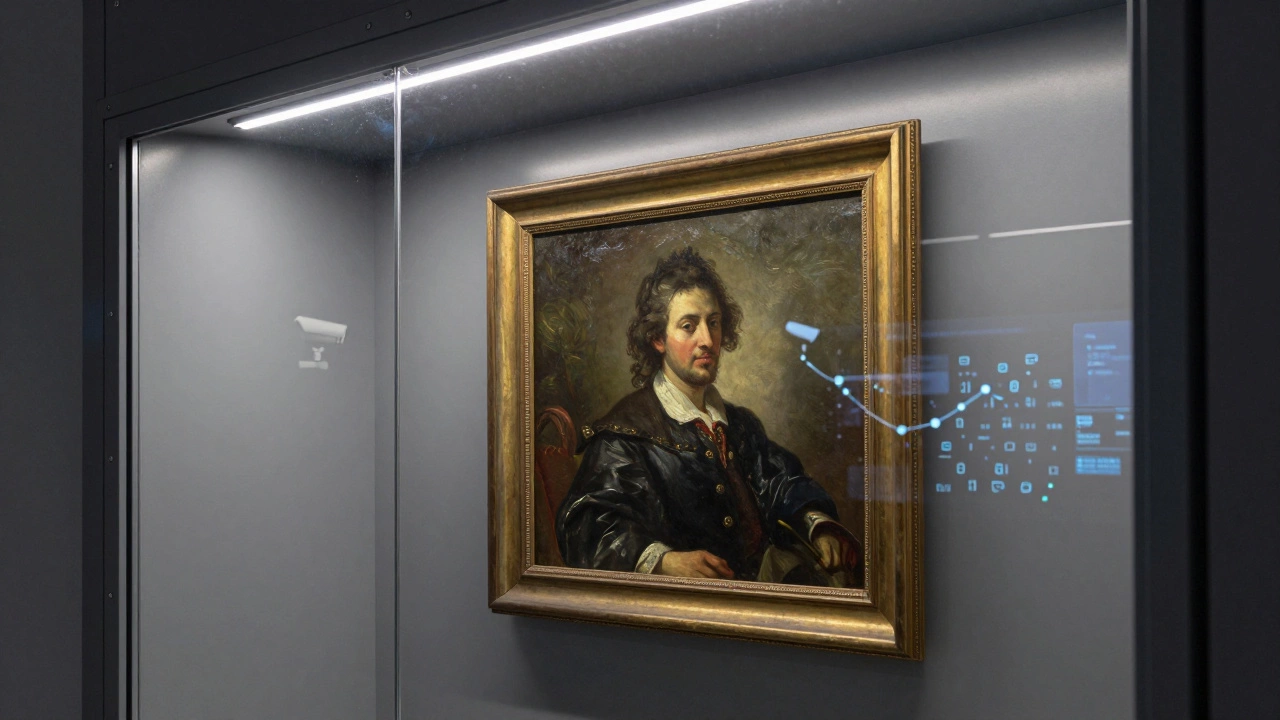
Risks and Pitfalls of Blue Chip Investing
Even blue chip art isn’t immune to problems. Consider these challenges:
- Fake Provenance: Forgeries exist-even among top-tier works. Authentication requires expert analysis and documentation trails.
- Storage Costs: Climate-controlled vaults, insurance premiums, and transportation fees add up. A $10 million painting could cost $50,000 annually to maintain.
- Emotional Bias: Collectors sometimes hold onto pieces too long because they love them, missing optimal selling windows.
- Market Bubbles: Prices can inflate temporarily. Remember when Jeff Koons’ sculptures seemed unstoppable? Then came corrections.
Due diligence is essential. Never rely solely on online photos. Request condition reports, provenance documents, and independent appraisals. Work with reputable auction houses or galleries that offer guarantees.
Where to Find Blue Chip Art Today
Your best bets include:
- Major Auction Houses: Christie’s, Sotheby’s, and Phillips host annual Impressionist & Modern Art sales featuring blue chip lots.
- Galleries Representing Masters: Gagosian, David Zwirner, and Hauser & Wirth occasionally release archival works.
- Private Sales: Ultra-high-net-worth transactions happen off-market. Access usually requires connections or membership in exclusive networks.
- Art Fairs: Frieze Art Fair, Art Basel, and TEFAF feature booths dedicated to blue chip offerings.
Attending these events gives you firsthand exposure to pricing trends and curator insights. Plus, seeing a Rembrandt in person changes your perspective forever.
Future Trends in Blue Chip Art
As wealth concentrates globally, demand for blue chip art grows. Emerging markets in Asia and the Middle East are driving new interest. Younger collectors born after 1980 prefer diverse voices-leading to increased recognition of female artists like Frida Kahlo and Georgia O'Keeffe as blue chip figures.
Technology also plays a role. Blockchain verification ensures authenticity. AI tools help analyze brushstrokes for forgery detection. Virtual reality lets potential buyers view pieces remotely before committing millions.
But remember: technology doesn’t replace taste. The soul of blue chip art lies in its ability to move us across centuries. Whether you’re buying for profit or passion, understanding what defines blue chip art helps you make smarter decisions-and appreciate deeper meanings.
Is blue chip art always expensive?
Yes, typically. Blue chip art starts at around $1 million and goes upward. Minor works by lesser-known blue chip artists might dip below that, but true blue chip status implies significant monetary value backed by historical importance.
Can I sell my blue chip art easily?
Relatively yes. Major auction houses regularly handle blue chip sales. Liquidity depends on current market conditions, but generally, there’s always demand for verified works by top artists.
Are NFTs considered blue chip art?
Currently, no. While some digital artworks fetch high prices, none yet meet the historical longevity and institutional validation required for blue chip classification. This may change in the future.
Who decides if an artist is blue chip?
There’s no official board. Consensus forms among museums, critics, auction results, and collector behavior. When everyone agrees an artist matters, they enter the blue chip category.
Should I invest in blue chip art instead of stocks?
It depends on your goals. Stocks offer dividends and easy trading. Blue chip art offers diversification, privacy, and emotional satisfaction. Most experts recommend allocating less than 5% of your portfolio to art unless you’re deeply knowledgeable.