Mood & Color Interpreter for Abstract Art
Your Current Mood
Color Preferences
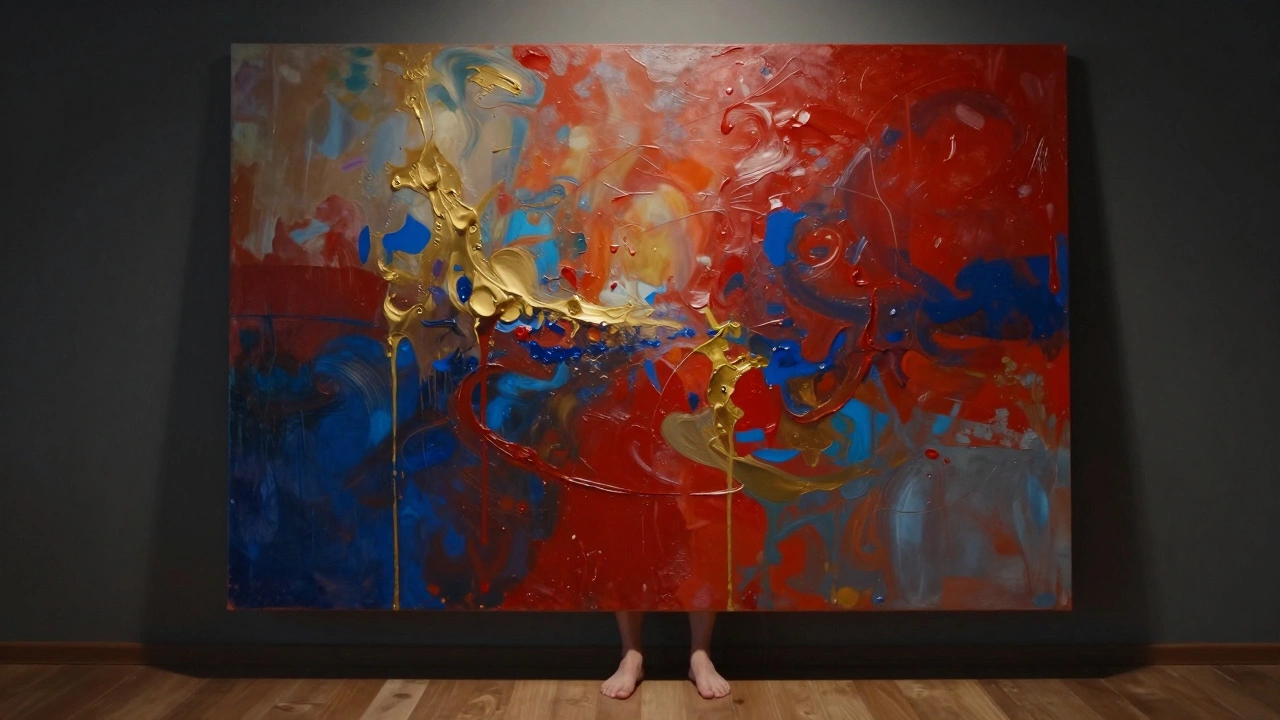
Ever stood in front of a painting with splashes of color, swirls of paint, and jagged lines-and thought, ‘My five-year-old could do that’? You’re not alone. Abstract art confuses a lot of people. But here’s the truth: it’s not about what you see. It’s about what you feel.
Abstract art doesn’t try to copy reality
Most art you’ve seen growing up-like portraits, landscapes, or still lifes-tries to show something real. A tree. A face. A bowl of fruit. Abstract art doesn’t do that. It doesn’t paint a chair. It paints the idea of a chair. Or the feeling you get when you sit in one after a long day. Or the chaos of your thoughts when you’re trying to relax.
Think of it like music. You don’t need lyrics to feel emotion. A violin solo can make you cry. A drumbeat can make you want to dance. Abstract art works the same way. It uses color, shape, texture, and movement to stir emotions-not to tell a story you can explain in three sentences.
It’s not random. It’s intentional.
Some people think abstract art is just a kid’s finger painting with a fancy frame. That’s not true. Artists spend years learning how to draw, paint, and compose. Then they choose to break the rules. Not because they can’t draw a face-but because they want to do something deeper.
Take Wassily Kandinsky. He was a trained artist who painted realistic scenes before he turned to abstraction. One day, he saw one of his own paintings hanging upside down. He didn’t recognize it. But he felt something powerful in the colors and shapes-even without the subject. That moment changed everything. He started making art that wasn’t about objects. It was about pure emotion.
Modern abstract artists like Mark Rothko or Jackson Pollock didn’t just fling paint. Rothko spent hours layering thin washes of color to create a glowing, almost spiritual effect. Pollock didn’t randomly drip paint-he moved his whole body, rhythmically, like a dancer. His paintings are records of motion, energy, and time.
What you see depends on what you bring to it
Abstract art doesn’t have one right answer. That’s the point. One person might see chaos. Another might see calm. Someone else might feel sadness, joy, or even nostalgia. That’s because abstract art is a mirror. It reflects your mood, your memories, your inner world.
Try this: stand in front of an abstract painting for two minutes. Don’t try to ‘figure it out.’ Just breathe. Notice what colors grab you. What shapes feel heavy. What lines make you feel tense or relaxed. You’re not wrong if you see a storm, a heartbeat, or a forgotten childhood memory. That’s exactly what the artist hoped for.
It’s not about skill-it’s about honesty
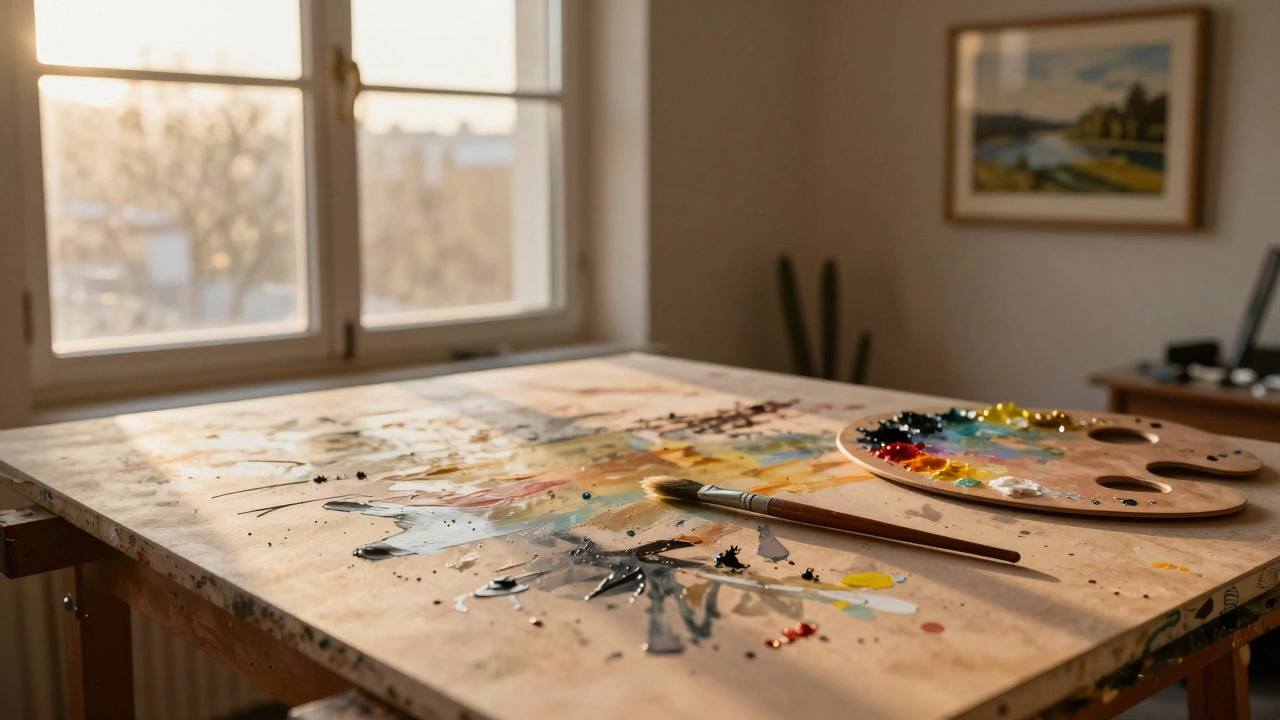
Traditional art often celebrates technical skill. A perfect portrait. A realistic landscape. Abstract art doesn’t care about that. It cares about truth. The truth of emotion. The truth of experience. The truth of being human in a messy, complicated world.
When an artist paints a red splash with black lines, they might not be painting a rose. They might be painting the moment they got bad news. Or the feeling of being stuck in traffic for hours. Or the quiet joy of watching rain on a window. Abstract art gives space for feelings that words can’t hold.
You don’t need to ‘get it’ to appreciate it
You don’t have to understand abstract art to like it. You don’t need an art degree. You don’t need to know the artist’s name or the year it was painted. Just ask yourself: does this piece make me feel something? Even if it’s confusion-that’s still a feeling.
Many people walk away from museums thinking, ‘I didn’t get it.’ But that’s okay. Not every song on the radio moves you. Not every book you read sticks with you. Art is the same. Some pieces speak to you. Others don’t. And that’s fine.
Abstract art is everywhere
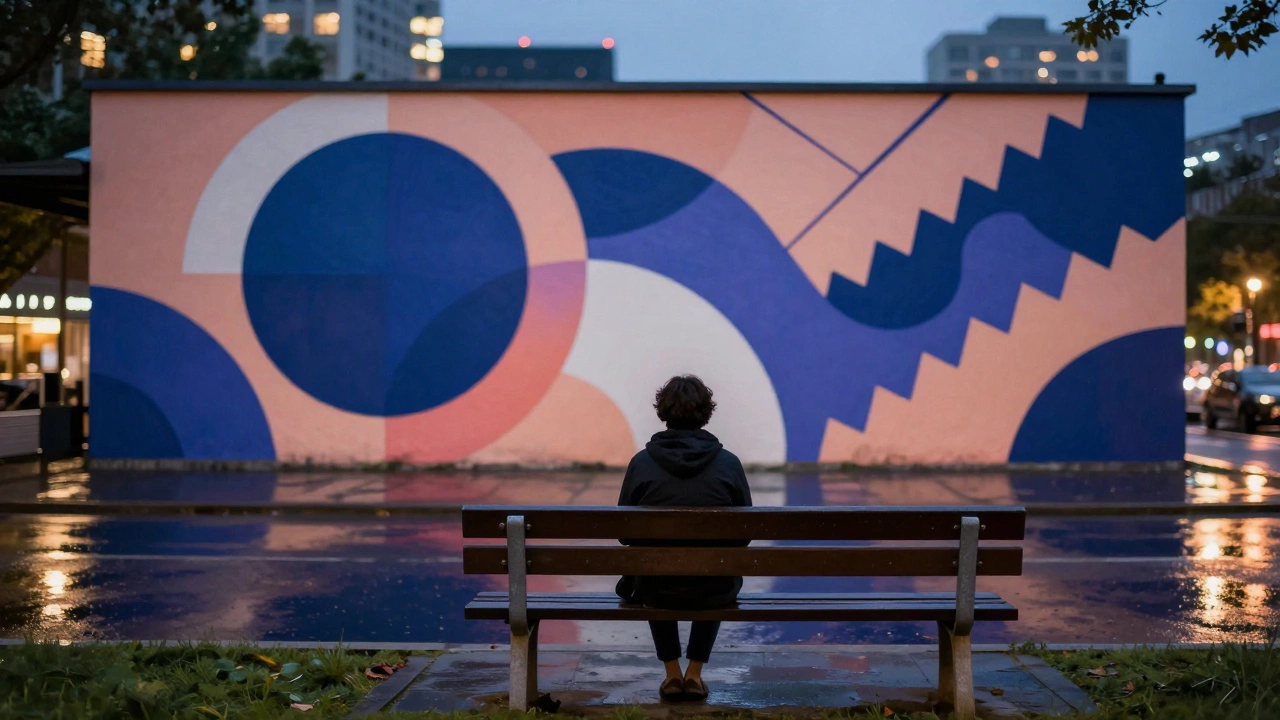
You see abstract art more than you think. The pattern on your shirt. The design of your phone. The way light hits a puddle after rain. The swirl of coffee foam. These aren’t accidents. They’re shaped by the same principles: balance, contrast, rhythm, movement. Abstract artists study these patterns and turn them into something you can hang on a wall.
Even in nature, abstract art lives. Clouds don’t look like dragons or faces because someone told them to. They look that way because of wind, pressure, and time. The same forces that shape clouds shaped Pollock’s drips. The same colors that bloom in a sunset inspired Rothko’s glowing rectangles.
Start here: how to look at abstract art
If you’re new to abstract art, here’s how to start:
- Forget the title. Don’t look for clues. Just look.
- Notice the colors. Are they warm? Cool? Jarring? Calming?
- Look at the brushstrokes. Are they smooth? Rough? Fast? Slow?
- Step back. Then step closer. What changes?
- Ask: ‘What does this make me feel?’ Not ‘What is this?’
There’s no test. No right answer. Just your experience.
It’s not a mystery. It’s a conversation
Abstract art isn’t meant to be solved. It’s meant to be felt. It’s the visual version of poetry. You don’t ‘understand’ a poem by translating every word. You let it sit with you. Let it change how you feel.
Next time you see an abstract painting, don’t rush away. Stop. Breathe. Let the colors talk. Let the shapes breathe. You might not know what it means. But you’ll know how it moves you. And that’s the whole point.