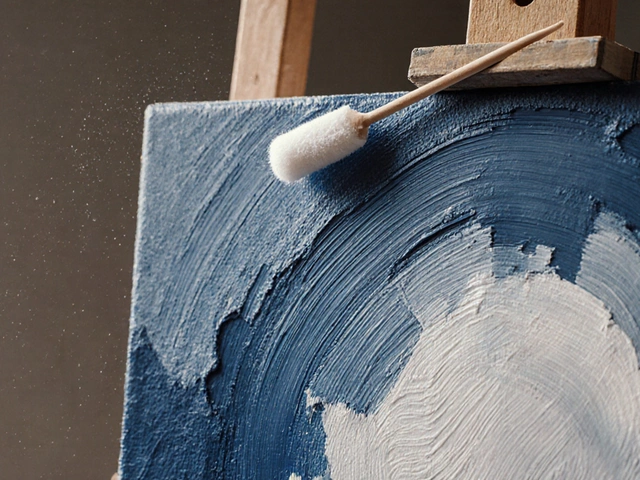
Watercolor Mistakes: Common Errors and How to Fix Them
When you're painting with watercolor, a transparent medium that demands control, timing, and patience. Also known as transparent watercolor, it doesn't lie—you can't paint over mistakes like you can with acrylics or oils. That’s why knowing the common watercolor mistakes can save you hours of frustration and wasted paper.
One of the biggest issues is using too much water. It sounds simple, but beginners often think more water means smoother blends. Instead, it leads to muddy colors, blooming, and loss of control. You don’t need to soak the paper—you need to understand how much moisture your brush holds and how fast the paper absorbs it. Another frequent error is painting over dried layers too soon. Watercolor needs time to settle. If you re-wet a layer before it’s fully dry, you risk lifting pigment unevenly and creating harsh edges. And then there’s the paper. Cheap, thin paper buckles, bleeds, and falls apart. You don’t need expensive cold press, but 140lb weight is the bare minimum to keep your washes clean.
Then there’s the tendency to overwork. People think more brushing = better result. In watercolor, less is almost always more. Every stroke adds risk. Instead of scrubbing to fix a mistake, let it dry and paint around it. Glazing—layering thin washes over dry paint—is how professionals build depth without muddying colors. And don’t ignore your brush. A dirty brush in clean water isn’t enough. Rinse it thoroughly, reshape the tip, and let it dry properly. A misshapen brush ruins fine lines and delicate edges.
You’ll also find that many artists skip planning. They dive straight into painting without a light pencil sketch or a value study. Watercolor doesn’t forgive guesswork. Knowing where your lightest lights will be before you start helps you preserve them. That’s why many pros leave the white of the paper as their highlight instead of trying to paint it in later. And color choice? Don’t just grab the brightest tube. Limit your palette. Three to five pigments can do more than a whole box of cheap colors. Learn how your pigments behave—some stain, some granulate, some lift easily. That’s knowledge you build over time, not from a YouTube tutorial.
These aren’t just tips. They’re the building blocks of confidence. Every great watercolorist made these mistakes. The difference? They learned from them. Below, you’ll find real examples from artists who turned their worst watercolor fails into their best lessons. Some show how to recover a ruined painting. Others reveal how to avoid the trap of perfectionism. No fluff. No theory. Just what actually works when you’re standing at your easel, paintbrush in hand, wondering what went wrong—and how to fix it.
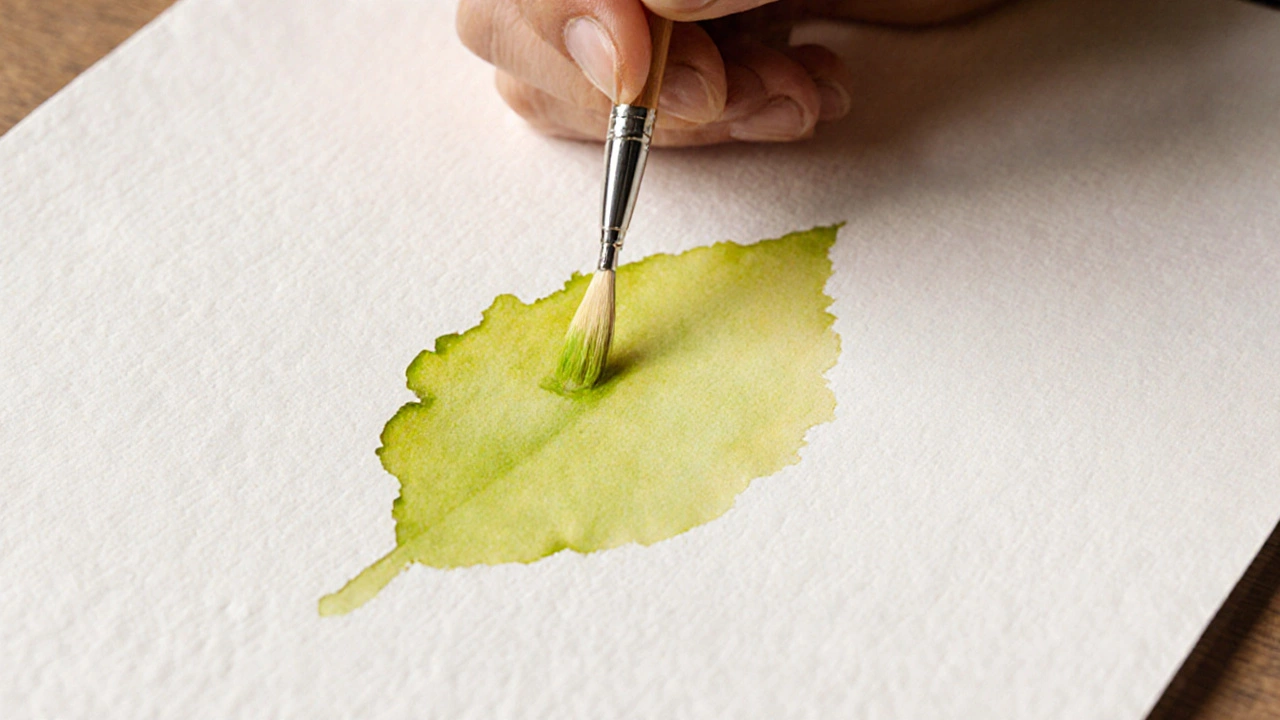
Are You Supposed to Layer Watercolor? The Real Guide to Building Depth Without Muddying Your Paint
Learn how to layer watercolor properly to create depth, avoid muddy colors, and unlock the true potential of this transparent medium. No fluff-just practical tips for better paintings.
Continue Reading