How to Layer Watercolor: Techniques, Tools, and Tips for Rich, Transparent Color
When you work with how to layer watercolor, the process of applying thin, transparent washes of paint over dried layers to build depth and luminosity. Also known as watercolor glazing, it’s not about covering the paper—it’s about letting light pass through color to create life. Most beginners think watercolor is about bold strokes and quick results. But the magic happens when you slow down, let each layer dry, and let the paint speak for itself.
Layering watercolor isn’t random. It’s a sequence: start light, stay transparent, and build slowly. Each layer acts like stained glass—you’re not hiding what’s underneath, you’re enhancing it. If you rush, colors turn muddy. If you wait, they sing. You need good paper—140lb or heavier—because thin paper buckles under multiple washes. And you need clean water. One dirty brush can ruin three layers. The watercolor layers, the sequential application of transparent pigment over dried washes are what separate amateur work from professional depth. You don’t need fancy brushes, but you do need patience. A good rule? Wait at least 15 minutes between layers, longer if the air is humid. Some artists wait hours. Others wait overnight. It’s not about time—it’s about dryness.
The watercolor techniques, methods like glazing, wet-on-dry, and lifting that control how pigment behaves on paper all depend on this principle: dry before you add more. Glazing builds color intensity without mixing pigments on the palette. Wet-on-dry gives you sharp edges—perfect for tree trunks or windows. Lifting removes pigment to create highlights or clouds. These aren’t secrets. They’re habits. And habits take practice. You’ll mess up. You’ll overwork a sky. You’ll accidentally blend two layers too soon. That’s normal. Every watercolor artist has a drawer full of failed attempts. What matters is that you keep trying.
Think of layering like building a story. The first layer is the setting. The second adds mood. The third gives detail. The fourth? That’s where personality shows up. You don’t need to know everything before you start. Just begin with one light wash. Let it dry. Then ask: what’s missing? A shadow? A hint of warmth? Add it. Don’t force it. Watercolor listens when you listen back.
What you’ll find below are real, tested approaches from artists who’ve spent years figuring this out—not theory from books, but what actually works on the table, in the studio, with paint drying under a fan and coffee going cold beside you. Whether you’re trying to paint a misty forest, a glowing sunset, or just want to stop your colors from turning brown, there’s something here that’ll help. No fluff. No jargon. Just what you need to make your next watercolor painting look like it’s lit from within.
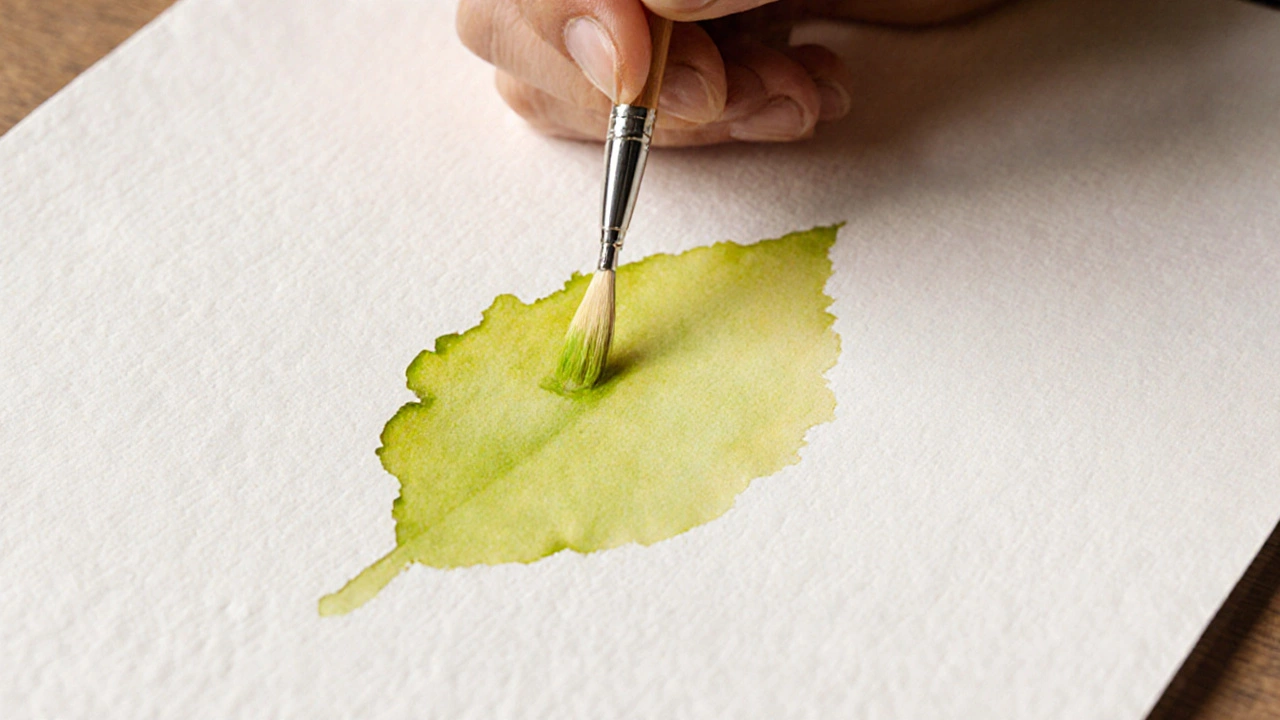
Are You Supposed to Layer Watercolor? The Real Guide to Building Depth Without Muddying Your Paint
Learn how to layer watercolor properly to create depth, avoid muddy colors, and unlock the true potential of this transparent medium. No fluff-just practical tips for better paintings.
Continue ReadingCategories
Most popular
-
 How Much Should You Pay for a Portrait Session? Apr 13 2025
 -
 What Is an Almost Famous Broadway Musical? Nov 24 2025
 -

-
 Easy Techniques for Making Sculptures at Home Jan 31 2025
 -
 Two Main Types of Landscape Paintings Explained Oct 18 2025