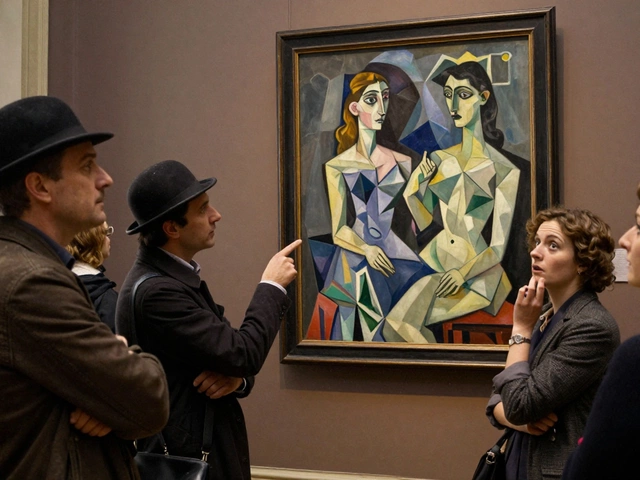
Faceless Portraits: What They Are, Why They Matter, and How Artists Use Them
When you see a faceless portrait, a portrait that intentionally omits or obscures facial features to focus on emotion, presence, or identity beyond the physical. Also known as anonymized portraiture, it doesn't leave you wondering who it is—it makes you feel who they might be. This isn't a mistake. It's a choice. Artists use faceless portraits to pull viewers away from the surface and into the space between what’s shown and what’s felt.
Faceless portraits relate closely to abstract portraiture, art that captures the essence of a person without realistic depiction, and to emotional expression in art, the deliberate use of color, form, and composition to convey inner states rather than external reality. Think of it like music without lyrics—you don’t need words to feel the sadness, the loneliness, the quiet strength. A faceless portrait works the same way. The absence of eyes, nose, or mouth doesn’t remove identity—it shifts it. The posture, the clothing, the brushstroke, the shadows become the voice.
This style connects deeply with modern viewers who are tired of curated perfection. In a world where every selfie is filtered and every profile is polished, a faceless portrait feels real. It says: you don’t need to show your face to be seen. You don’t need to smile to be understood. That’s why artists today are returning to this form—not as a gimmick, but as a quiet rebellion. You’ll find it in oil paintings where the head is wrapped in fabric, in ink drawings where the face is erased by a single stroke, in digital collages where features dissolve into texture. It’s not about hiding. It’s about revealing something deeper.
What makes faceless portraits powerful isn’t what’s missing—it’s what’s left behind. The tilt of a shoulder. The weight of a coat. The way light falls on an empty space where a face should be. These are the details that stick with you. And in the collection below, you’ll see how different artists use this approach—from subtle suggestions to bold erasures—to tell stories that no smile could ever capture.
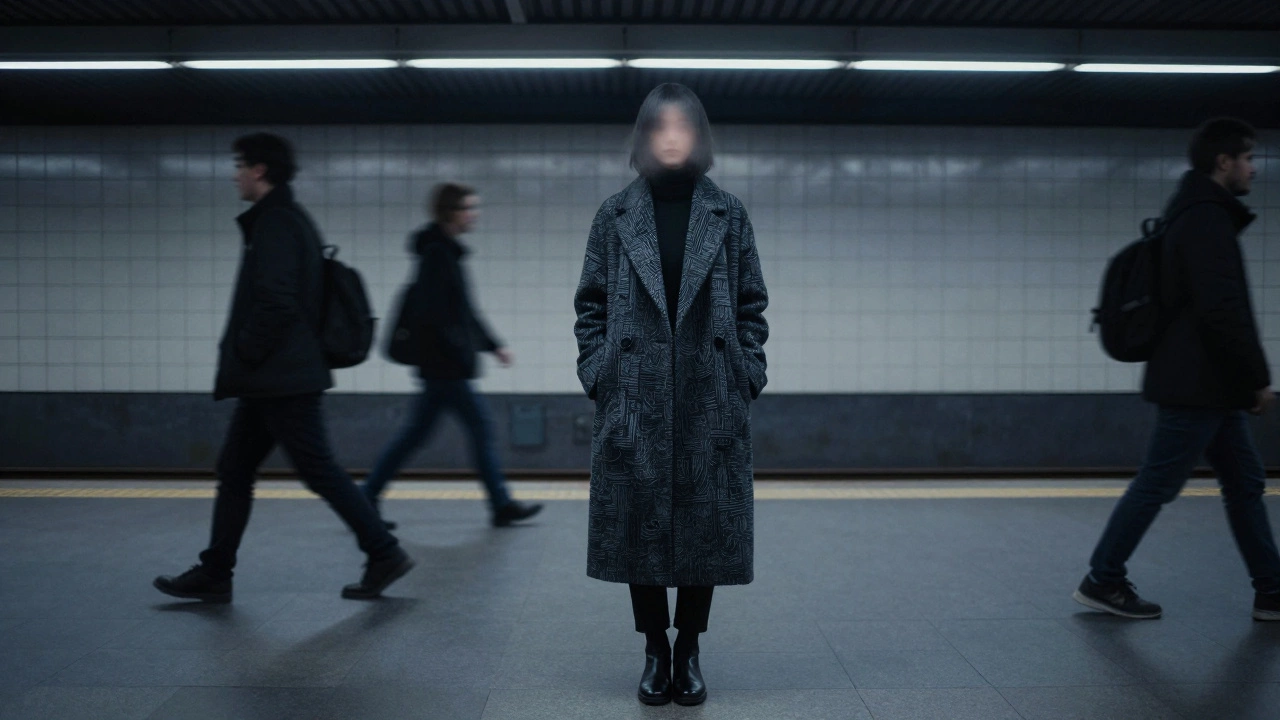
Why Are Faceless Portraits Popular in Modern Art?
Faceless portraits are rising in popularity because they let viewers project their own emotions onto the art. Instead of showing identity, they reveal the silence between who we are and who we're expected to be.
Continue Reading