Emotional Response in Art: How Art Moves Us and Why It Matters
When you stand in front of a painting and feel your chest tighten, or when a sculpture makes you pause without knowing why—that’s emotional response, the visceral reaction art triggers in viewers, often bypassing logic to speak directly to memory, fear, joy, or longing. Also known as affective response, it’s not about what the art shows, but what it stirs inside you. This isn’t just a nice side effect of art—it’s the whole point. The most lasting works don’t win because they’re technically perfect. They stick around because they make you feel something you can’t explain.
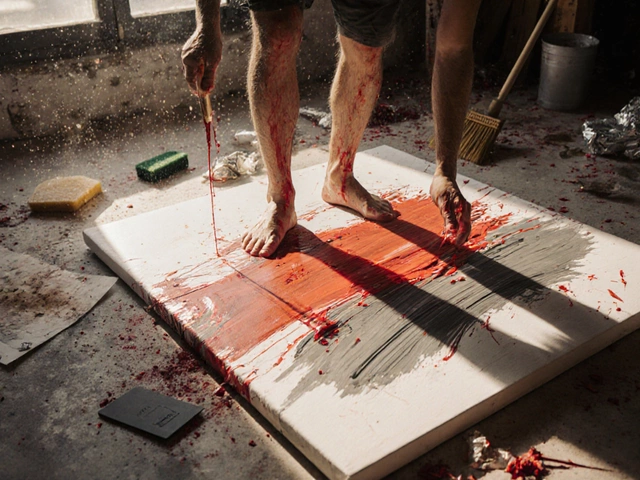
Look at the posts below. You’ll see how abstract art, a style that rejects realistic representation to prioritize feeling, color, and movement taps into emotion without showing a single face or tree. Artists like Pollock didn’t paint landscapes—they painted anxiety, freedom, chaos. And that’s why someone might cry in front of a splattered canvas, even if they can’t name what they’re seeing. Meanwhile, landscape painting, a tradition often seen as peaceful or decorative, can carry deep emotional weight through lighting, color, and composition. A stormy sky over a lone tree isn’t just a scene—it’s loneliness. A golden sunset isn’t just pretty—it’s nostalgia. Even modern art, a broad category defined by breaking rules to challenge how we see the world, thrives on emotional tension. When people say they hate modern art, they’re often reacting to discomfort, not poor technique. They’re feeling something they don’t want to name.
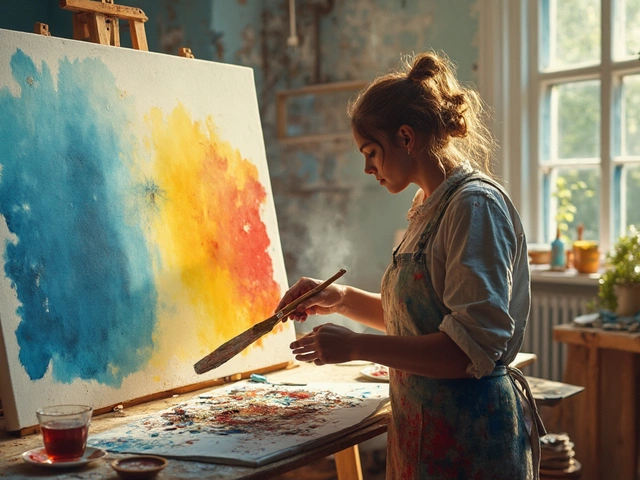
Emotional response isn’t reserved for galleries or museums. It’s why you keep staring at a sketch you made at 2 a.m. It’s why a simple charcoal line can bring back a memory you forgot you had. It’s why you’ll spend hours layering watercolor just to get the right shadow—not because you want realism, but because that shadow feels like grief. The posts here don’t teach you how to paint perfectly. They show you how to paint truthfully. Whether you’re sculpting with dirt, choosing colors for a landscape, or wondering why your abstract piece feels alive, you’re not just making art—you’re making feeling visible.
What follows isn’t a list of rules. It’s a collection of real moments where artists—beginners and pros alike—faced the raw, messy, beautiful task of turning inner emotion into something you can touch. You’ll find out how to let your brush follow your gut, why muddy watercolor isn’t always a mistake, and how a sculpture made from scrap metal can hold more weight than a marble statue. This is where art stops being about skill and starts being about soul. Let’s see what you’ve been feeling.
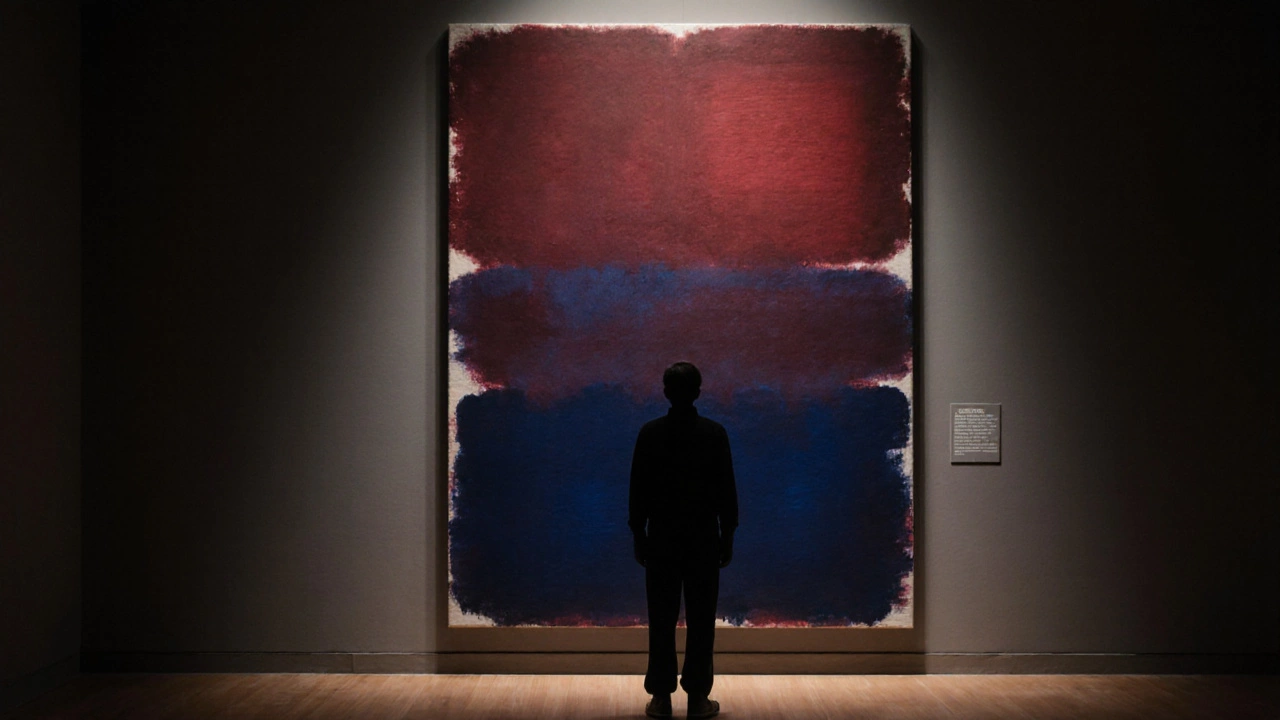
What Draws People to Abstract Art?
Abstract art doesn't show the world-it shows how we feel inside it. People connect with it not because they understand it, but because it lets them feel what words can't express.
Continue Reading