Emotional Portraiture: Capture Feelings, Not Just Faces
When you look at a portrait that stops you in your tracks, it’s rarely because the nose is perfectly shaped or the eyes are exactly the right color. It’s because you emotional portraiture, the art of revealing inner life through facial expression and composition. Also known as psychological portraiture, it’s what turns a likeness into a moment you can feel in your chest. This isn’t about copying what you see—it’s about translating what you sense. A furrowed brow isn’t just a wrinkle; it’s years of worry. A half-smile isn’t just curved lips; it’s grief holding back tears. Artists who master this don’t need perfect technique—they need honesty.
What makes emotional portraiture work? It’s built on a few quiet truths. First, expressive faces, the subtle shifts in muscle and light that reveal internal states matter more than detail. A single tear, a tightened jaw, the way light falls across a cheek—all of it adds up. Second, oil portrait techniques, the layering, glazing, and brush control used to build depth and mood give you the tools to slow time. You can let color bleed slightly to show exhaustion, or leave a raw edge to suggest vulnerability. Third, psychological depth in art, the ability to suggest a person’s history, thoughts, or unspoken emotions doesn’t come from backstory—it comes from what’s left unsaid. The eyes looking away. The hand gripping the armrest. The silence in the background.
You won’t find tutorials here that teach you how to draw a perfect eye. Instead, you’ll find real work from artists who’ve stared into the quiet corners of human experience and learned how to paint it. Some of these pieces use thick, messy strokes to show rage. Others use thin, transparent glazes to capture loneliness. A few don’t even show the whole face. That’s the point. Emotional portraiture isn’t about showing everything—it’s about revealing enough to make the viewer lean in. Below, you’ll see how artists turn observation into feeling, how they use color not just to match skin tone but to echo mood, and how even the smallest brushstroke can carry the weight of a lifetime.
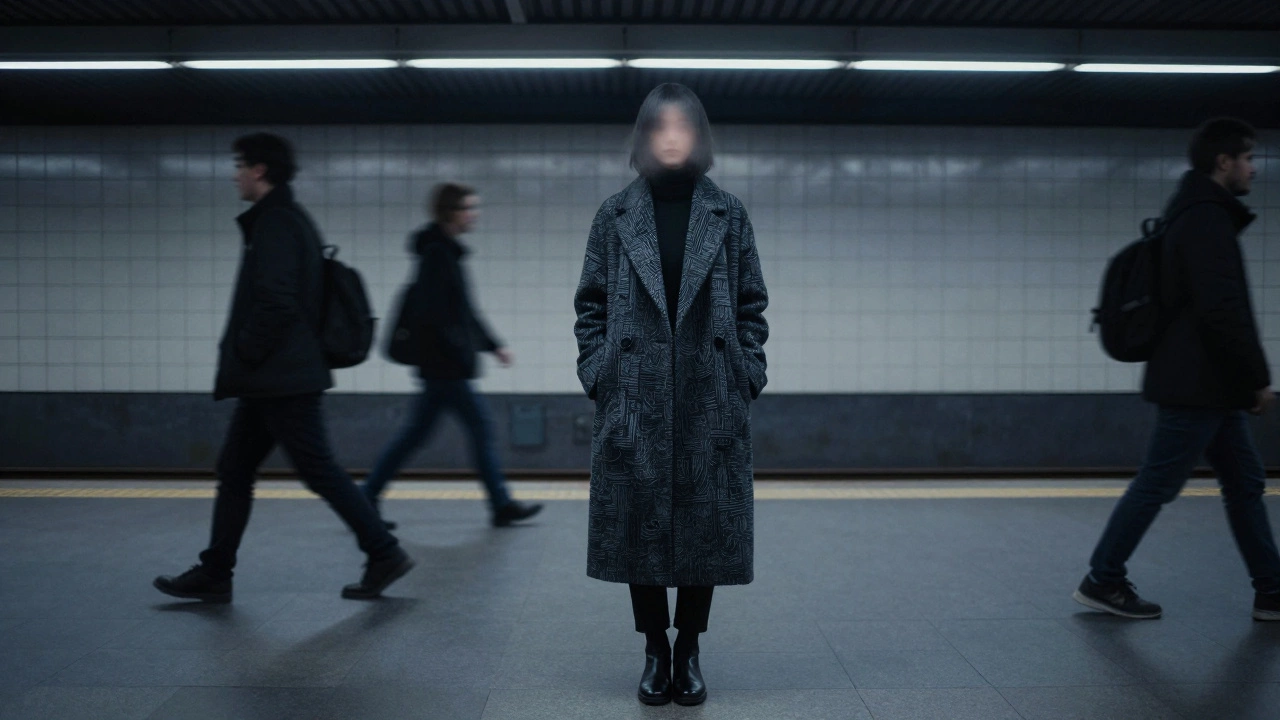
Why Are Faceless Portraits Popular in Modern Art?
Faceless portraits are rising in popularity because they let viewers project their own emotions onto the art. Instead of showing identity, they reveal the silence between who we are and who we're expected to be.
Continue ReadingCategories
Most popular
-
 Are Art Prints Just Posters? Mar 17 2025
 -

-
-
-
 Exploring the Dynamic Styles in Sculpture Art Jan 26 2025