Contemporary Painting: What It Is, Why It Matters, and What You Can Learn
When we talk about contemporary painting, art created in the present era that reflects current ideas, culture, and personal expression rather than traditional techniques. Also known as modern painting, it’s not about how realistic something looks—it’s about what it makes you feel, question, or rethink. Unlike fine art that prizes perfect brushwork and lifelike detail, contemporary painting throws out the rulebook. It’s messy, bold, quiet, loud, digital, or painted with dirt—it doesn’t care what you think it should be.
This style doesn’t live in one box. It includes abstract art, work that doesn’t try to show the real world but instead expresses emotion, memory, or energy through color and form, like the pieces that make you stare and wonder why it’s art. It also includes oil painting, a medium still widely used today, but now pushed into new territories—think thick impasto textures, unconventional surfaces, or layered meanings hidden under bold strokes. And yes, it includes digital painting, art made with tablets and software, where the brush is a stylus and the canvas is a screen. These aren’t separate genres—they’re all part of the same conversation, just using different tools.
Why does this matter to you? Because you don’t need to be a trained artist to make something that counts. Contemporary painting is about honesty, not perfection. It’s about showing up with your own voice, whether you’re using a $20 brush or a $1,000 tablet. The artists who changed the game—like Pollock, Warhol, or Cindy Sherman—weren’t the ones who painted the prettiest flowers. They painted what they felt was missing. And that’s the real invitation here: don’t copy what’s already out there. Find what’s inside you and put it on the surface.
What you’ll find below isn’t a list of how to paint like someone famous. It’s a collection of real, practical guides from artists who’ve been there. Learn how to paint straight lines in oil without tape. Understand why people connect with abstract work. See what tools are actually worth using in 2025. Figure out why some paintings feel alive while others fall flat. These aren’t theory lessons—they’re the kind of tips you wish someone had handed you before you started.
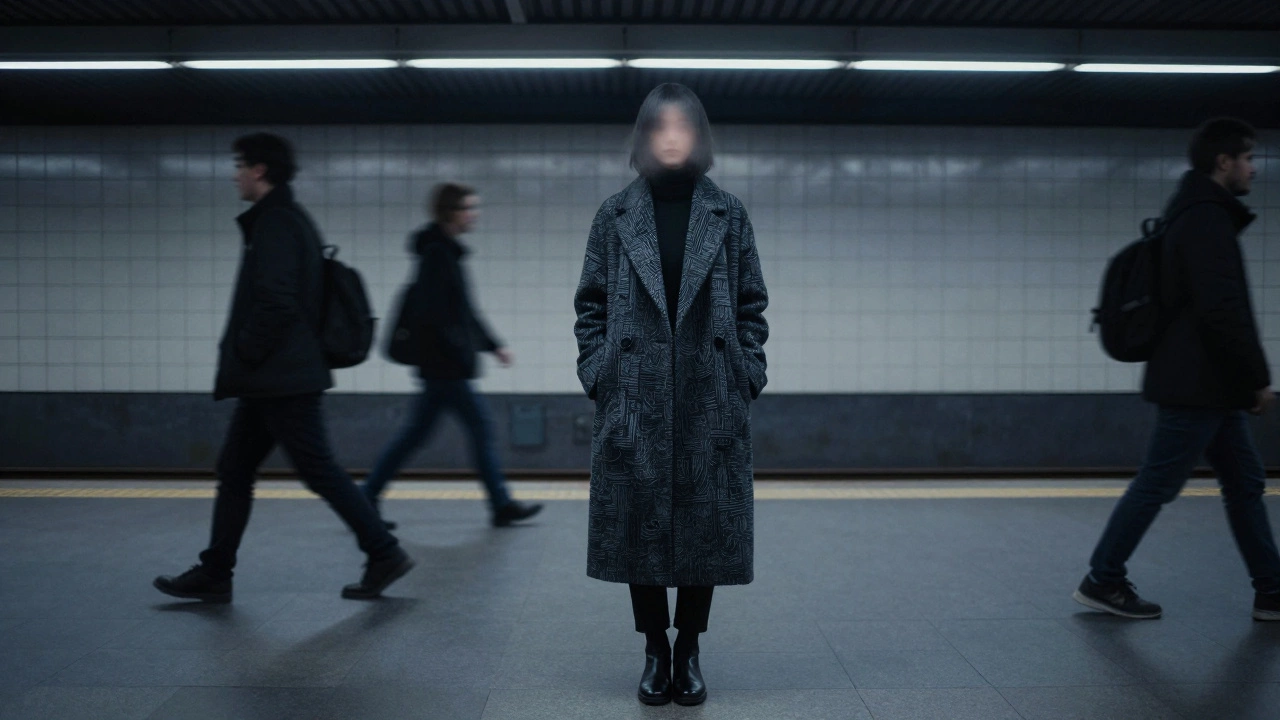
Why Are Faceless Portraits Popular in Modern Art?
Faceless portraits are rising in popularity because they let viewers project their own emotions onto the art. Instead of showing identity, they reveal the silence between who we are and who we're expected to be.
Continue ReadingCategories
Most popular
-
-
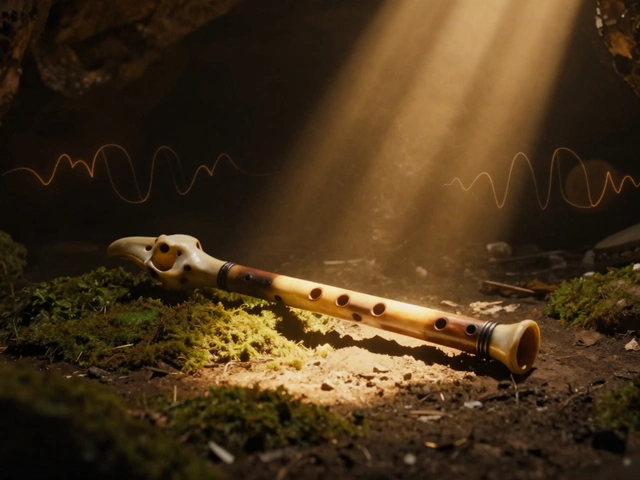 What Is the Best Meaning of Music? Jan 15 2026
 -
-

-
 How to Get Free Music on Your Phone Mar 15 2025