Anonymous Faces in Art: Why Hidden Identities Move Us
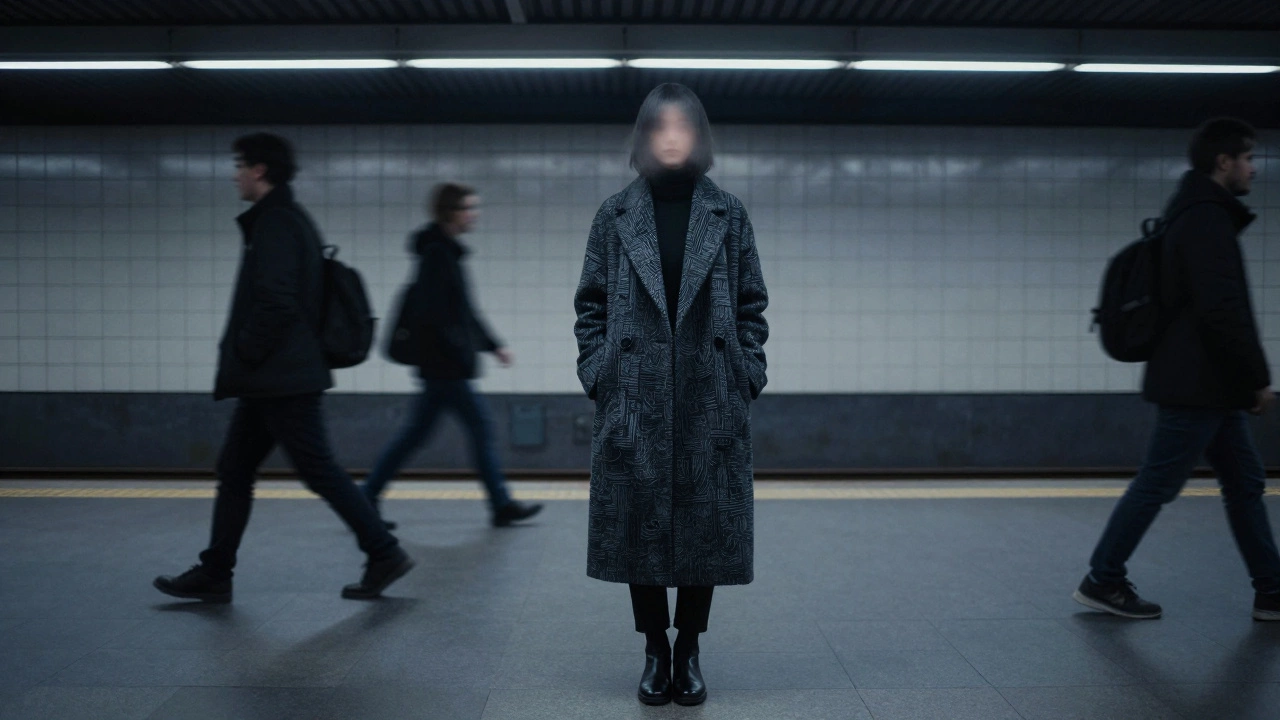
When an artist paints a face without eyes, nose, or expression, they’re not leaving something out—they’re anonymous faces, portraits that remove identity to amplify emotion in a way no detailed portrait ever could. These aren’t unfinished works. They’re deliberate choices—removing the individual to make room for the universal. You don’t need to know who they are to feel what they feel. That’s the power of a faceless figure.
Artists use abstract portraiture, a style that prioritizes feeling over form to strip away social labels, cultural expectations, even gender. The result? A figure that could be anyone, and therefore, everyone. This connects directly to non-representational art, work that doesn’t copy reality but expresses inner states. Think of it like music without lyrics—you don’t need words to feel the sadness, the longing, the quiet strength. That’s what anonymous faces do. They bypass your brain and speak straight to your gut.
Why does this matter now? Because we’re flooded with curated identities—perfect selfies, polished profiles, forced smiles. Art that shows a face without features becomes a quiet rebellion. It says: you don’t have to be recognizable to be real. You don’t have to explain yourself to be understood. This isn’t about missing details. It’s about what’s left when you remove the noise. And that’s why these pieces stick with you.
You’ll find here works that use shadow, texture, and absence to say more than any brushstroke of detail ever could. Some are painted in oil, others carved from clay or built from layers of paint. Some hide behind a veil, others dissolve into color. Each one asks the same question: who are you when no one knows your name? The answers aren’t written—they’re felt.
Why Are Faceless Portraits Popular in Modern Art?
Faceless portraits are rising in popularity because they let viewers project their own emotions onto the art. Instead of showing identity, they reveal the silence between who we are and who we're expected to be.
Continue Reading